
Mo Pitney's Gear List

Mo Pitney's Gear List

A bluegrass right hand behind a country voice.


Mo Pitney picked up guitar at twelve and banjo at fifteen, and the bluegrass he fell into never left him. It is why his rig looks different from most country singers' — rosewood dreadnoughts voiced to carry a room, capos machined to a specific fingerboard radius, and premium picks that pull the best tone possible.


Since his Grand Ole Opry debut earned a standing ovation, Mo has taken that sound from the Opry stage to his duo work with banjo player John Meyer as Pitney Meyer. As a TAS Community Pro, he works with our team to keep it road-ready. Every instrument here ships with our 23-Point Professional Inspection, and instruments $1,000 and up carry the Dread-Not Guarantee. When something sells, it drops off this page automatically — what you see is in stock. Shop his rig below.

Filters

Sort by:

Why Mo Pitney's Rig Sounds Like That

Mo's setup solves one problem: a bluegrass-trained right hand playing country songs. Every item on this page either serves that hand or stays out of its way.

Two Rosewood Dreadnoughts, Two Different Jobs

The D-28 Authentic 1937 is a period-correct build - Adirondack spruce over Guatemalan rosewood, forward-shifted scalloped bracing, hide glue, and an aged torrefied top. It is loud, dry, and as unforgiving as a real pre-war dreadnought, which is exactly what you want when the guitar has to carry a room with no microphone in front of it. The D-41 goes the other way: Sitka spruce over East Indian rosewood with abalone appointments, a broader and sweeter midrange that sits under a vocal instead of fighting it. Same body shape, opposite personalities. More in Martin & Co. Guitars.

The Banjo Player's Right Hand

This is the part most country gear lists leave out. Mo's picks are a banjo player's picks, and they change how a guitar attacks:

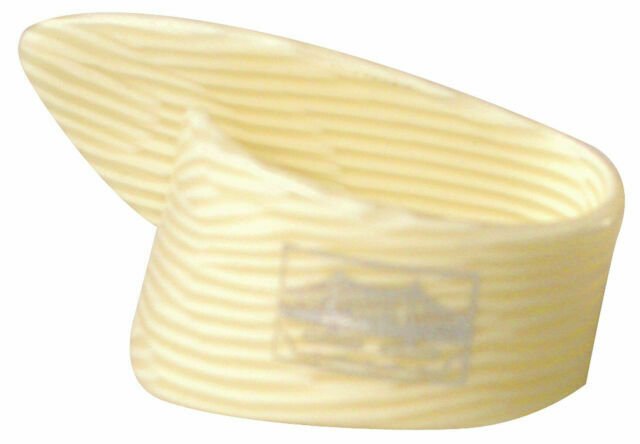
  • Golden Gate GP-11 thumb pick, medium: the bluegrass standard. Ivoroid, and stiff enough to drive a roll without flexing off the beat.
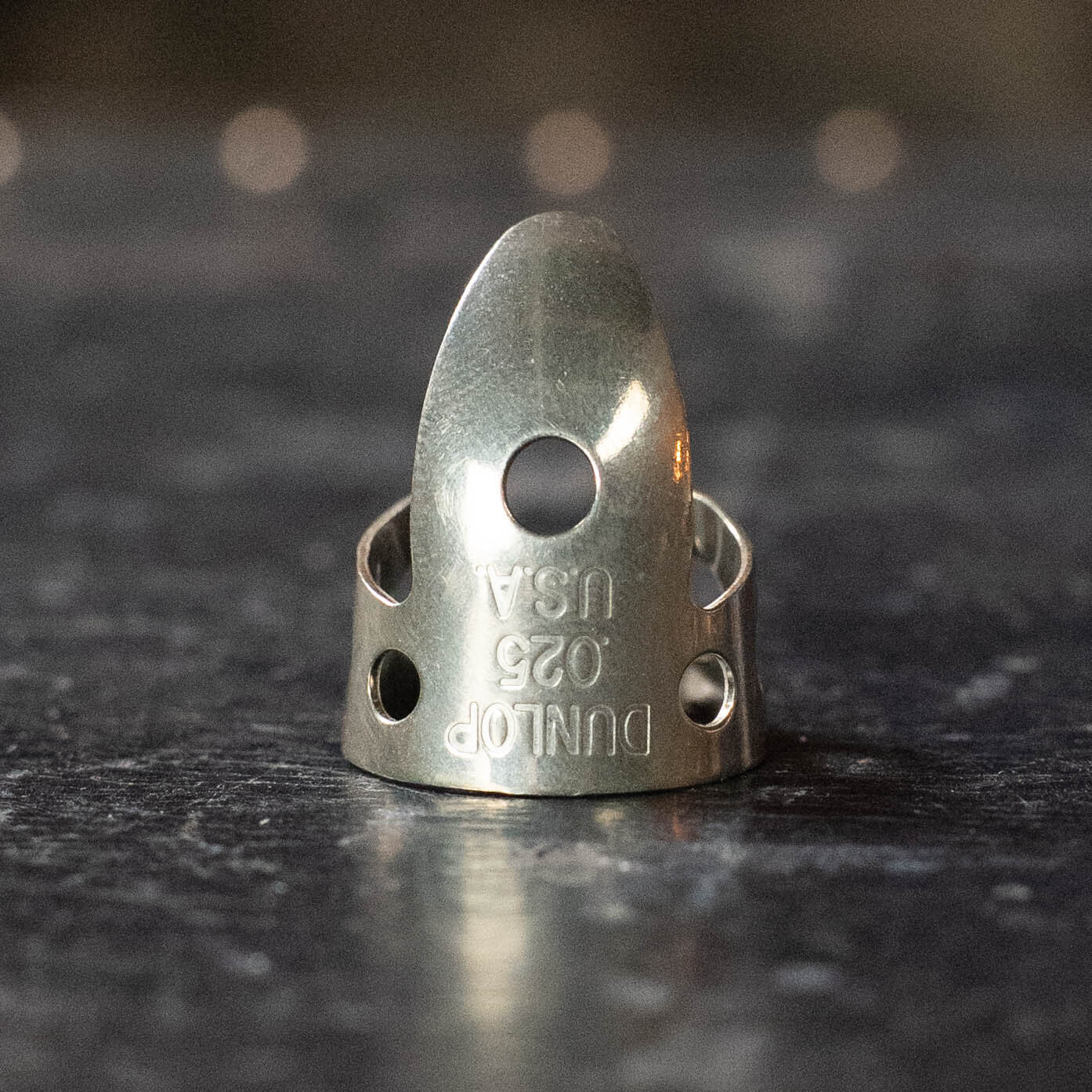
  • Dunlop .025-inch fingerpicks: thin brass, bright and immediate. A thin gauge lets you feel the string rather than the pick.
  • Token B2-45 TAN flatpick, 1.14mm small triangle: for flatpicked lead. A small triangle gives three usable points and a shorter throw than a full-size 346.

Capos Cut to the Fingerboard

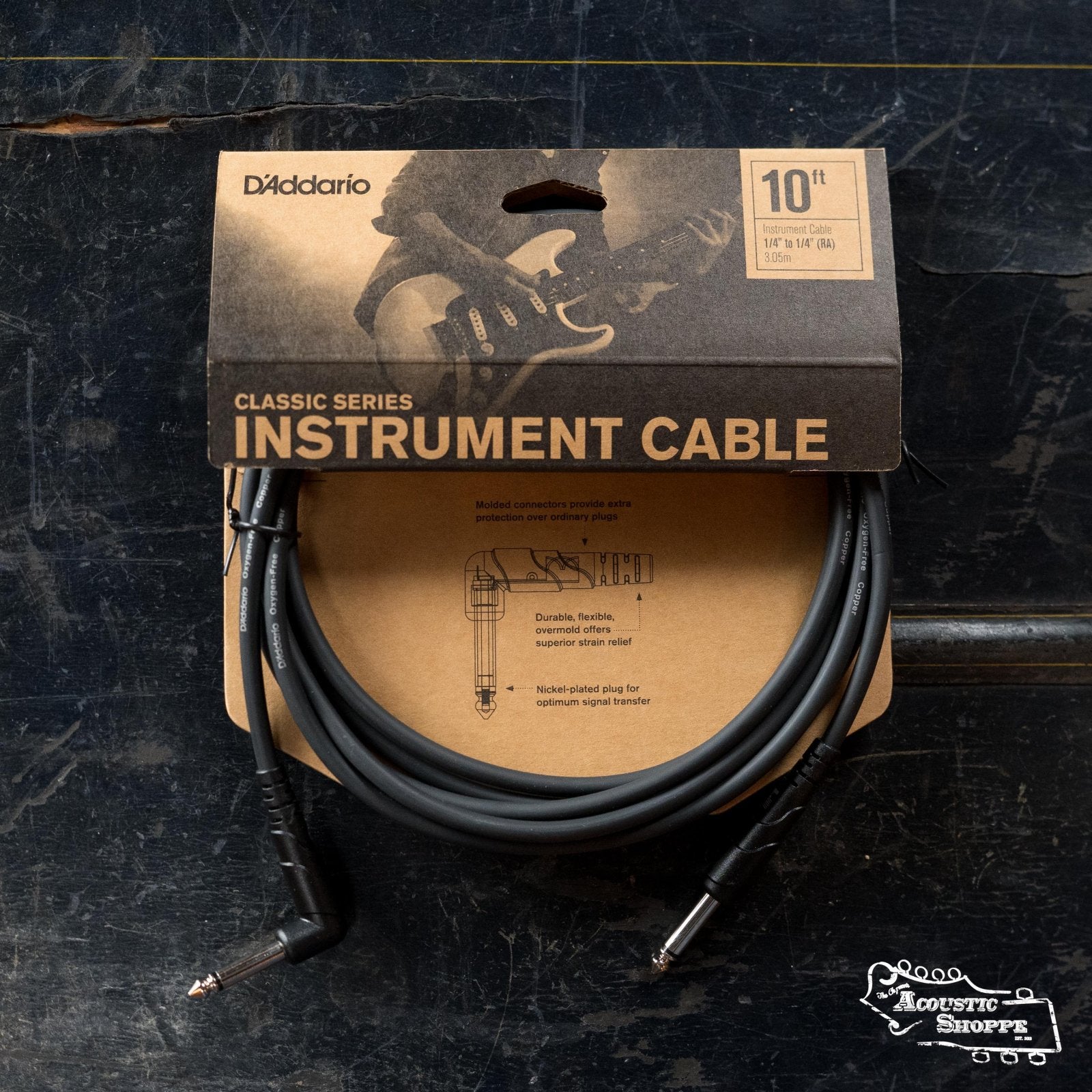
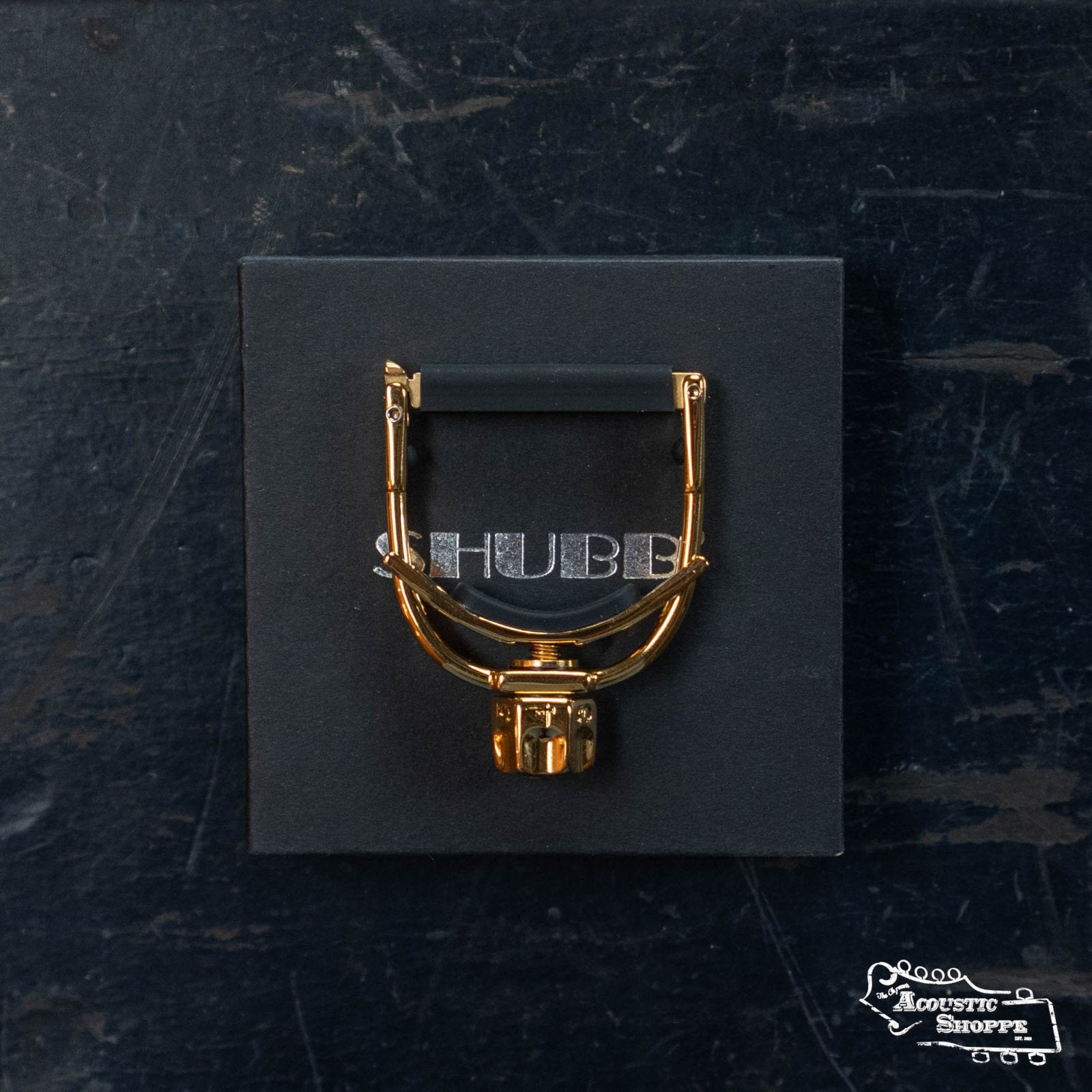
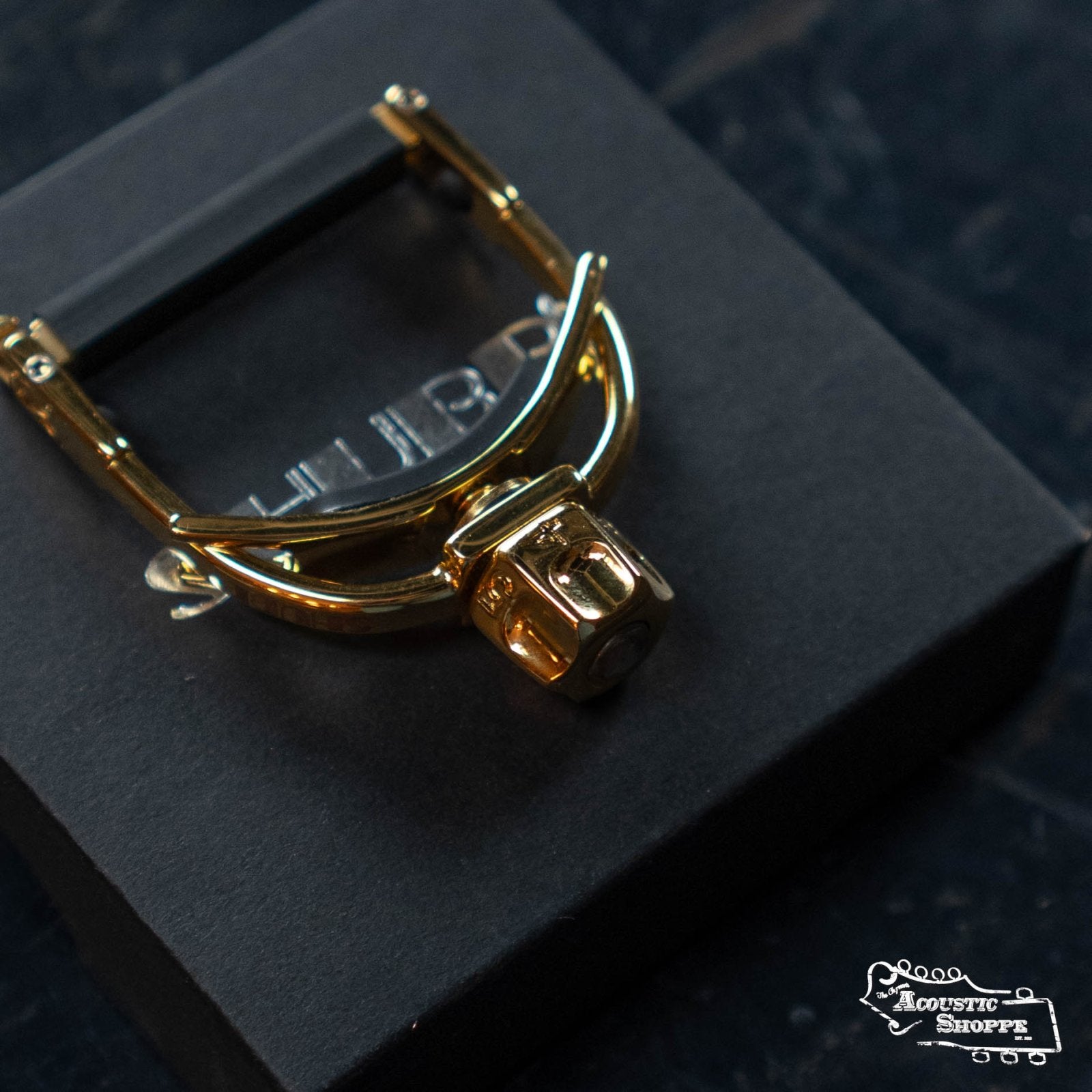
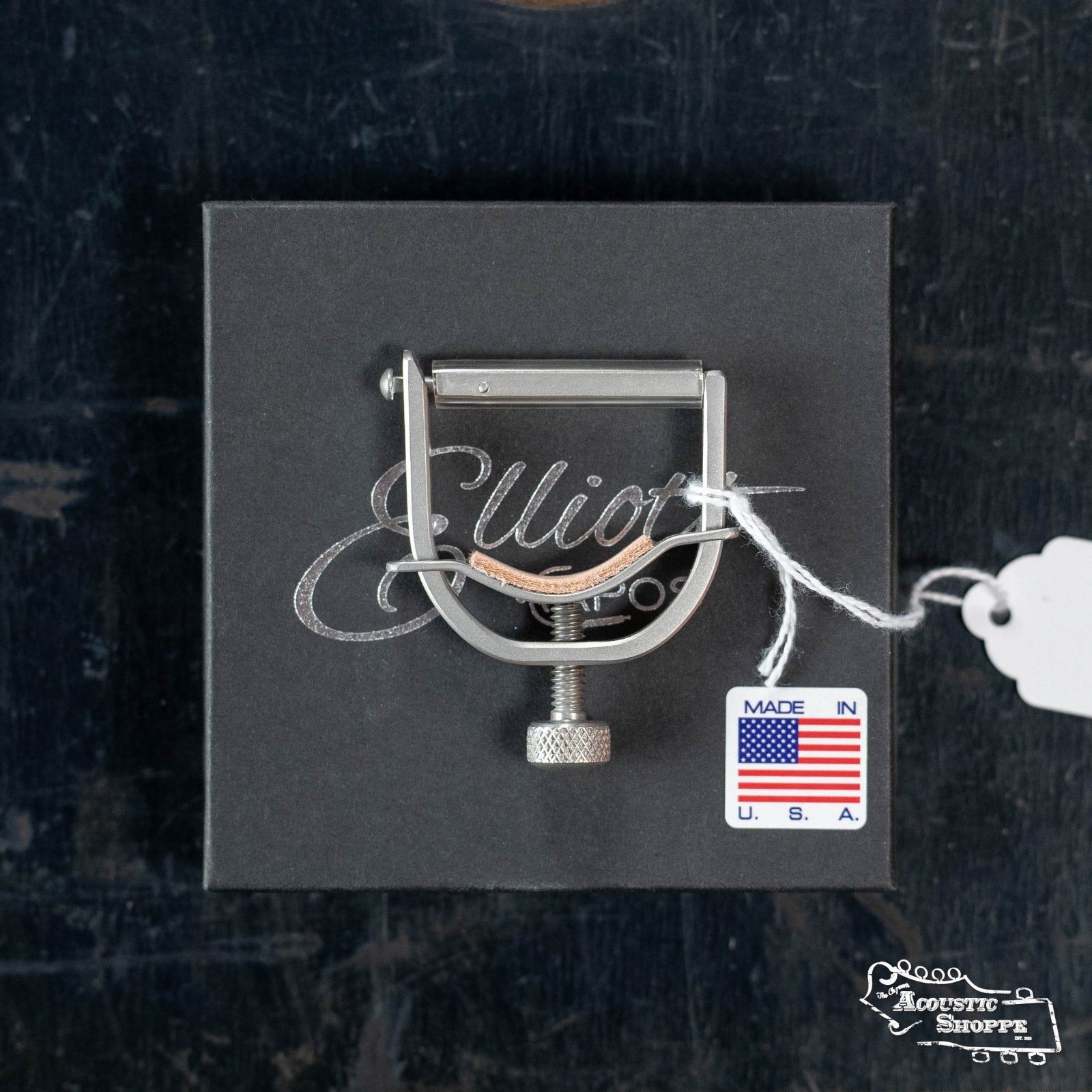
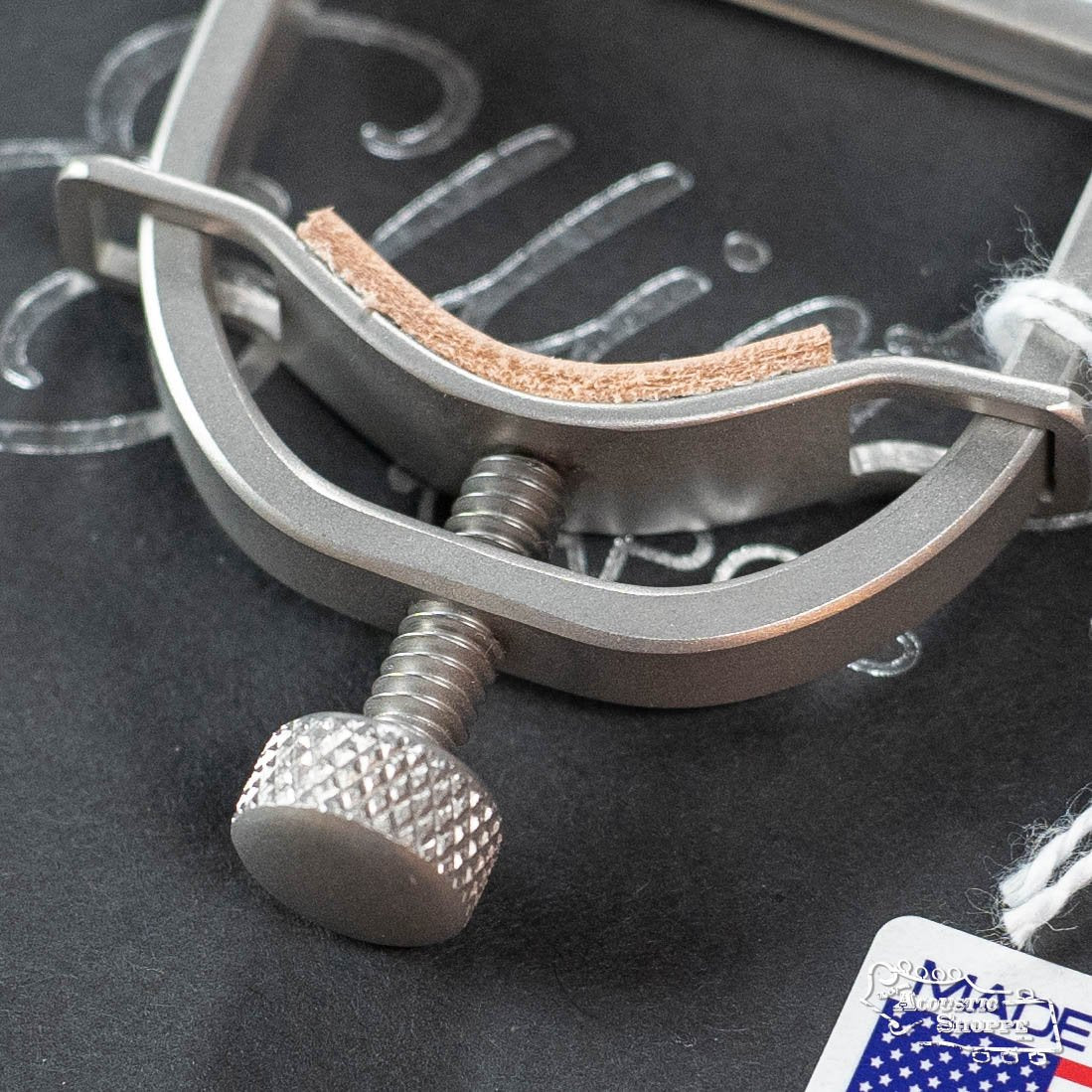
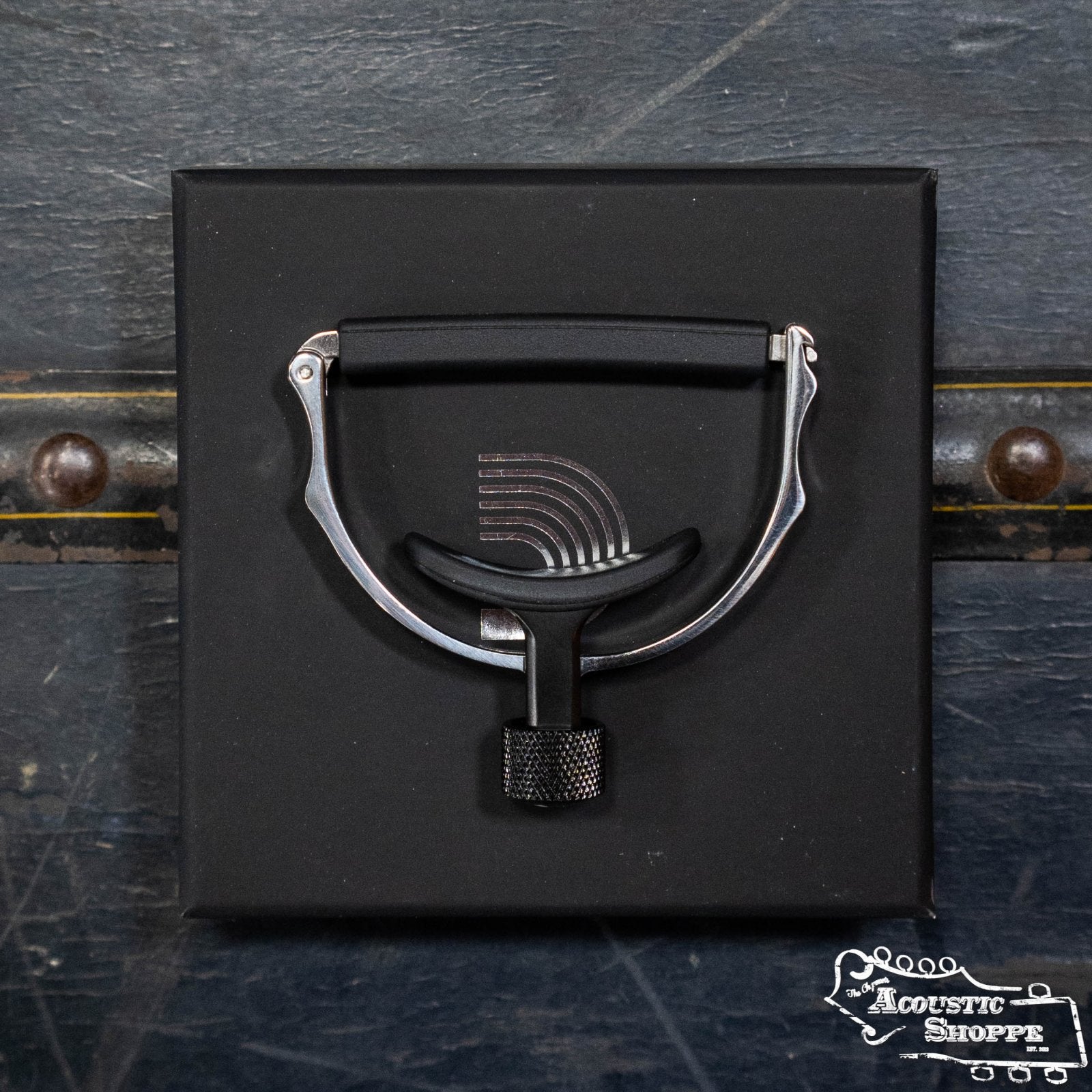
Elliott capos are machined to a specific nut width and radius rather than pulling a curved board flat, so the third string does not go sharp when you clamp down. The G16M McKinney fits a 1-11/16 inch neck at a 16 inch radius; the B450I Integrity covers 1.400 to 1.450 inch flat-radius banjo necks. The Shubb F5g FineTune and the D'Addario PW-CP-18 cradle capo handle the fast changes between songs. Browse Elliott Capos, Banjo Capos, and Guitar Capos.

Stage and Studio

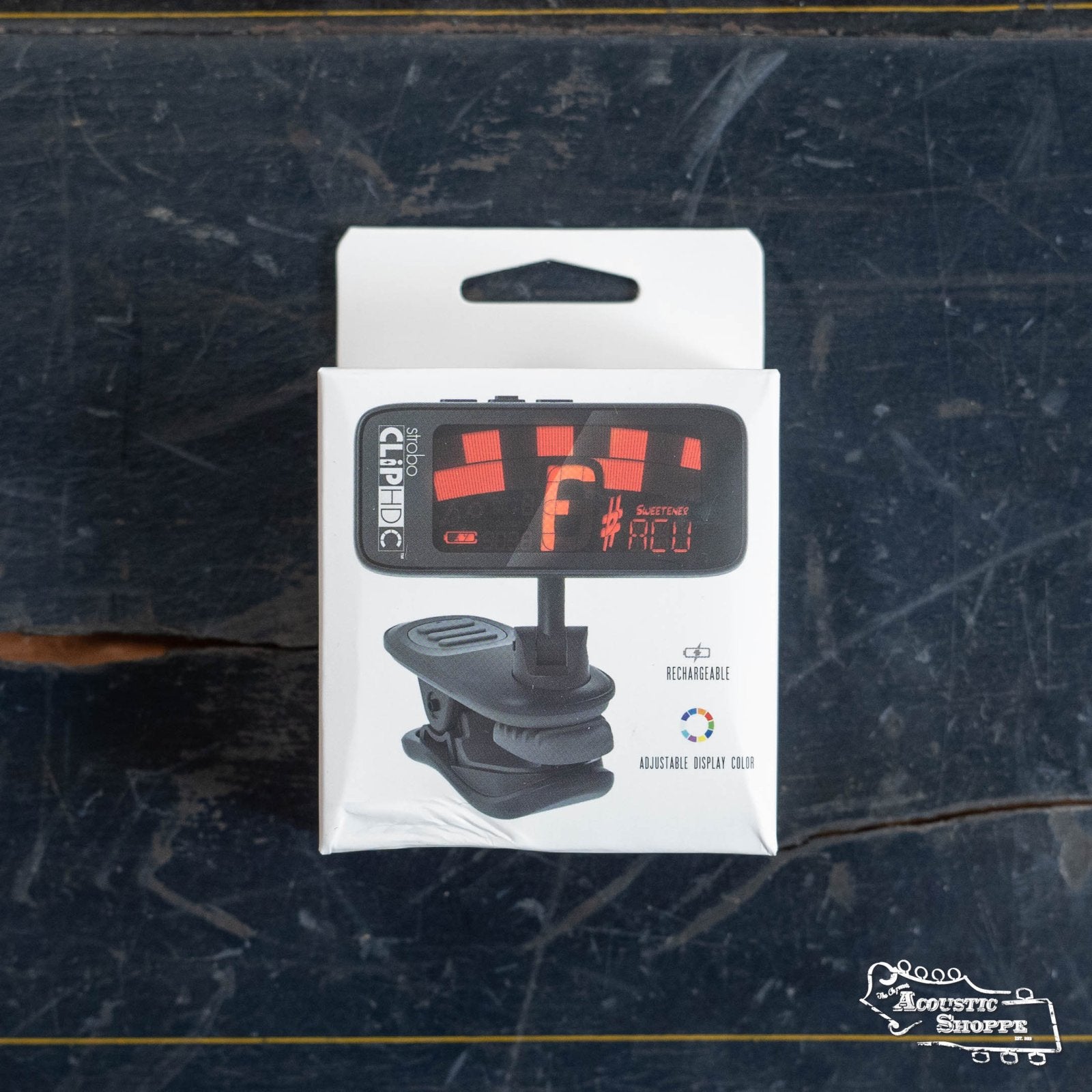
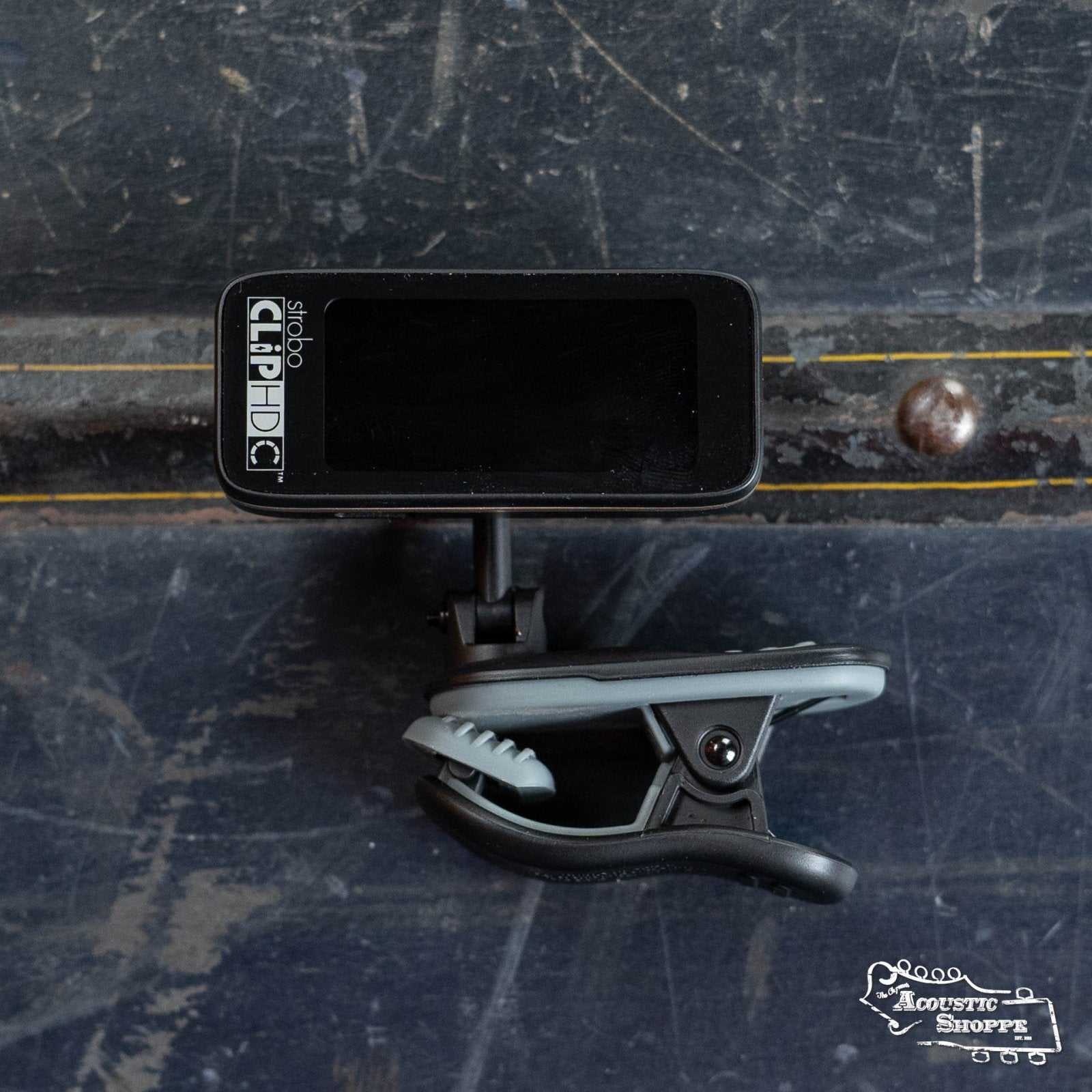
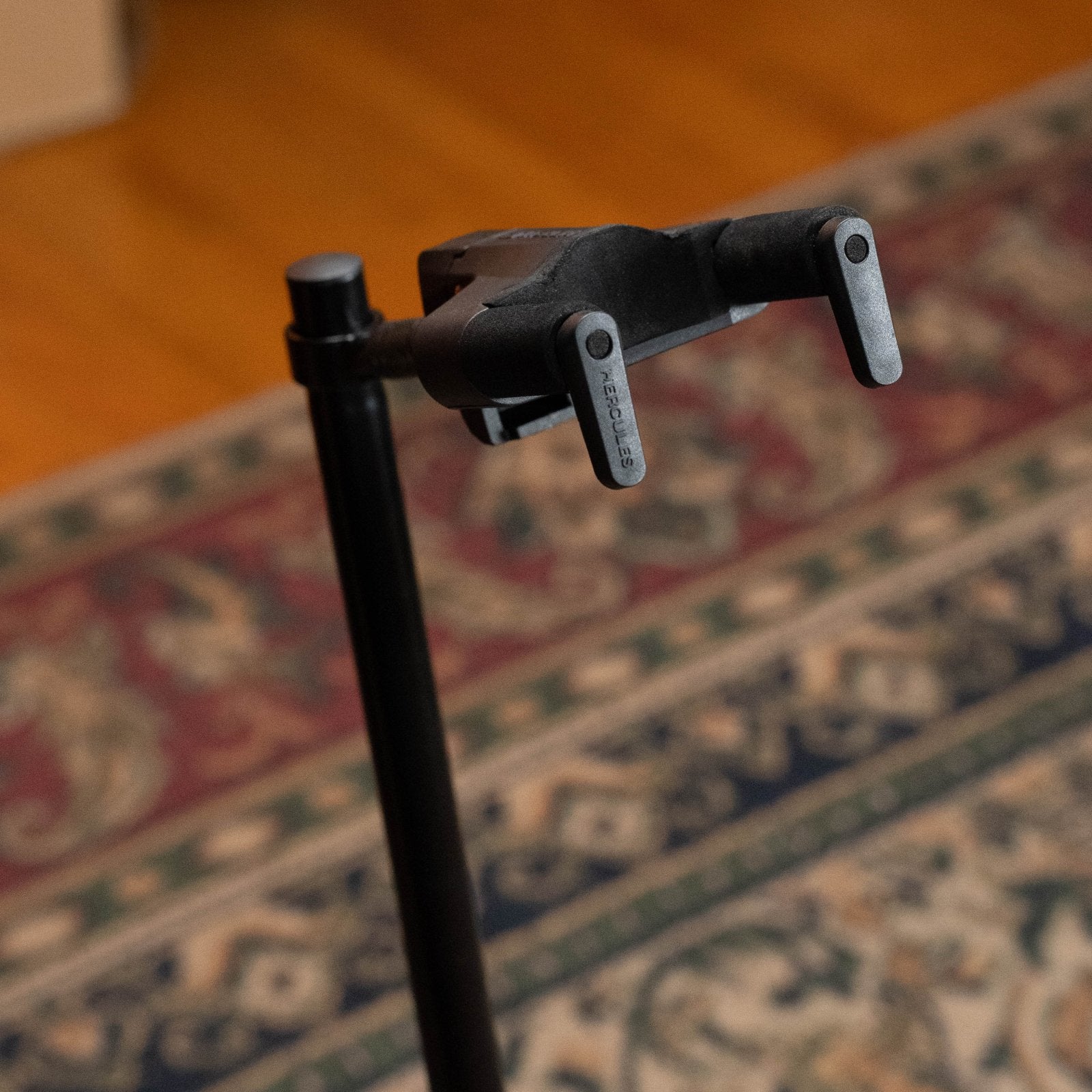
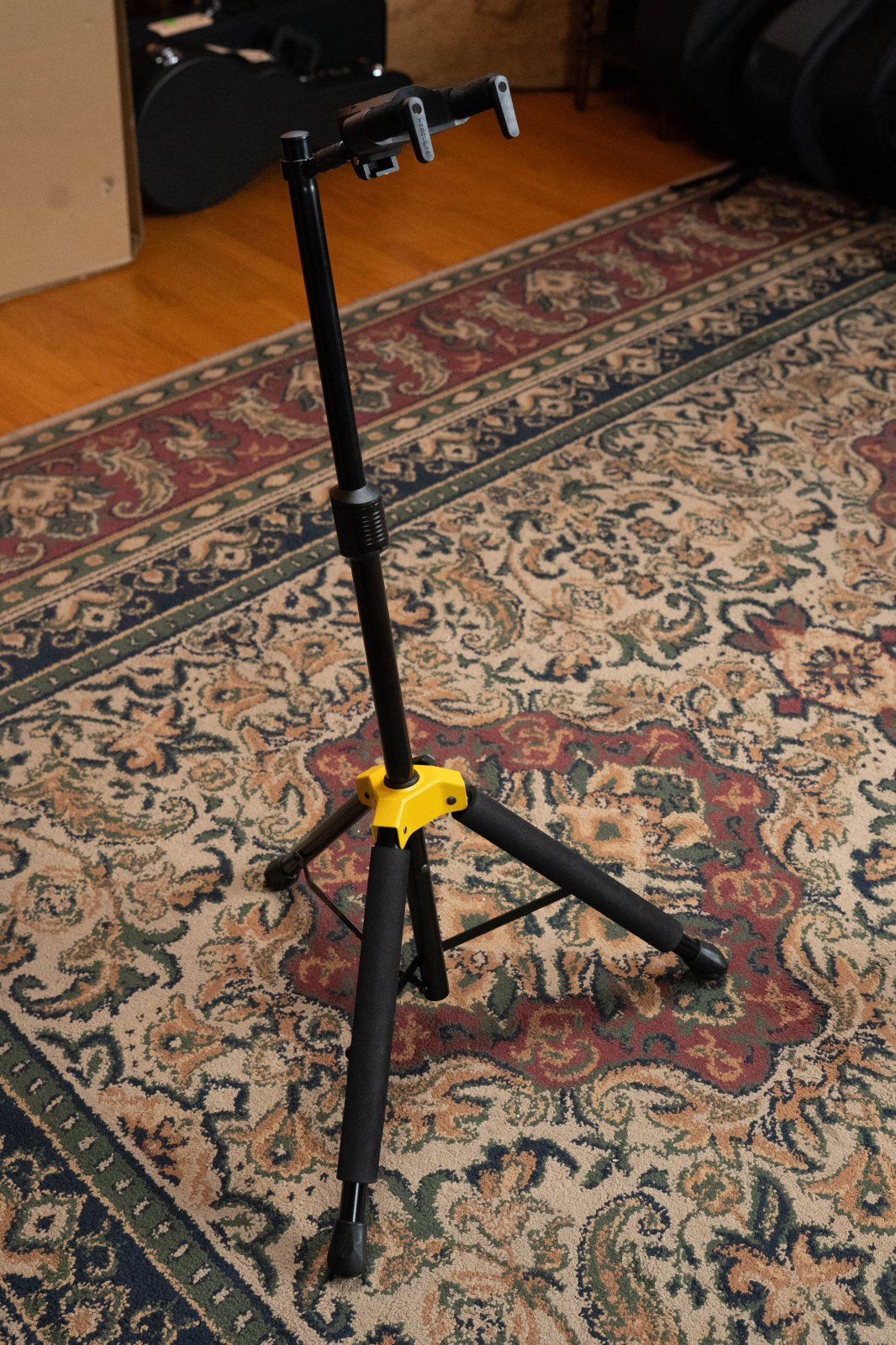
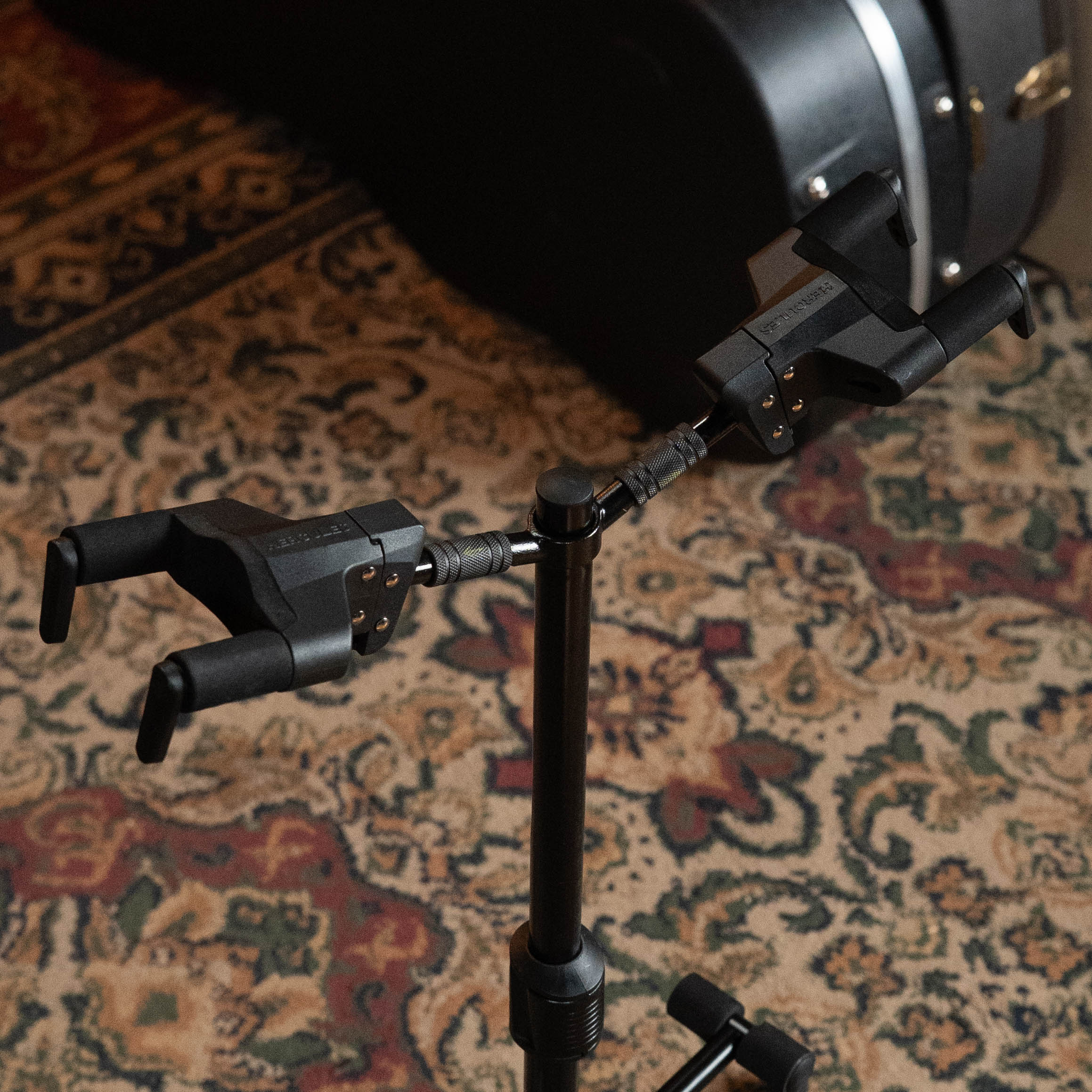
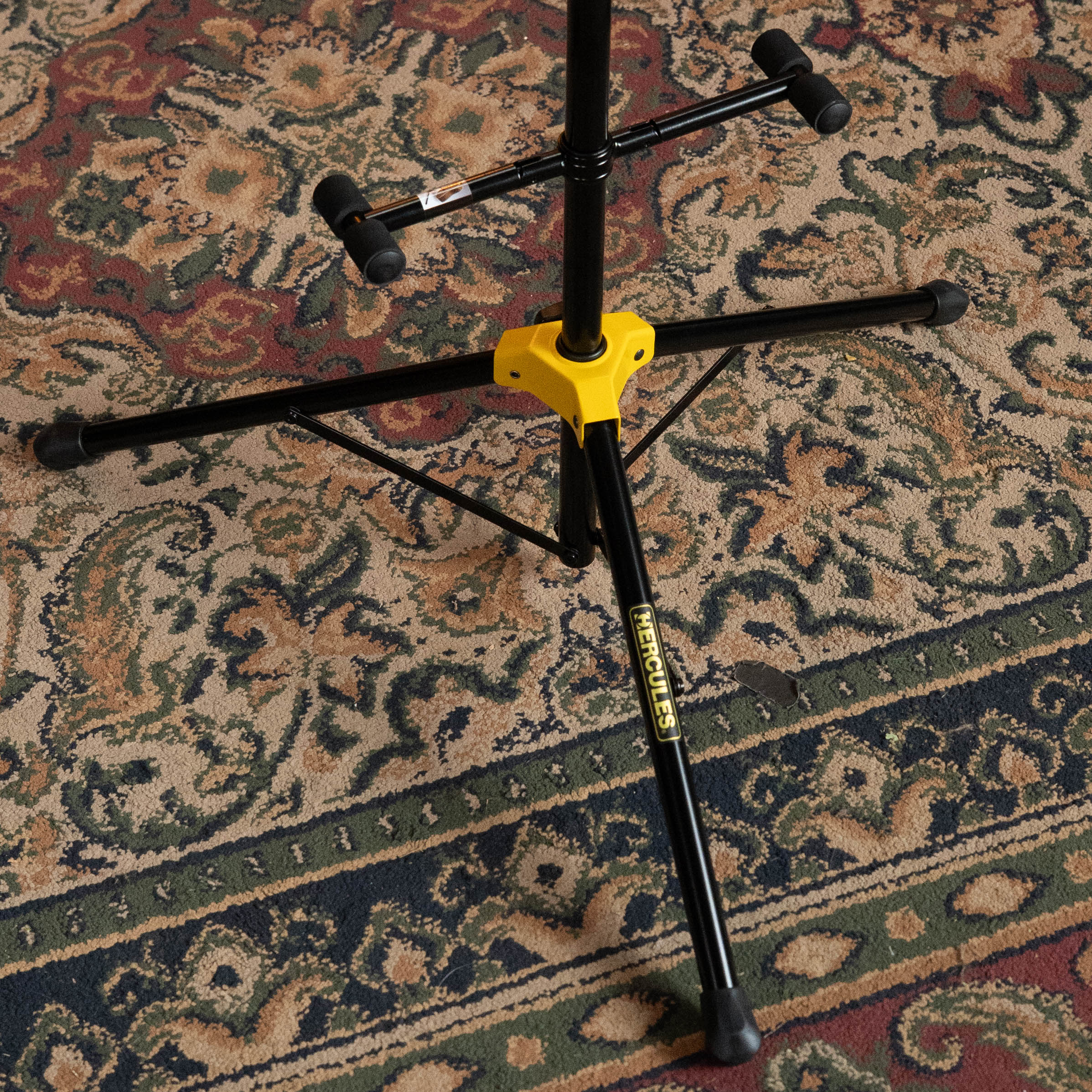
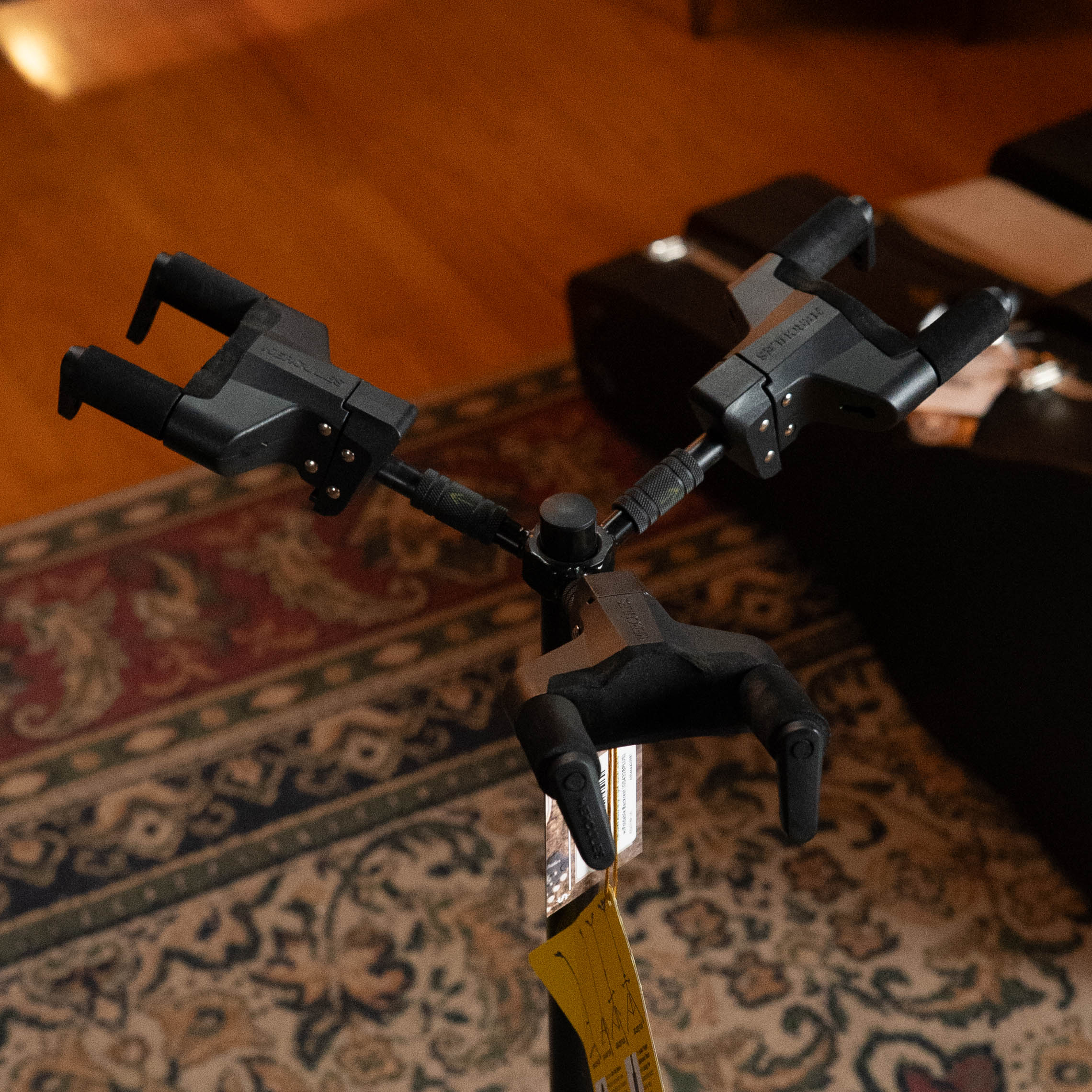
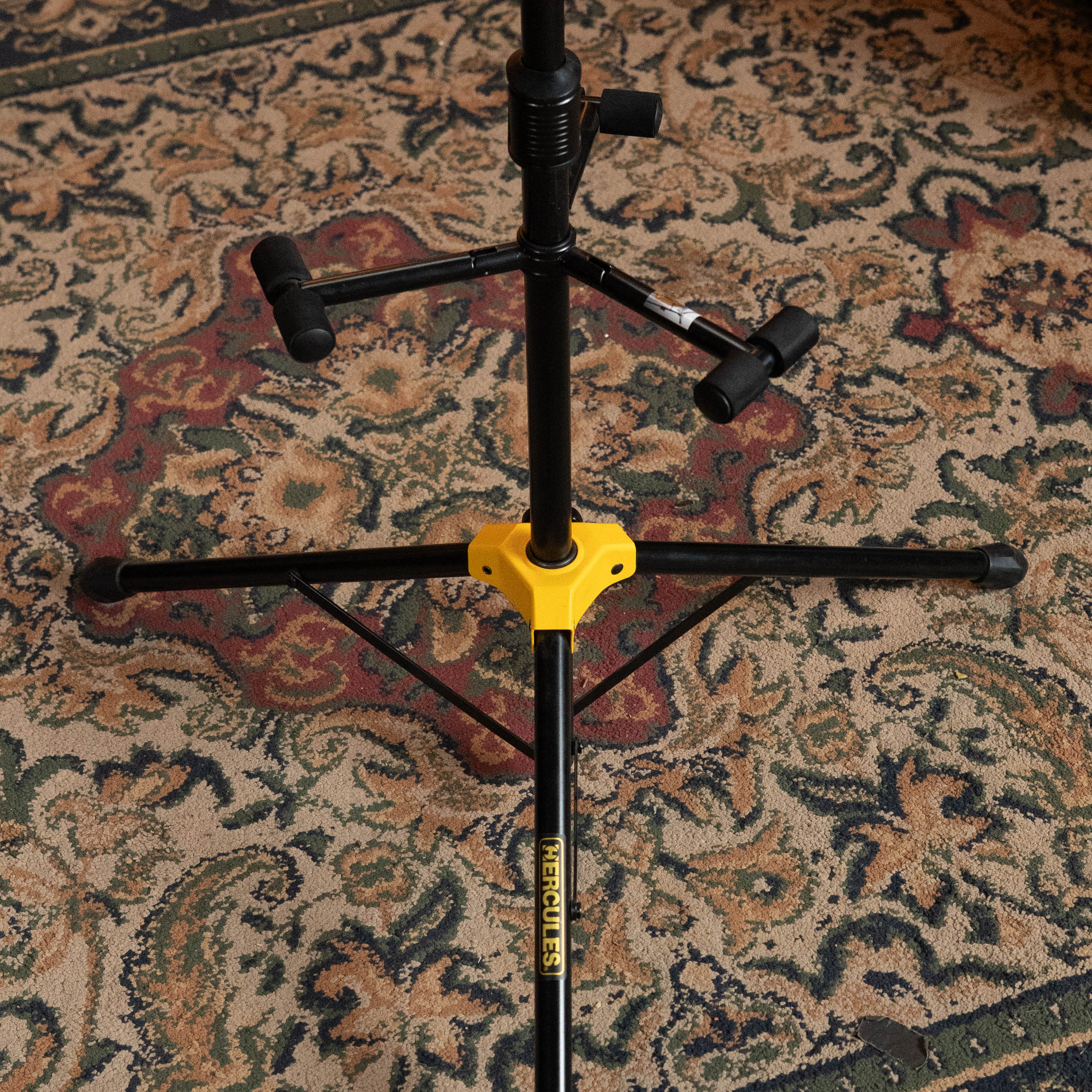
The Peterson StroboClip HDC reads to a tenth of a cent, which matters most when a capo is on and the intonation is already compromised. The LR Baggs Venue DI puts preamp, EQ, notch filter, boost, tuner, and a transformer-isolated output in one pedal - one box standing between the guitar and a house system nobody in the band controls. Hercules Auto Grip stands close on the neck under the instrument's own weight, so a guitar cannot be knocked out of the yoke; the single, double, and triple all use the same mechanism. D'Addario XS coated phosphor bronze in medium buys weeks of fresh tone under hot lights, and a String Swing oak hanger keeps the banjo or mandolin off the floor between sets. The banjo-side pieces all live in Banjo Accessories.

Watch Mo Pitney
"Old Home Place" — for J.D. Crowe
"Country" — the debut single
"Clean Up On Aisle Five"