

Taylor 200 Series
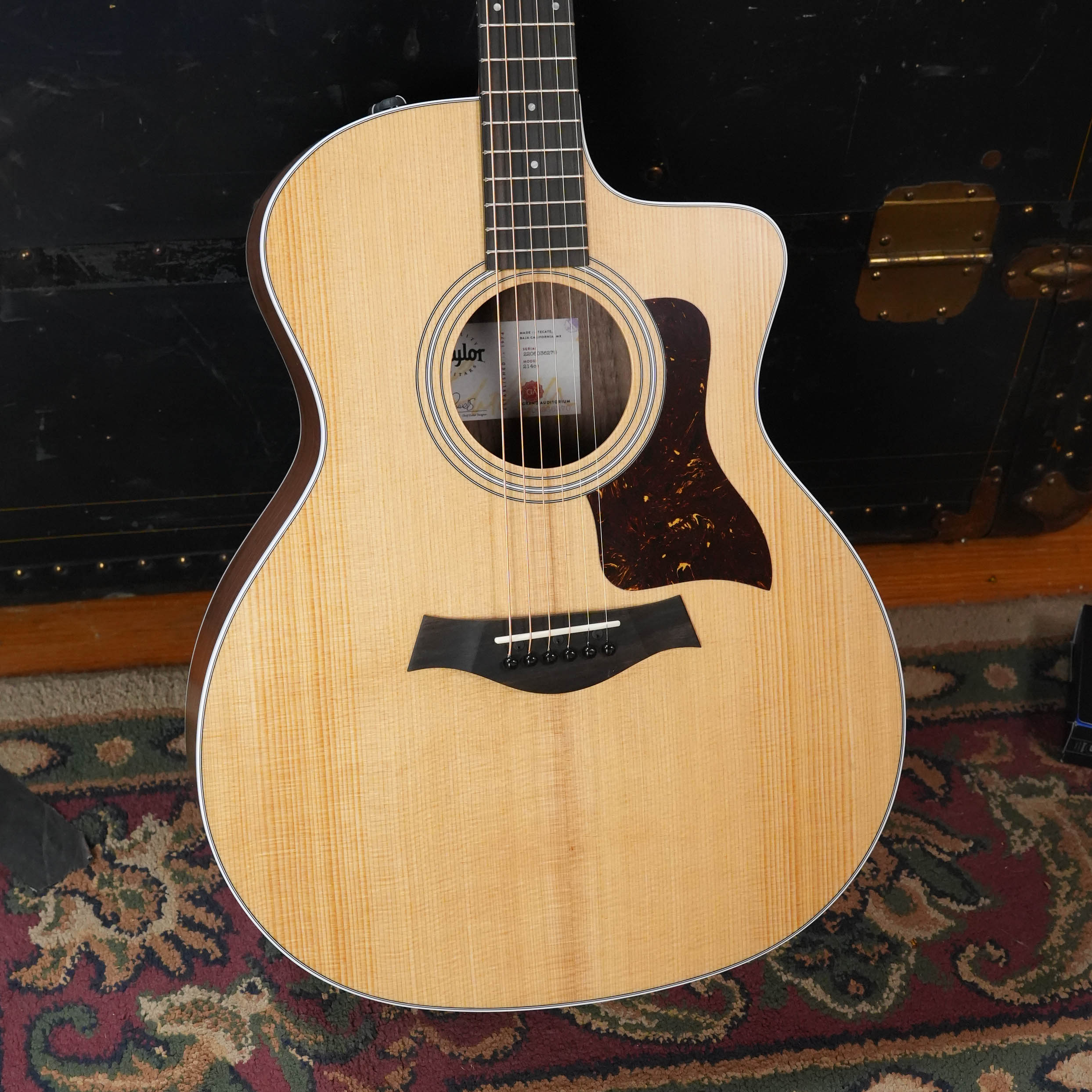
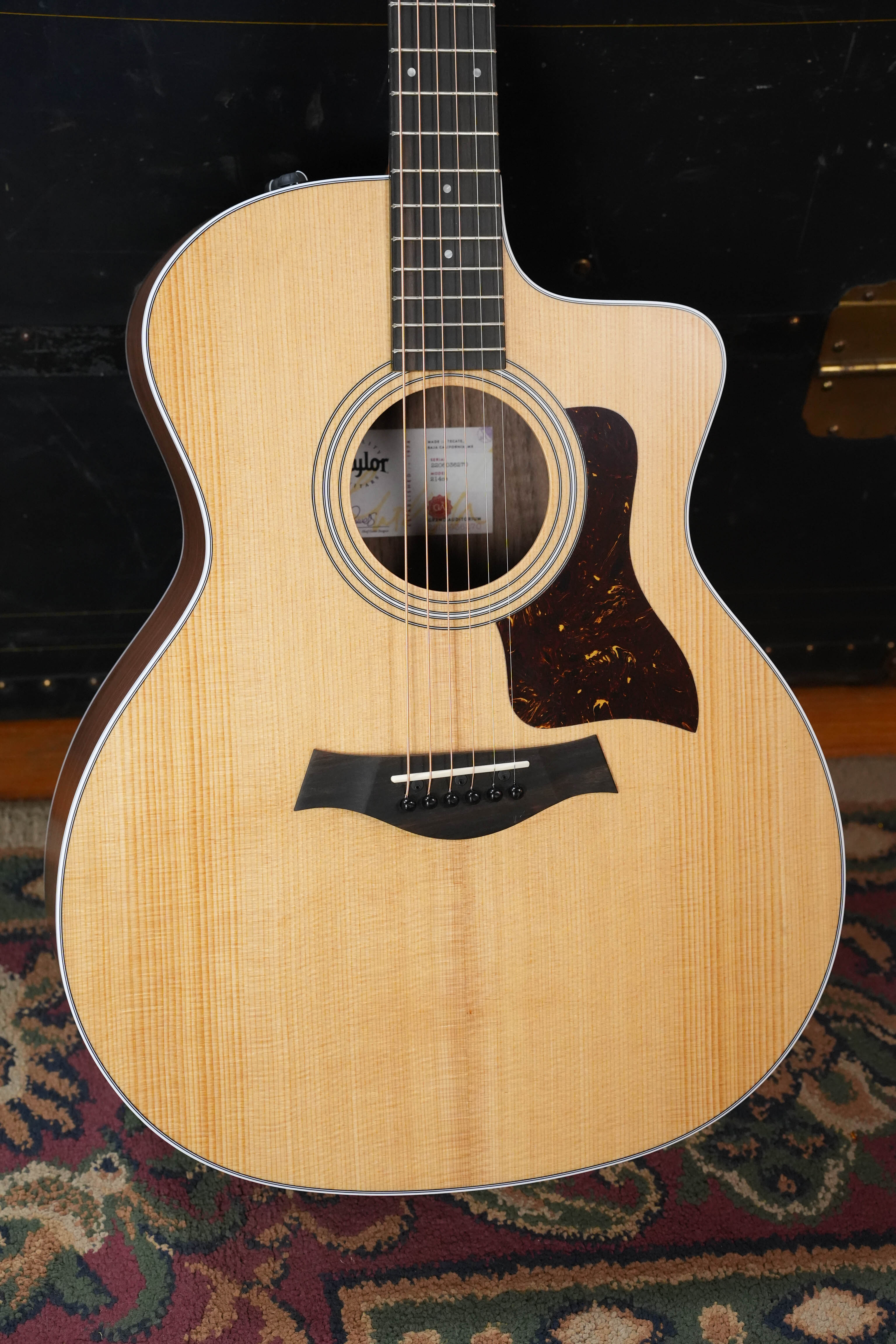
At $999, the Taylor 214ce is the most affordable guitar in the entire Taylor catalog that still ships with Expression System 2, the same three-sensor pickup system found across most of the line above it. Every guitar in the 200 Series is built on Taylor's C-Class Bracing, the traditional internal bracing pattern the company relied on before V-Class existed — not the patented V-Class geometry that starts two tiers up at the 300 Series. That's a real distinction worth being upfront about: C-Class doesn't carry V-Class's extended sustain or true...
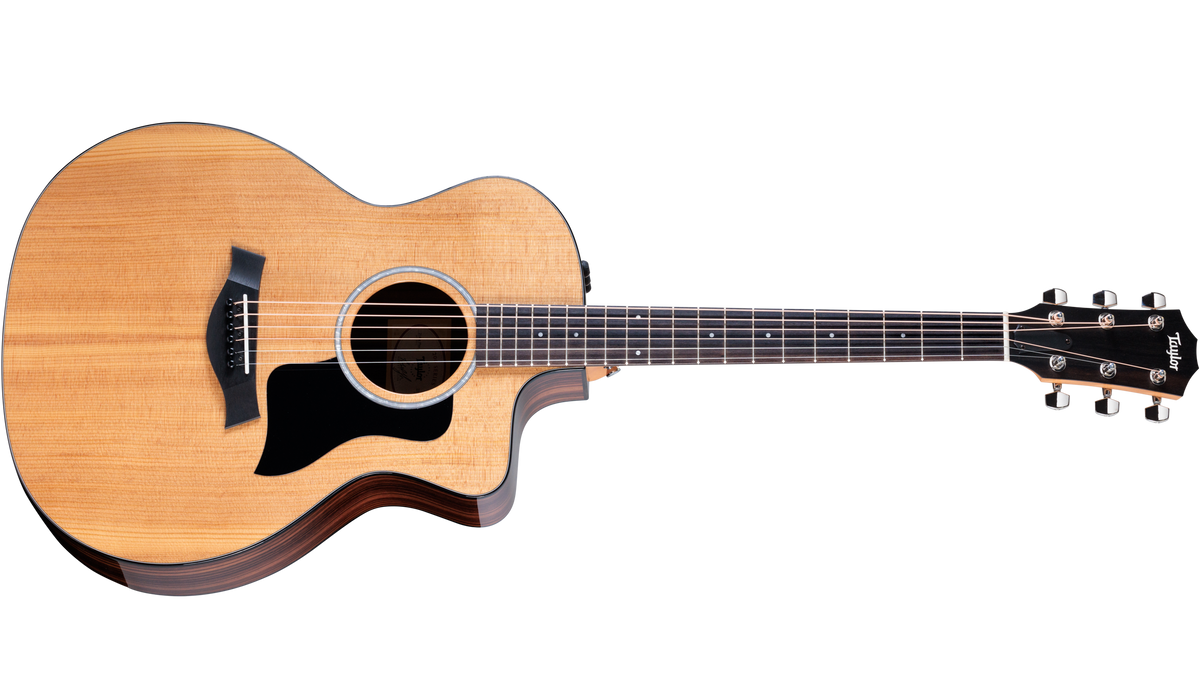
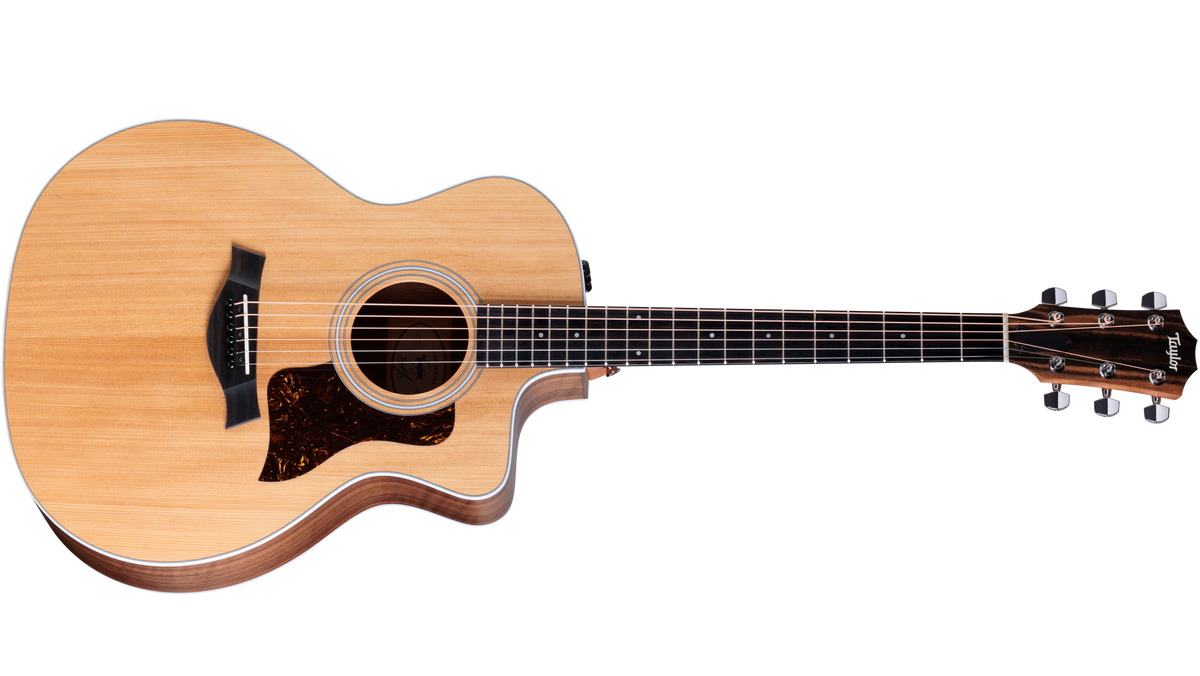
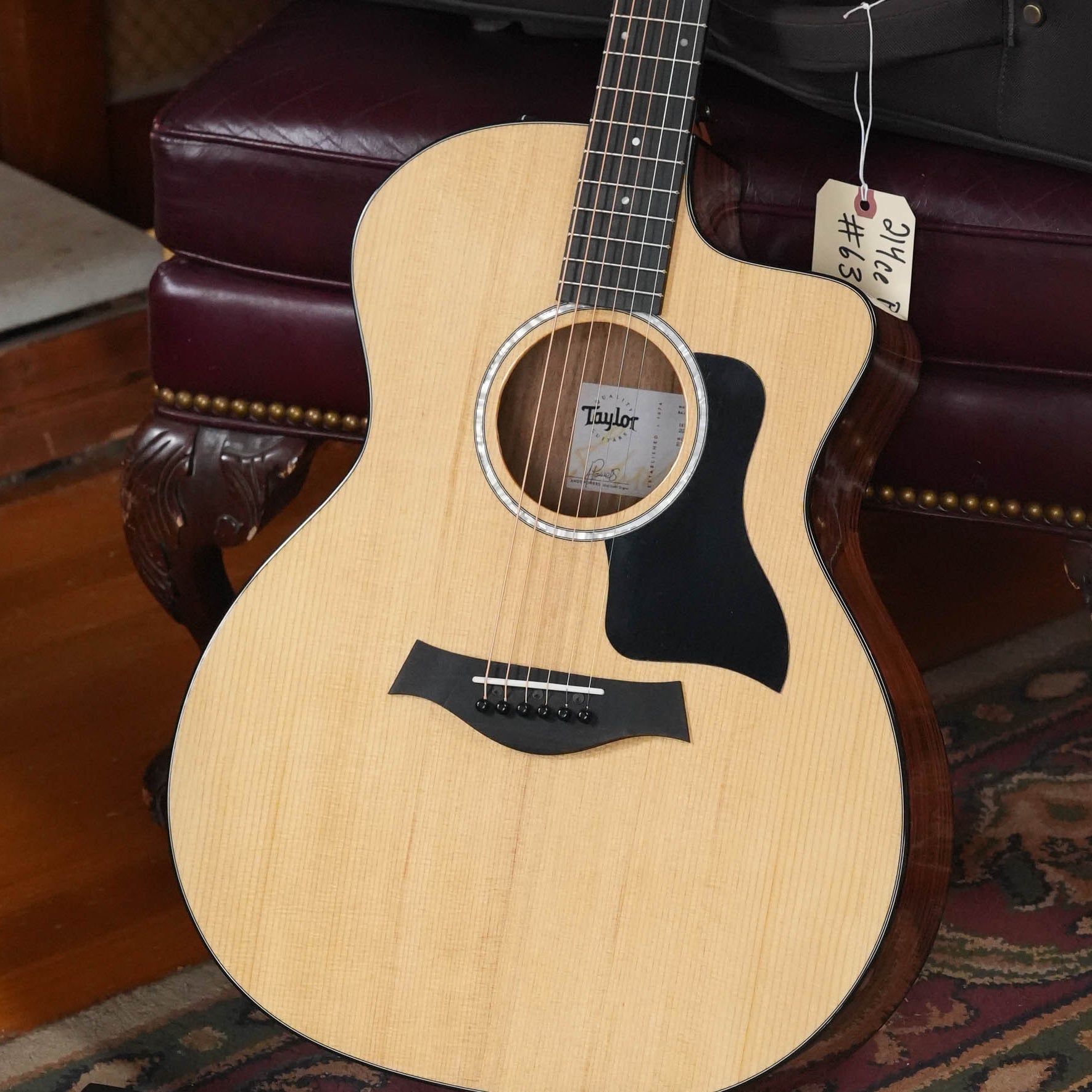
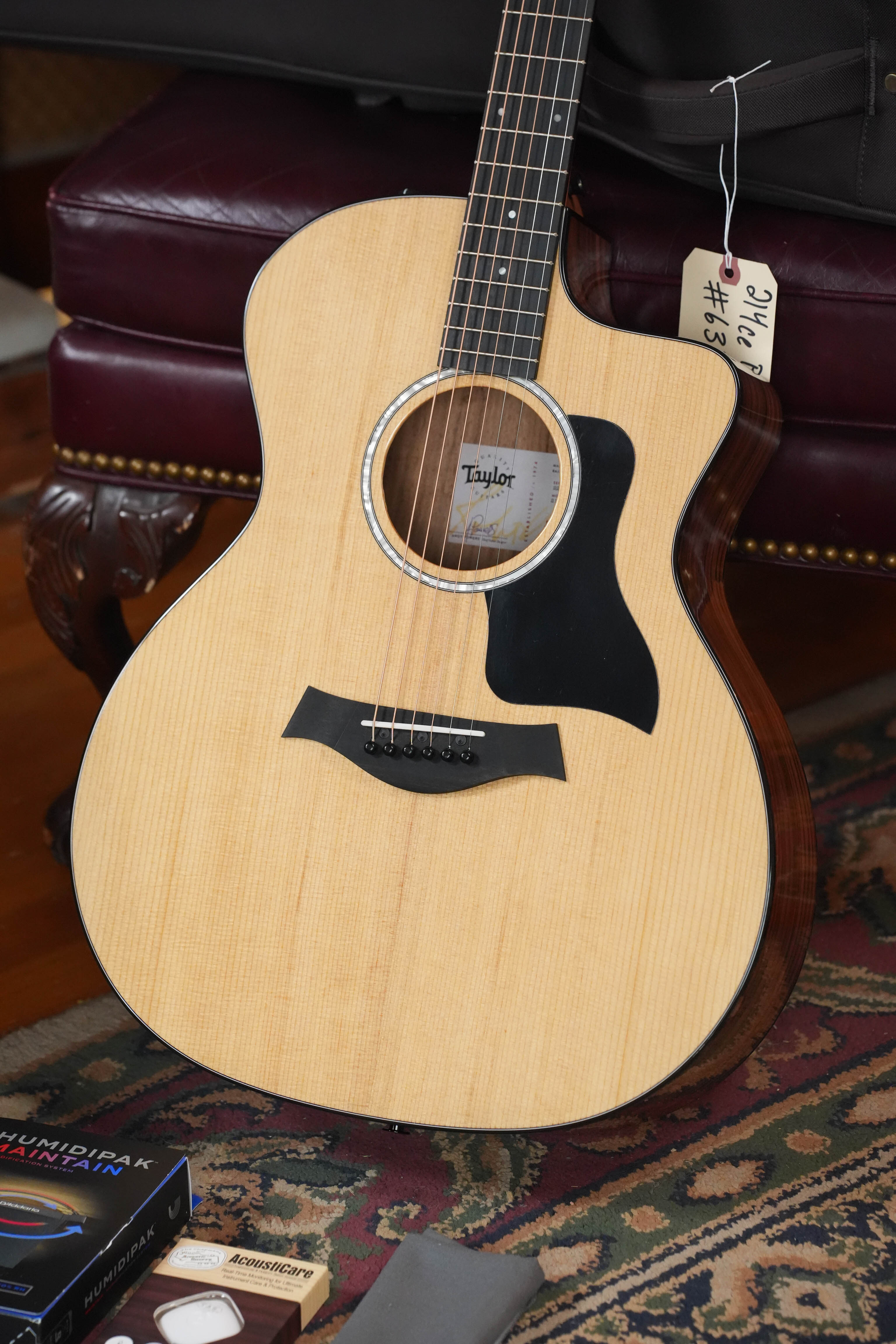
At $999, the Taylor 214ce is the most affordable guitar in the entire Taylor catalog that still ships with Expression System 2, the same three-sensor pickup system found across most of the line above it. Every guitar in the 200 Series is built on Taylor's C-Class Bracing, the traditional internal bracing pattern the company relied on before V-Class existed — not the patented V-Class geometry that starts two tiers up at the 300 Series. That's a real distinction worth being upfront about: C-Class doesn't carry V-Class's extended sustain or true up-the-neck intonation, and the 200 Series isn't positioned to compete with a 300-and-up Taylor on those terms. What it delivers instead is genuine Taylor fit, finish, and playability at the most accessible price point in the line.
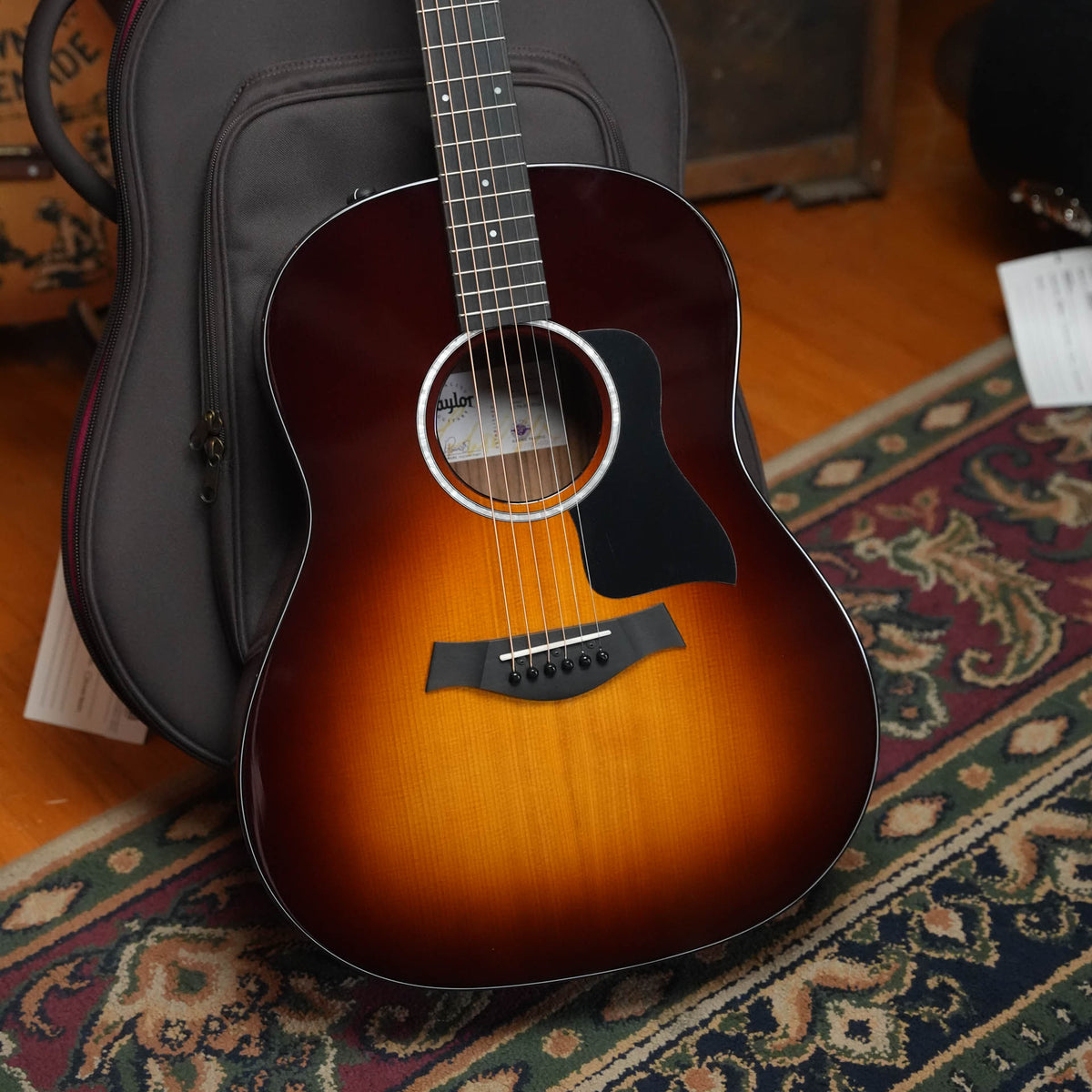
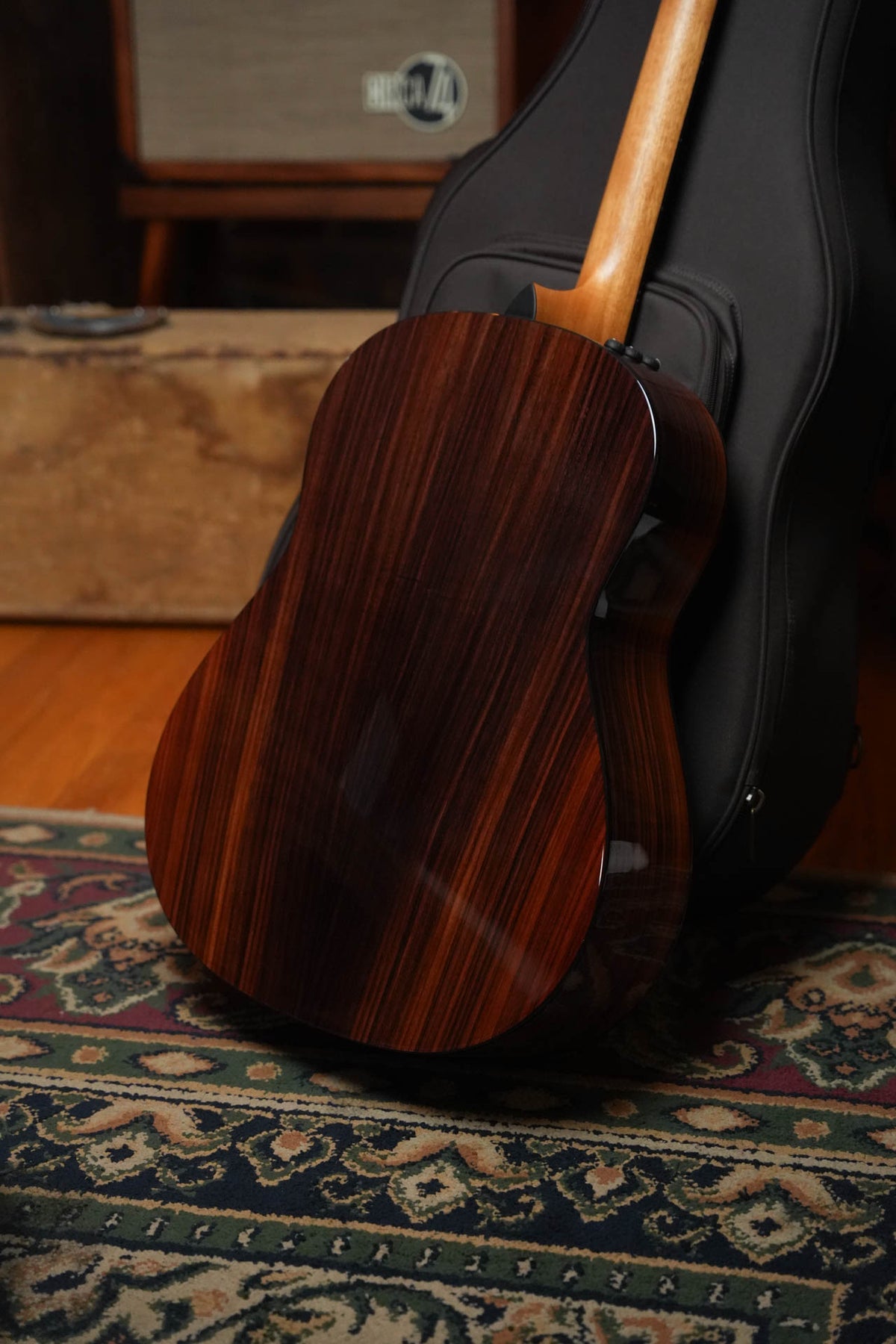
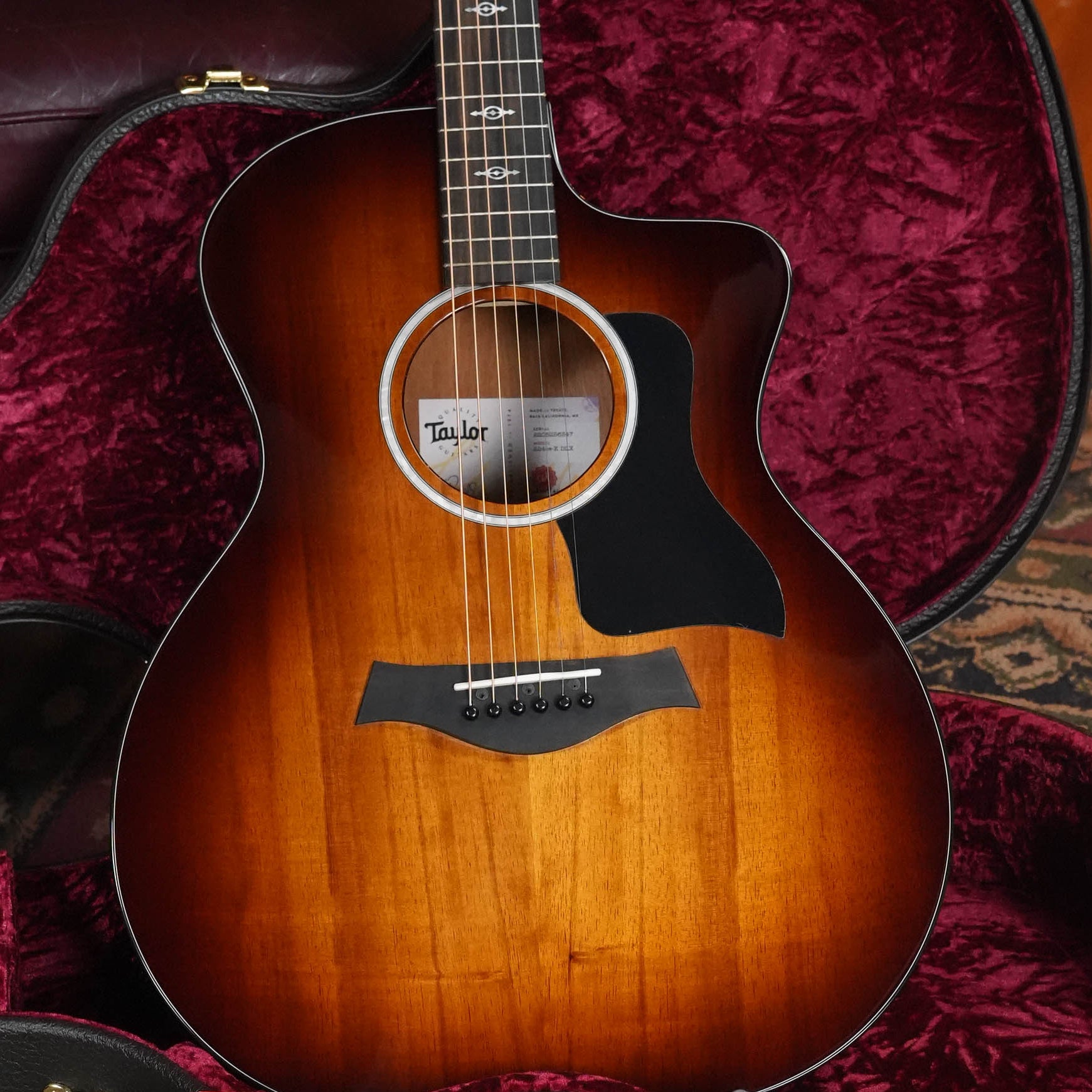
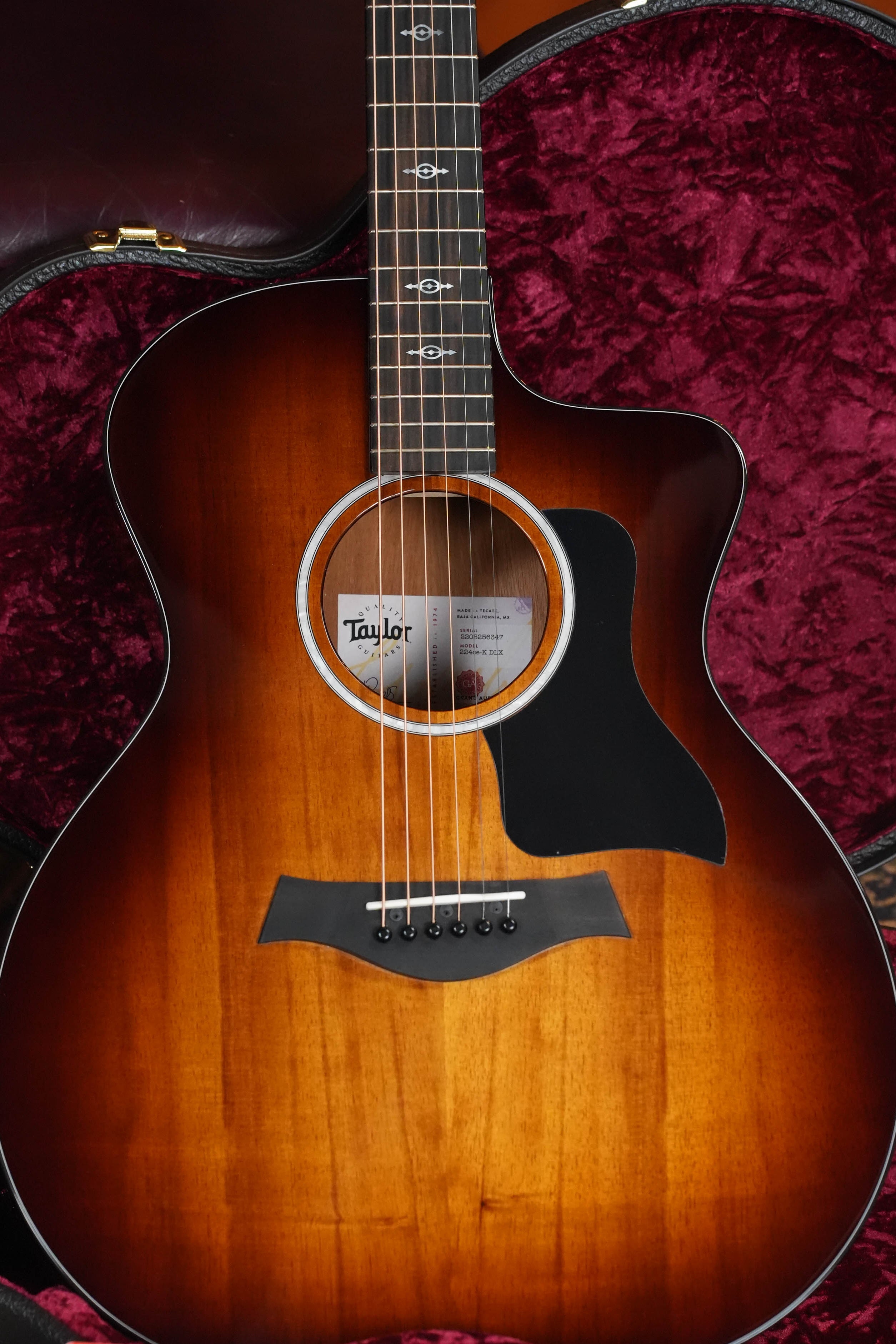
Four models split the series by body shape and tonewood. The 214ce ($999) and 214ce Plus ($1,399) share a Grand Auditorium body in walnut and Indian rosewood back and sides respectively. The 217e Plus ($1,399) keeps that same spruce-over-Indian-rosewood pairing but moves to the deeper, round-shouldered Grand Pacific body in a sunburst finish, without a cutaway. The 224ce-K DLX ($1,999) tops the line with an all-Hawaiian-koa build and Taylor's deluxe appointment package.
Reading the wall: every model here starts with 2
That first digit means layered walnut back and sides — or Hawaiian koa in the K models. The second digit tells you strings and top wood; the third is the body shape.
Decode the full number →


Filters
6 products