
Table of Contents
Why Does Construction Matter When Finding the Perfect Mandolin?
Understanding what makes a great mandolin is the first step in moving from a beginner instrument to a "forever" mandolin that truly sings. At The Acoustic Shoppe, we believe that greatness isn't just about the brand on the headstock; it is the result of specific luthier choices regarding wood graduation, internal architecture, and finish. When these elements align, you get an instrument with a "chop" that cuts through a bluegrass band and a sweet, lingering sustain for solo melodies.
Our main Mandolin collection page
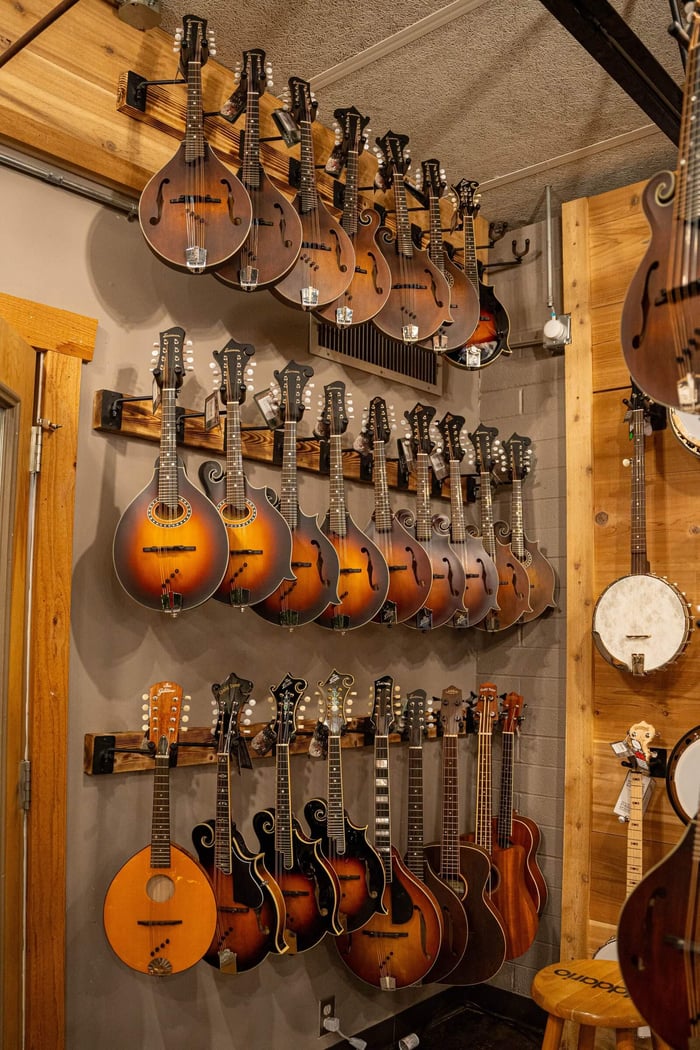
How Do Carved Tops Influence Tonal Quality?
The most significant factor in what makes a great mandolin is a carved top. Unlike entry-level instruments that use pressed plywood, a great mandolin features a solid piece of spruce, meticulously carved to specific thicknesses. This allows the top to be stiff enough to handle string tension but flexible enough to vibrate with every pick stroke. Why Tonewood Matters: The Secret to Your Guitar's Sound
What Is the Role of Tonebar vs. X-Bracing?
Inside the body, the bracing acts as the "suspension" of the mandolin.
Tonebar Bracing: Two parallel bars that emphasize the midrange and provide a quick, percussive decay—essential for that classic bluegrass "bark."
X-Bracing: Two braces that cross, allowing for a more modern, balanced sound with significantly more sustain.
Should You Choose an F-Style or an A-Style?
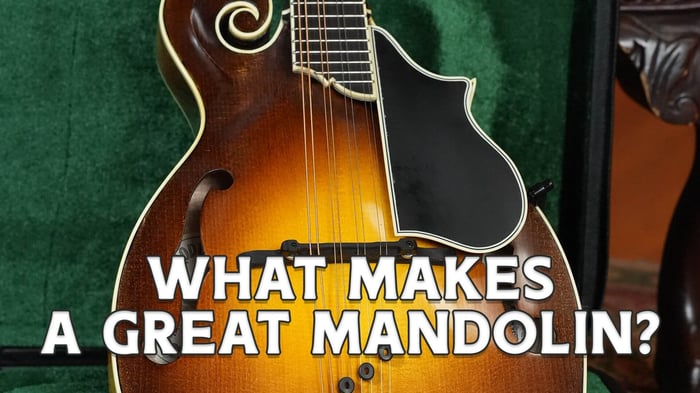
Choosing between the two body styles is one of the biggest decisions in discovering what makes a great mandolin for your specific playing style. The F-style, with its iconic scroll and points, isn't just a masterpiece of craftsmanship—it’s a tonal powerhouse. The added mass of the wood and the slight increase in the internal air chamber contribute to a tighter low-end and the sharp, cutting projection needed to stand out on a stage next to a loud banjo or fiddle.
On the other hand, the sleek A-style tends to deliver a warmer, mellower, and more rounded tone in the lower mids. Because they don't require the immense labor of hand-carving a scroll, an A-style is an incredible way to get professional, elite sound quality at a more accessible price point. For many players, especially those seeking a sweeter, warmer voice, an A-style is exactly what makes a great mandolin perfect for their needs.
Eastman Mandolins
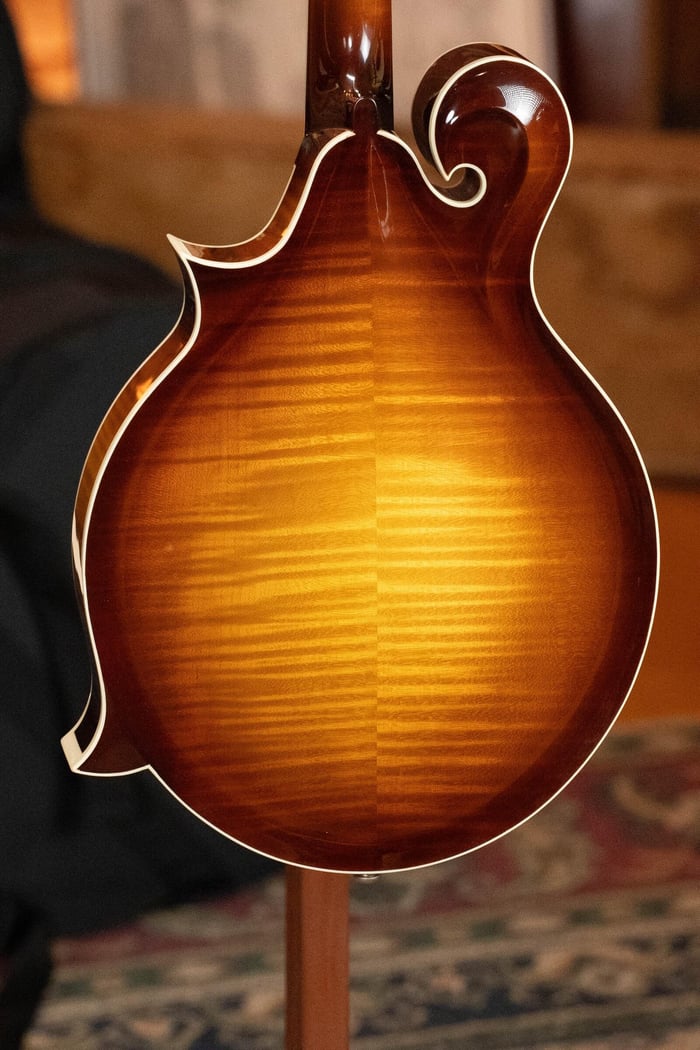
How Does the Finish Impact the Sound?
The finish is the "skin" of the instrument, and it must be thin enough to let the wood breathe. How to Care for an All-Solid Guitar: The Ultimate Maintenance Guide
| Finish Type | Characteristics | Impact on Sound |
| Nitrocellulose | Durable, high-gloss | Provides a bright, crisp "modern" attack. |
| Varnish | Thin, flexible, organic | Often found on master-grade builds; offers a "broken-in," woody tone. |
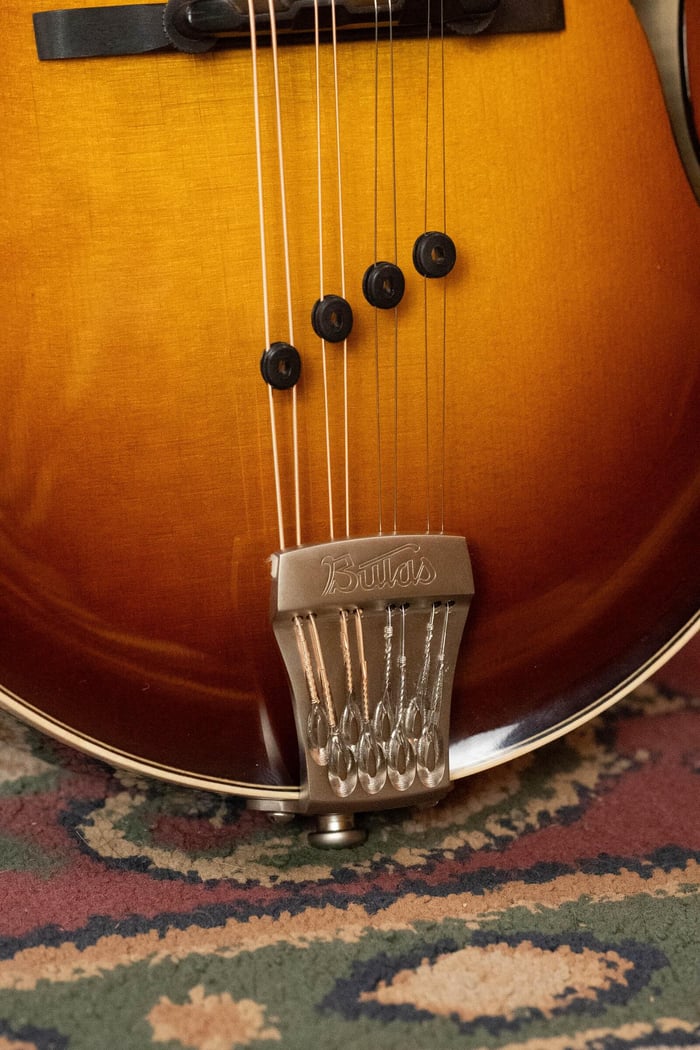 Why Is a Cast Tailpiece a Sign of Quality?
Standard pressed-metal tailpieces can rattle or bend over time. A solid cast tailpiece adds mass to the instrument's base, which helps transfer string energy into the bridge more efficiently, resulting in better sustain and a more stable tuning experience. Shop Bulas Mandolins
What Other Construction Details Should You Look For?
Beyond the body, look for a radiused fretboard for comfort and high-quality tuning machines like Gotoh or Waverly. These small details are often the final indicators of what makes a great mandolin truly professional-grade. Bourgeois Mandolins
Frequently Asked Questions about what makes a great mandolin
Does a scroll affect the sound of a mandolin? Absolutely. While you might sometimes hear that the scroll is purely aesthetic, our extensive experience—and our blind shootout tests—tell a different story. The added mass from the scroll and points, along with a small increase in the air chamber, gives F-style mandolins a sharper projection, enhanced clarity, and better note separation. By contrast, A-style mandolins generally produce a warmer, more bottom-heavy tone. You can hear this difference for yourself in our A-Style vs F-Style Shootout Video.
What is the best wood for a mandolin top? Adirondack or Sitka Spruce are the gold standards. Adirondack offers more "headroom" for loud playing, while Sitka is known for its warm, balanced response.
Ready to Find Your Great Mandolin?
Now that you understand what makes a great mandolin, it’s time to play one for yourself. Whether you need the power of an F-style bluegrass machine or the elegance of an A-style, our team is here to help you find the instrument that speaks to you. Explore our full collection of world-class mandolins today. [Link to our main Mandolin collection page]
Acoustic Shoppe FAQ
Does a scroll affect the sound of a mandolin?
Absolutely. While you might sometimes hear that the scroll is purely aesthetic, our extensive experience—and our blind shootout tests—tell a different story. The added mass from the scroll and points, along with a small increase in the air chamber volume, gives F-style mandolins tighter low-end, sharper projection, enhanced clarity, and better note separation. This "bite" is essential for traditional bluegrass projection. By contrast, A-style mandolins generally produce a warmer, more bottom-heavy tone. You can hear this difference for yourself in our A-Style vs F-Style Shootout Video.
What is the best entry-level mandolin for a beginner?
While we traditionally advise beginners to look for solid, carved tops for versatility, we have a specific new recommendation that perfectly balances cost and quality. The new Eastman PCH Mandolin series has completely redefined what makes a great mandolin accessible for new players. These instruments feature a solid spruce top—the foundational element for good tone and projection—paired with durable laminated back and sides. This combination provides the correct tonal response needed to learn proper picking technique, allowing beginners to experience the "bark" and sustain of a high-quality instrument at a budget-friendly price point.
What is the difference between F-holes and an Oval hole?
This choice determines how the sound projects from the body. Mandolins with F-holes focus the sound forward in a narrow beam, making them incredibly loud and "punchy" to people standing in front of you. Mandolins with an Oval hole allow the sound to escape differently, providing a warmer, fuller, and less percussive sound that is easier for the player to hear clearly. This makes Oval holes excellent for solo practice, small jam sessions, or folk styles.
Why is a cast tailpiece considered a sign of quality?
The tailpiece is a critical connection point for string energy. Standard "pressed-metal" tailpieces can rattle, bend, or require fussy metal covers that get lost. A solid cast tailpiece adds significant mass to the base of the instrument. This extra weight helps transfer string energy directly to the bridge and top, resulting in improved sustain, a clearer harmonic response, and greater tuning stability. It is one of the key "hidden" components of what makes a great mandolin.
How does a radiused fretboard impact playability?
Most historical mandolins feature a completely flat fretboard. However, many modern builders incorporate a subtle curve, or "radius," to the fingerboard surface. This curve follows the natural ergonomic shape of your fingers, making it significantly more comfortable to barre chords or sustain long melody lines, especially for guitar players. When considering what makes a great mandolin feel effortless to play, a radiused fretboard is a major factor. This ergonomic feature is a standard specification on the exquisitely crafted Bourgeois Mandolins that we proudly stock, ensuring maximum player comfort and precision.