


Table of Contents
- Learning to care for your guitar is a fundamental responsibility for any owner of an acoustic instrument.
- Why Does Solid Wood Require Special Attention?
- What Is the Ideal Humidity for an All-Solid Guitar?
- Should I Keep My Guitar in the Case?
- How Often Should I Clean and Condition My Guitar?
- What Role Does Temperature Play in Maintenance?
- Is a Professional Setup Necessary for Longevity?
- Summary of Maintenance Requirements
- Essential Maintenance Checklist
- Why Tonewood Selection Affects Care
- Frequently Asked Questions about Guitar Care
- Conclusion: Protect Your Investment
- Acoustic Shoppe FAQ
Learning to care for your guitar is a fundamental responsibility for any owner of an acoustic instrument.
Unlike laminate or "solid top" guitars, an all-solid wood instrument is made of living, breathing timber that is highly sensitive to its environment. While these guitars offer superior resonance and a tone that improves with age, they are also prone to cracking, warping, and bridge lifting if not properly maintained. At The Acoustic Shoppe, we believe that when it comes to how to care for an All-Solid Guitar, an ounce of prevention is worth a pound of repair. By following a few simple rules, you can ensure your heirloom-quality guitar stays in peak playing condition for decades.
 Why Does Solid Wood Require Special Attention?
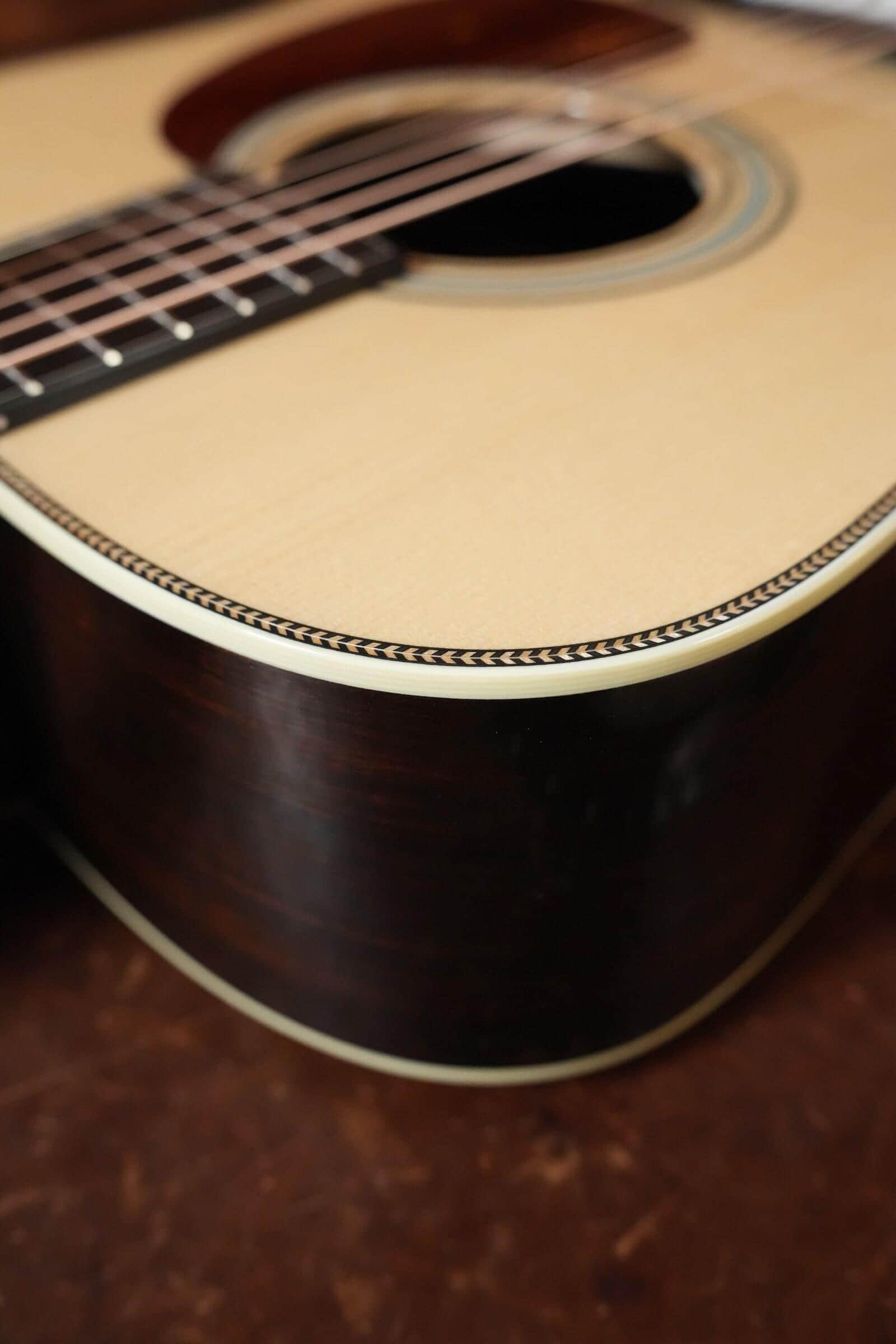
When you invest in an all-solid guitar—meaning the top, back, and sides are made of solid slices of tonewood rather than layers—you are buying an instrument that reacts to the world around it. At The Acoustic Shoppe, we often see beautiful instruments come in for repair simply because the owner didn't realize how much the air quality affects the wood. Solid wood expands and contracts far more than laminate. Understanding how to care for an all-solid guitar means understanding that your instrument is essentially a sponge that needs the right amount of moisture to maintain its structural integrity and tonal brilliance.
What Is the Ideal Humidity for an All-Solid Guitar?
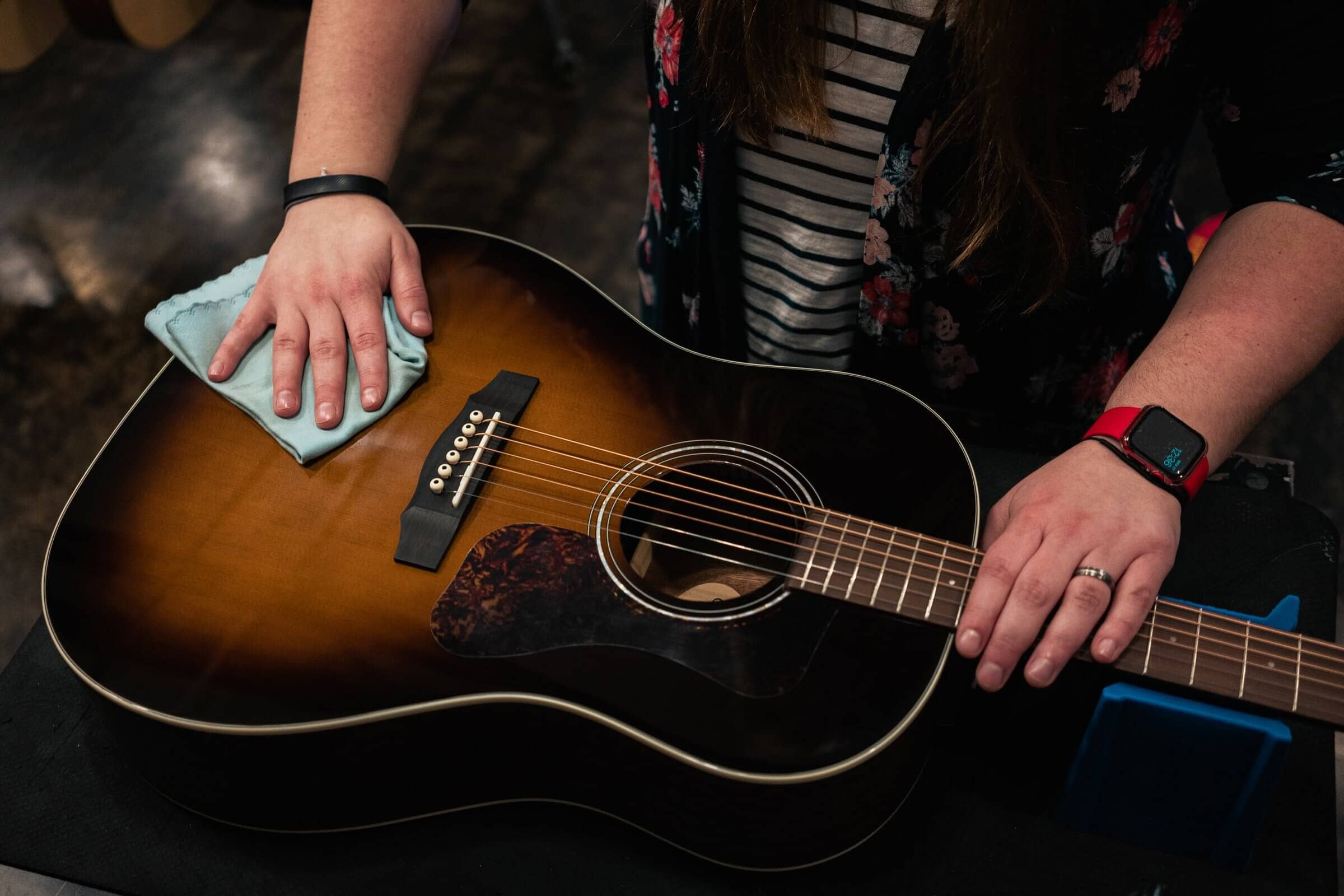
The single most important factor in caring for an all-solid guitar is humidity control. Wood is hygroscopic, meaning it absorbs and releases moisture based on the air around it. The "Goldilocks zone" for acoustic guitars is between 45% and 55% relative humidity. If the air is too dry, the wood shrinks, leading to "fret sprout" (where fret ends feel sharp) or catastrophic top cracks. If it’s too humid, the wood swells, causing high action and a "tubby" sound.
To manage this properly, you must use tools designed for the job. AcoustiCare Bluetooth Humidity and Temperature Tracker Always keep a digital hygrometer in your case to monitor these levels, especially during seasonal transitions when your home heating or cooling systems are running most frequently.
Should I Keep My Guitar in the Case?
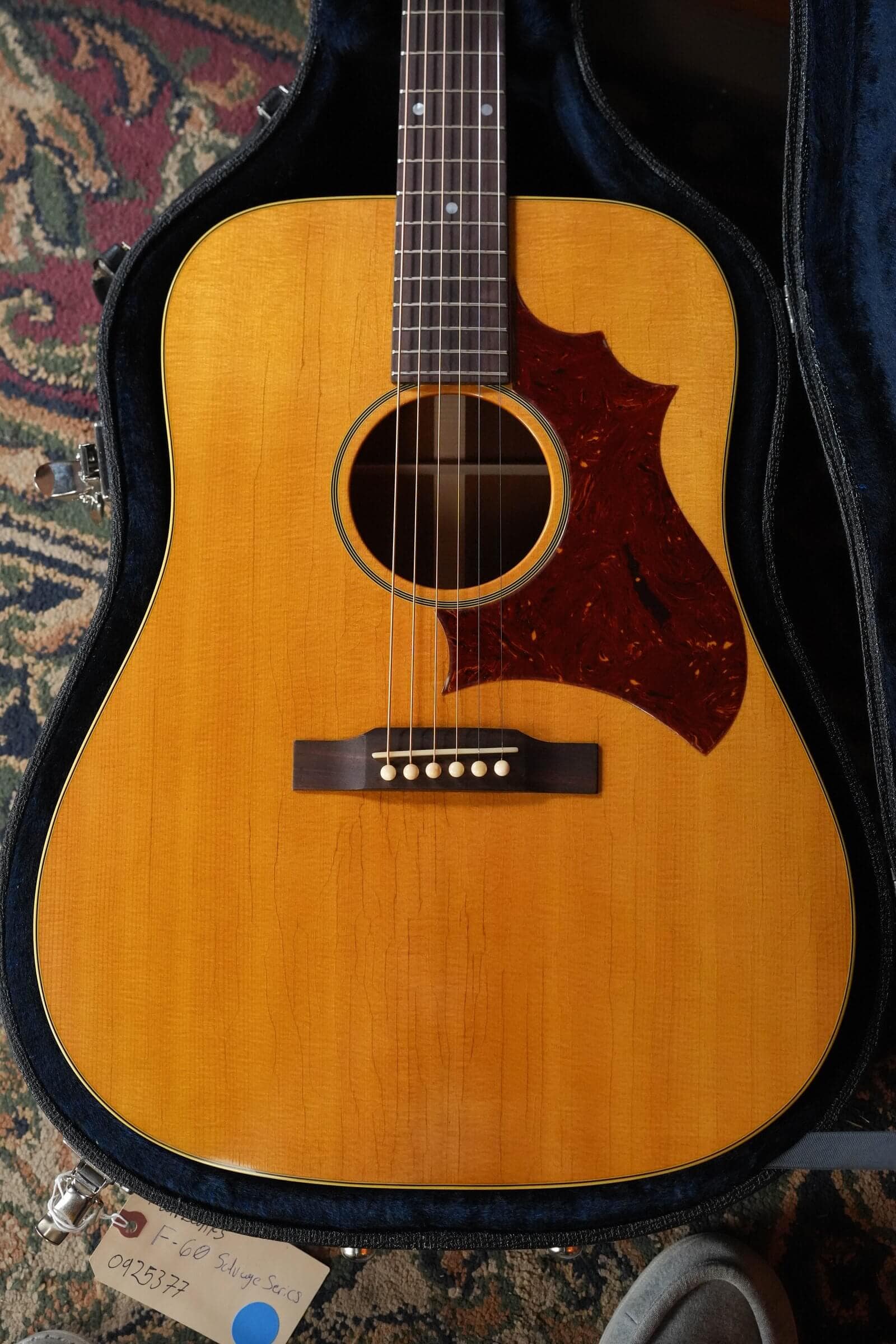
While it is tempting to keep your beautiful instrument on a wall hanger to show off its grain, the safest place for an all-solid guitar is in its hardshell case. A high-quality case acts as a micro-climate, buffering the instrument against rapid temperature swings and making it much easier to humidify during the winter months. Guitar Case collection page
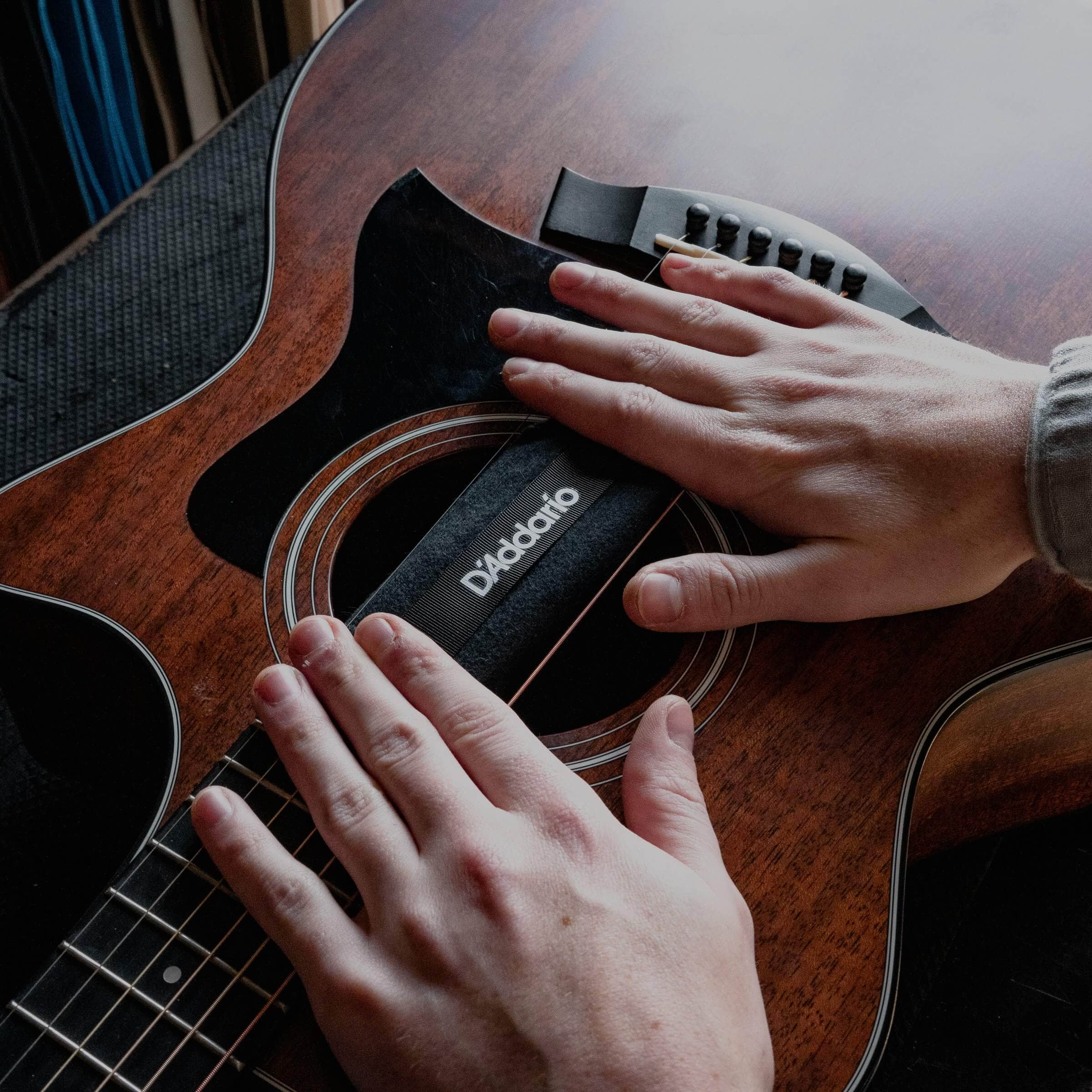
If you must leave it out, ensure the room itself is humidity-controlled and the guitar is kept away from heat vents, radiators, or direct sunlight. Direct UV rays and localized heat can dry out the wood rapidly, causing the finish to "check" or the glue joints to fail. For those living in particularly dry climates, a dedicated case humidification system is non-negotiable. D'Addario Humidipak System
How Often Should I Clean and Condition My Guitar?
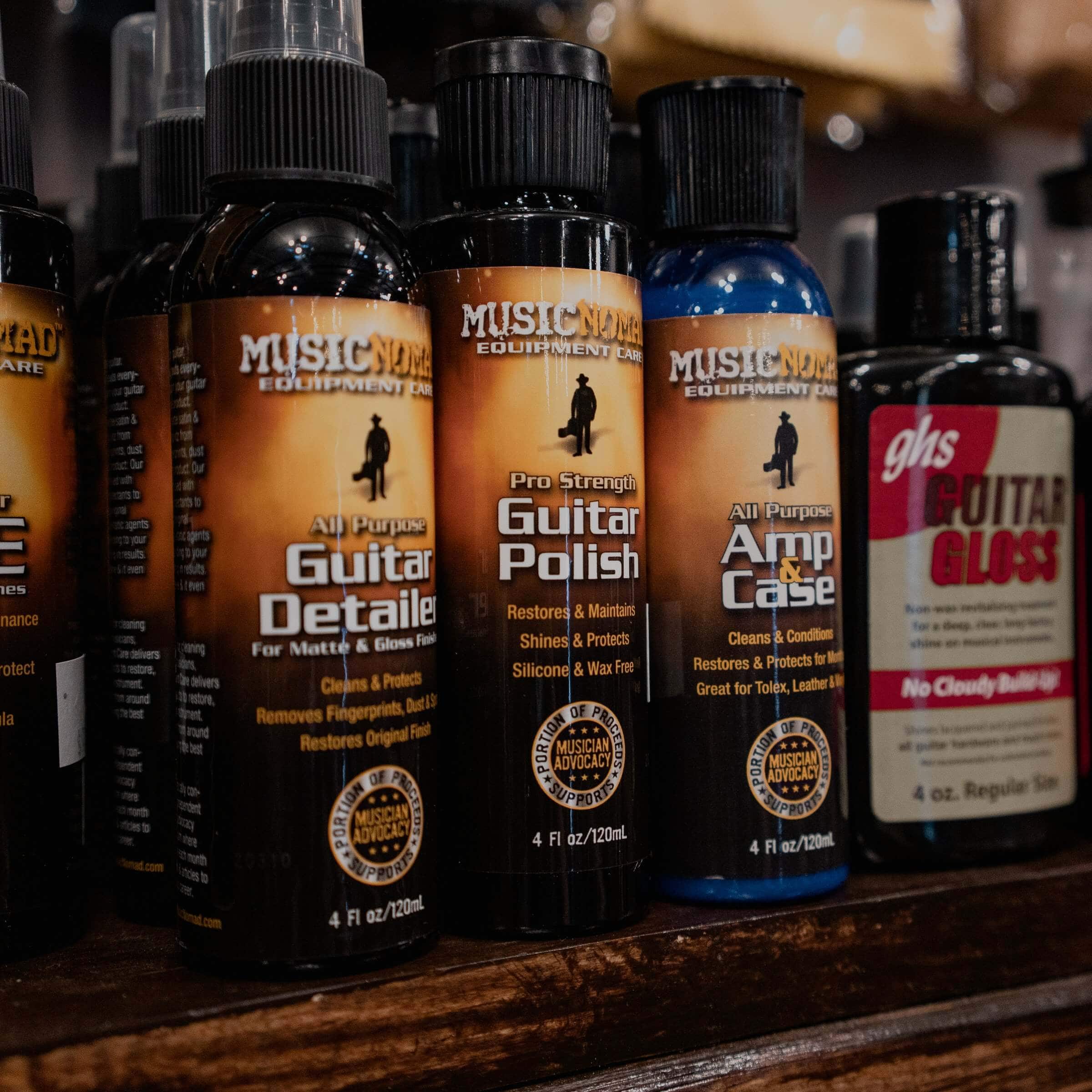
Once or twice a year, during a string change, you should apply a small amount of lemon oil or specialized fretboard conditioner to the bridge and fingerboard. These areas are typically unfinished wood (ebony or rosewood) and can become brittle and grey if they dry out. However, be careful not to over-saturate; a few drops go a long way in preserving the wood's natural oils.
What Role Does Temperature Play in Maintenance?
Many players overlook temperature when learning how to care for an all-solid guitar. Rapid changes in temperature are just as dangerous as humidity shifts. If your guitar has been in a cold car overnight, do not open the case immediately once you bring it inside. Let the case acclimate to room temperature for at least 30 to 60 minutes. Opening a cold case in a warm room can cause the finish to crack instantly (lacquer checking) due to the rapid expansion of the wood underneath.
Is a Professional Setup Necessary for Longevity?
Even if you follow every rule on how to care for an all-solid guitar, the wood will still shift slightly over time. This is why we recommend a professional setup at least once a year. A technician can adjust the truss rod to compensate for seasonal neck bows and ensure the bridge and nut are performing correctly. This not only keeps the guitar playing perfectly but also allows a pro to spot potential issues like loose internal bracing before they become expensive repairs.
 Summary of Maintenance Requirements
To keep things simple, here is a breakdown of the elements you need to monitor to keep your instrument in top shape:
Humidity: Maintain 45%–55% at all times.
Storage: Keep in the case when not in use.
Cleaning: Wipe down after every session.
Hydration: Use a two-way humidification system.
Inspection: Watch for changes in string height or fret feel.
Essential Maintenance Checklist
| Frequency | Task |
| Daily | Wipe down strings and body after playing. |
| Weekly | Check the hygrometer inside the case. |
| Monthly | Inspect for any changes in action or sharp fret ends. |
| Bi-Annually | Condition the fretboard and deep-clean the finish. |
| Seasonally | Adjust your humidification system as the weather changes. |
Why Tonewood Selection Affects Care
Different woods react differently to environmental stress. For example, a guitar with a Cedar top is softer and more prone to dings than Sitka Spruce, while Mahogany is generally very stable. Understanding the specific woods in your guitar can help you anticipate how it might react to your local climate. 'Why Tonewood Matters' The Secret To Your Guitar's Sound.
Whether you are playing a large body guitar or a smaller model, the rules of physics remain the same. 'Dreadnought vs. OM' Choosing Your Perfect Guitar Shape If you are a songwriter who travels frequently, you may need to be even more vigilant about environmental changes. Top 5 Guitars for Songwriters: Find Your Creative Voice
Frequently Asked Questions about Guitar Care
Can I use furniture polish on my guitar?
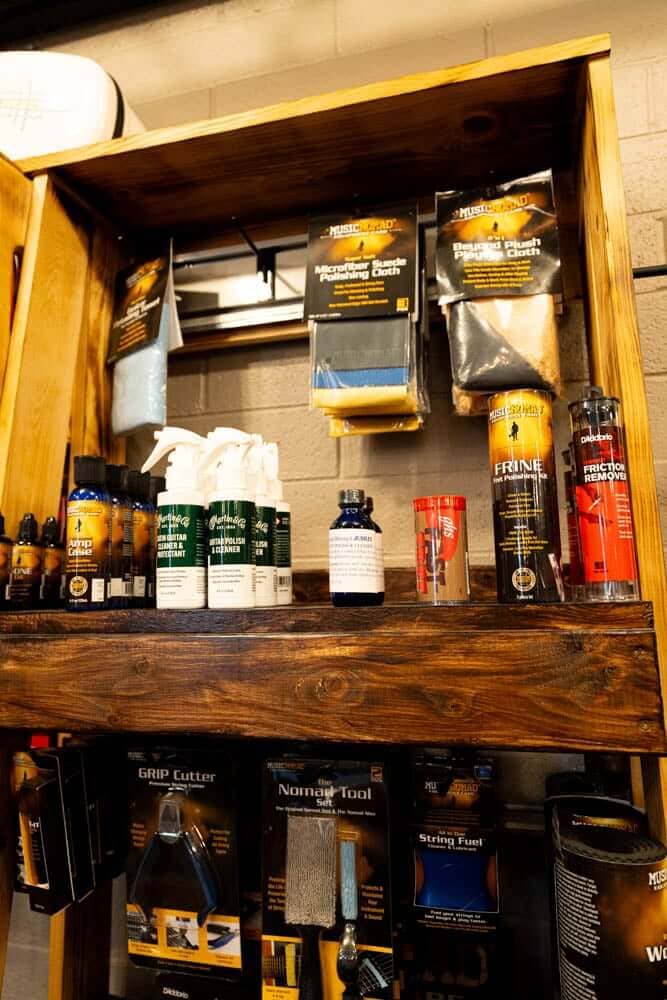
No! Furniture polish often contains silicone, which can penetrate the wood and make future finish repairs or glue-ups nearly impossible. Always use a dedicated guitar polish that is safe for nitrocellulose or poly finishes.
Is a humidipak better than a sponge humidifier?
Two-way humidity control systems are generally preferred because they can both add and remove moisture, maintaining a perfect balance automatically without the risk of "dripping" water inside your guitar.
What happens if I don't humidify my guitar?
Over time, the wood will shrink. This leads to the bridge lifting, the top sinking, and eventually, the wood cracking. These repairs are often much more expensive than the cost of a simple humidifier.
Conclusion: Protect Your Investment
Ready to give your guitar the protection it deserves? From premium cases to the best humidification systems on the market, we have everything you need to keep your instrument healthy. By mastering how to care for an all-solid guitar, you aren't just maintaining a tool; you are preserving a piece of art that will tell your story for years to come.
Shop our Guitar Care and Maintenance Collection Now!
Acoustic Shoppe FAQ
Can I use furniture polish on my guitar?
No. Furniture polish often contains silicone, which can penetrate the wood and make future finish repairs or glue-ups nearly impossible. Always use a dedicated guitar polish that is safe for your specific finish.
Is a humidipak better than a sponge humidifier?
Two-way humidity control systems are generally preferred because they automatically maintain a perfect balance by both adding and removing moisture, whereas sponges only add moisture.
What happens if I don't humidify my all-solid guitar?
Without proper humidity, the wood will eventually shrink, leading to sharp fret ends, a sunken top, or catastrophic cracks that are expensive to repair.
Should I store my guitar on a wall hanger or in its case?
While wall hangers are convenient, a hardshell case is much safer for all-solid instruments as it creates a stable micro-climate that is easier to humidify and protects against rapid temperature swings.
How do I know if my guitar is too dry?
Common symptoms of low humidity include "fret sprout" (where the metal fret ends feel sharp along the edge of the neck), a dipping top, or a noticeable change in string action.