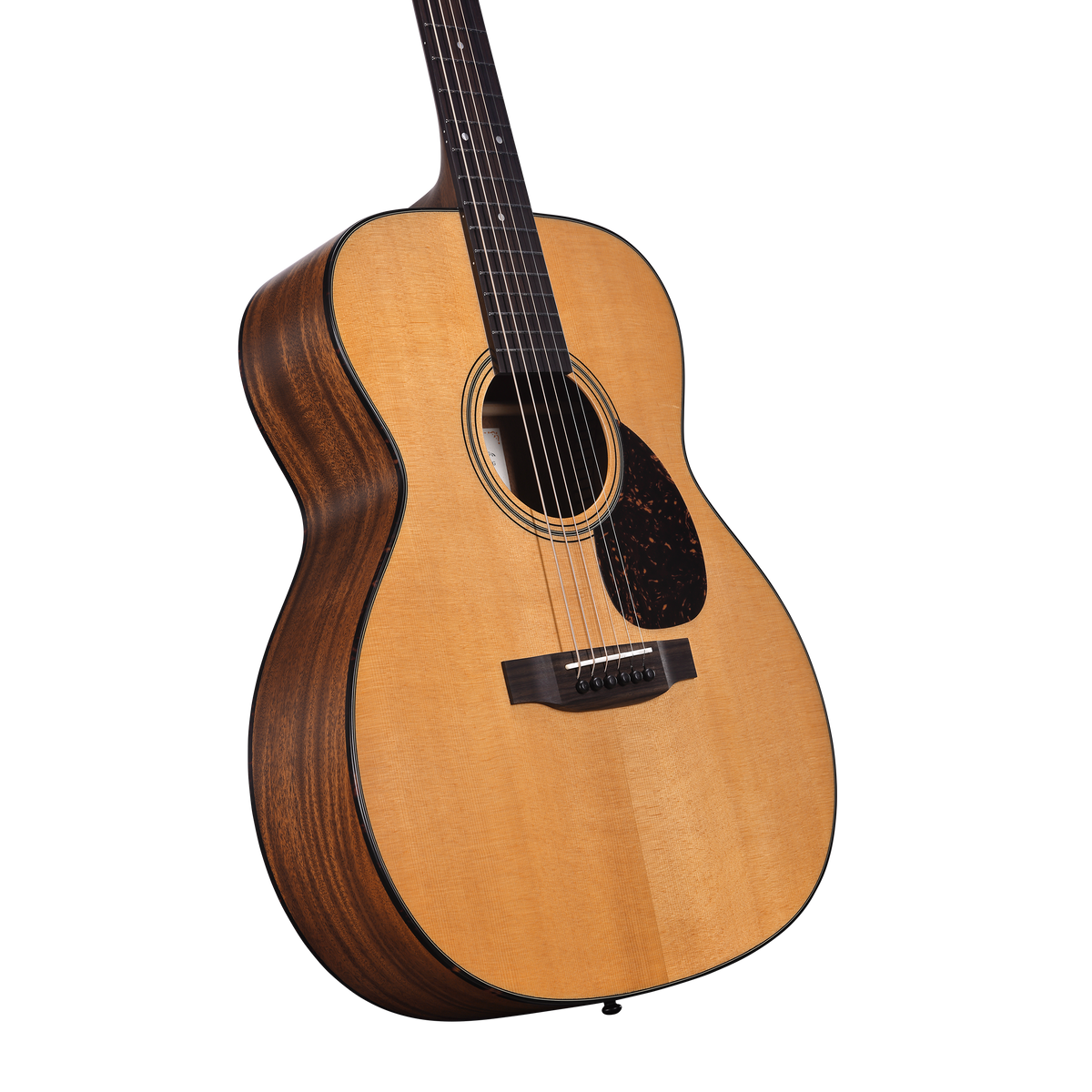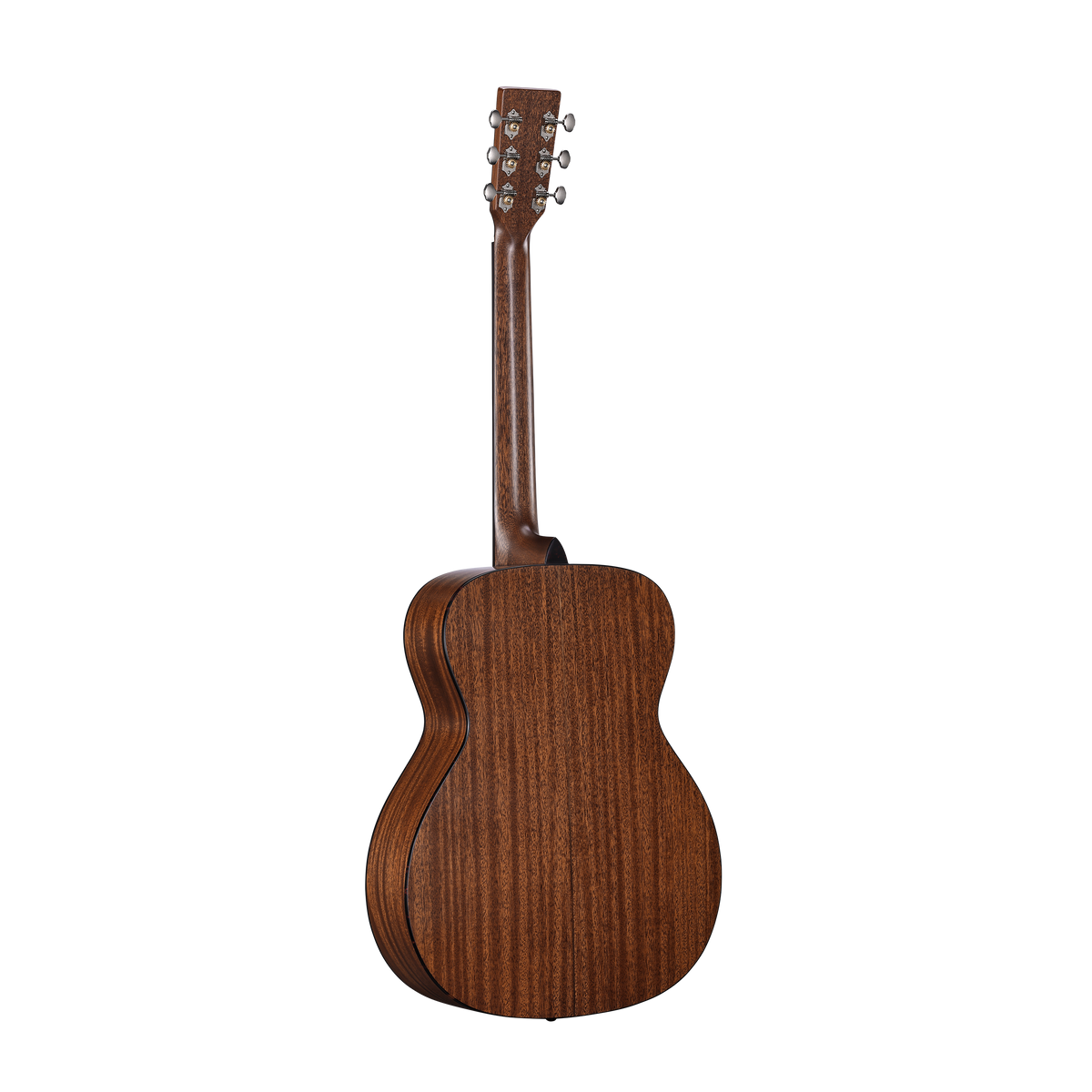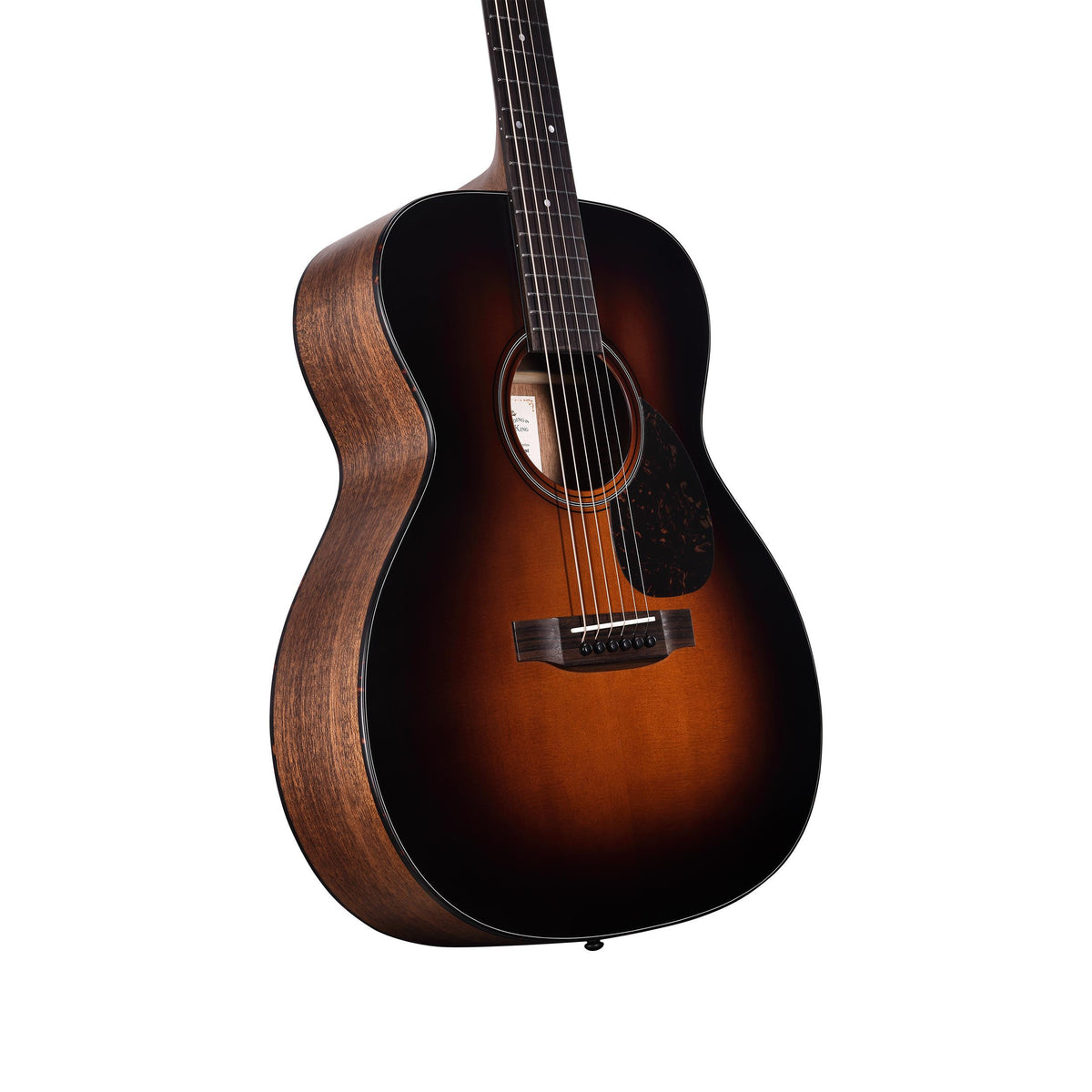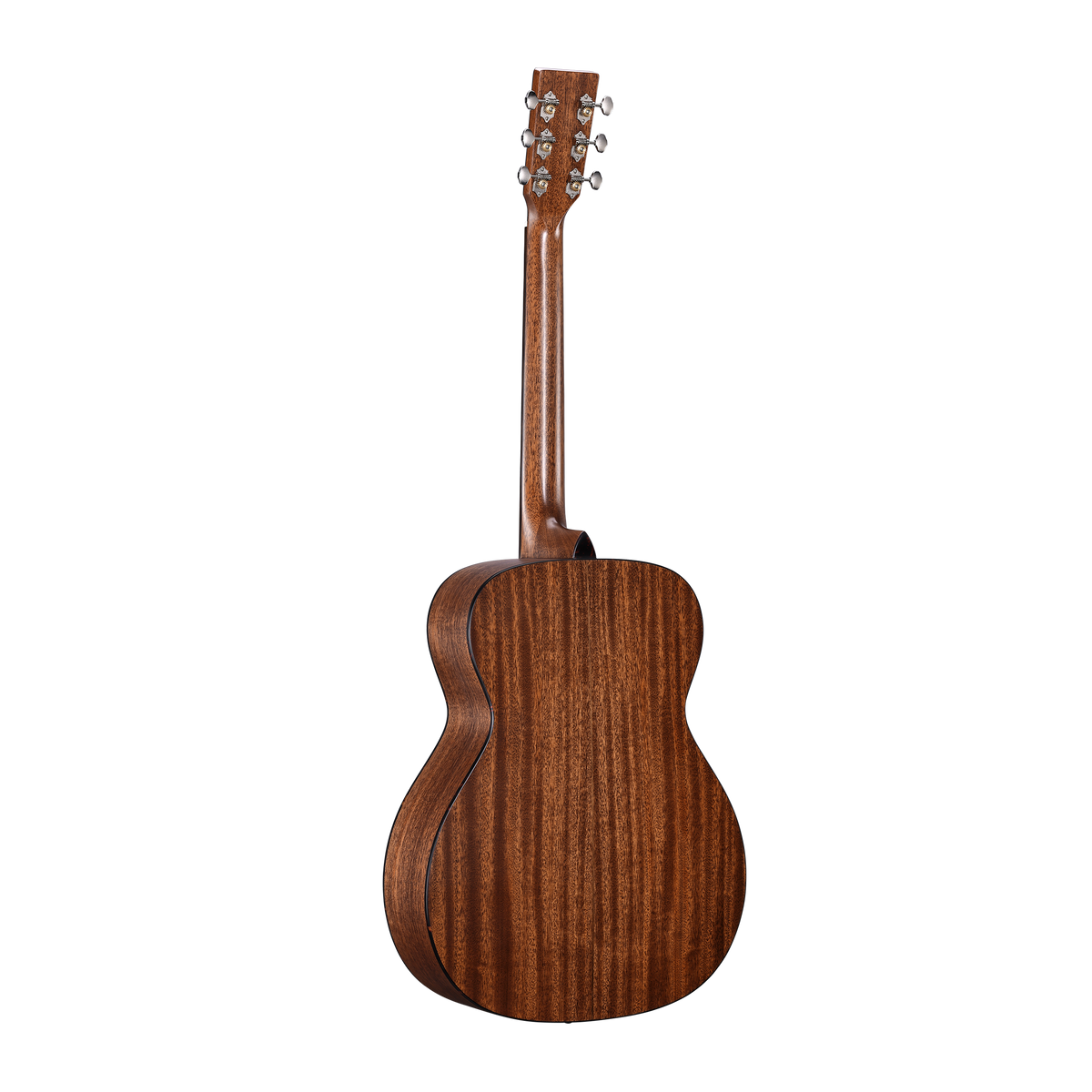

Recording King OM60 Orchestra Model

The Recording King OM60 is the mahogany orchestra model in the 2026 Standard Series. It keeps the full 25.4 inch scale of the dreadnought, so you get the same string tension and snap for flatpicking, but the smaller OM body sits closer to your chest and answers faster with a more even balance between the bass and the treble strings. The thermo-cured solid Sitka spruce top over solid African mahogany back and sides keeps the voice dry and clear, and at $749.99 in Natural or $799.99 in Vintage Burst it is priced the same as the D60.

We would hand the OM60 to a fingerstyle player, a singer who plays seated, or anyone who finds a dreadnought too big to hold comfortably and does not want to give up a full-length scale.

  • Thermo-cured solid Sitka spruce top
  • Solid mahogany back and sides
  • 1 3/4" bone nut, bone saddle
  • 25.4" scale
  • Gig bag included
  • From $749.99

Filters

Sort by:

What the OM60 is built from

Every 2026 Standard Series guitar gets a bone nut and a bone saddle, a 1 3/4 inch nut width, a mahogany neck in Recording King's RK-1 shape set into the body with a dovetail joint, a rosewood fingerboard, ebony bridge pins and open-gear satin nickel tuners, and the OM60 is no exception. The trim is plain binding with 5mm mother-of-pearl dot inlays on the fingerboard. The RK belly bridge is rosewood, the pickguard is tortoiseshell, the headstock wears a rosewood veneer with the RK-1 abalone logo, and the whole guitar wears a low gloss finish that looks and feels like satin. It ships in a brown gig bag and it is acoustic only, so if you need a pickup you will want to have one installed.

Thermo-curing is Recording King's term for heat-treating the top before the guitar is built. The heat drives out moisture and resins the way decades of playing would, which is why a new thermo-cured top tends to sound drier and more open than an untreated one.

OM60 or OM70H?

The closest comparison in the line is the OM70H, which moves to rosewood and herringbone for $200 more. Mahogany back and sides keep the midrange focused and the bass tight, and rosewood adds low end and a longer, more complex ring, so the choice comes down to whether you want the guitar to sit under your voice or fill more of the room on its own. We keep both on the OM70H page and this one so you can compare them side by side.

Buying a OM60 from The Acoustic Shoppe

The OM60 is $749.99 in Natural, $799.99 in Vintage Burst. The pre-order listing above takes a 25% deposit toward the next one we receive, and the serialized guitars that land here show up in the grid as we check them in. When a OM60 sells, its listing redirects to this page, so this page always shows the ones we have now. Every one ships after our 23-Point Professional Inspection, and because these guitars are under $1,000 they fall under our 14-day evaluation period rather than the Dread-Not Guarantee.

For the rest of the line see the Recording King Standard Series, or browse all of our Recording King guitars.

Why buy from The Acoustic Shoppe

  • A twelve-time NAMM Top 100 Dealer (2015–2026)
  • The #1 worldwide Eastman acoustic guitar dealer
  • Every instrument ships after our 23-Point Professional Inspection
Frequently Asked Questions

Is the Recording King OM60 in stock?
This page is the OM60's permanent home rather than a single listing, so the grid above shows whatever we have right now. A pre-order listing means we are taking a 25% deposit toward the next one in, and serialized guitars with their own photos appear as they arrive. Call us at 417-720-1223 if you want to know where a shipment stands.
What is the difference between the OM60 and the OM70H?
The OM70H moves to rosewood and herringbone for $200 more. The body shape and scale are the same, so the difference you hear is the back and sides: mahogany keeps the sound focused and dry, and rosewood adds bass and sustain.
Does the Recording King OM60 come with a case?
It ships in a brown gig bag from Recording King. We can fit a hardshell case before it leaves the shop if you would rather have one, and we check every guitar over with our 23-Point Professional Inspection either way.