How the Standard Series is laid out
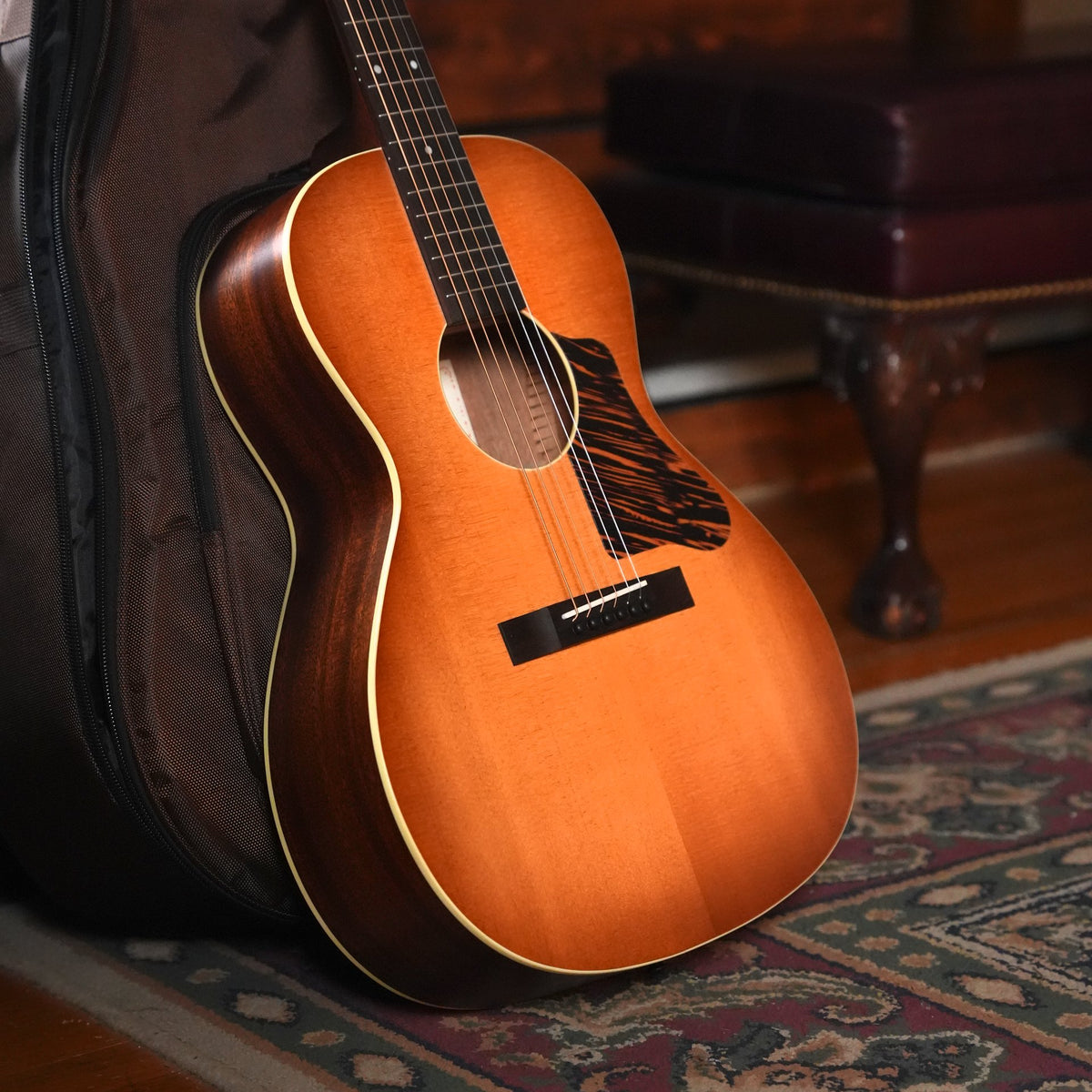
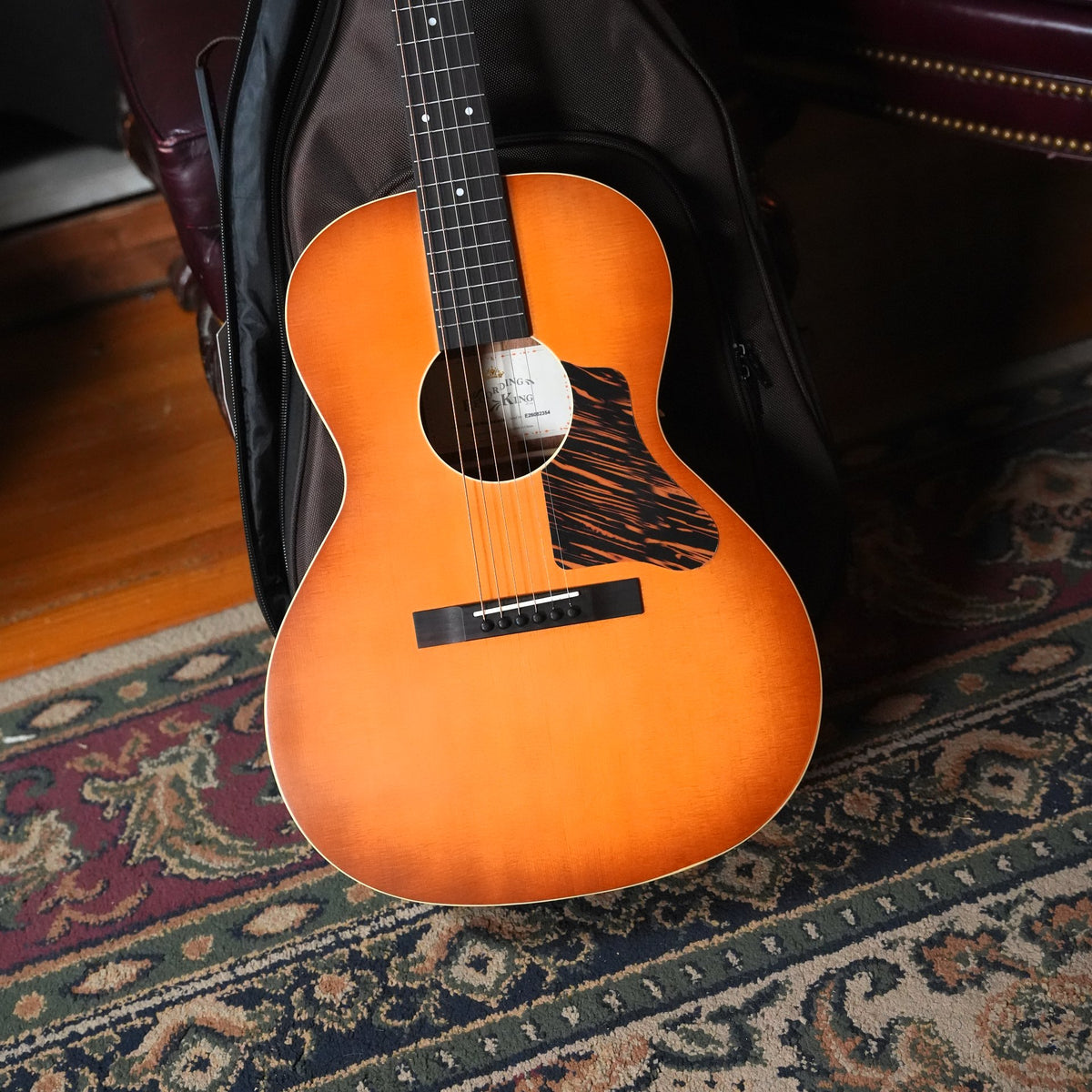
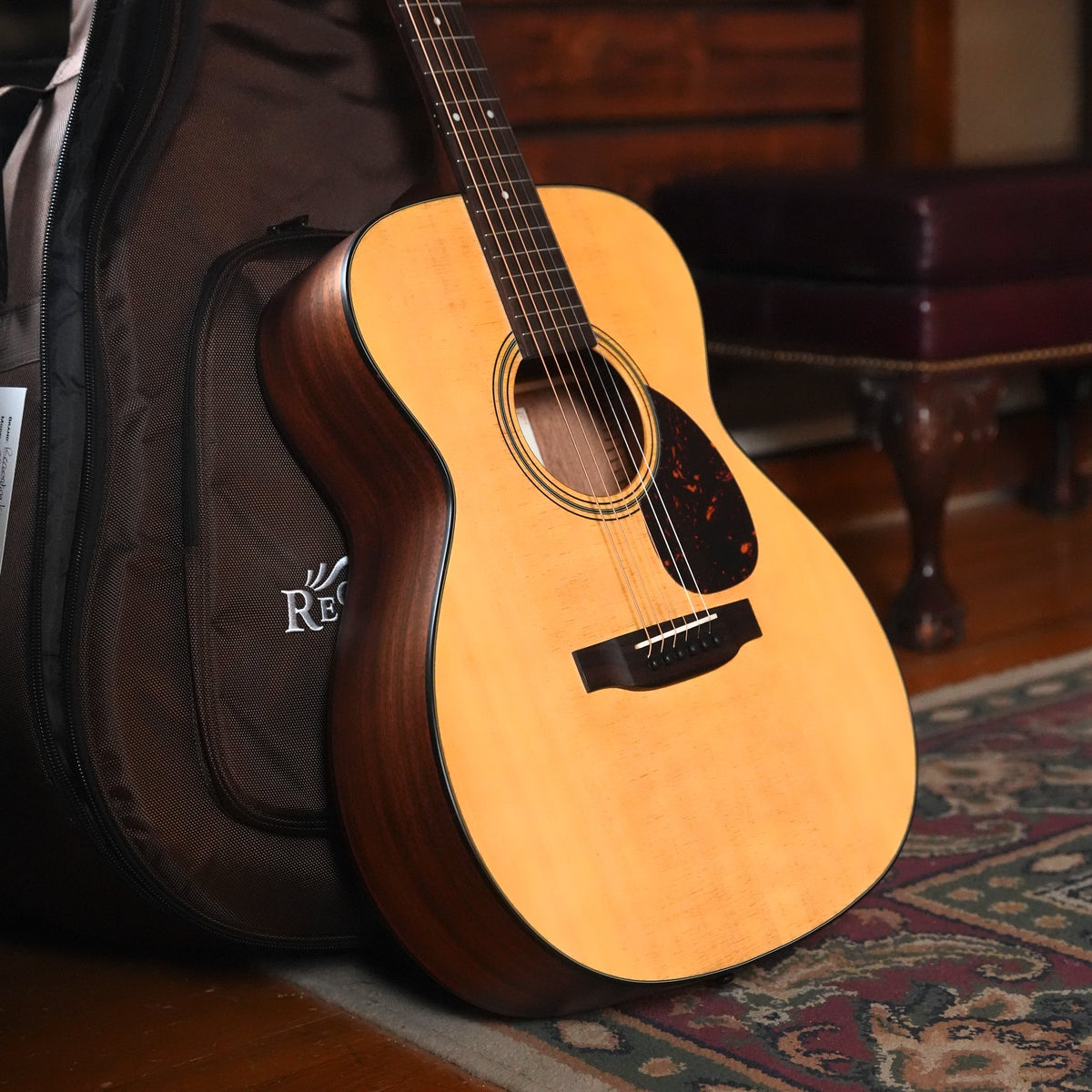
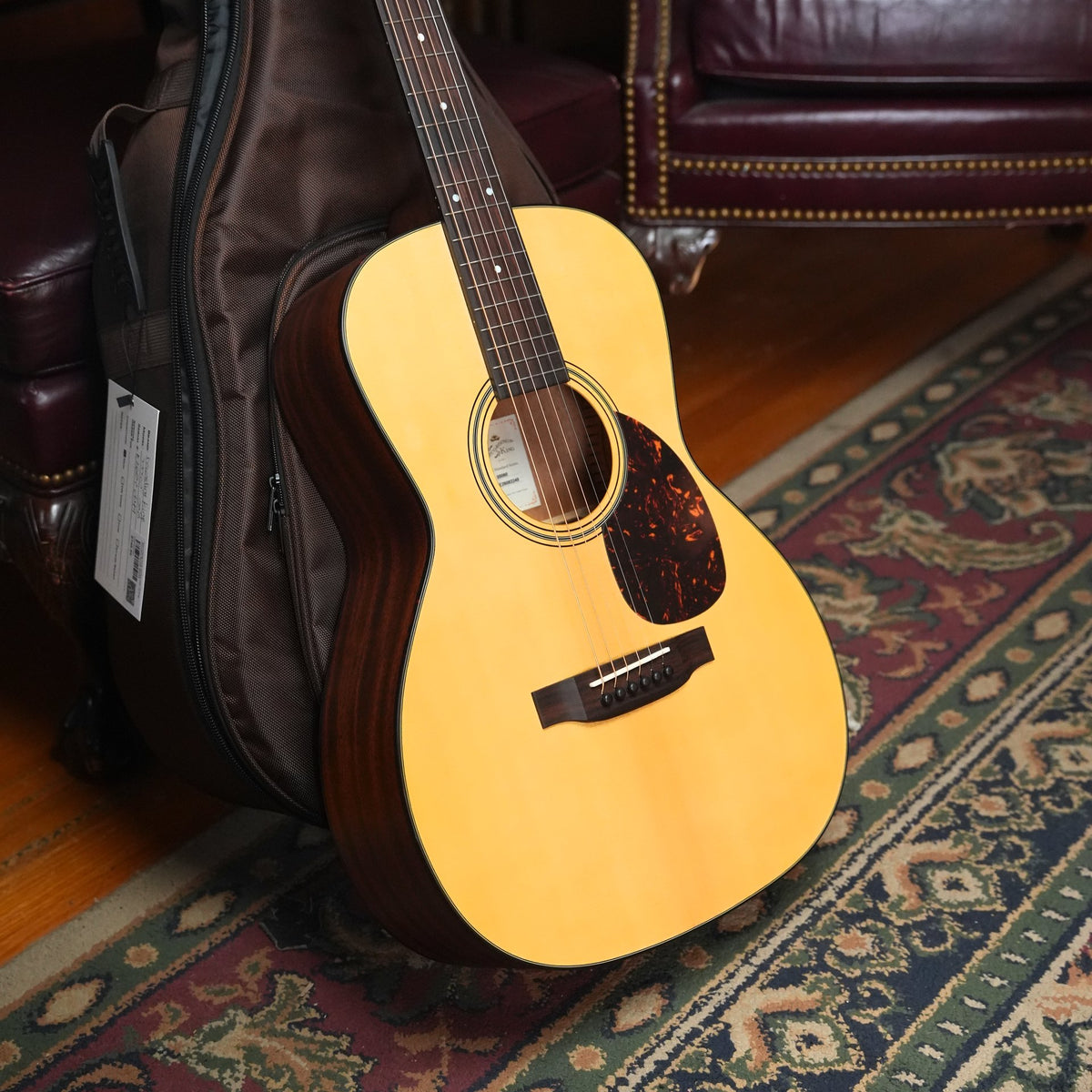
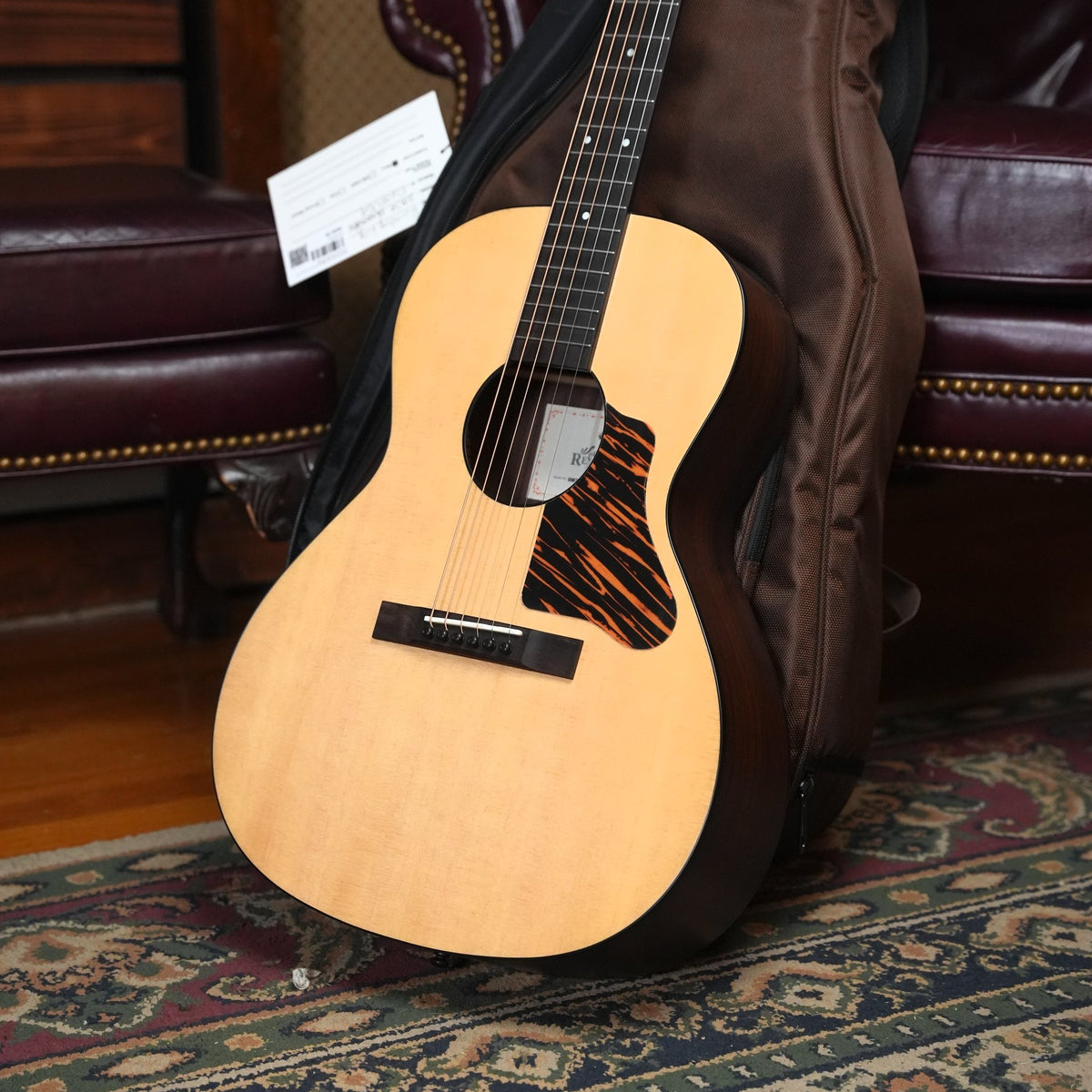
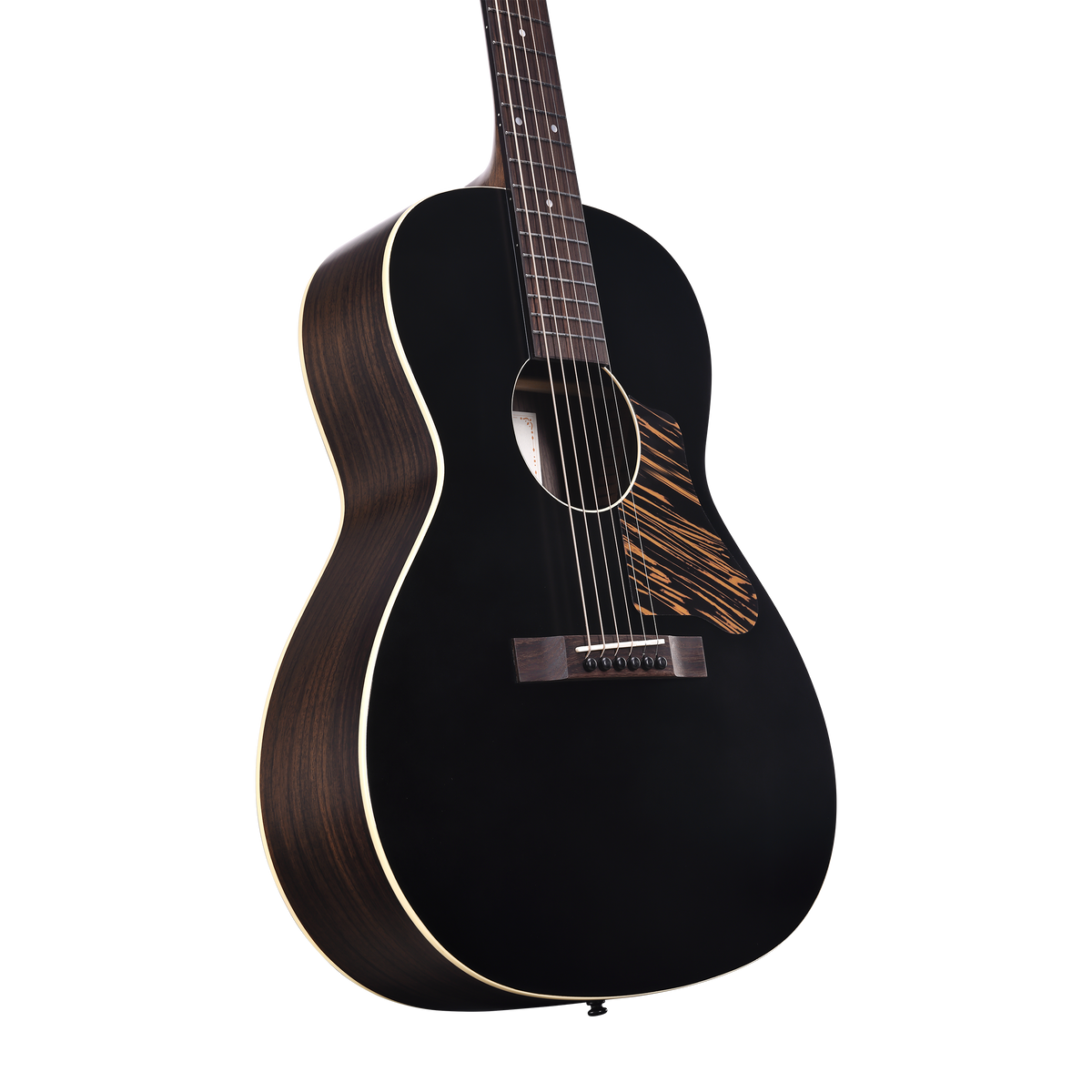
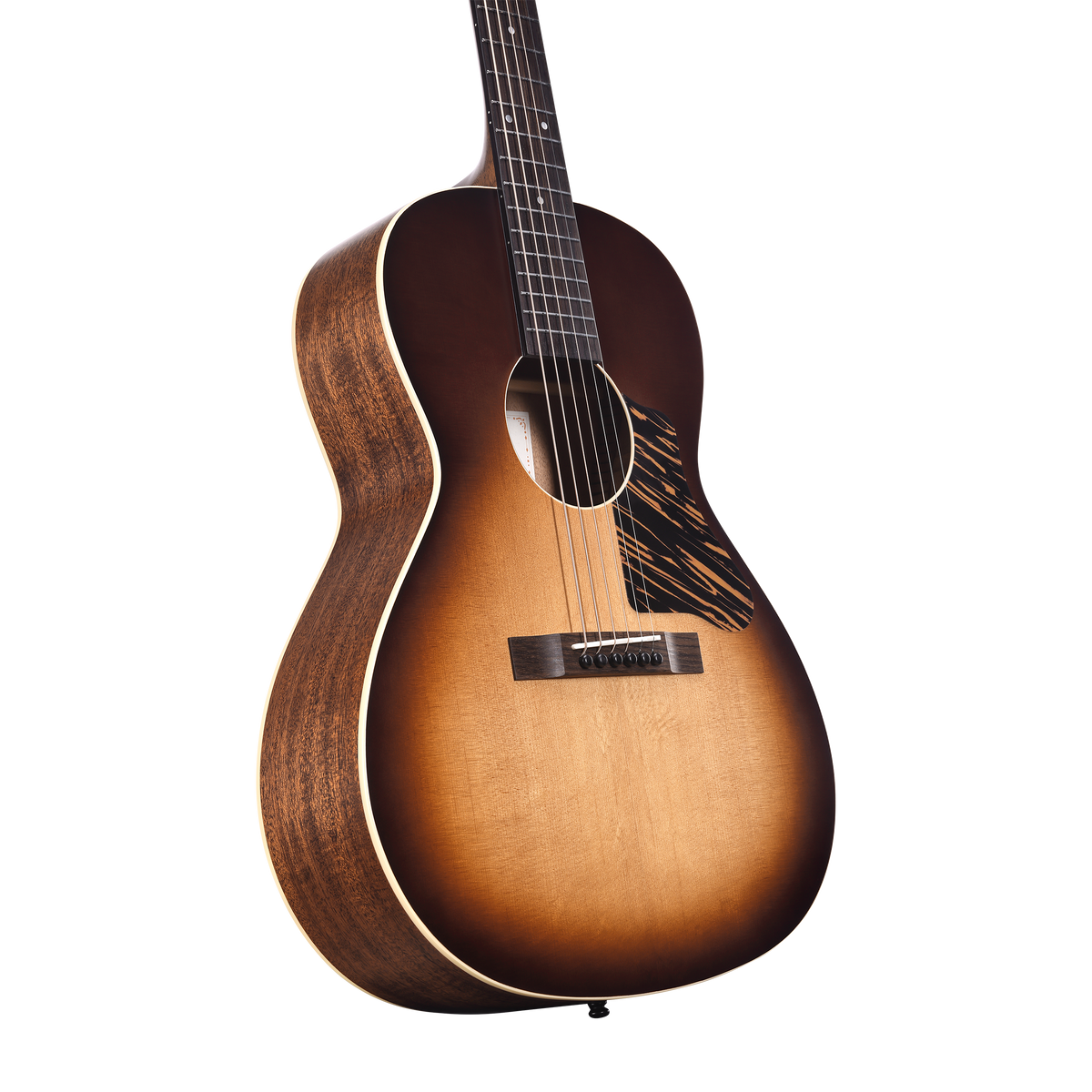
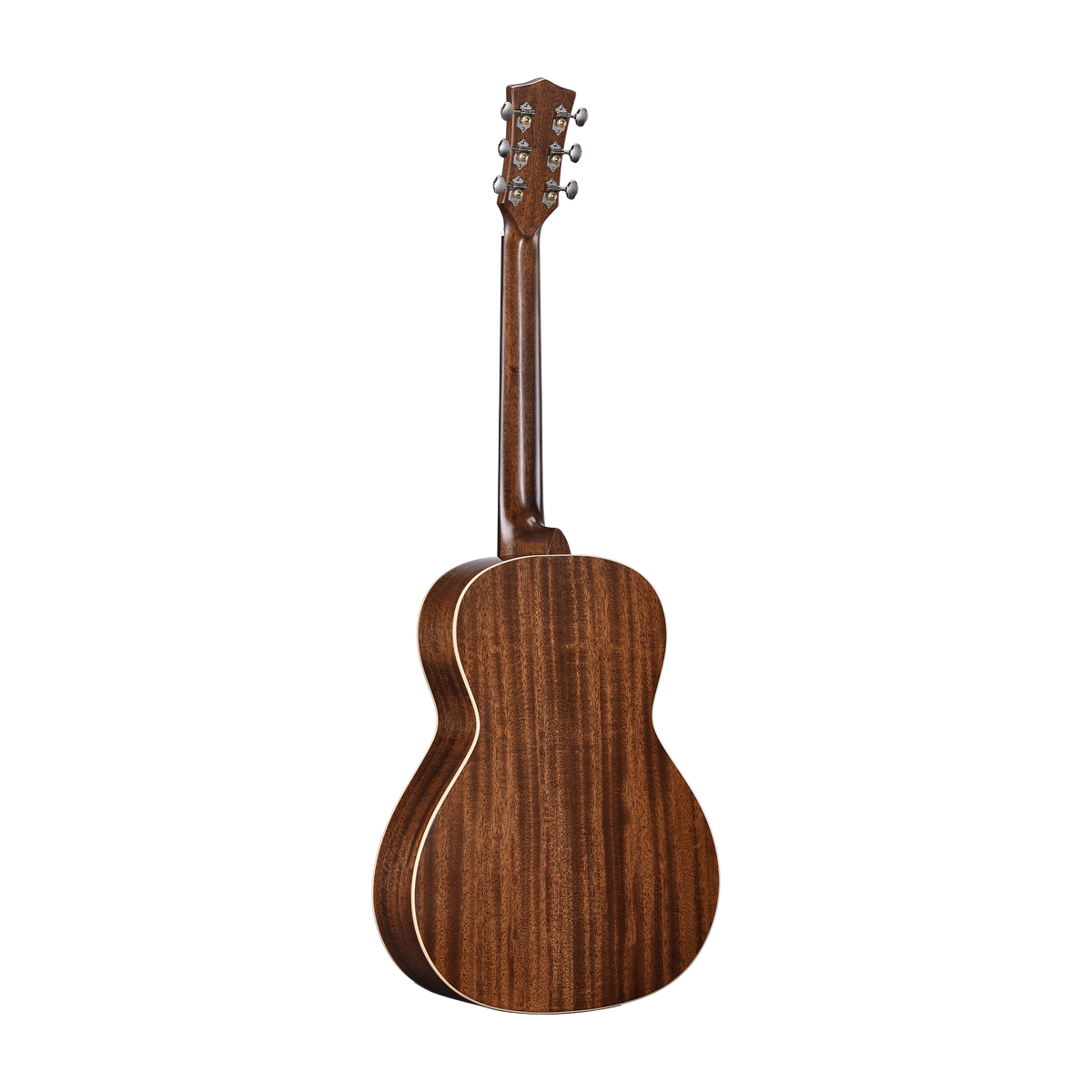
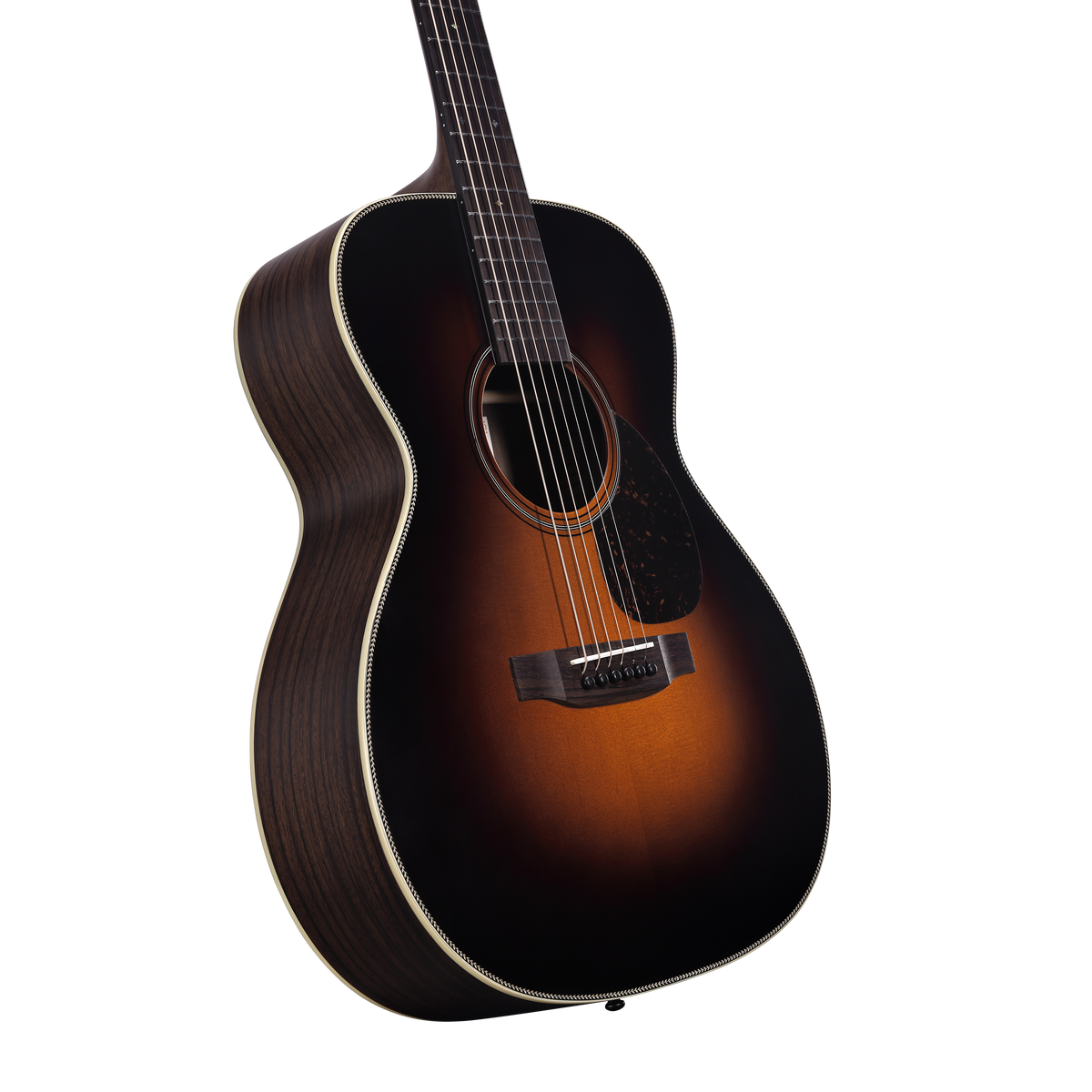
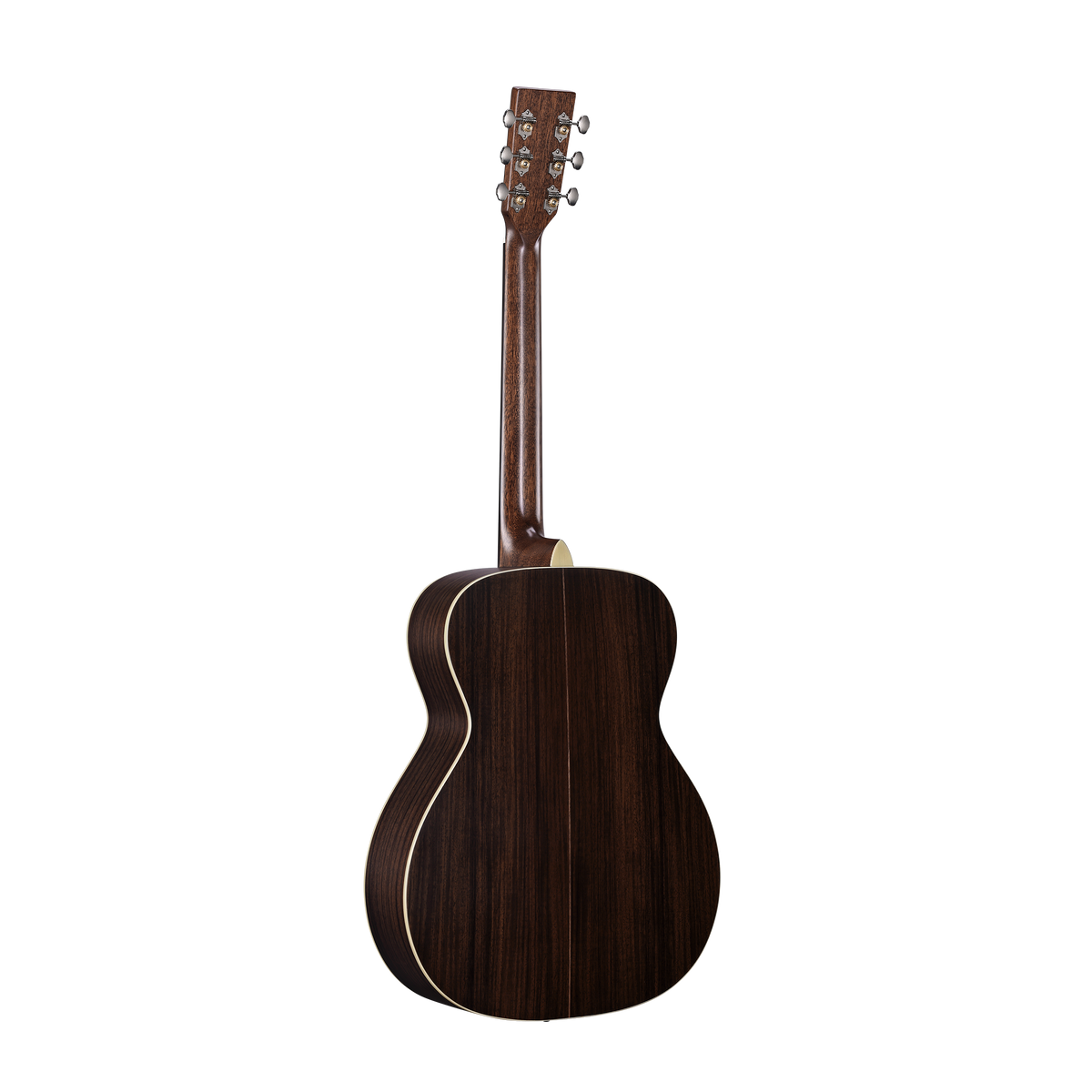
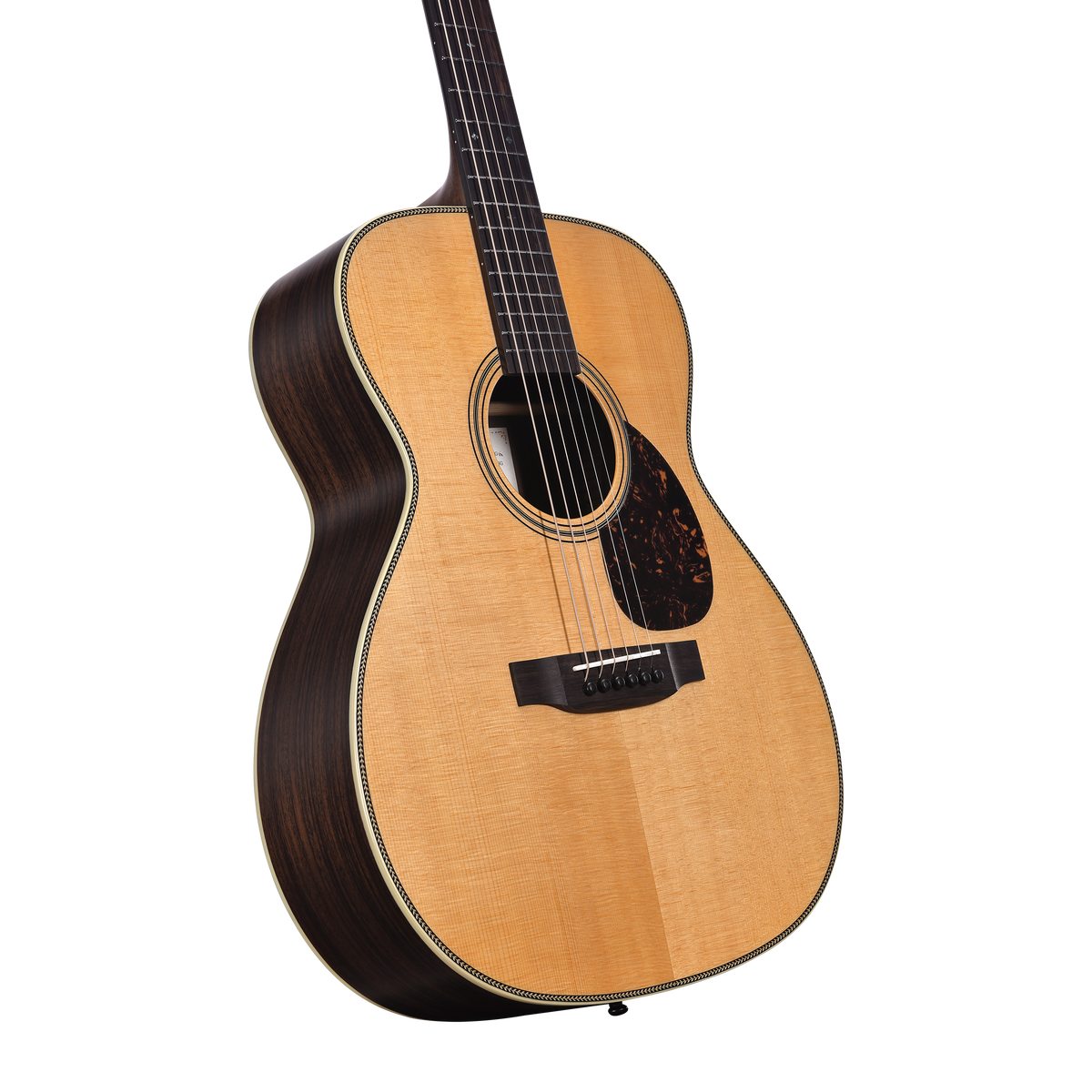
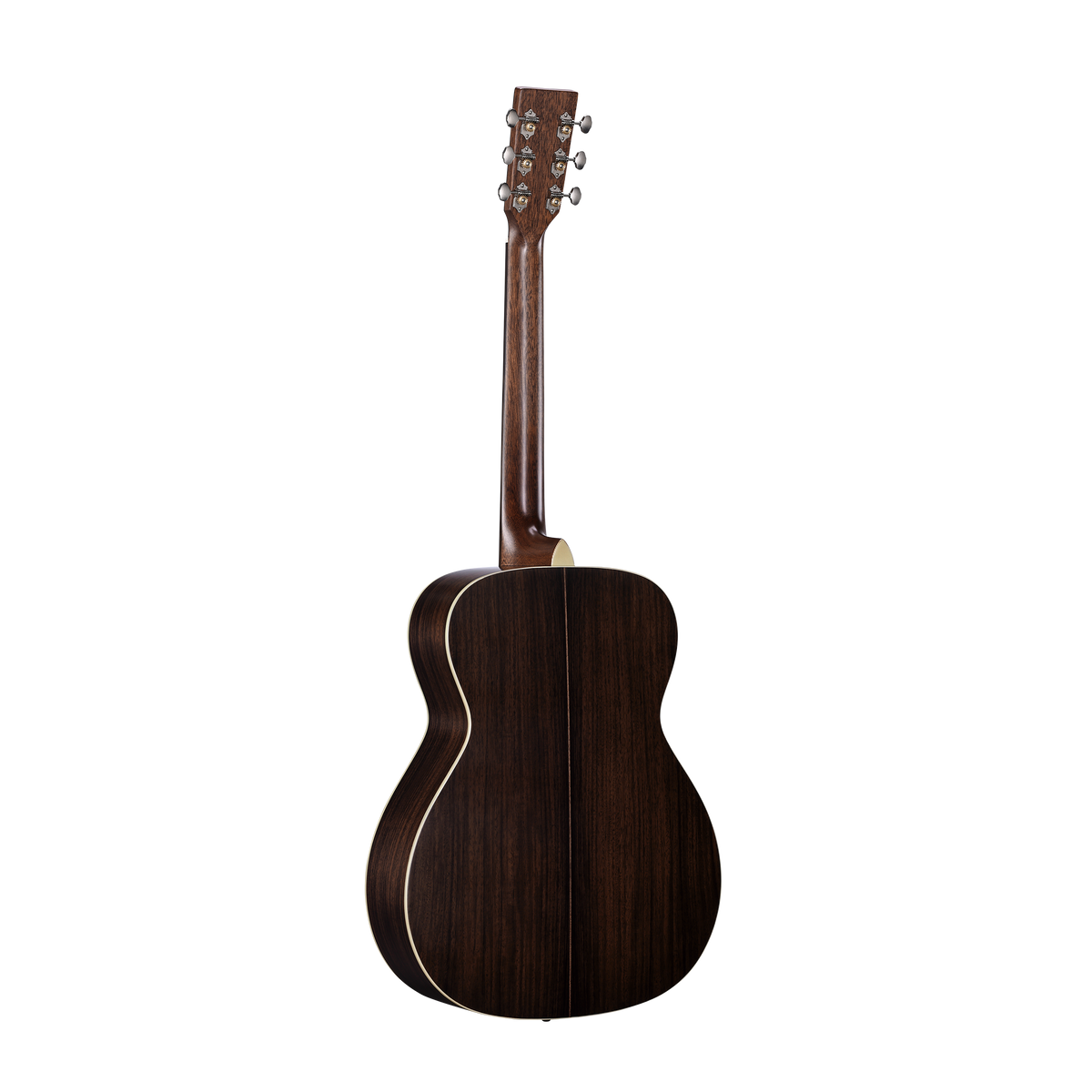
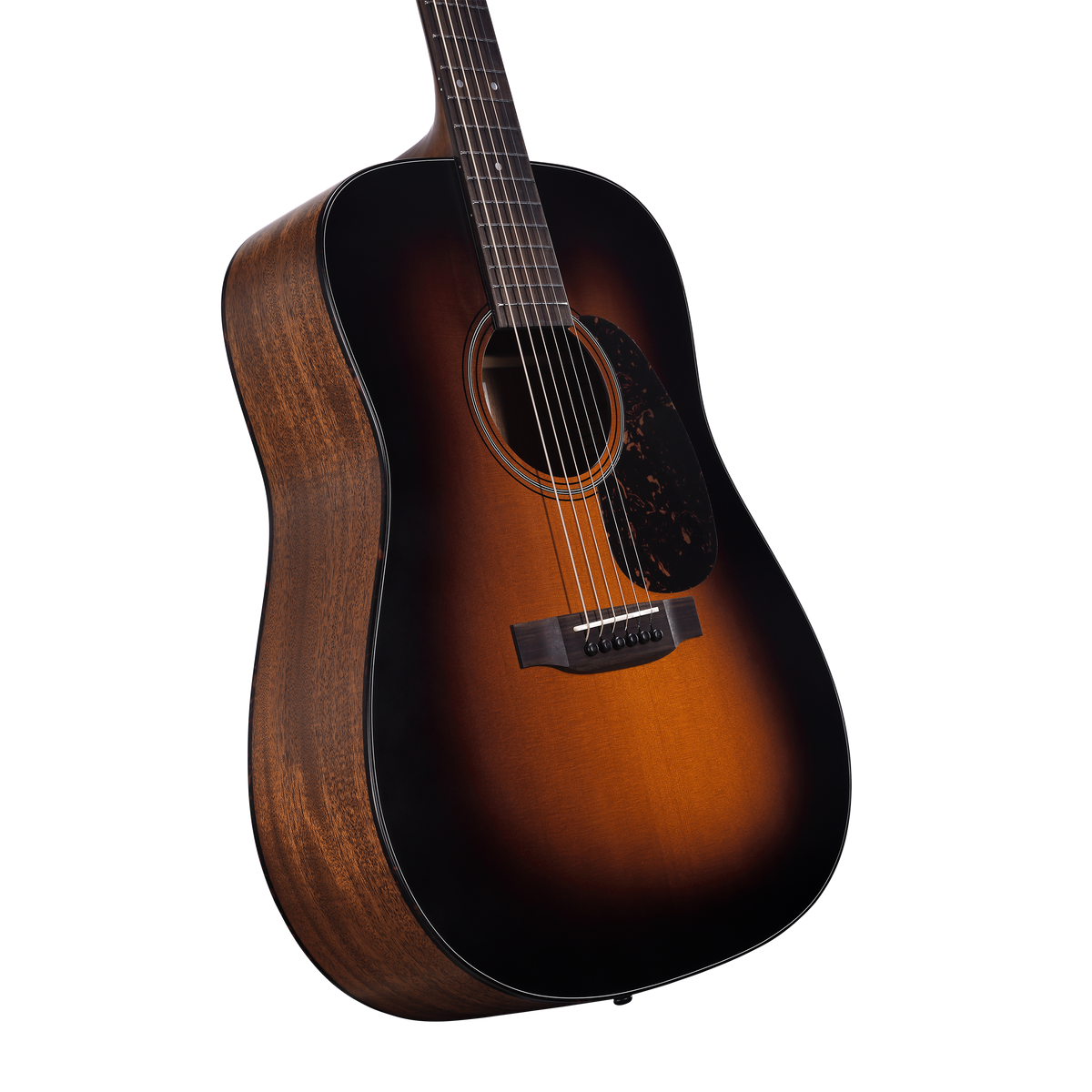
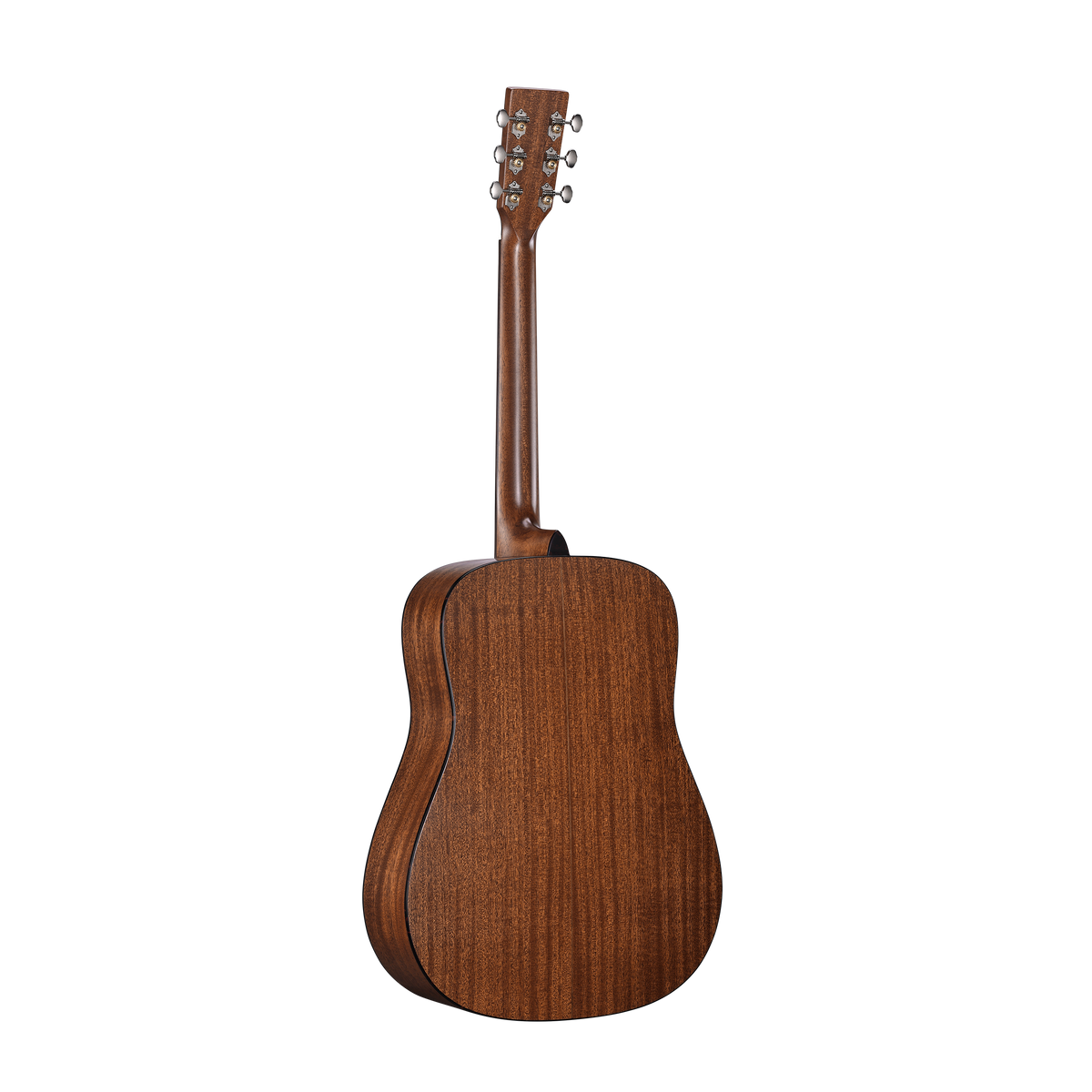
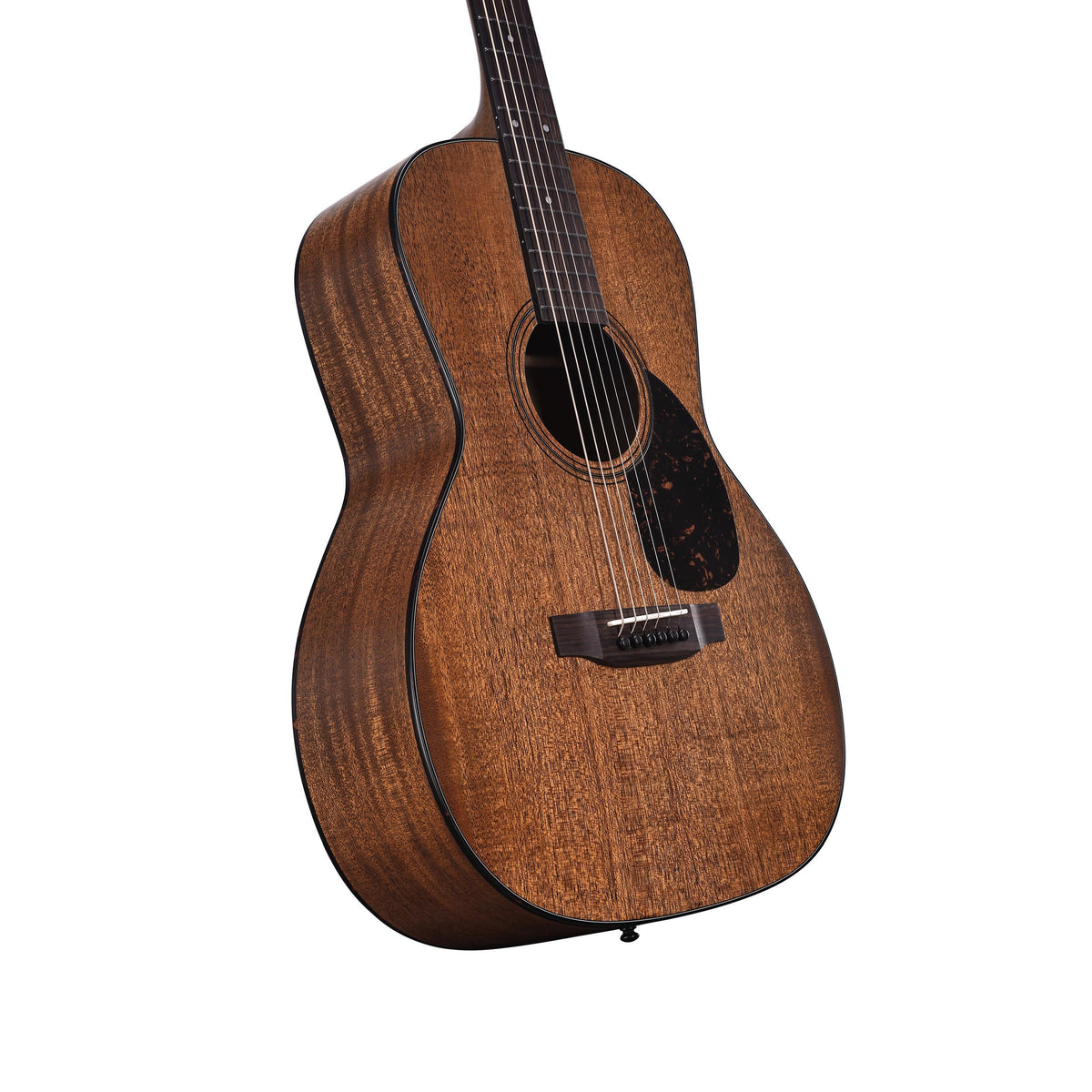
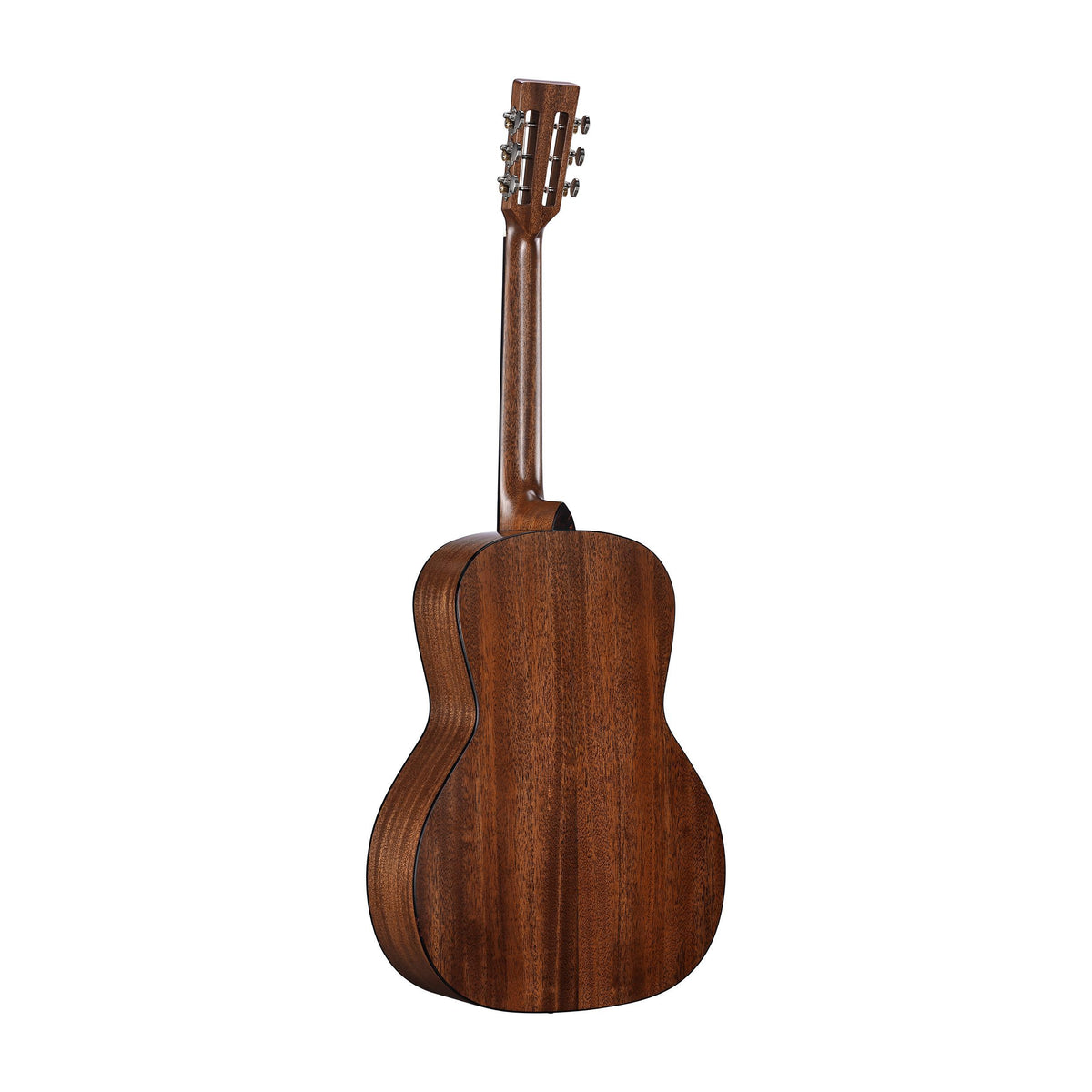
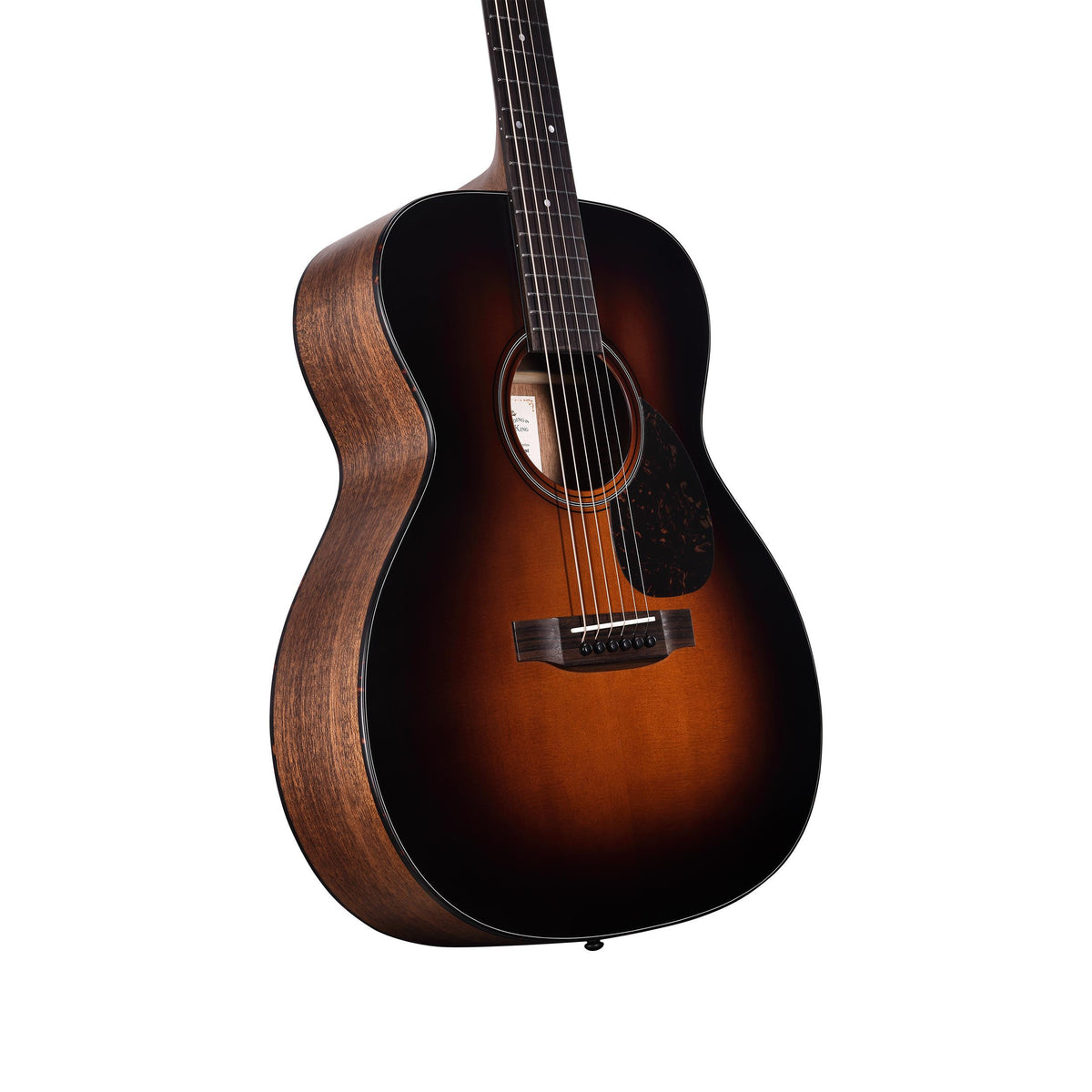
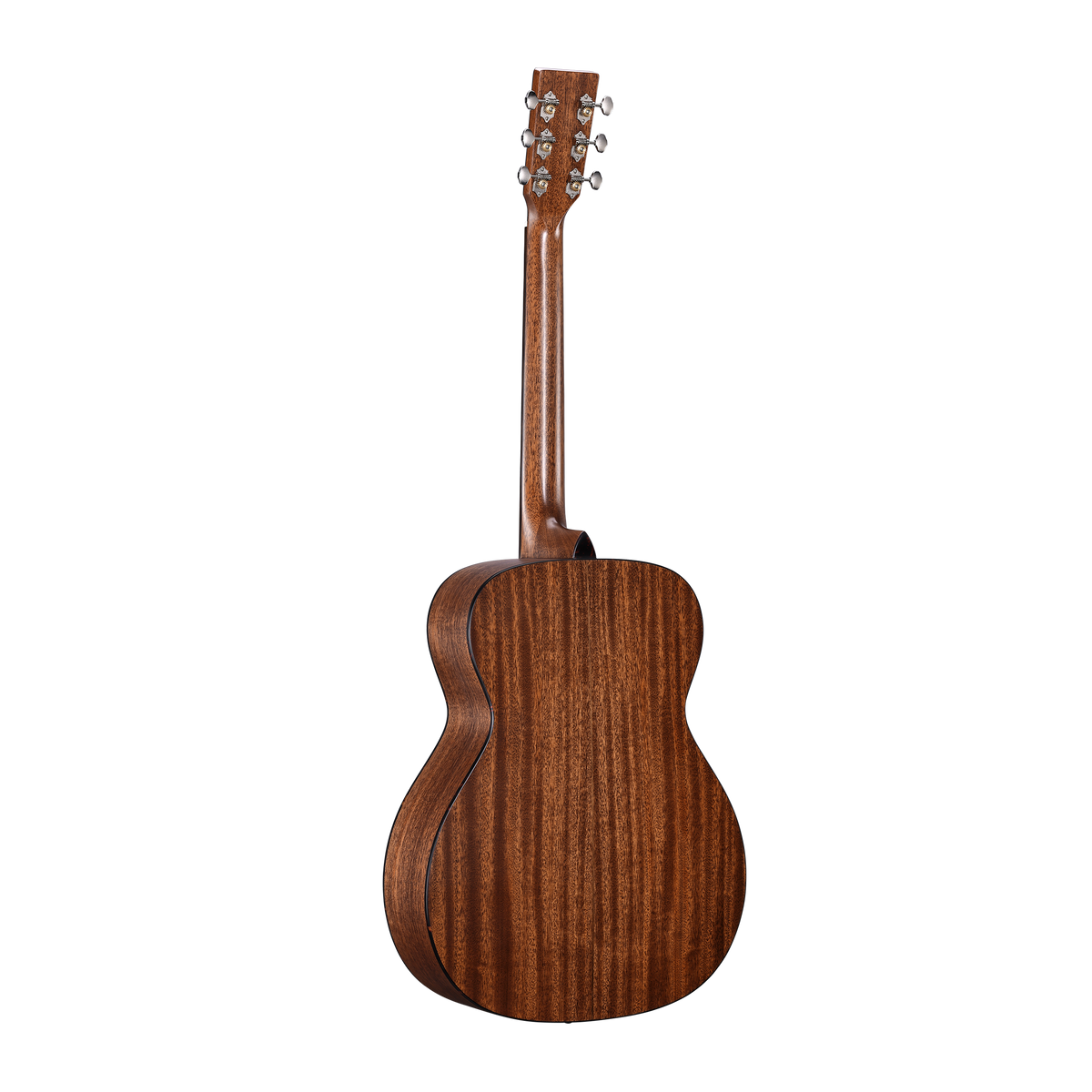
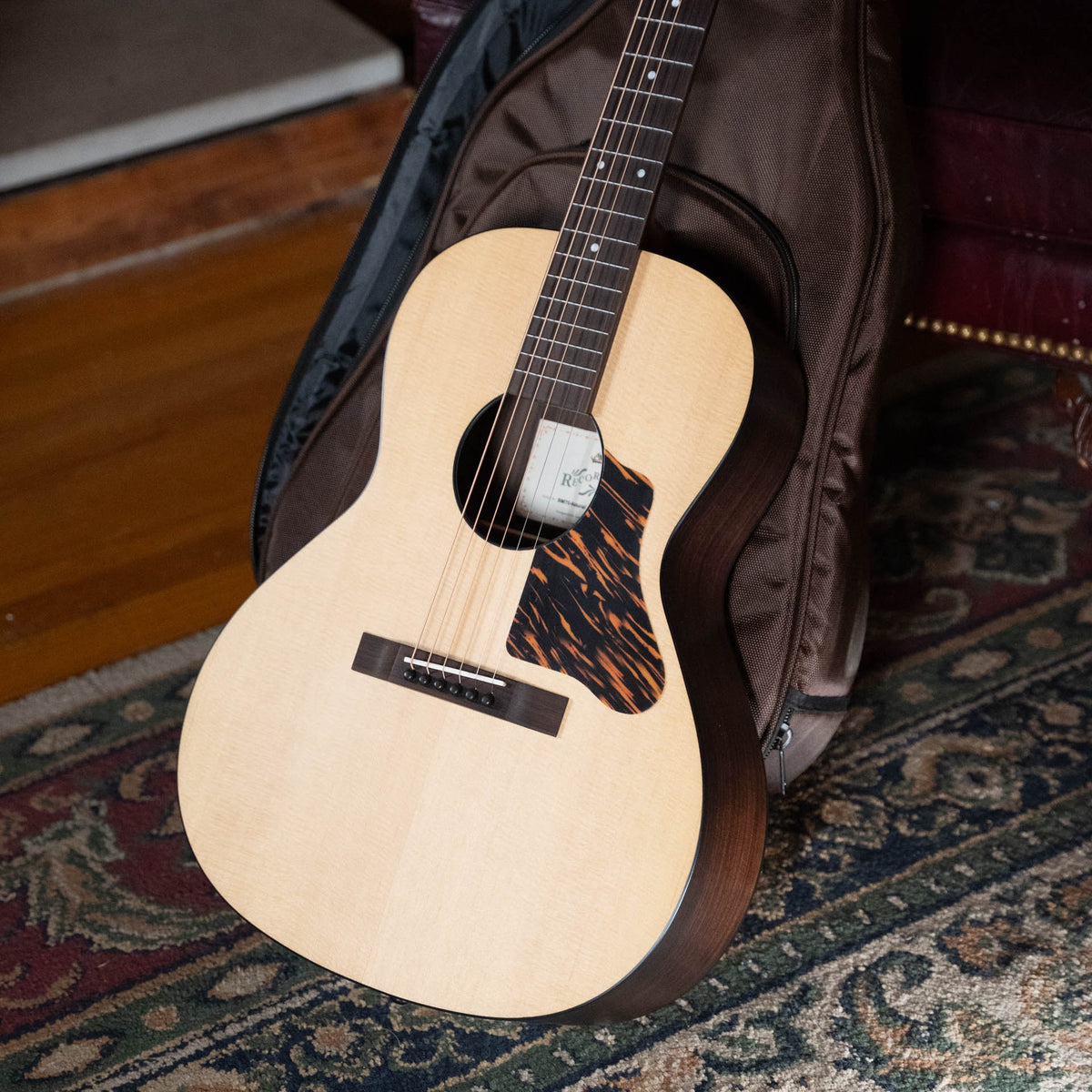
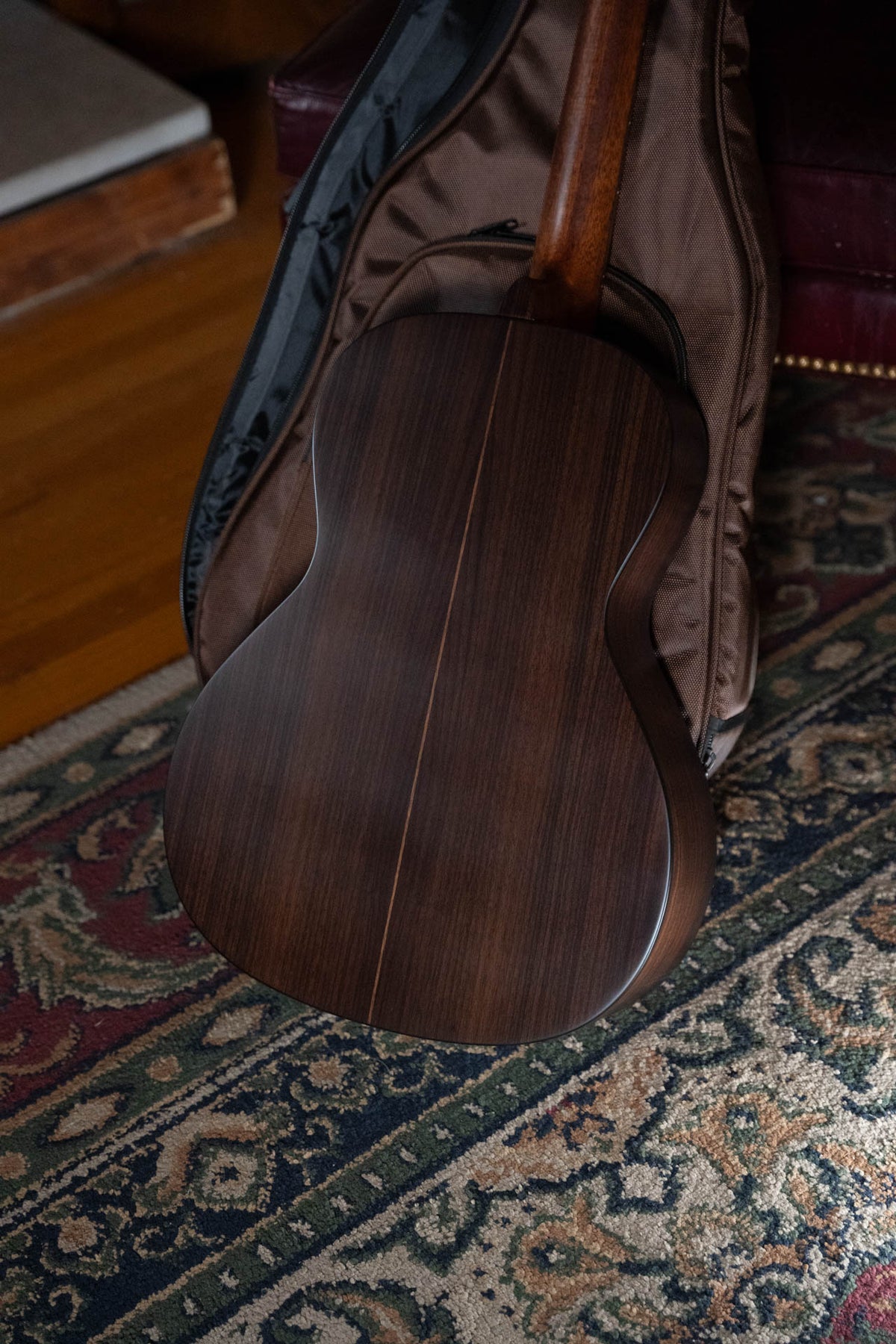
Recording King builds the 2026 Standard Series around four body shapes, and each one comes in a mahogany version and a rosewood version. The D60 and D70H are full 25.4 inch scale dreadnoughts for flatpicking and rhythm. Their OM siblings, the OM60 and OM70H, keep that scale on a smaller, more balanced orchestra model body. Three 000s, the 00060, 00066 and 00070H, join the neck at the 12th fret, which puts the bridge in the middle of the lower bout and makes a small guitar sound warmer and fuller than you expect. The BM60 and BM70 Bluesmasters are 00s on a shorter 24.8 inch scale with a rectangular bridge, a Firestripe pickguard and a black headstock, styled after the small blues guitars of the 1930s.
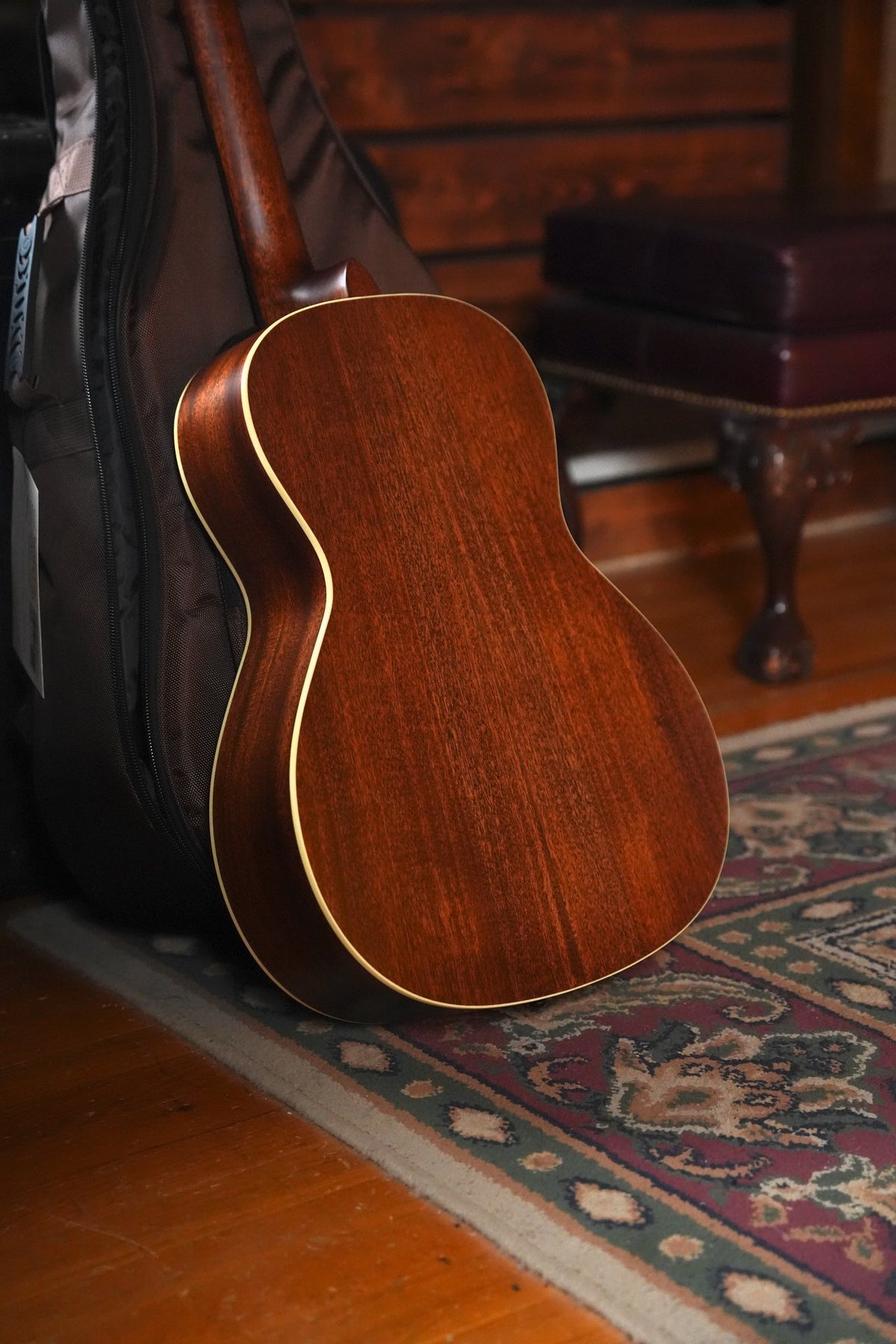
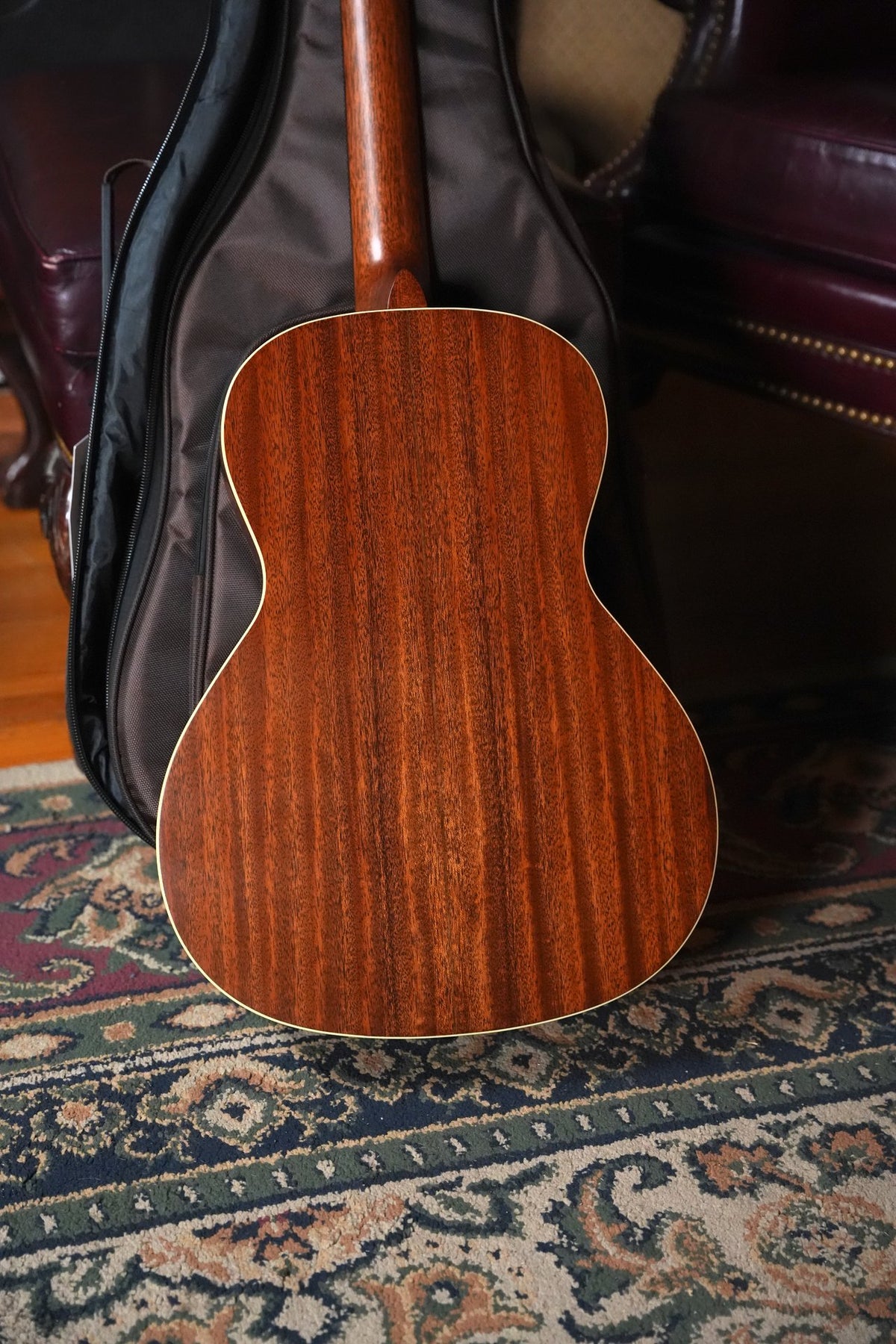
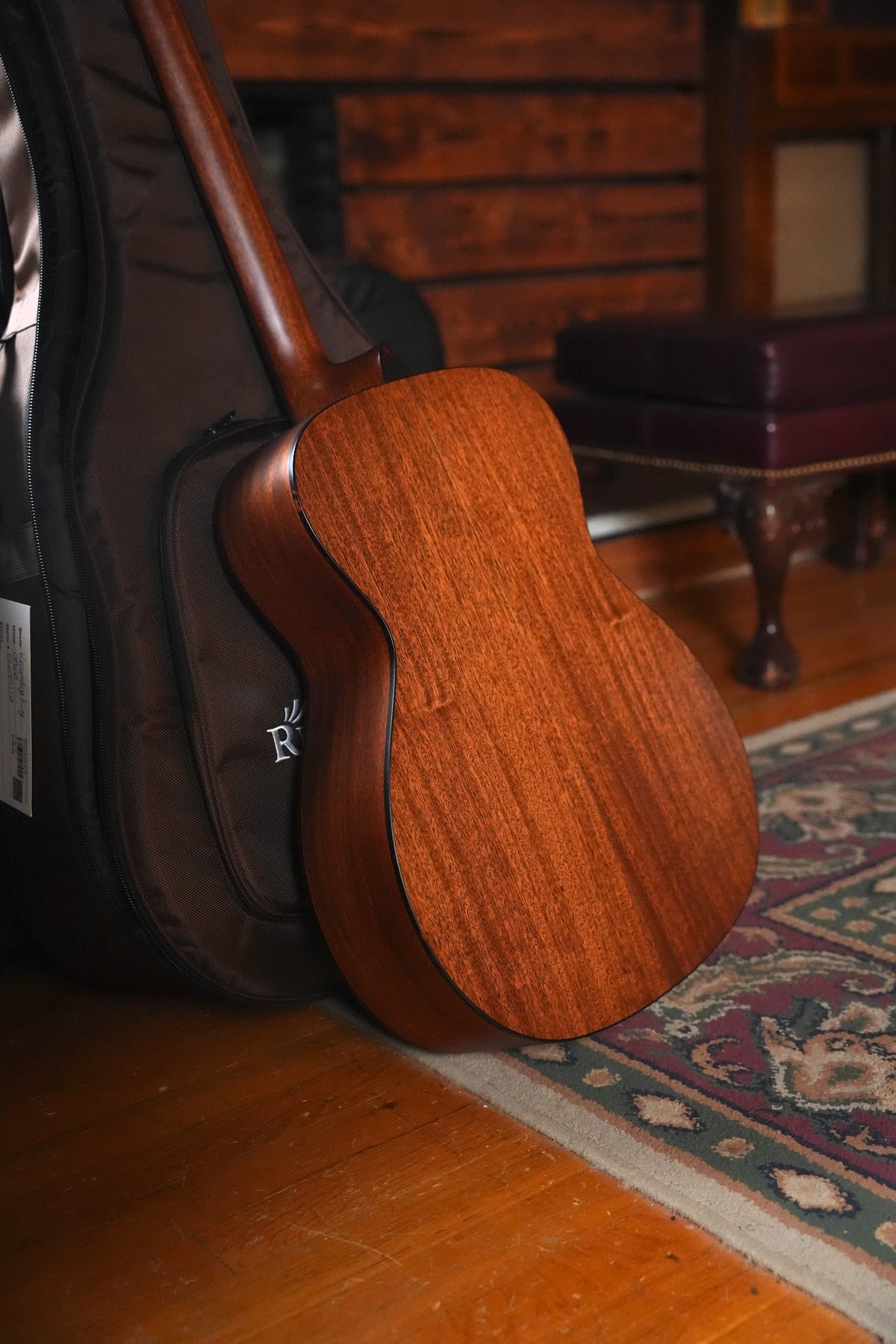
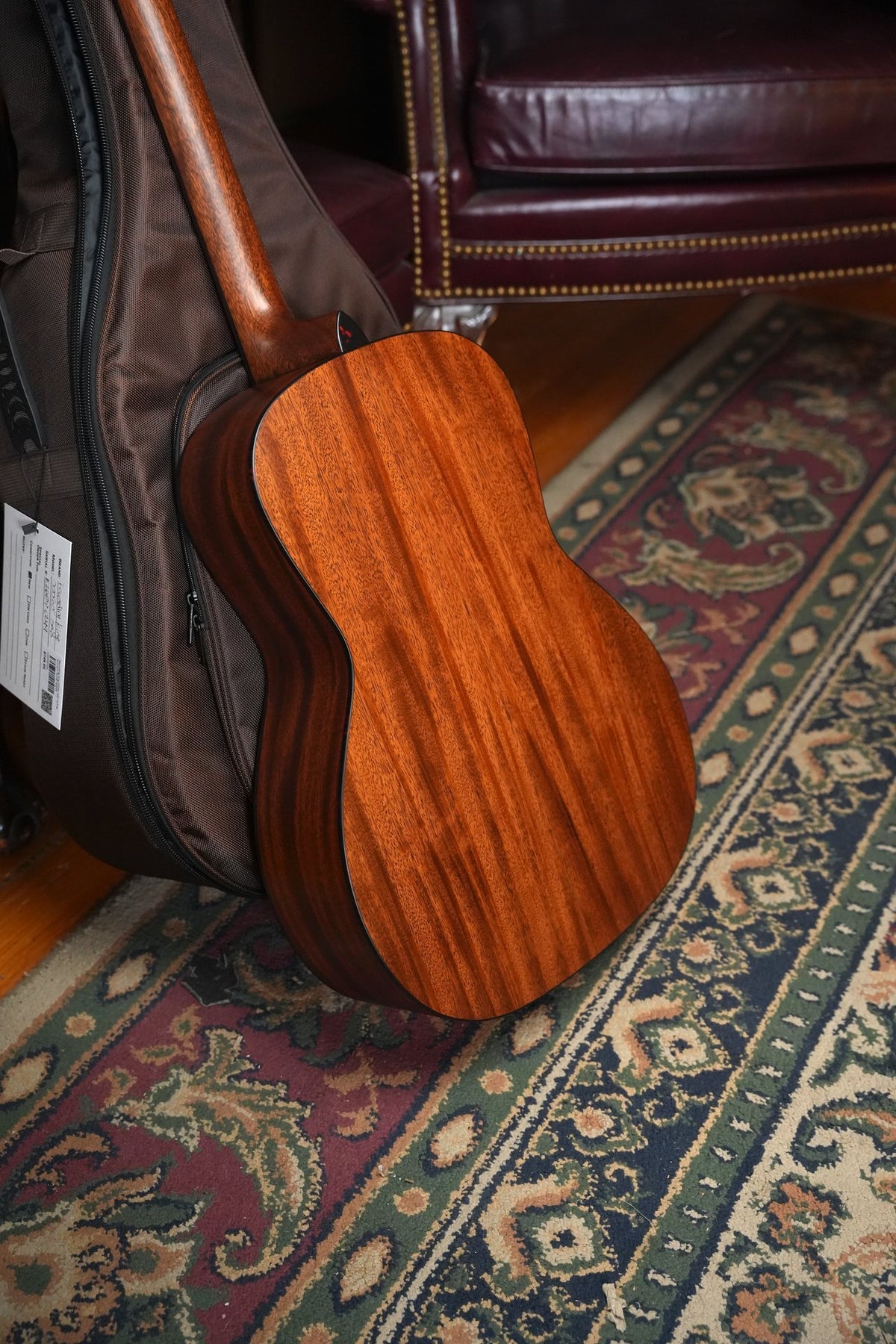
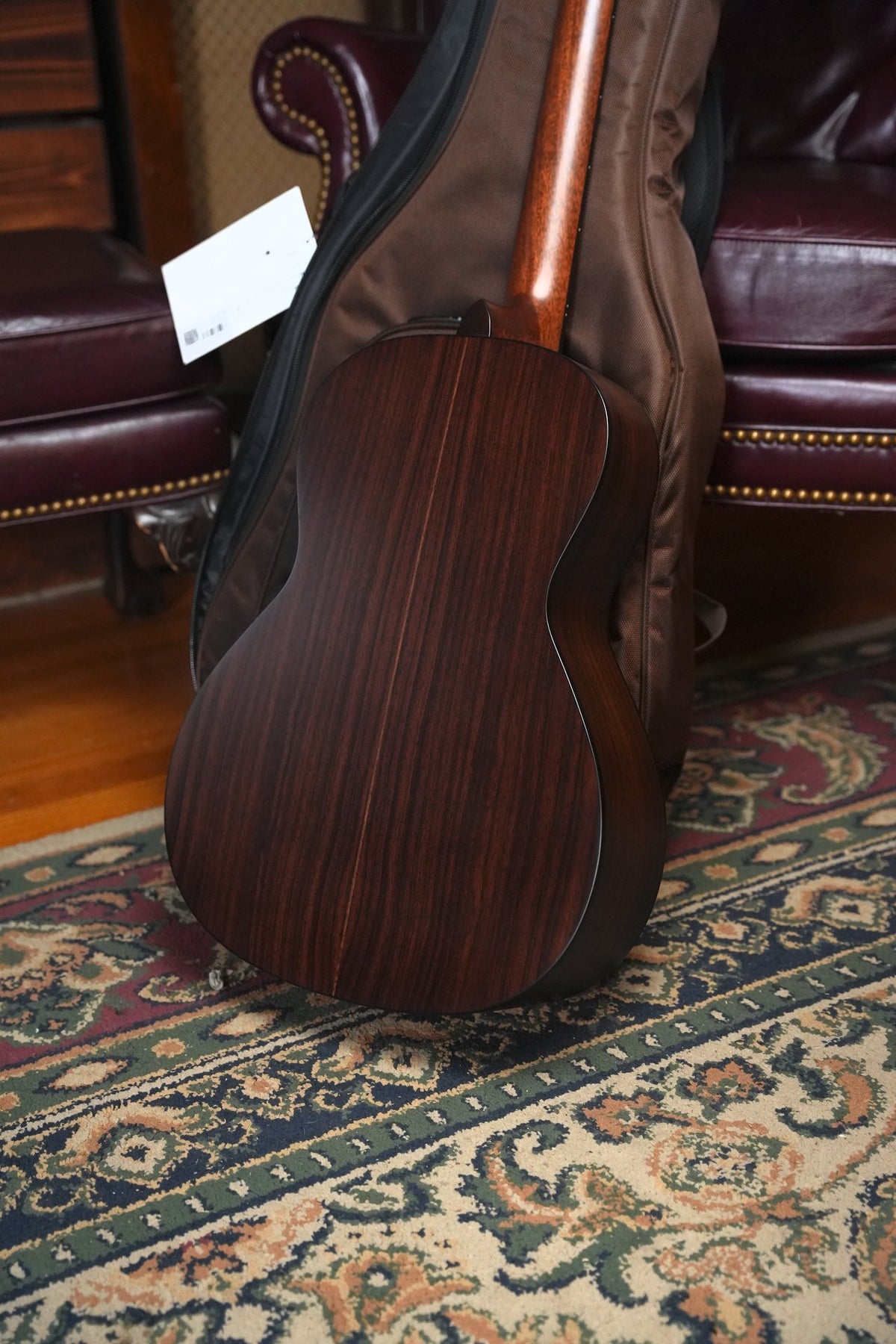
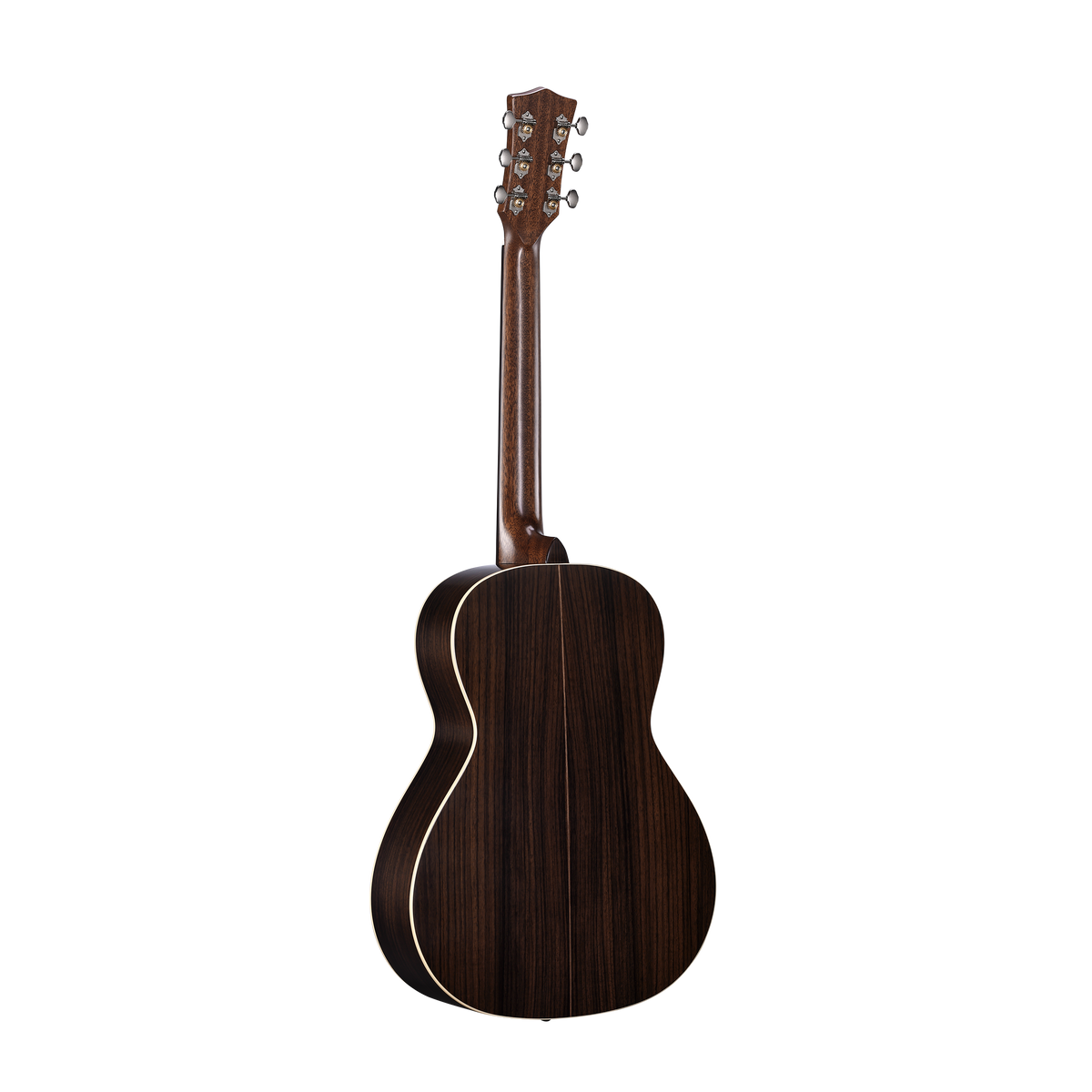
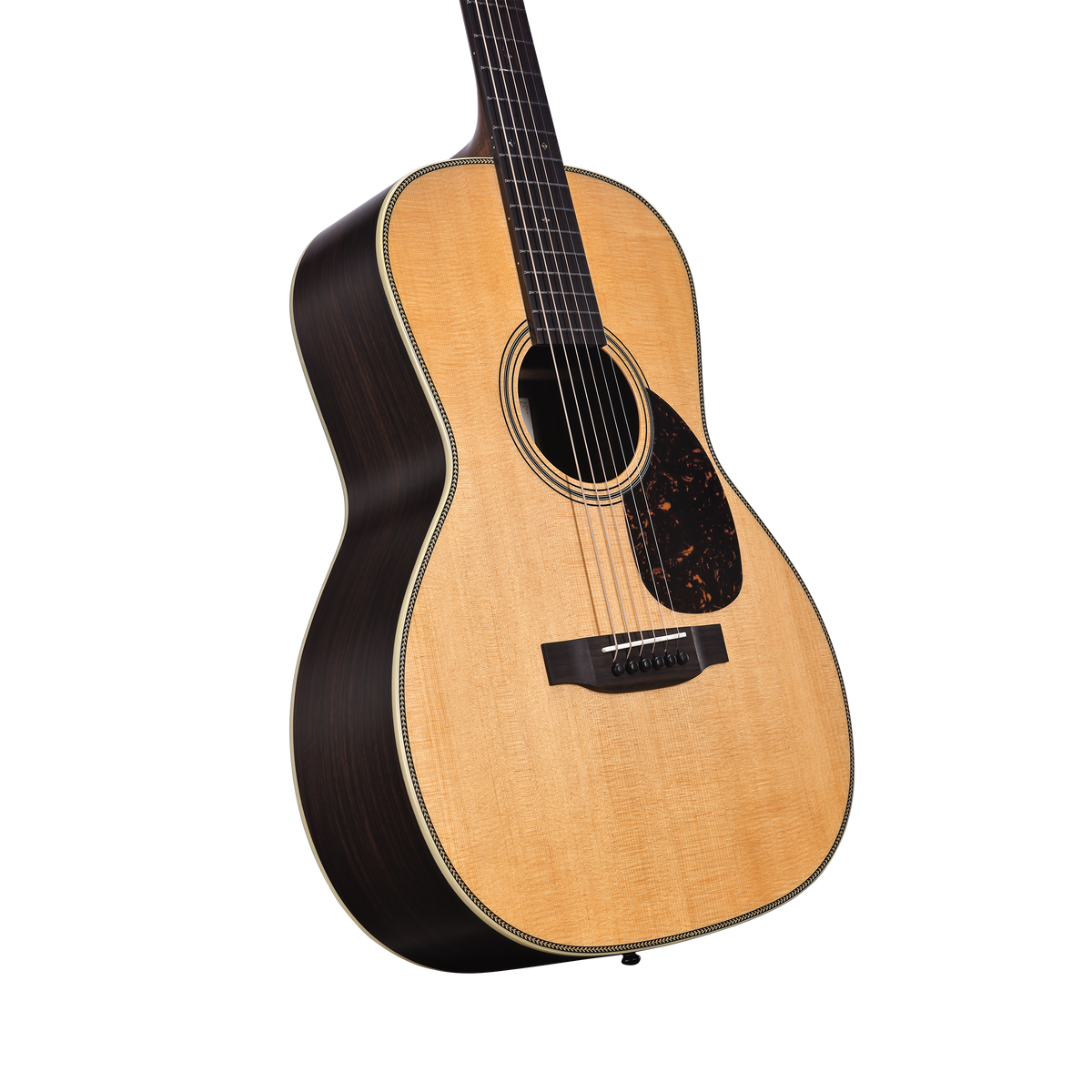
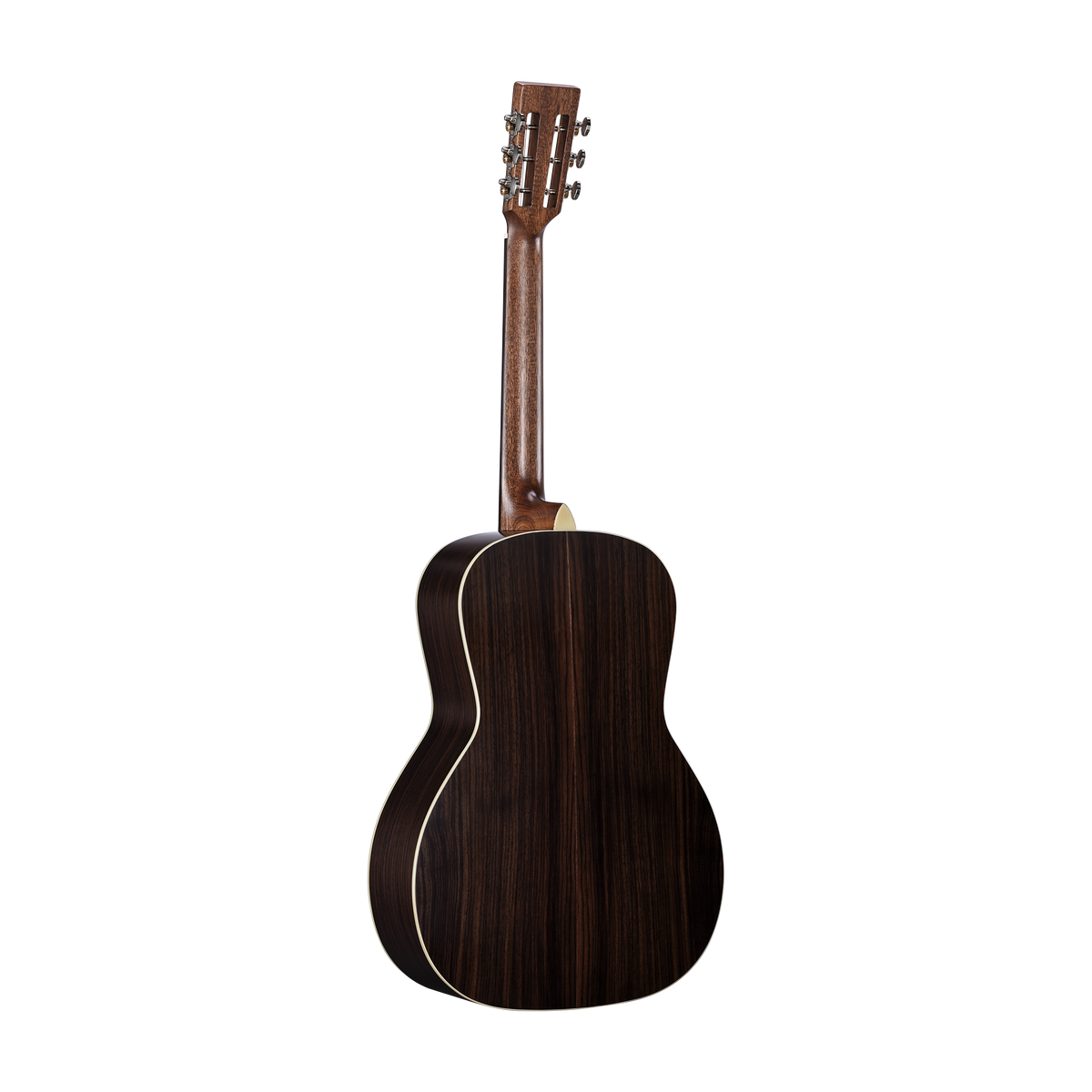
Across the line, a 60 means solid African mahogany back and sides with plain binding and mother-of-pearl dots, and a 70 means solid East Indian rosewood. The H models add herringbone purfling and squares-and-diamonds inlays. Every top is thermo-cured AA North American Sitka spruce except the 00066, which uses a thermo-cured mahogany top on a mahogany body for the driest, woodiest voice in the series.
Mahogany or rosewood?
This is the real decision, so here is how we would put it across the counter. Take the D60 and the D70H, which share everything but the back, sides and trim. The mahogany D60 keeps the midrange focused and the bass tight, so it sits under a vocal and stays clear in a jam without the low end crowding everyone else. The rosewood D70H adds bass and a longer, more complex ring, which fills more of the room when you are playing on your own and gives a singer-songwriter more to lean on. The same holds for the OM60 against the OM70H, the 00060 against the 00070H and the BM60 against the BM70, and in each pair the rosewood guitar costs $200 more and brings the herringbone with it.
What every Standard Series guitar shares
Bone nut and bone saddle, a 1 3/4 inch nut width, a mahogany neck in Recording King's RK-1 shape with a dovetail joint, a rosewood fingerboard and bridge with ebony pins, open-gear satin nickel tuners, an RK-1 abalone headstock logo and a low gloss finish that looks and feels like satin. Each one ships in a brown gig bag and none of them has a pickup, so plan on an install if you play plugged in.
Reserving one
Each model page carries a pre-order listing that takes a 25% deposit toward the next guitar we receive, and the serialized guitars that arrive show up on the same page as we check them in. Every one goes through our 23-Point Professional Inspection before it ships. Because the whole series sits under $1,000, these guitars fall under our 14-day evaluation period rather than the Dread-Not Guarantee. If you want to know what else Recording King is doing under St. Louis Music, start with our Recording King brand page.