
Table of Contents
- Why is the Guitar Acclimation 24 Hour Rule So Important?
- How Does the Dread-Not Guarantee Change Unboxing?
- Is My New Guitar Protected by the Dread-Not Program?
- How Do I Manage Humidity for Acoustic Instruments?
- What are the Best Daily Habits for Instrument Maintenance?
- Frequently Asked Questions about Acoustic Instrument Care
- Acoustic Shoppe FAQ
 You’ve done the research, found "the one," and the delivery truck is finally in the driveway. But before you grab the box cutter, there are a few critical steps to ensure your instrument stays in showroom condition for a lifetime.
At The Acoustic Shoppe, we’ve shipped thousands of instruments across the country, and we’ve perfected what we call the "Arrival Experience." Proper acoustic instrument care starts the very second that box touches your doorstep. Whether you are a seasoned pro or a first-time buyer, understanding how to handle a new arrival is the difference between a lifetime of music and a costly repair bill. Shop Now
Why is the Guitar Acclimation 24 Hour Rule So Important?
Wood is a "living" material; it breathes, expands, and contracts based on its environment. When an instrument travels from a climate-controlled shop, through various shipping hubs, and eventually into your home, it undergoes significant stress. If an instrument goes from a cold delivery truck into a warm living room and the box is opened immediately, the finish can "shock." This results in tiny, spider-web-like cracks known as finish checking.
The standard industry rule for acoustic instrument care is to leave the box unopened in your home for at least 24 hours. This allows the internal temperature of the shipping materials, the case, and the instrument itself to rise or fall gradually. By practicing patience, you ensure the wood and finish adjust at a natural pace. If you are unsure about the temperature of the box, always err on the side of caution and wait the full day. Mahogany vs Rosewood: Which Guitar Wood Is Better?
How Does the Dread-Not Guarantee Change Unboxing?
For those who choose premium instruments, we have removed the guesswork of acoustic instrument care. If your instrument qualifies for our Dread-Not Guarantee, which applies to instruments over $1,000, there is a specialized Bluetooth sensor already active inside the box.
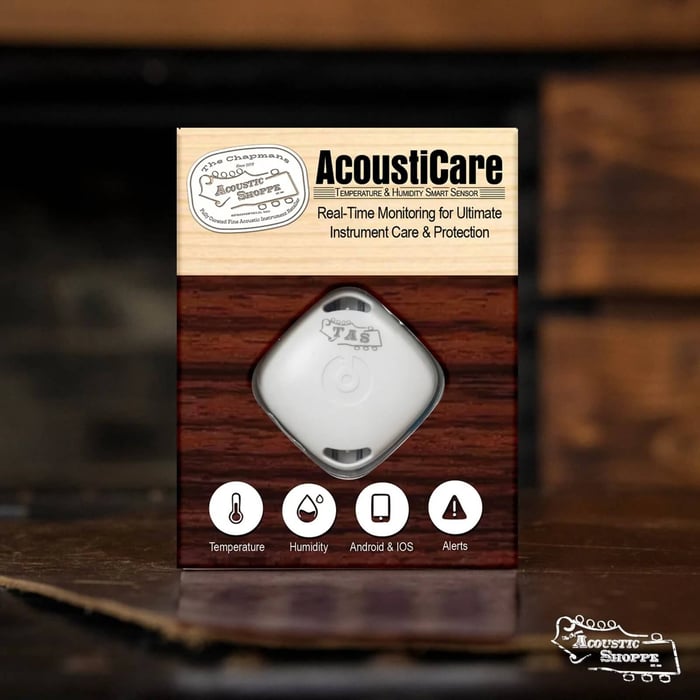 Instead of watching the clock for 24 hours, you can use science. Simply scan the QR code on the external packaging, sync the AcoustiCare App to your phone, and monitor the internal vitals of the instrument. You don't have to wonder if it's safe; the app will send you an alert the moment the internal temperature matches your room’s environment. This "Smart Unboxing" is part of our commitment to providing the best customer experience in the acoustic world. More about the Dread-Not Guarantee
What Should You Expect Inside the Box?When you finally open your shipment, you’ll notice we don’t just throw a guitar in a standard cardboard container. Our shipping process is a vital part of long-term acoustic instrument care. We utilize:
Aeris Inflatable Packaging: This specialized air-cushion system is the gold standard for shipping fragile instruments, suspending them in a column of air to prevent impact damage.
The 23-Point Inspection Sheet: Every instrument we sell—regardless of price—is hand-inspected and set up by our professional luthiers. You’ll find your personally signed checklist inside.
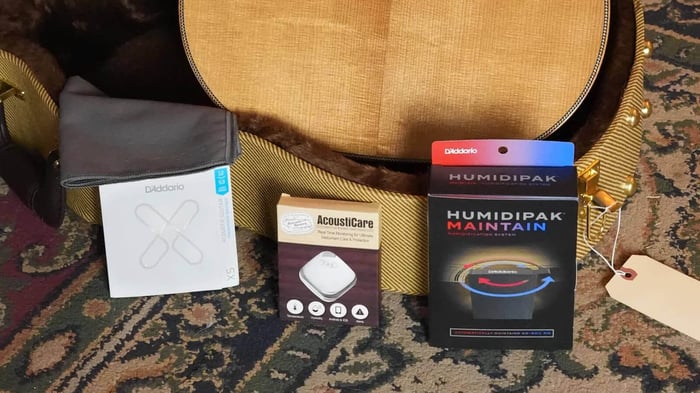
Premium Extras: For all Dread-Not qualifying instruments, we include a D'Addario Humidipak starter kit to jumpstart your humidity control. Plus, every instrument comes with a polishing cloth and a fresh change of strings set to your specific preference.
Is My New Guitar Protected by the Dread-Not Program?
We treat every customer like family, but for those investing in a high-end piece, we offer an elevated level of protection. Here is how our standard service compares to the Dread-Not experience:
| Feature | Standard Purchase | Dread-Not Qualified ($1,000+) |
| Professional Setup | Yes, 23-Point Inspection | Yes, Play-Ready Certified |
| Trial Period | 14-Day Satisfaction | 30-Day Evaluation Period |
| Trade-In Policy | Standard | 1-Year Trade-In Guarantee |
| Climate Monitoring | Manual Observation | Bluetooth Sensor Included |
| Humidity Control | No Humidipak included | Humidipak Starter Kit Included |
| Strings | Fresh Strings installed | Fresh Strings Of Your Preference |
How Do I Manage Humidity for Acoustic Instruments?
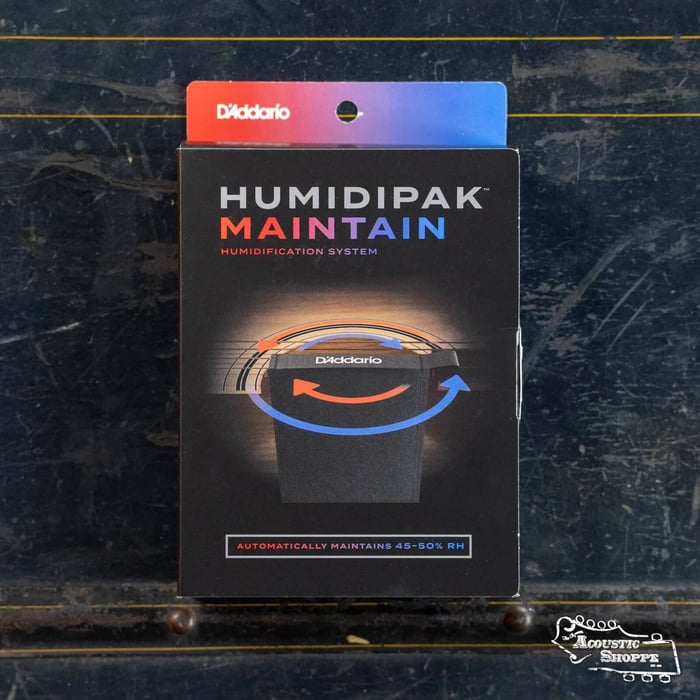 Your instrument’s biggest enemy isn't a clumsy friend—it's dry air. Maintaining proper acoustic instrument care means becoming a master of your environment. Wood needs moisture to maintain its structural integrity. If the air gets too dry, the wood shrinks, the top may sink, and the frets might begin to feel sharp on the edges of the neck.
You should aim for a consistent humidity level of 45%–55%. To help you achieve this, we provide a D'Addario Humidipak starter kit with all Dread-Not qualifying instruments. If you have the AcoustiCare sensor from that same program, the app will alert your phone if the air in your house or case drops below the safety zone. For those without a sensor, we highly recommend purchasing a room hygrometer to keep a close eye on your practice space. Shop D'Addario Humidipaks
What are the Best Daily Habits for Instrument Maintenance?
Beyond the initial unboxing, daily acoustic instrument care will keep your guitar sounding its best for decades.
Case Storage: Always store your instrument in its hard-shell case when not in use. It is significantly easier to control the climate in a small case than in a large room.
The Post-Play Wipe Down: Use a clean microfiber cloth after every session to remove oils and acidity from your hands. This protects the hardware from corrosion and keeps the finish from becoming cloudy.
Regular String Changes: Fresh strings don't just sound better; they prevent grime buildup on your fretboard.
Acoustic Guitar Care: The Ultimate Guide for Cleaning, Humidity, Storage, String Care
Frequently Asked Questions about Acoustic Instrument Care
What happens if I open my guitar box too early?
Opening the box before it has reached room temperature can cause "finish checking." This doesn't usually affect the sound, but it creates permanent cracks in the lacquer that significantly decrease the instrument's visual beauty and resale value.
Do I need to humidify my guitar in the summer?
While winter is the most dangerous time due to heaters drying out the air, air conditioning in the summer can also strip moisture from your home. It is best to monitor your humidity levels year-round to ensure they stay within the 45%–55% range. More FAQs
Ready to Experience the Difference?
At The Acoustic Shoppe, we don't just sell instruments; we protect your investment from the moment it leaves our doors. Whether you are looking for your first beginner guitar or a boutique heirloom, our team is here to ensure your musical journey starts on the right note.
Acoustic Shoppe FAQ
What is the "24-hour rule" for a new guitar?
The 24-hour rule is the practice of leaving a shipped instrument in its box for one full day before opening. This allows the guitar to acclimate slowly to your home’s temperature and humidity, preventing the finish from "checking" or cracking due to sudden climate shock.
How do I know if my guitar is acclimated and safe to open?
If you have a Dread-Not qualified instrument from The Acoustic Shoppe, you can use the AcoustiCare app to check the internal sensor. For others, the box should feel room temperature to the touch. When in doubt, waiting the full 24 hours is the safest way to ensure proper acoustic instrument care.
What is "finish checking" and is it permanent?
Finish checking consists of small, hairline cracks in the lacquer caused by rapid temperature changes. While it usually doesn't affect the structural integrity or sound of the guitar, it is permanent and can significantly lower the instrument's resale value.
What is the ideal humidity level for an acoustic guitar?
The "sweet spot" for acoustic instruments is between 45% and 55% relative humidity. Keeping your instrument in this range prevents the wood from drying out (shrinking) or becoming over-saturated (swelling).
Can I just leave my guitar on a stand in my living room?
While guitars look great on stands, it is much harder to control the climate in a large room than in a case. For the best acoustic instrument care, we recommend storing your instrument in its hard-shell case with a humidifier like a D'Addario Humidipak.
What are the signs of a dry guitar?
Common signs include "fret sprout" (sharp fret ends sticking out), a sunken top, low string action causing buzz, or visible cracks in the wood. If you notice these, you should increase the humidity in your case immediately.
Do I need to humidify my guitar in the summer?
Yes. While winter heating is notoriously drying, air conditioning in the summer also removes moisture from the air. You should monitor your humidity levels year-round to protect your investment.
What is the benefit of the 23-point inspection at The Acoustic Shoppe?
Unlike big-box retailers, we hand-inspect every instrument to ensure the neck is straight, the bridge is secure, and the playability is perfect. We even change the strings to your preference so it is ready to play the moment you unbox it.
How often should I wipe down my instrument?
You should use a clean polishing cloth to wipe down the strings and the body after every play session. This removes the oils and salts from your skin that can corrode strings and dull the finish over time.
What comes in the D'Addario Humidipak starter kit?
The kit includes specialized pouches that provide "two-way" humidity control. They automatically add moisture if the air is too dry or absorb moisture if it’s too humid, maintaining that perfect 45-55% range without any guesswork.