
Table of Contents
Mandolin Under $1000: Two Eastmans, Two Very Different Answers
The question we hear most often from players who are ready to get serious: what's the best mandolin under $1000? It's the right question, but it has more than one right answer — and the wrong answer for your situation will cost you either money or enjoyment. At The Acoustic Shoppe, we're the #1 worldwide Eastman dealer, and the two instruments we recommend most confidently in this price range are the Eastman PCH M104 and the Eastman MD305. They share a brand and a price tier. Beyond that, they're built for completely different players.
What Separates a Good Mandolin Under $1000 From a Great One?
Most mandolins in this range cut at least one corner. The top is laminated. The nut is plastic. The setup comes from a factory floor, not a luthier. What Eastman does differently — and why we've staked our reputation on carrying them as our primary mandolin line — is build instruments in this price tier with the same material discipline applied to instruments costing twice as much.
Both the PCH M104 and MD305 ship with a solid spruce top. That matters more than almost any other spec on a mandolin. A solid top vibrates as a single coherent piece of wood rather than as bonded layers. It produces clearer note separation, responds more dynamically to your pick attack, and — critically — it improves as you play it. Laminate tops don't open up over time. A solid top does, and the difference is audible by year two.
The separation point between these two instruments comes down to construction method, body style, and what you're asking the instrument to do.
Eastman PCH M104: Specs at a Glance
| Feature | Specification |
|---|---|
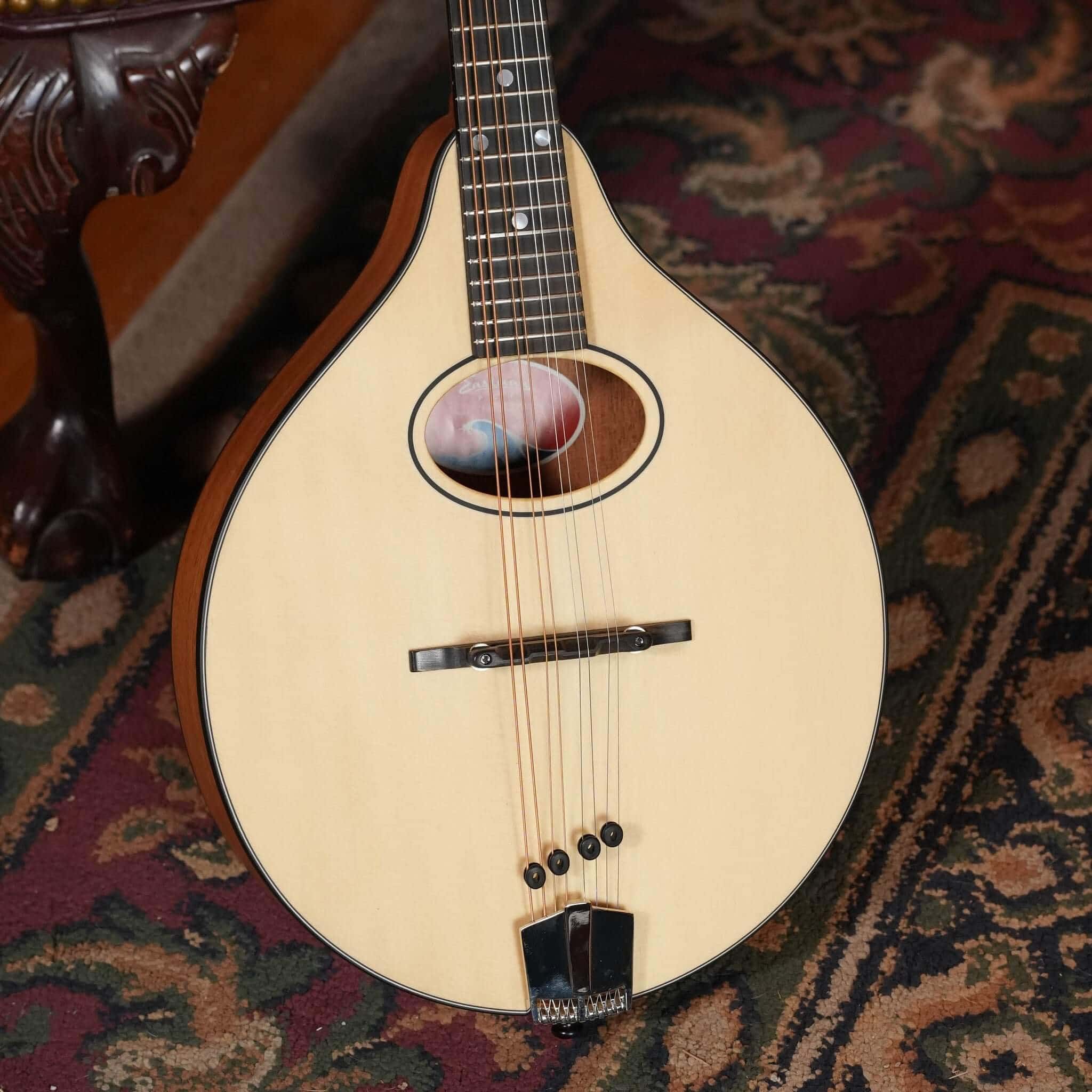
| Body Style | A-Style, Flat Back, Oval Hole |
| Top | Solid Spruce |
| Back & Sides | Laminated Mahogany |
| Neck | Maple |
| Fingerboard | Rosewood, 12" radius |
| Nut Width | 30mm |
| Finish | Truetone Satin |
| Strings | D'Addario XT Phosphor Bronze |
| Includes | Padded gig bag |
Eastman MD305: Specs at a Glance
| Feature | Specification |
|---|---|
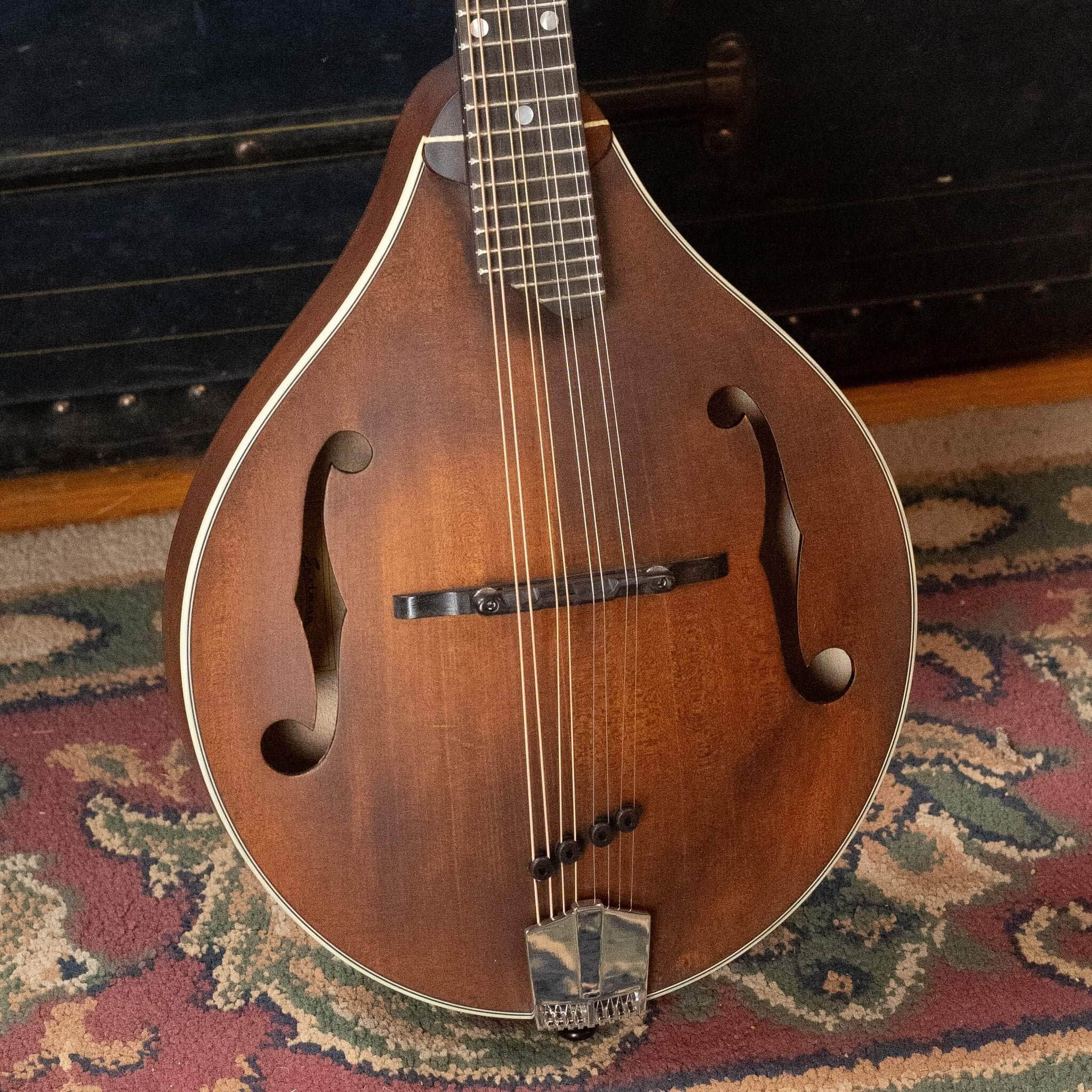
| Body Style | A-Style, Carved, F-Holes |
| Top | Solid Spruce, Hand-Carved |
| Back & Sides | Solid Maple, Hand-Carved |
| Neck | Maple |
| Fingerboard | Ebony, 12" radius |
| Nut | Bone, 1-3/32" |
| Fretwire | Jescar FW37053 |
| Scale Length | 13 7/8" |
| Finish | Satin |
| Includes | Padded gig bag |
How Does Each One Sound?
This is where the instruments genuinely diverge, and where you need honest information rather than marketing language.
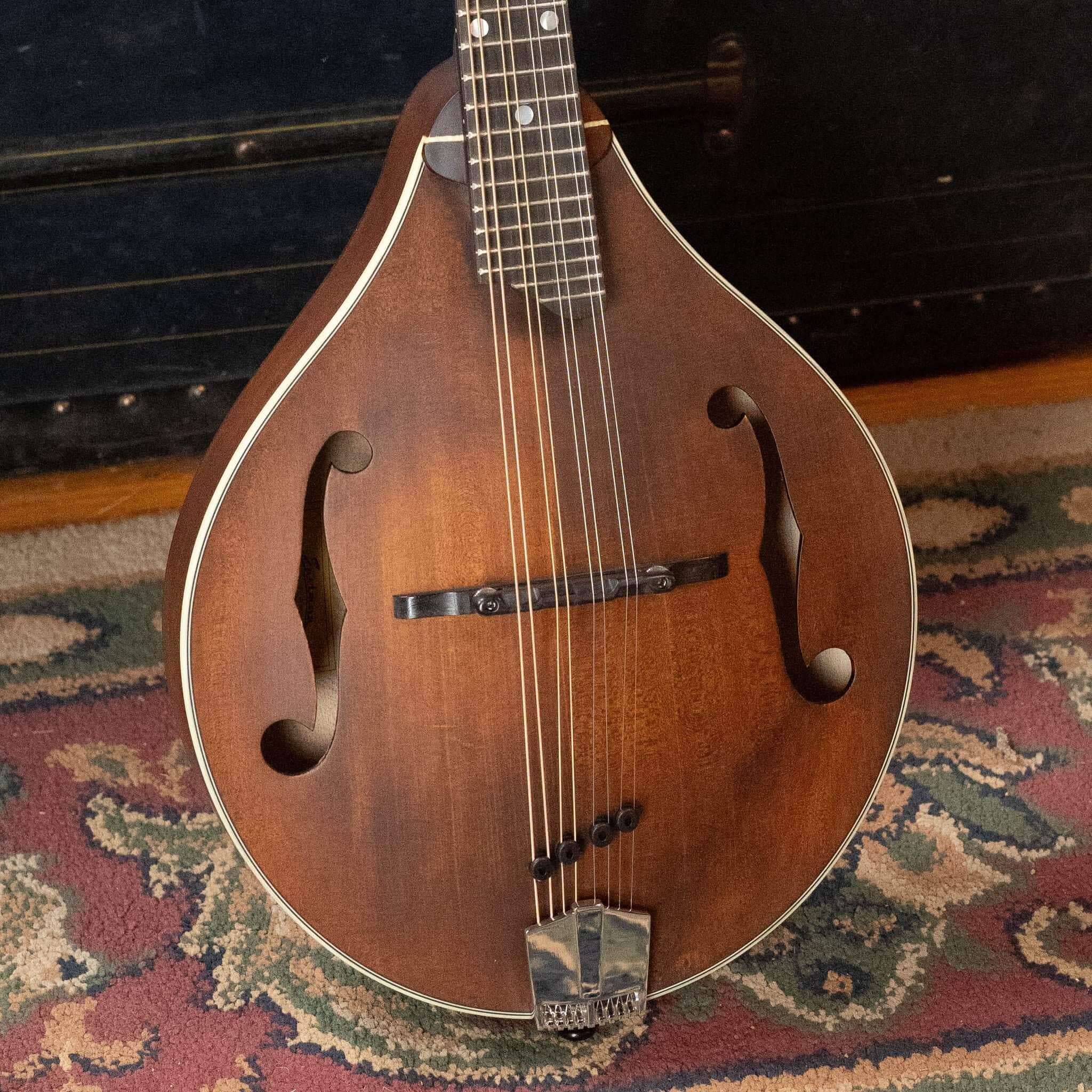
The PCH M104 is a flat-back mandolin with an oval soundhole and laminated mahogany back and sides. The oval hole produces a rounder, warmer tone — fuller in the low-mids, less of the focused punch you hear on a carved F-hole instrument. The mahogany back and sides add warmth without the brightness of maple. For fingerpickers, folk players, Celtic players, and anyone who wants a mandolin that blends into an ensemble rather than cuts through it, this is a genuinely excellent instrument at a price point that removes every excuse for putting off the purchase.
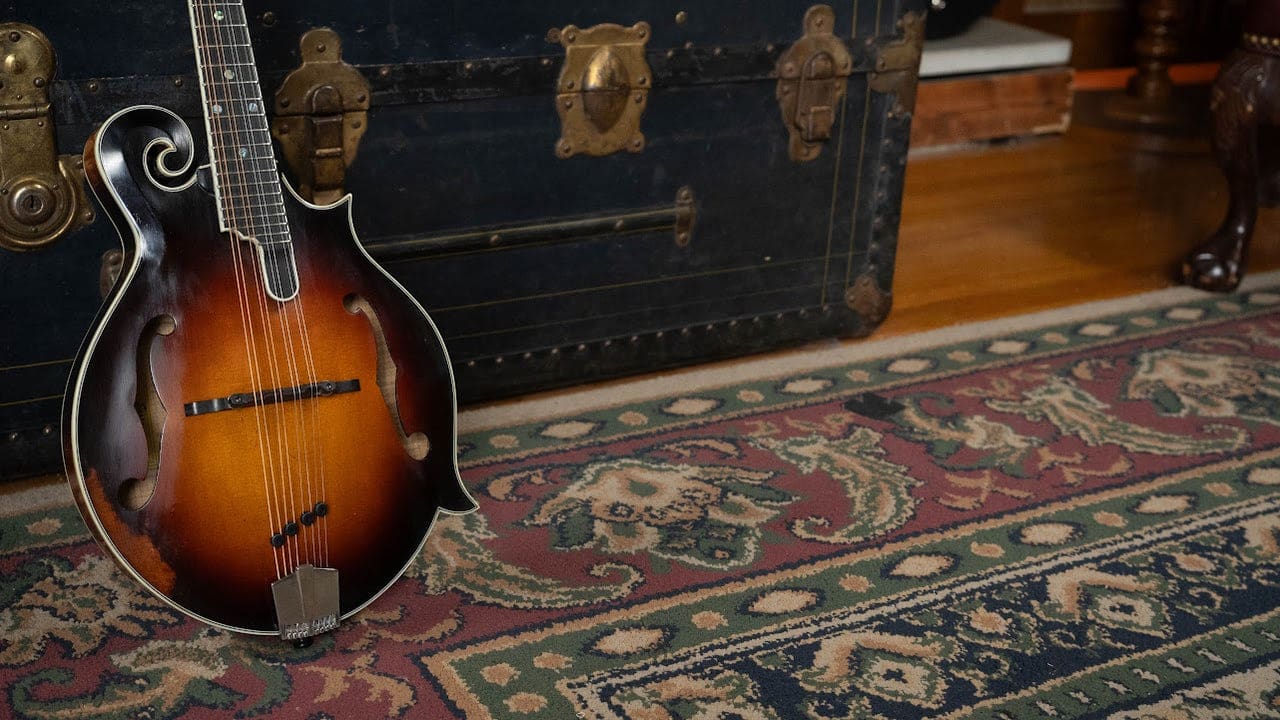
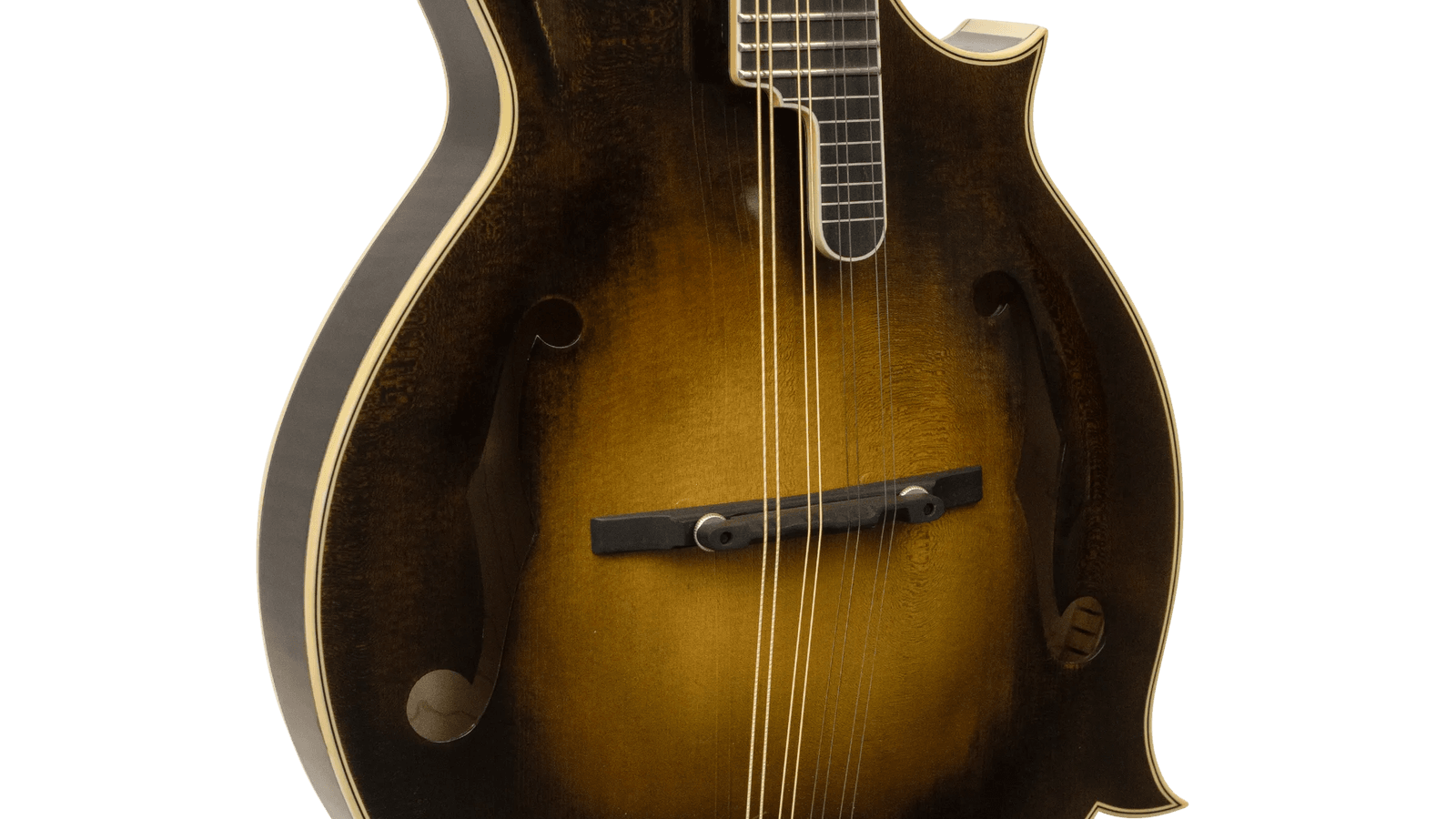
The MD305 is a hand-carved instrument — top, back, and sides — and that distinction shows up immediately in how it responds. A hand-carved spruce top is graduated by a luthier, not stamped to a uniform thickness. The result is an instrument with real dynamic headroom: it responds differently to a light touch than a hard strum, which is what separates a musical instrument from a loud box. The F-holes focus the projection forward. Solid maple back and sides add brightness and note separation. Under aggressive flatpicking, the MD305 produces the kind of frontward attack — tight, immediate, with clarity across all four courses — that bluegrass players are specifically hunting for.
Which Mandolin Under $1000 Is Right for You?
Here's the honest framework we use when a customer calls:
- If you're new to mandolin and not sure whether you'll stick with it, the PCH M104 is the correct answer. You get a solid-top Eastman with real tone at a price that makes the decision easy. When you outgrow it, it holds its value.
- If you already play and you're upgrading from a laminate or a lesser brand, the MD305 is where you want to land. The hand-carved construction, ebony fingerboard, and bone nut represent a genuine jump in build quality that you will feel in your hands within the first hour.
- If bluegrass is your primary style, skip the PCH and go straight to the MD305. The carved top, F-holes, and maple back and sides are purpose-built for that genre. The PCH M104 is a fine instrument, but its oval hole and mahogany voicing are optimized for something different.
- If you want the new 2026 model, Eastman just released the MD305 Wide Nut Adirondack — same MD305 platform with an Adirondack spruce top and a 1 3/16" nut. Adirondack is stiffer than Sitka, which means more dynamic headroom under aggressive playing and a tone that opens up faster. If you have the budget, it's worth the step up.
Every instrument we sell goes through our 23-Point Professional Inspection before it ships — action adjusted, intonation verified, nut slots dressed. A properly set-up mandolin at $500 plays better than a neglected one at $1,500. That's not a marketing claim; it's physics.
What Accessories Do You Need?
Whether you choose the PCH or the MD305, a few additions will make an immediate difference:
- Mandolin Tone-Gard — Keeps the back of the instrument off your body, letting the wood vibrate freely. The volume increase is noticeable. For the MD305 especially, this is worth adding at purchase.
- Fresh strings — Both instruments ship with D'Addario XT Phosphor Bronze, which is a solid choice. Keep a spare set on hand. Strings are the cheapest tone upgrade available and most players change them far too infrequently.
- A quality case — The gig bags included with both instruments are adequate for transport, but if you're gigging or traveling, a hardshell case protects your investment from humidity swings and impact.
- A clip-on tuner — Mandolin stays in tune differently than guitar. A dedicated clip-on tuner you can reach mid-song is worth more than you'd expect.
Featured Accessory
Tone-Gard Mandolin Sunrise
The Tone-Gard suspends the back of your mandolin off your knee or body so the wood vibrates freely on all sides. Players consistently notice an immediate increase in volume, resonance, and overall openness — particularly on carved instruments like the MD305 where the back contributes significantly to the instrument's voice.
Shop the Tone-Gard Sunrise →The best mandolin under $1000 is the one that matches how you actually play, not the one with the most impressive spec sheet. If you're still not sure which direction fits your situation, call us. That's what we're here for.
Shop the Eastman PCH M104 → | Shop the Eastman MD305 → | Browse Our Full Mandolin Collection →