
Table of Contents
- What Makes an Instrument One of the Top 5 Guitars for Songwriters?
- Why Is the Martin D-28 the Industry Standard for Writers?
- Is the Taylor 814ce Better for Modern Songwriting?
- Why Is the Furch Little Jane the Ultimate Travel Companion?
- How Does the Gibson J-45 Support the Human Voice?
- Can a Boutique-Style Guitar Like the Yairi DYM66 Inspire New Ideas?
- Comparison of the Top Songwriter Picks:
- How to Choose Your Writing Partner
- Frequently Asked Questions about Songwriting Guitars
- Find Your Muse at The Acoustic Shoppe
- Acoustic Shoppe FAQ
What Makes an Instrument One of the Top 5 Guitars for Songwriters?
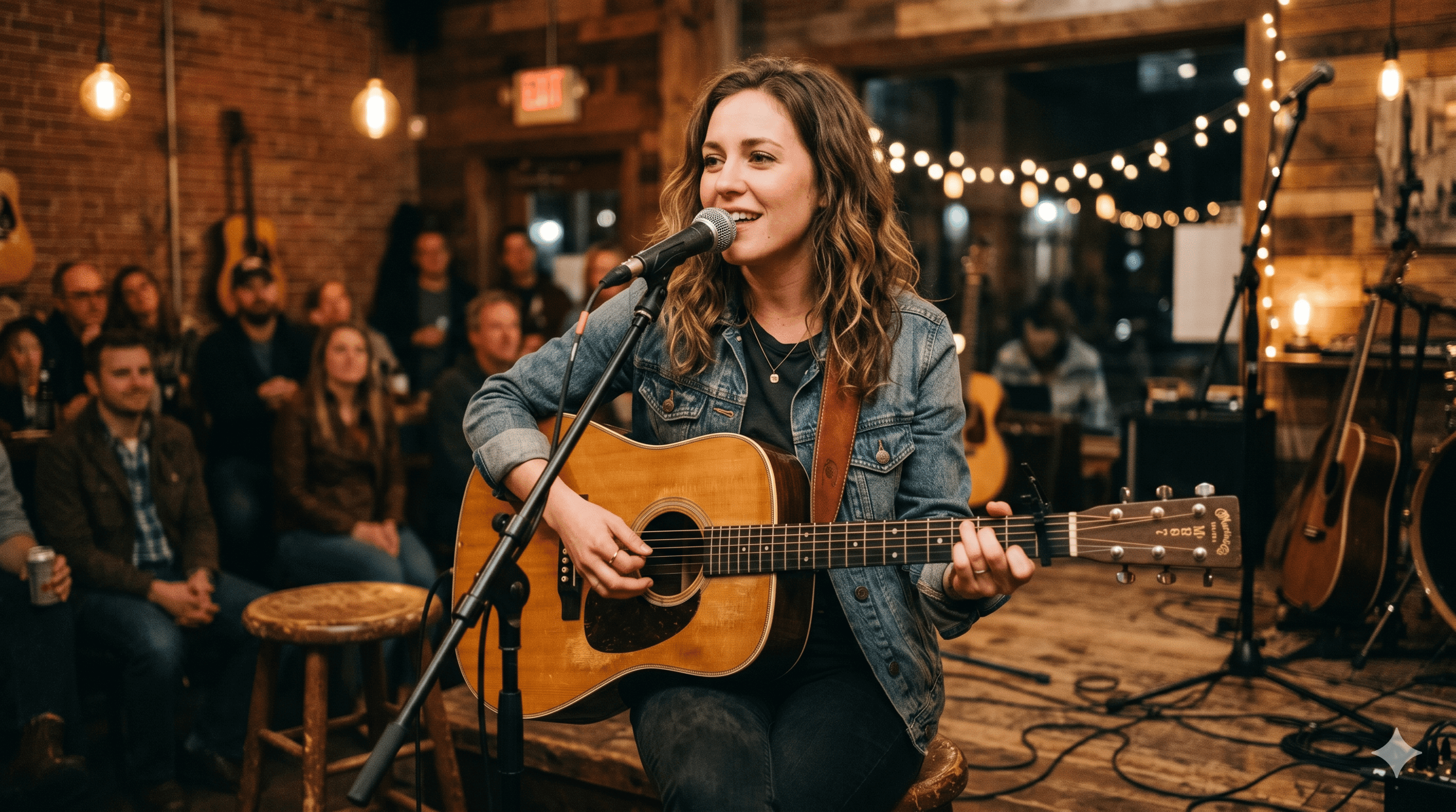
The relationship between a writer and their instrument is sacred, and finding the right entry in the Top 5 Guitars for Songwriters can be the spark that ignites your next hit. A songwriting guitar needs to be more than just a loud box; it needs to be a "blank canvas" that supports your vocals without competing with them. It should be comfortable enough for hours of rehearsal and reliable enough to capture a demo at a moment's notice. At The Acoustic Shoppe, we’ve selected five instruments that offer the perfect blend of tonal balance, playability, and inspiration.
 Why Is the Martin D-28 the Industry Standard for Writers?
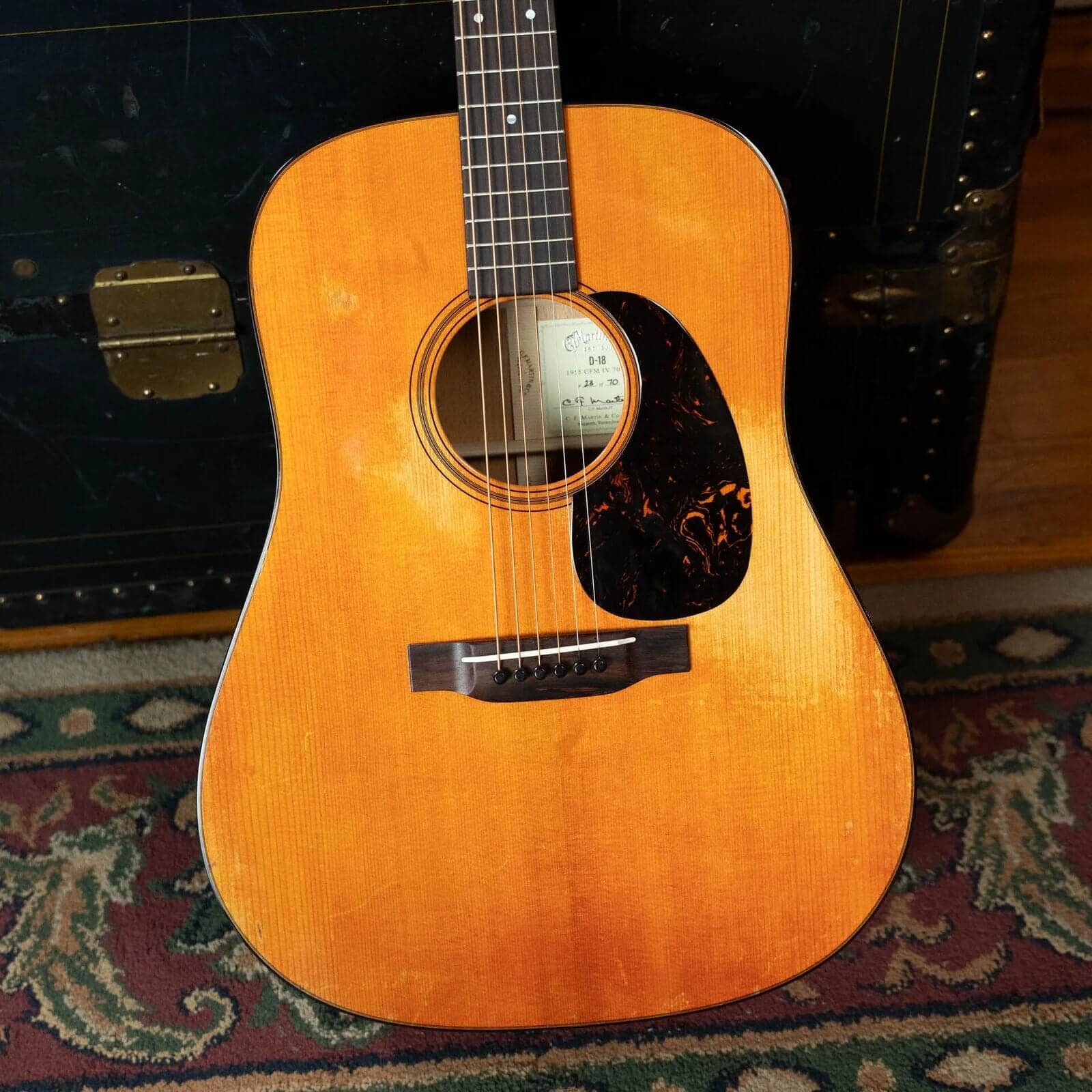
No list of the Top 5 Guitars for Songwriters is complete without the Martin D-28. Known as the "workhorse" of the music world, its rosewood and spruce construction provides a rich, foundational bass that allows a singer’s voice to sit perfectly on top. From Bob Dylan to Joni Mitchell, the D-28 has been the primary tool for some of the greatest lyrics ever written. It is an investment in a sound that the world already knows and loves. [Link to a relevant product: The Martin D-28 Standard]
 Is the Taylor 814ce Better for Modern Songwriting?
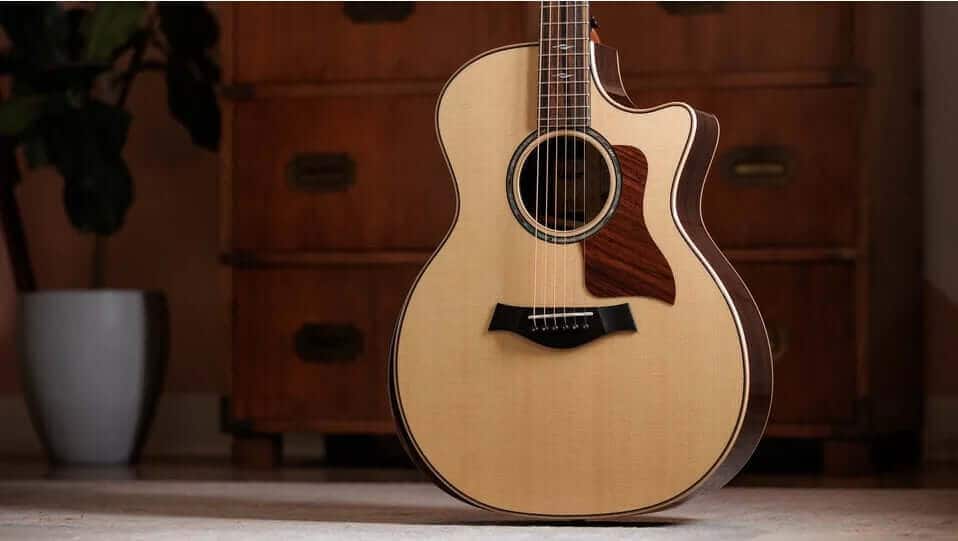
If your songwriting involves intricate fingerpicking or modern alternate tunings, the Taylor 814ce is a formidable contender for the Top 5 Guitars for Songwriters. Its Grand Auditorium body shape provides more clarity and "sparkle" than a traditional dreadnought, making it ideal for the studio. The V-Class bracing increases sustain, meaning your chords ring out longer, giving you more space to find the right melody. [Link to a relevant product: The Taylor 814ce]
 Why Is the Furch Little Jane the Ultimate Travel Companion?
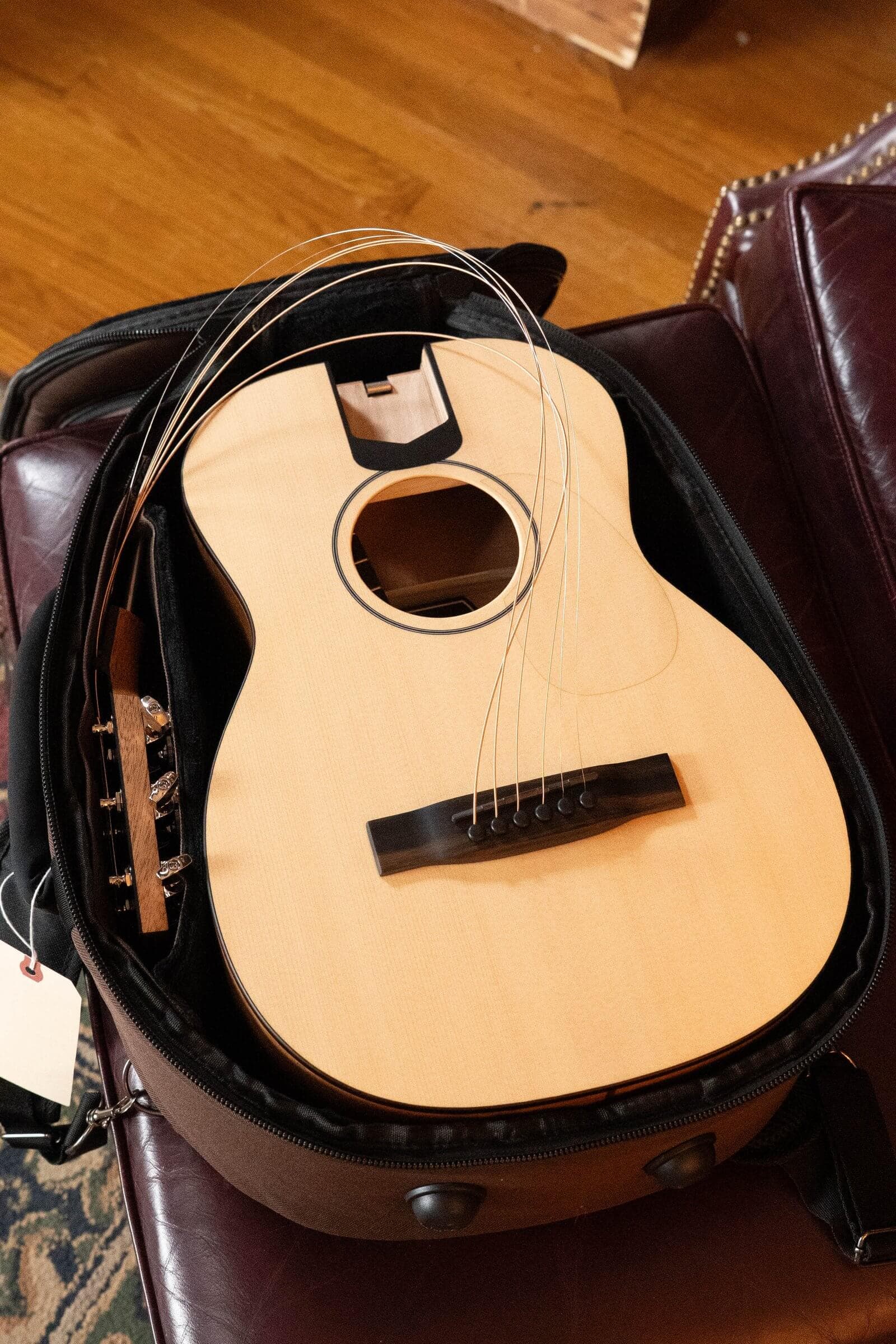
For the songwriter who finds inspiration on the road, the Furch Little Jane is an absolute revelation in the Top 5 Guitars for Songwriters. Unlike other travel guitars that compromise on tone, the Little Jane is a high-quality, all-solid wood instrument that literally folds in half. Its solid cedar top and mahogany back produce a warm, resonant voice that ensures your "road songs" sound professional from the moment they are written. [Link to our main Furch Guitars collection page]
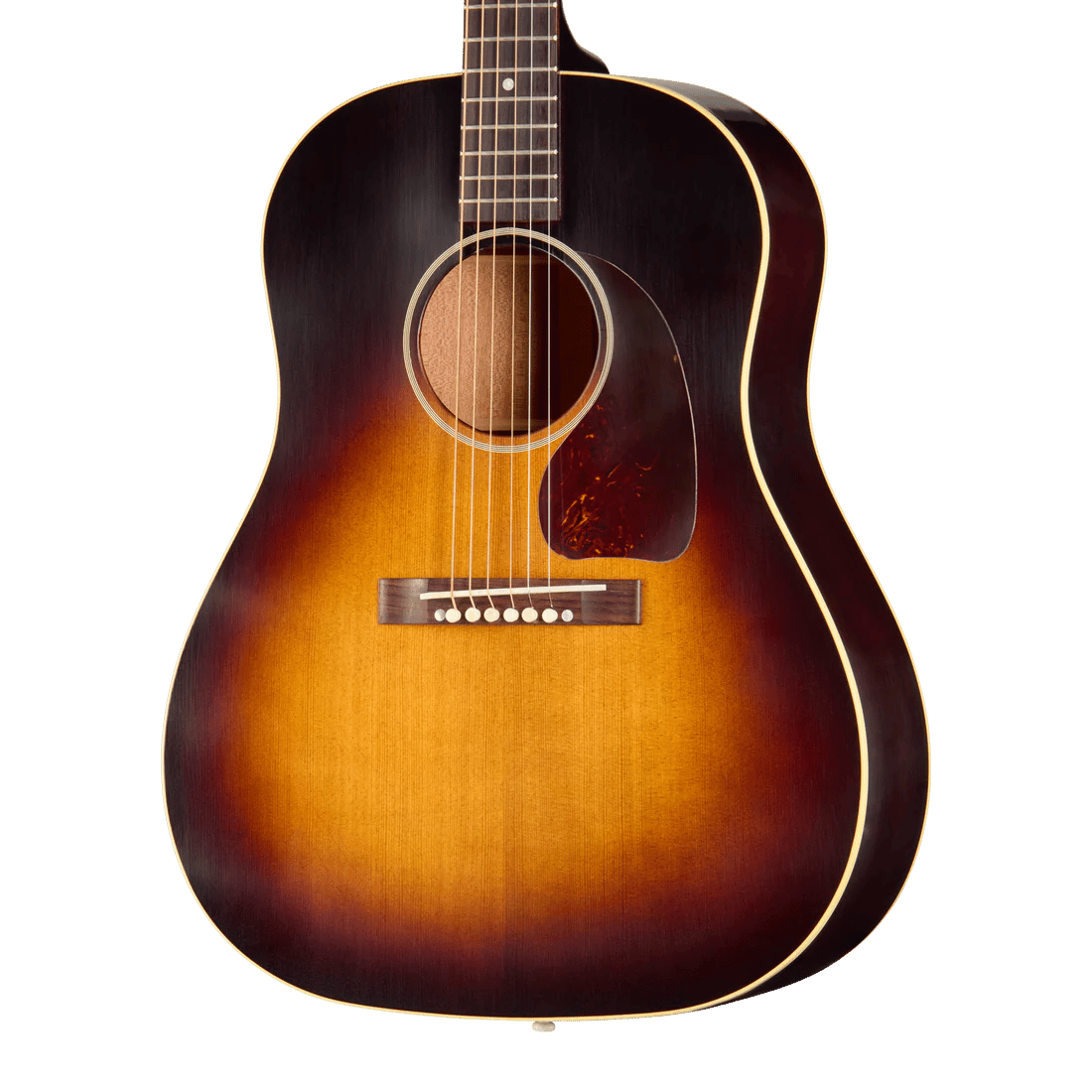 How Does the Gibson J-45 Support the Human Voice?
Often called "The Workhorse," the Gibson J-45 is famous for its "sloped shoulder" design. This combination creates a dry, mid-forward sound that leaves a "hole" in the frequency spectrum exactly where the human voice sits. If you are a folk or Americana artist, the J-45 provides an earthy thump that feels like home and rightfully earns its spot among the Top 5 Guitars for Songwriters. [Link to a relevant product: The Gibson J-45 Standard]
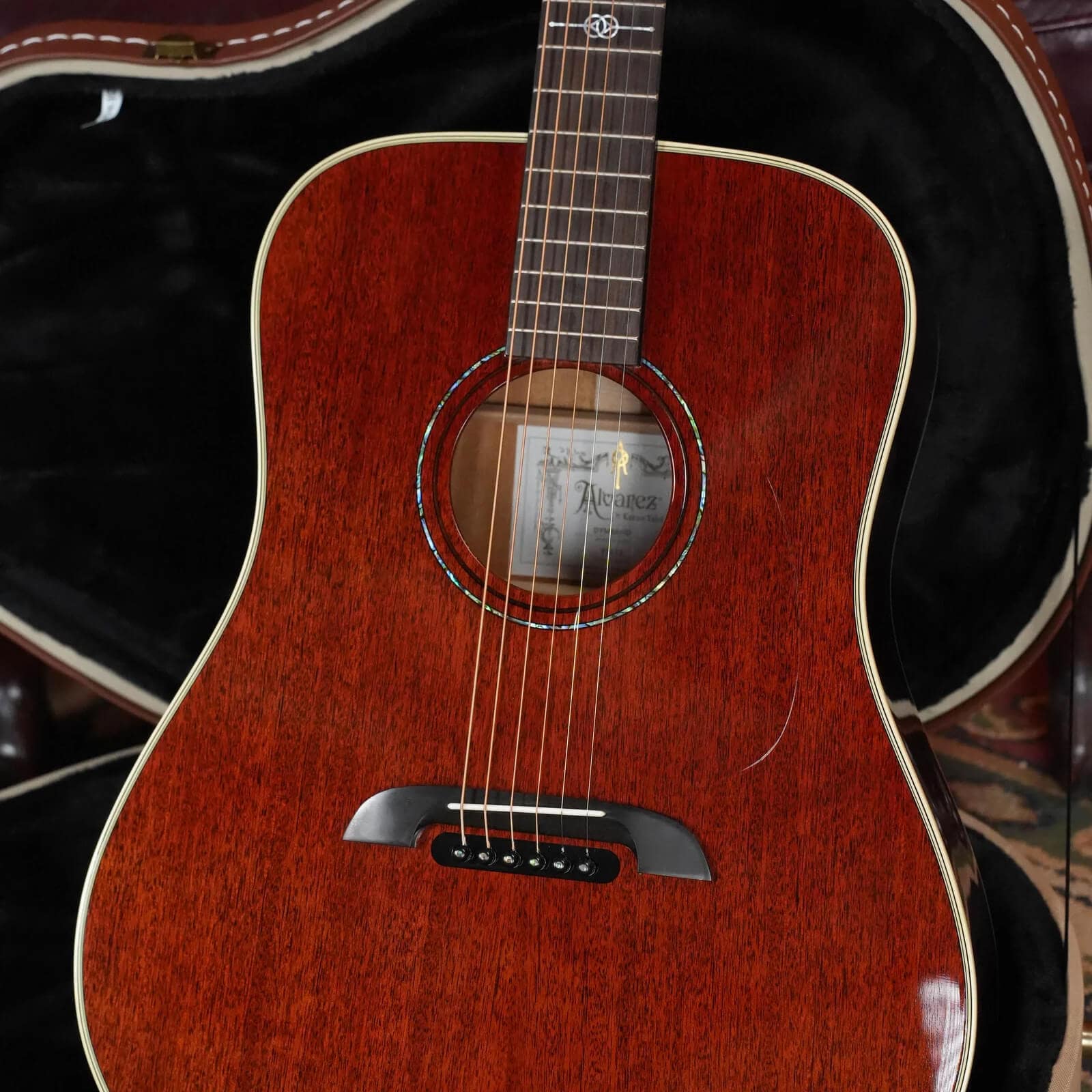 Can a Boutique-Style Guitar Like the Yairi DYM66 Inspire New Ideas?
Rounding out our Top 5 Guitars for Songwriters is the Alvarez Yairi DYM66. This all-mahogany masterpiece is for the writer who wants a warm, vintage vibe. All-mahogany guitars have a unique "darkness" that can lead a songwriter into new creative territory, while the Japanese craftsmanship ensures playability is effortless. [Link to a related blog post: 'Japanese Craftsmanship in Guitars']
Comparison of the Top Songwriter Picks:
| Model | Body Shape | Tonewood Pair | Primary Vibe |
| Martin D-28 | Dreadnought | Spruce/Rosewood | Classic & Powerful |
| Taylor 814ce | Grand Auditorium | Spruce/Rosewood | Modern & Articulate |
| Furch Little Jane | Travel (Solid Wood) | Cedar/Mahogany | Innovative & Warm |
| Gibson J-45 | Slope-Shoulder | Spruce/Mahogany | Earthy & Dry |
| Yairi DYM66 | Dreadnought | All-Mahogany | Warm & Melancholic |
How to Choose Your Writing Partner
Consider these factors when browsing the Top 5 Guitars for Songwriters:
Vocal Range: Match your guitar's tonewood to your voice. Why Tonewood Matters
Comfort: Smaller bodies are better for long writing sessions. [Link to 'Dreadnought vs. OM']
Recording: Consider how the guitar will sound through a mic.
Frequently Asked Questions about Songwriting Guitars
Does the Furch Little Jane really stay in tune? Yes! Thanks to precision engineering, you can disassemble and reassemble the guitar and be back in tune within seconds.
Should I get a guitar with electronics? For most songwriters, yes. Having a built-in pickup makes it much easier to quickly record a demo before the inspiration fades. Shop Now
Find Your Muse at The Acoustic Shoppe
Ready to find the instrument that will write your next song? Our shop is filled with "the ones" waiting for a creative partner. Explore our full collection of the Top 5 Guitars for Songwriters today and find the one that will inspire your music for years to come.
Shop for your Perfect Songwriter Guitar Now!
Acoustic Shoppe FAQ
Does body size matter for a songwriting guitar?
Absolutely. Smaller body shapes like a Grand Auditorium or an OM are generally more comfortable for sitting on the couch during long writing sessions. However, if your writing style leans toward heavy strumming or you have a very powerful singing voice, the sheer volume and "thump" of a larger dreadnought might be exactly what you need.
Which tonewood is best to complement a singer's voice?
It depends on your vocal range. Rosewood paired with spruce tends to offer a scooped midrange with deep lows and sparkling highs, leaving plenty of room for a vocal track. Mahogany, on the other hand, produces a dry, warm, and mid-forward tone that beautifully complements folk and Americana singers without overpowering their natural timbre.
Should I buy a guitar with built-in electronics for songwriting?
For most modern songwriters, yes. When inspiration strikes, having a built-in pickup system (like the Taylor Expression System 2) makes it incredibly easy to plug straight into an audio interface. This allows you to quickly lay down a demo track before you forget the melody, without the hassle of setting up microphones.
Are travel guitars like the Furch Little Jane loud enough for writing sessions?
Yes! While traditional travel guitars can sound thin or boxy, premium travel guitars like the Furch Little Jane are made with solid tonewoods and advanced bracing. This allows them to produce a warm, resonant, and surprisingly loud voice that easily fills a room and supports an unplugged vocal performance.
Do I need an expensive guitar to write good songs?
Not at all—a great song can be written on any instrument. However, a high-quality guitar provides better intonation, longer sustain, and a more inspiring tone. When your guitar stays in tune and resonates beautifully, it acts as a supportive co-writer, encouraging you to play longer and explore new musical ideas.