
Table of Contents
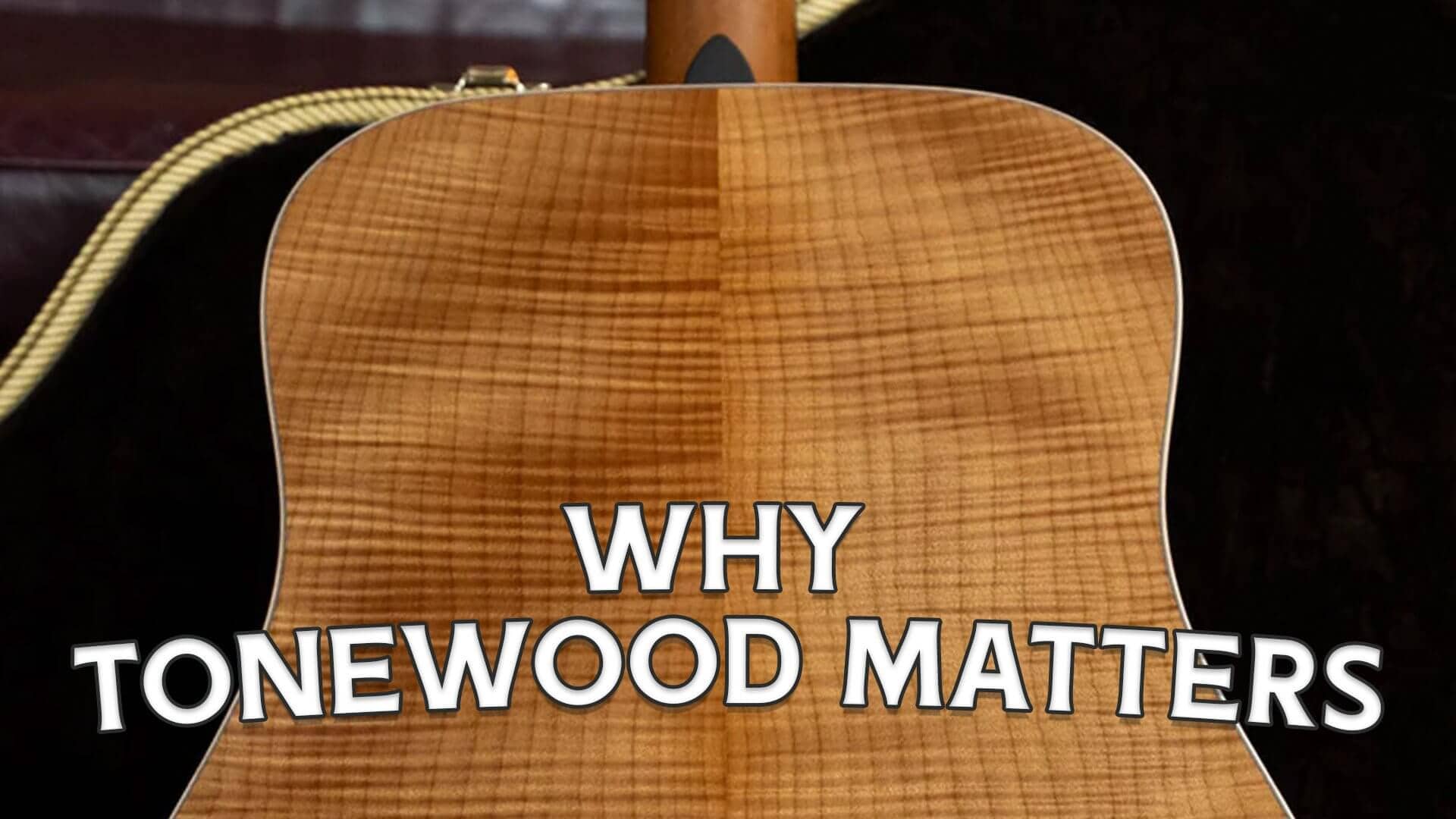
- Why Tonewood Matters is the most common realization a guitarist has when they transition from simply playing notes to truly listening to the voice of their instrument.
- How Does the Top Wood Function as the Guitar's Engine?
- What Is the Difference Between Mahogany and Rosewood?
- Why Should You Invest in All-Solid Wood Construction?
- Who Are Specific Tonewood Combinations For?
- How Does Tonewood Impact the Aging Process?
- Frequently Asked Questions about Tonewood
- Acoustic Shoppe FAQ
Why Tonewood Matters is the most common realization a guitarist has when they transition from simply playing notes to truly listening to the voice of their instrument.
How Does the Top Wood Function as the Guitar's Engine?
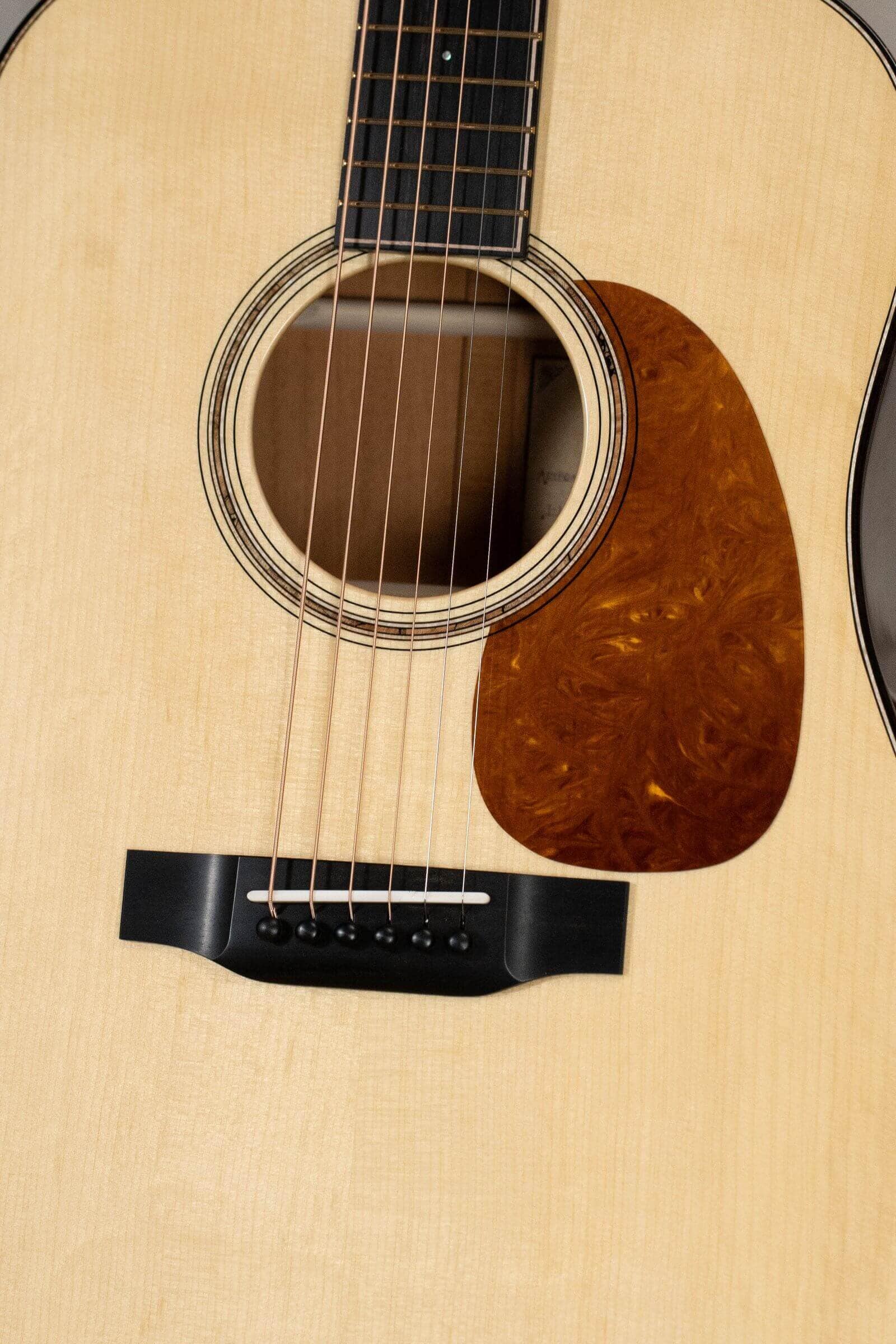
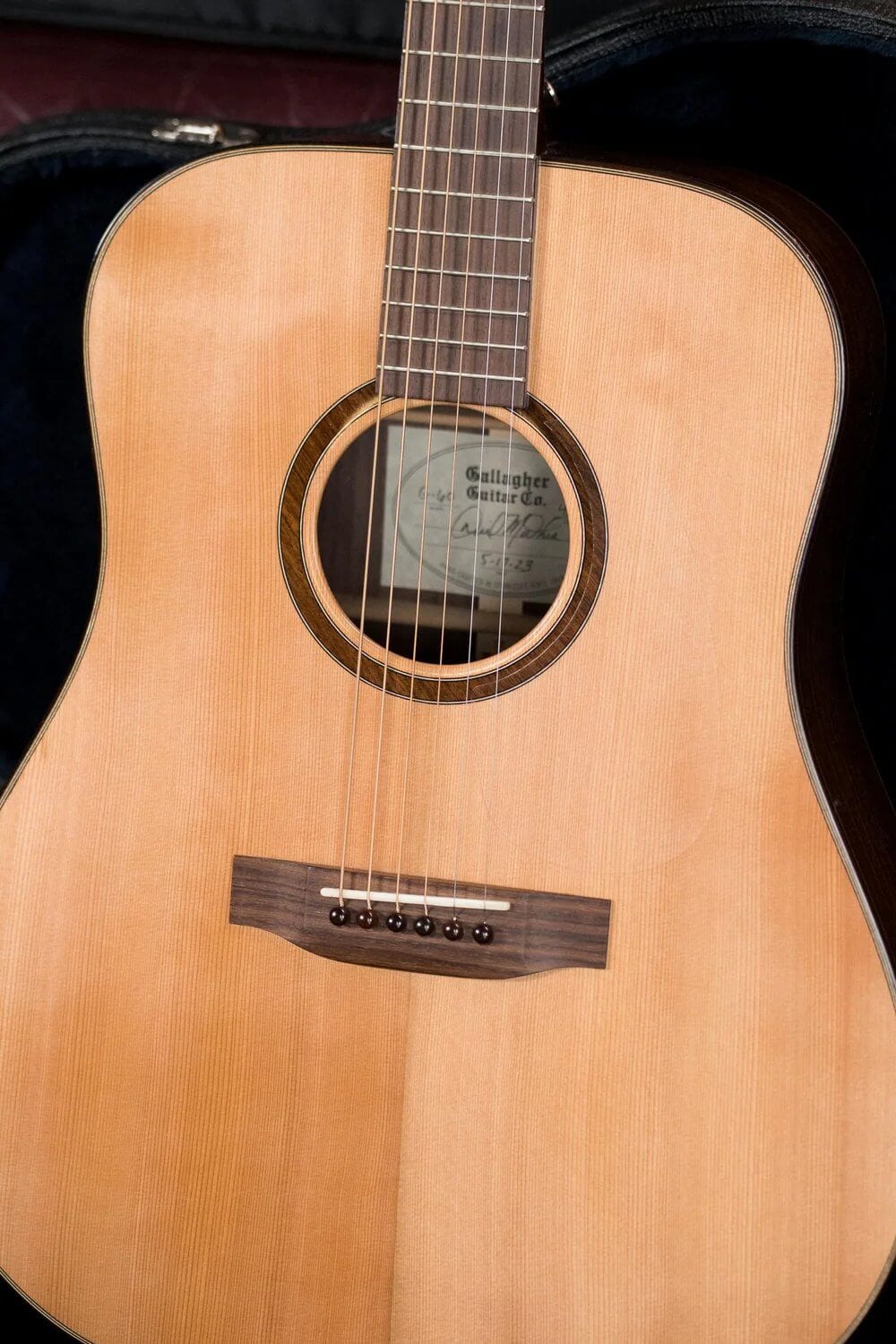
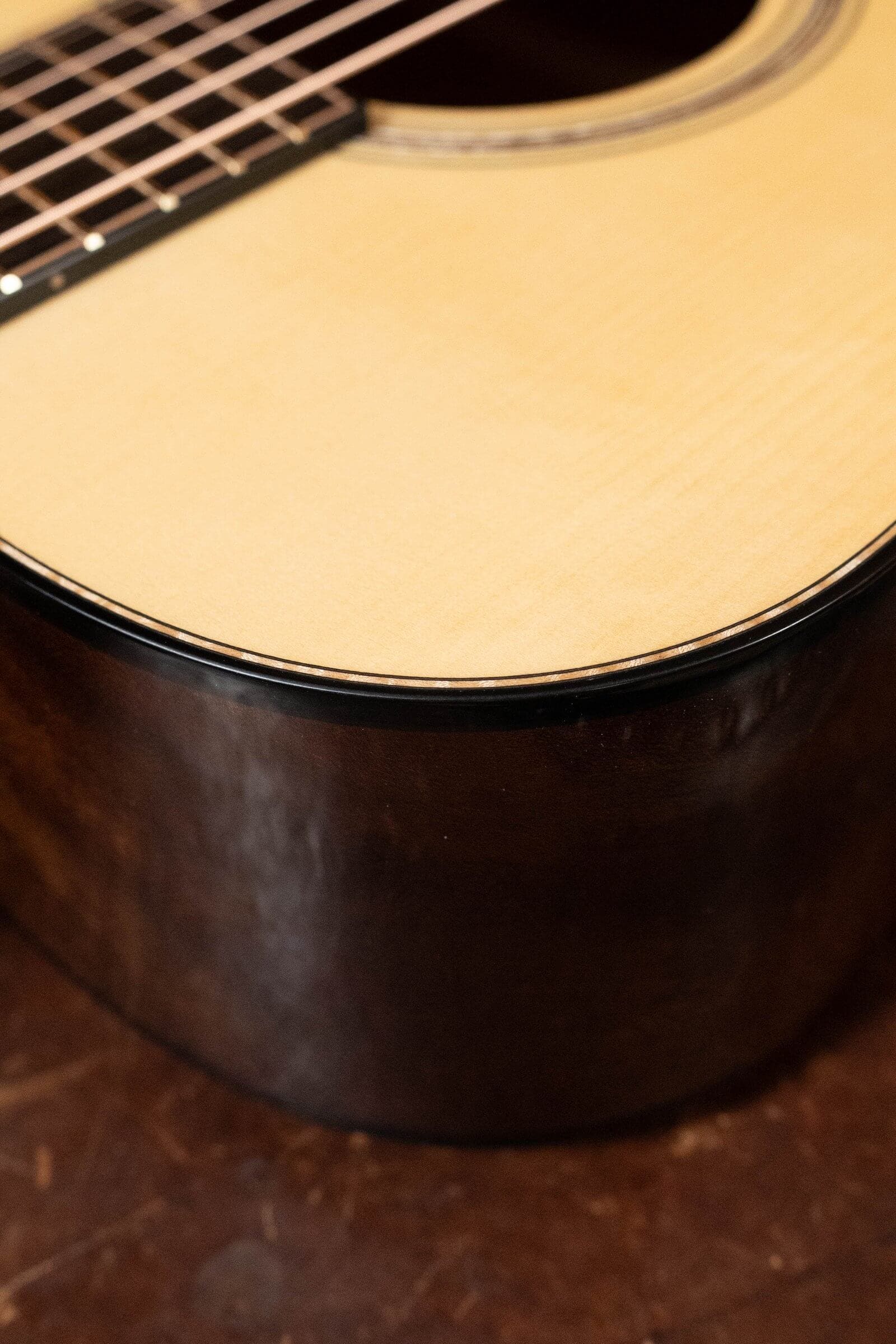
The soundboard, or top, is responsible for the majority of a guitar's volume and primary tone. Because it must be light enough to vibrate but strong enough to withstand roughly 185 lbs of string tension, certain woods have become industry standards.
Sitka Spruce: The most popular choice for its high strength-to-weight ratio.
Adirondack Spruce: Often called "Red Spruce," it offers the highest volume ceiling and incredible "punch."
Western Red Cedar: A softer wood that provides a "played-in" warmth immediately, making it a favorite for fingerstyle players.
What Is the Difference Between Mahogany and Rosewood?
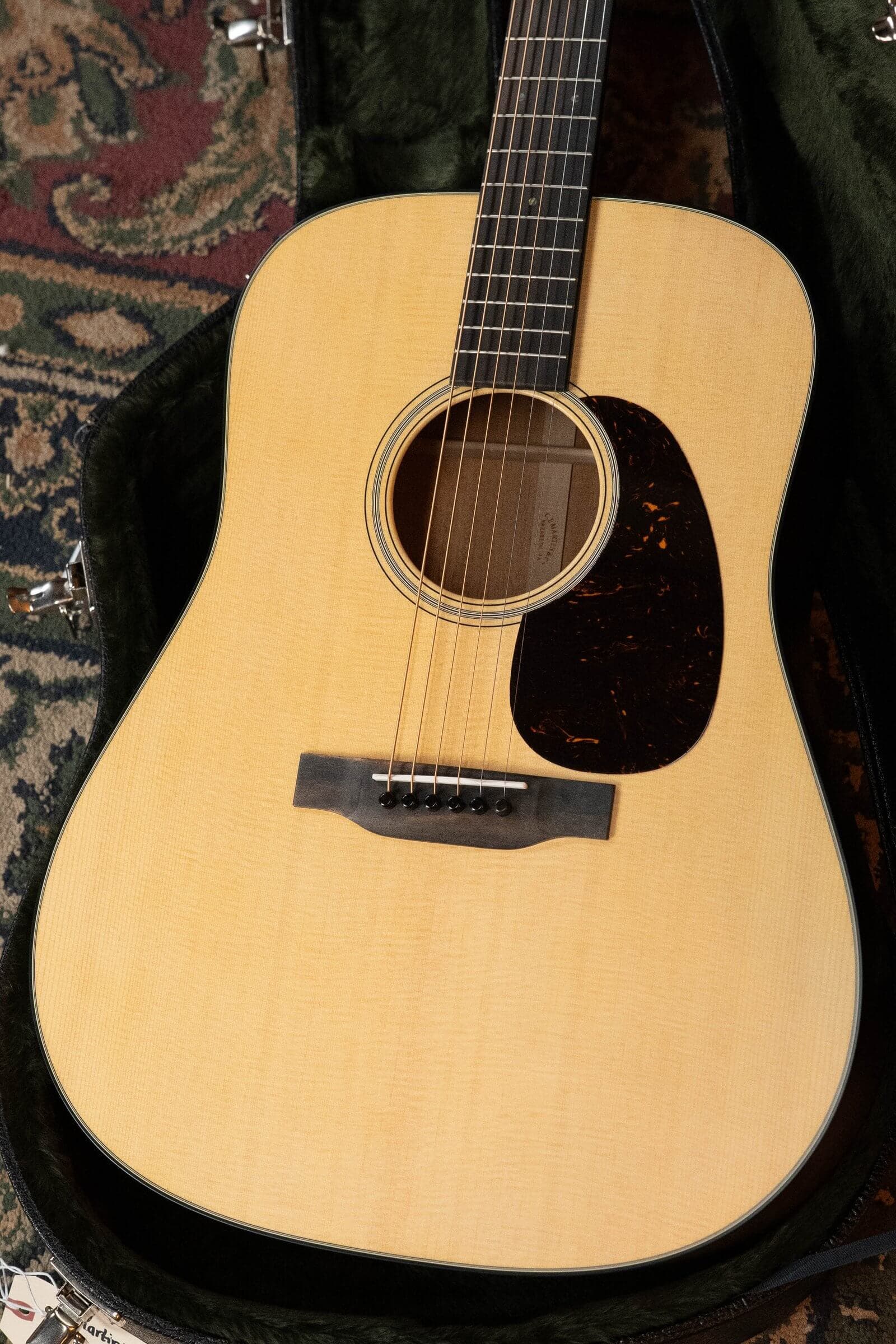
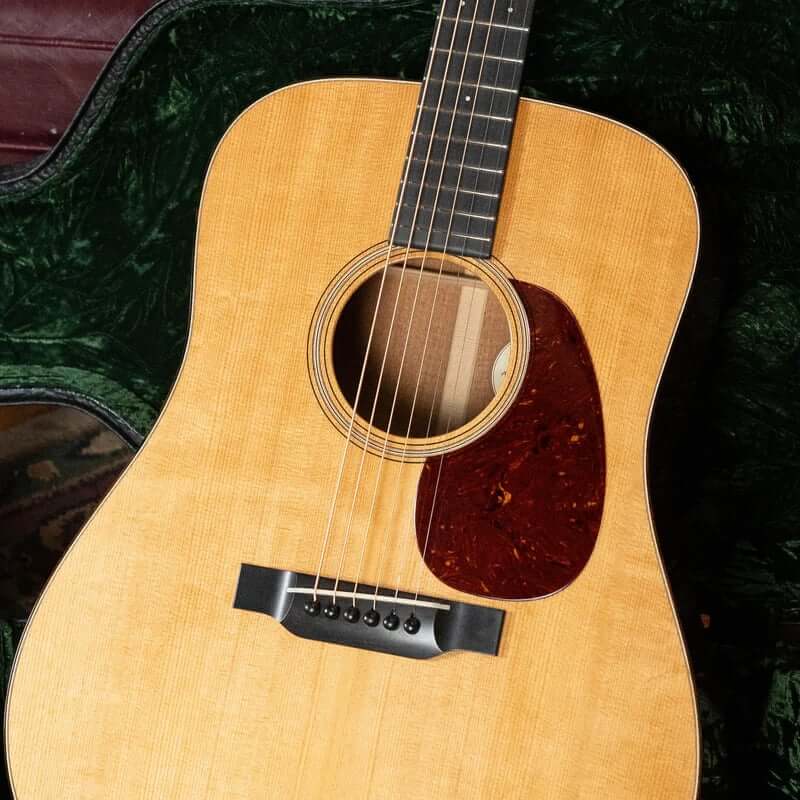
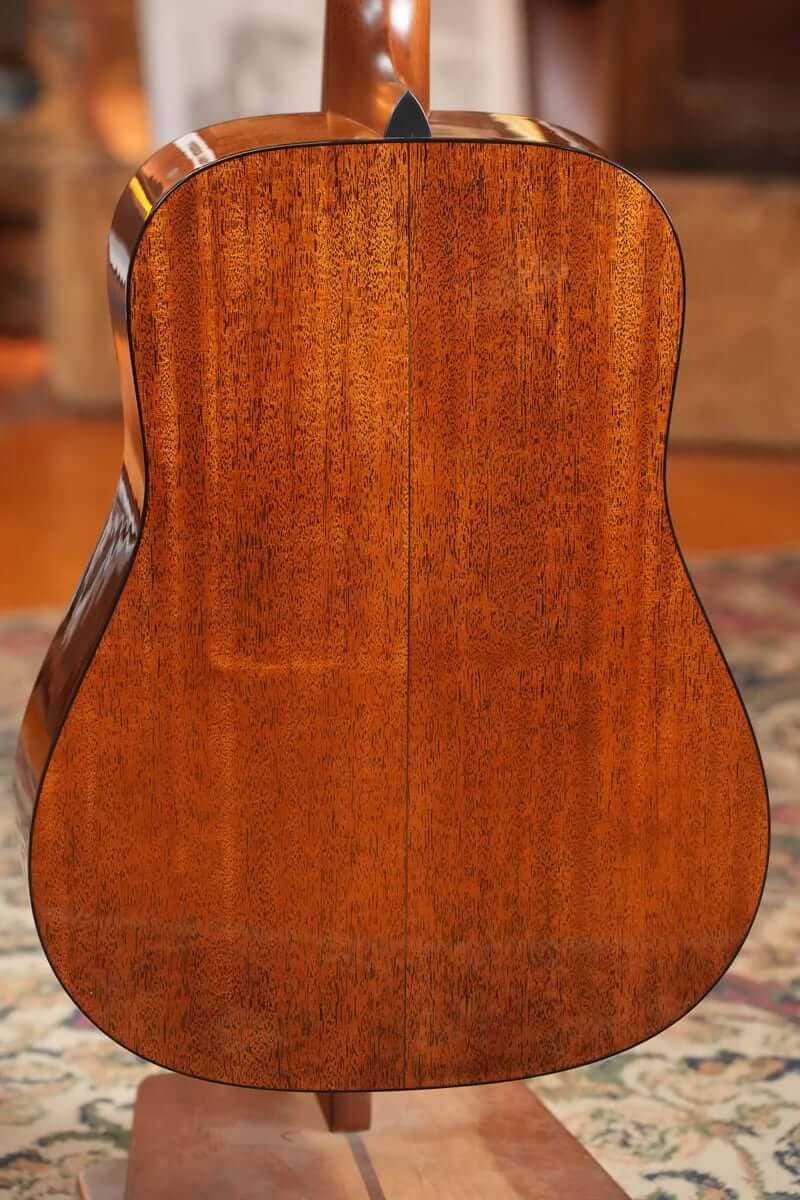
This is the classic debate in the acoustic world. Mahogany is celebrated for its "dry" and "woody" sound. It emphasizes the midrange frequencies, providing a clear, fundamental note with fewer overtones. This makes it ideal for recording, as it doesn't "clutter" a mix.
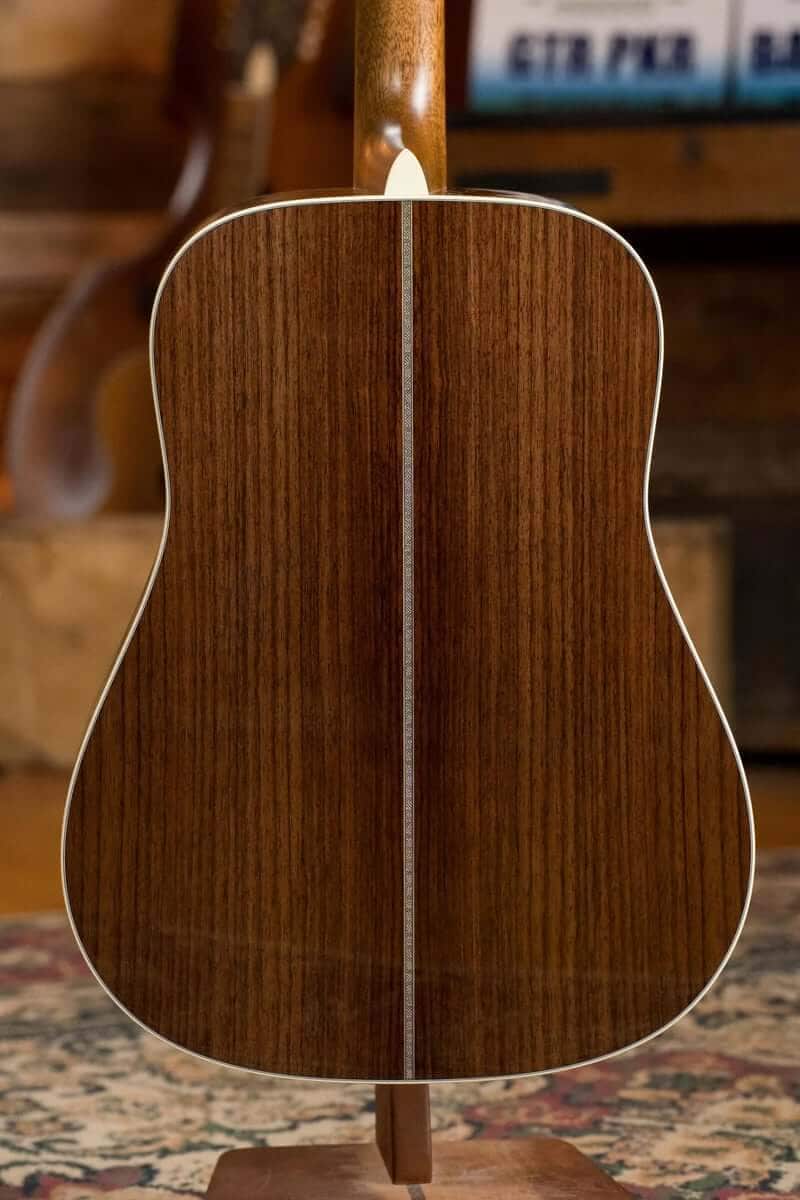
In contrast, Rosewood is much denser. This density leads to a "scooped" tonal profile with deep, rich lows and sparkling, bell-like highs. Rosewood provides complex overtones that ring out with a piano-like resonance. Shop Guitars
Why Should You Invest in All-Solid Wood Construction?
A primary reason why Tonewood Matters is the concept of "opening up." Solid wood is comprised of organic fibers that dry and vibrate more freely over time. The more you play a solid wood guitar, the more the resins within the wood break down, leading to increased volume and harmonic complexity. Laminate woods, while durable and budget-friendly, are sonically static; they will sound exactly the same in twenty years as they do today.
Comparison of Popular Body Tonewoods
| Wood Type | Tonal Profile | Common Use |
| Mahogany | Warm, Mid-focused, Punchy | Blues, Folk, Recording |
| Rosewood | Rich, Deep Bass, Sparkling Highs | Bluegrass, Solo Performance |
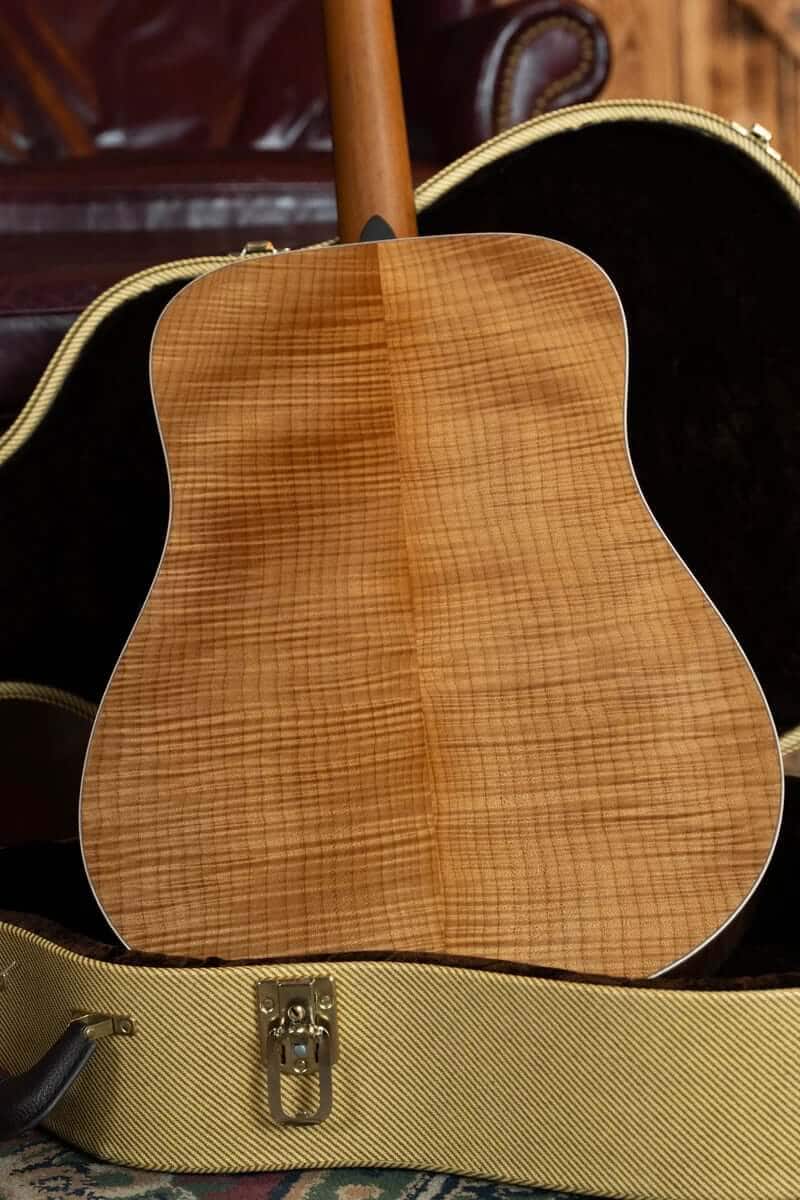
| Maple | Bright, Transparent, Quick Decay | Large Jumbos, Live Bands |
| Koa | Sweet, Bright, Beautiful Grain | Premium Custom Builds |
Who Are Specific Tonewood Combinations For?
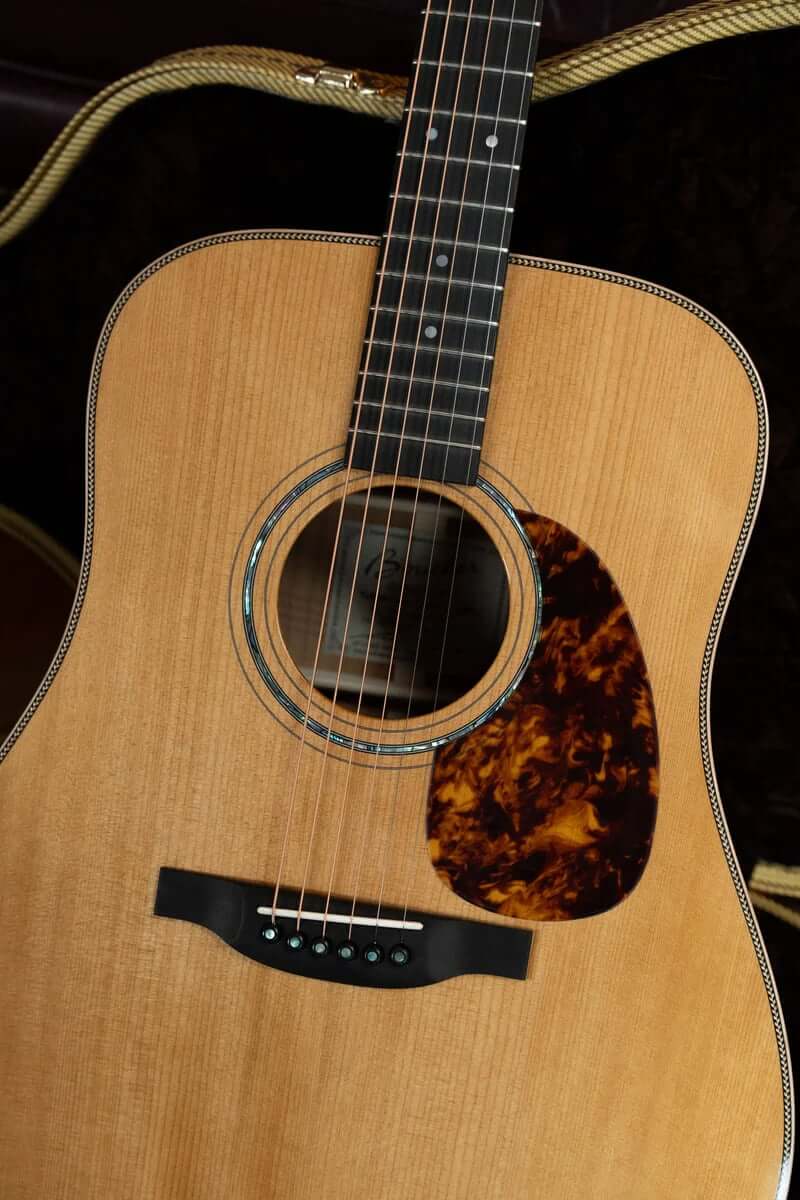
If you are a heavy-handed flatpicker, a Spruce and Mahogany combination—like the legendary Martin D-18—offers the projection and clarity you need to cut through a mandolin and banjo. If you prefer lush, solo arrangements, the overtone richness of a Rosewood and Spruce Martin D-28 will provide a more "orchestral" feel.
How Does Tonewood Impact the Aging Process?
As mentioned, solid tonewoods are a living medium. This is why vintage guitars are so highly sought after. At The Acoustic Shoppe, we often carry instruments that utilize "Torrefaction"—a process of baking the wood in an oxygen-free oven to mimic the cellular structure of aged wood.
A Guide to Thermo-Cured Instruments Understanding Why Tonewood Matters helps you decide if you want the crispness of new wood or the mellowed resonance of a vintage-spec instrument.
Frequently Asked Questions about Tonewood
Does the wood of the fretboard change the tone? Yes. Ebony fretboards are denser and provide a snappier, brighter attack, whereas Rosewood fretboards offer a slightly warmer feel and sound.
Is one tonewood "better" than another? No. Tonewoods are like colors on a palette. A bright Maple guitar isn't better than a dark Mahogany one; it simply serves a different musical purpose.
Ready to hear the difference for yourself? Understanding Why Tonewood Matters is just the beginning of your journey. Visit our showroom or browse our curated selection online to find the specific voice that matches your style. Our team of experts is ready to help you navigate our collection of world-class instruments.
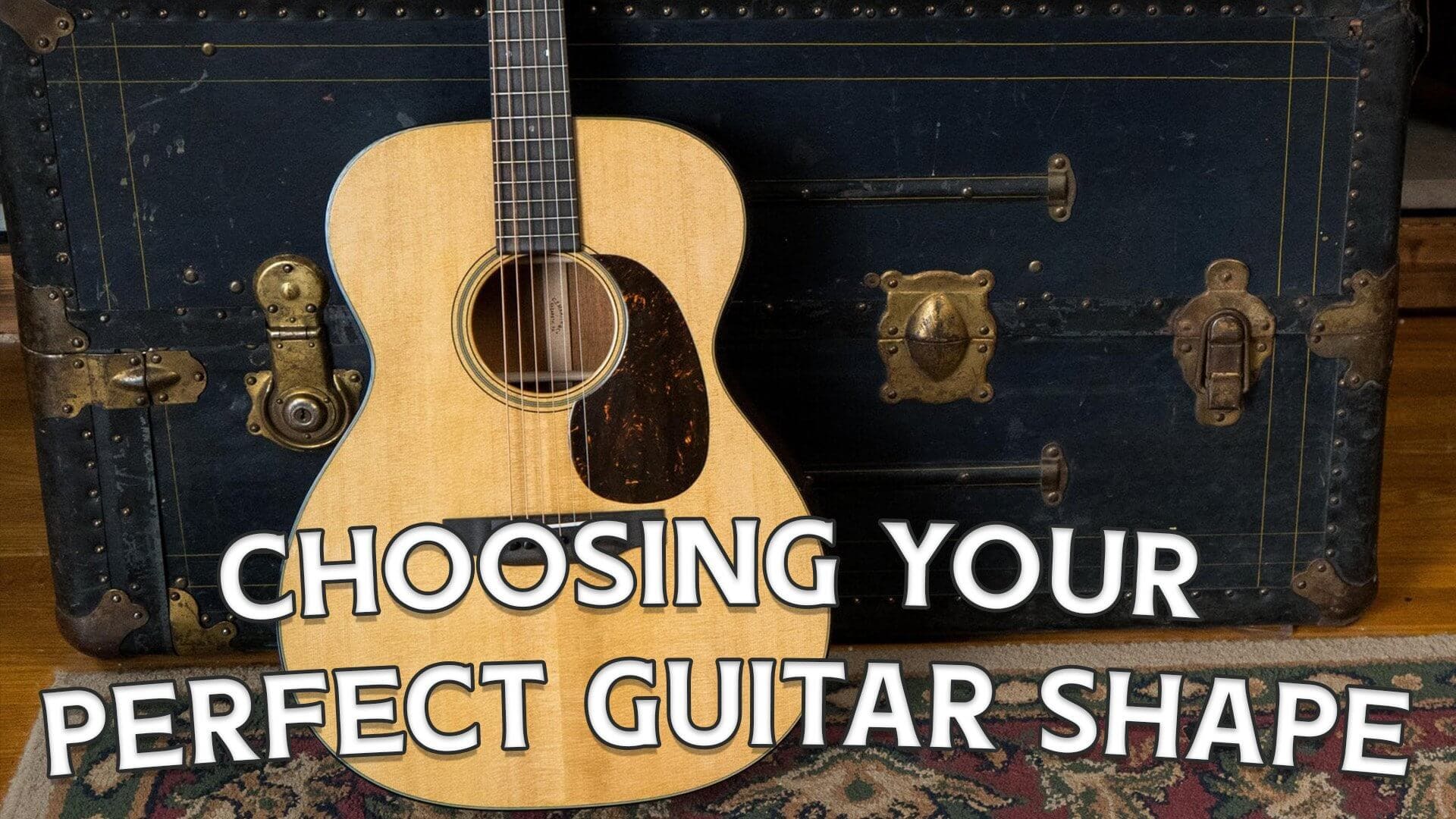
Dreadnought vs. OM: Choosing Your Perfect Guitar Shape
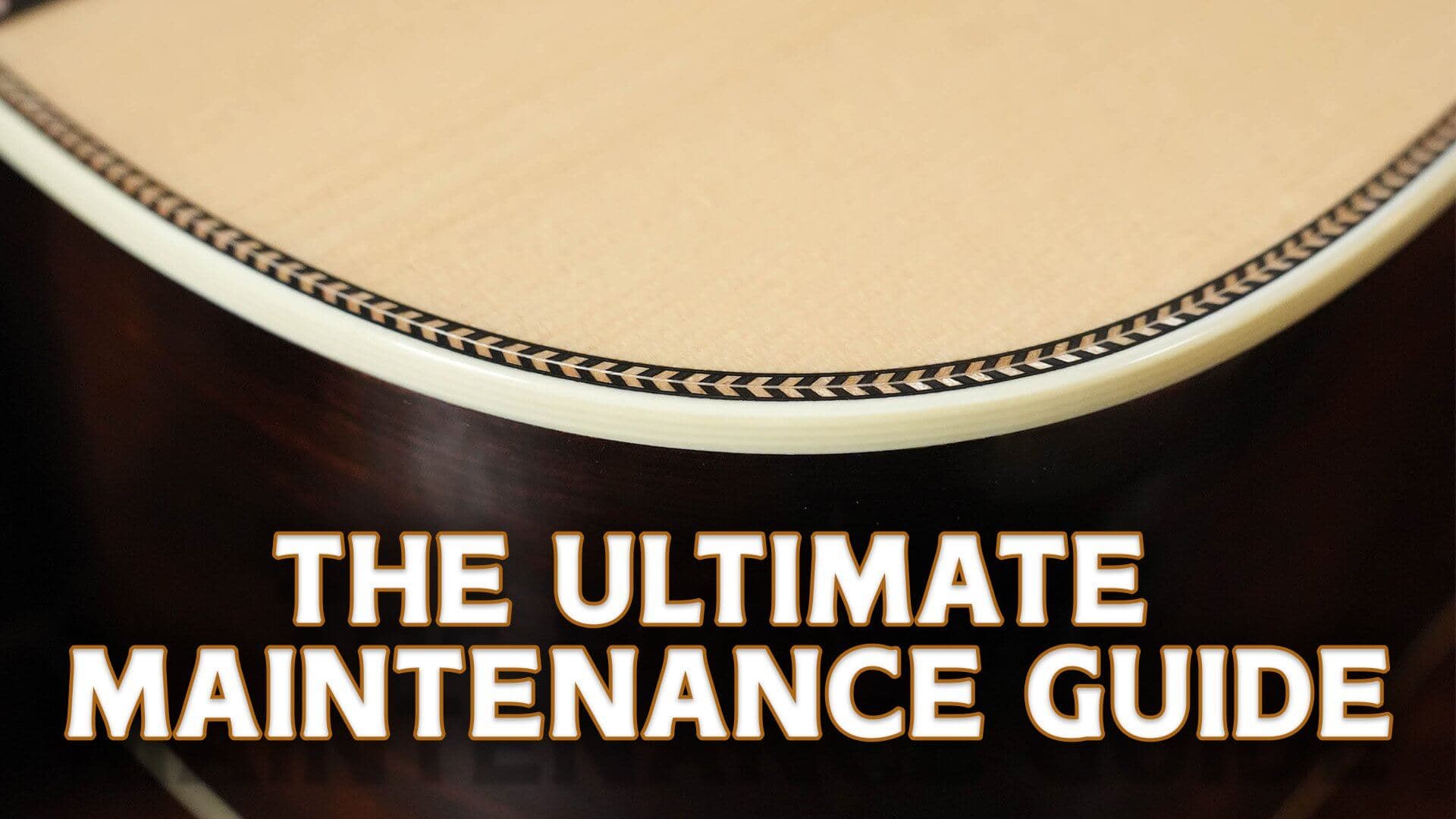
How to Care for an All-Solid Guitar: The Ultimate Maintenance Guide
Acoustic Shoppe FAQ
Does the type of wood really affect the sound of an acoustic guitar?
Yes, Why Tonewood Matters is rooted in physics; different wood species have unique densities and stiffness, which dictate how the instrument vibrates and projects sound.
Which tonewood is best for a beginner guitarist?
Sitka Spruce is the most popular choice for beginners because it is versatile and provides a clear, balanced tone across many musical styles.
Is solid wood better than laminate wood for guitar tone?
Solid tonewood is generally preferred because it "opens up" and improves in sound quality over time, whereas laminate wood remains sonically static.
Why is Rosewood often more expensive than Mahogany?
Rosewood is a denser, more oily wood that is often harder to source, and it provides a complex, "orchestral" sound with deep lows and sparkling highs.
Can I mix and match different woods for the top and back of the guitar?
Absolutely; pairing different woods—such as a Spruce top for power and Mahogany sides for midrange clarity—is how luthiers "tune" a guitar to a specific playing style.