
Table of Contents
- What is the Eastman AC series?
- What does every Eastman AC series guitar share?
- AC122 vs AC222: what do you get at the start?
- What changes at the AC322 and AC422?
- What does the AC522 add, and why does the neck joint matter?
- AC622, AC722 and AC822: is the top of the line worth it?
- Eastman AC series prices and specs side by side
- What's the catch?
- Which Eastman AC series guitar should you buy?
You've decided what you want: a grand auditorium with a cutaway and a pickup, something you can play at home and plug in on Sunday morning. Then you open the Eastman AC series and find nine model numbers, from the AC122 at $799 to an AC922 that sits near the top of Eastman's catalog, and in photos most of them look like the same guitar in a different finish. The spec sheets list woods and pickups, but they don't tell you which step actually changes the guitar you'd be playing.
We play these every day and have sold a lot of them, so we lined up the whole series and played each one back to back. The short answer: every step adds something real, and the two biggest jumps come at the AC322, where it becomes a gloss, hardshell-case stage guitar, and at the AC522, where Eastman's redesign adds the tone port, the armrest and a bolt-on neck joint.
What is the Eastman AC series?
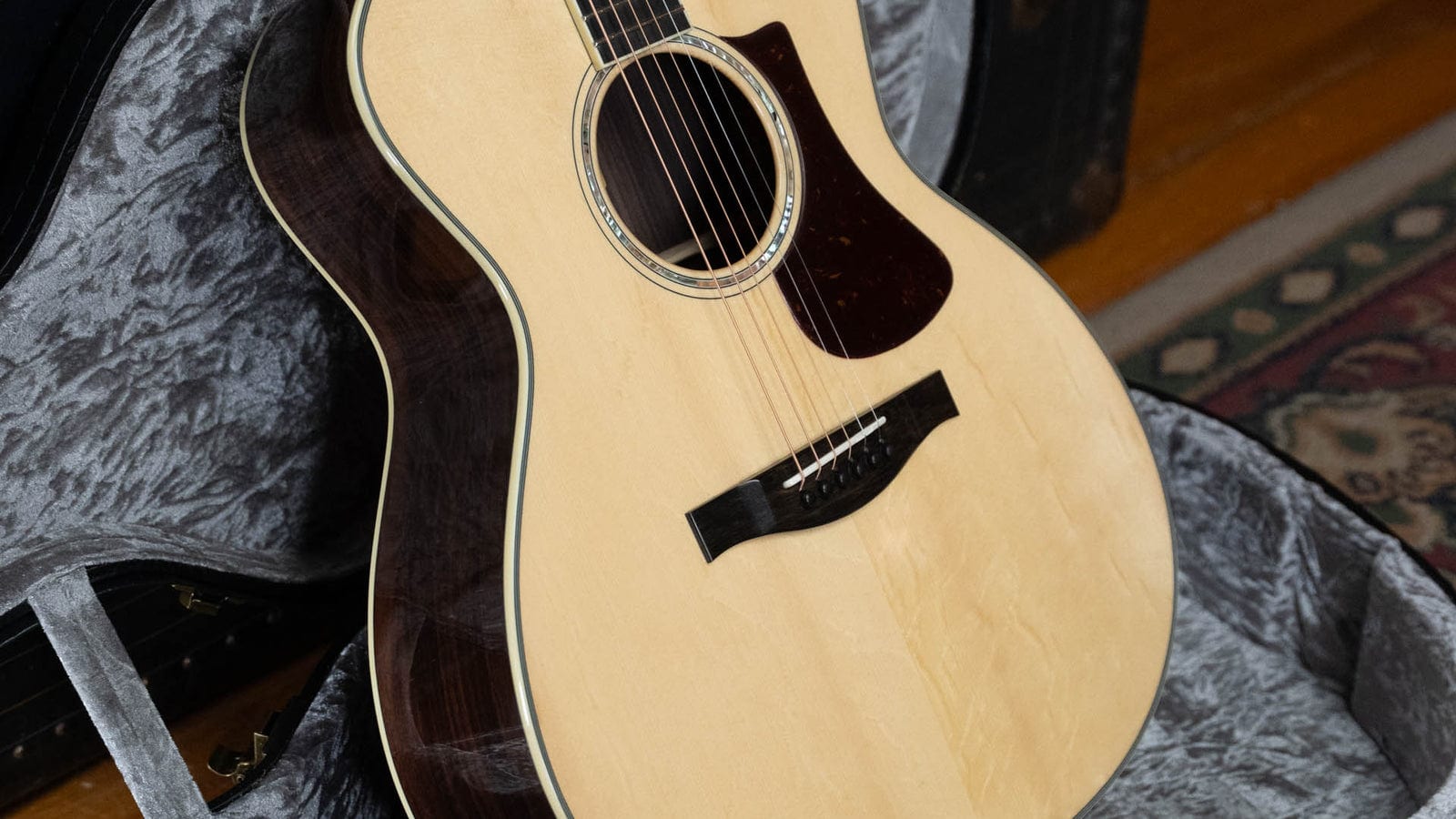
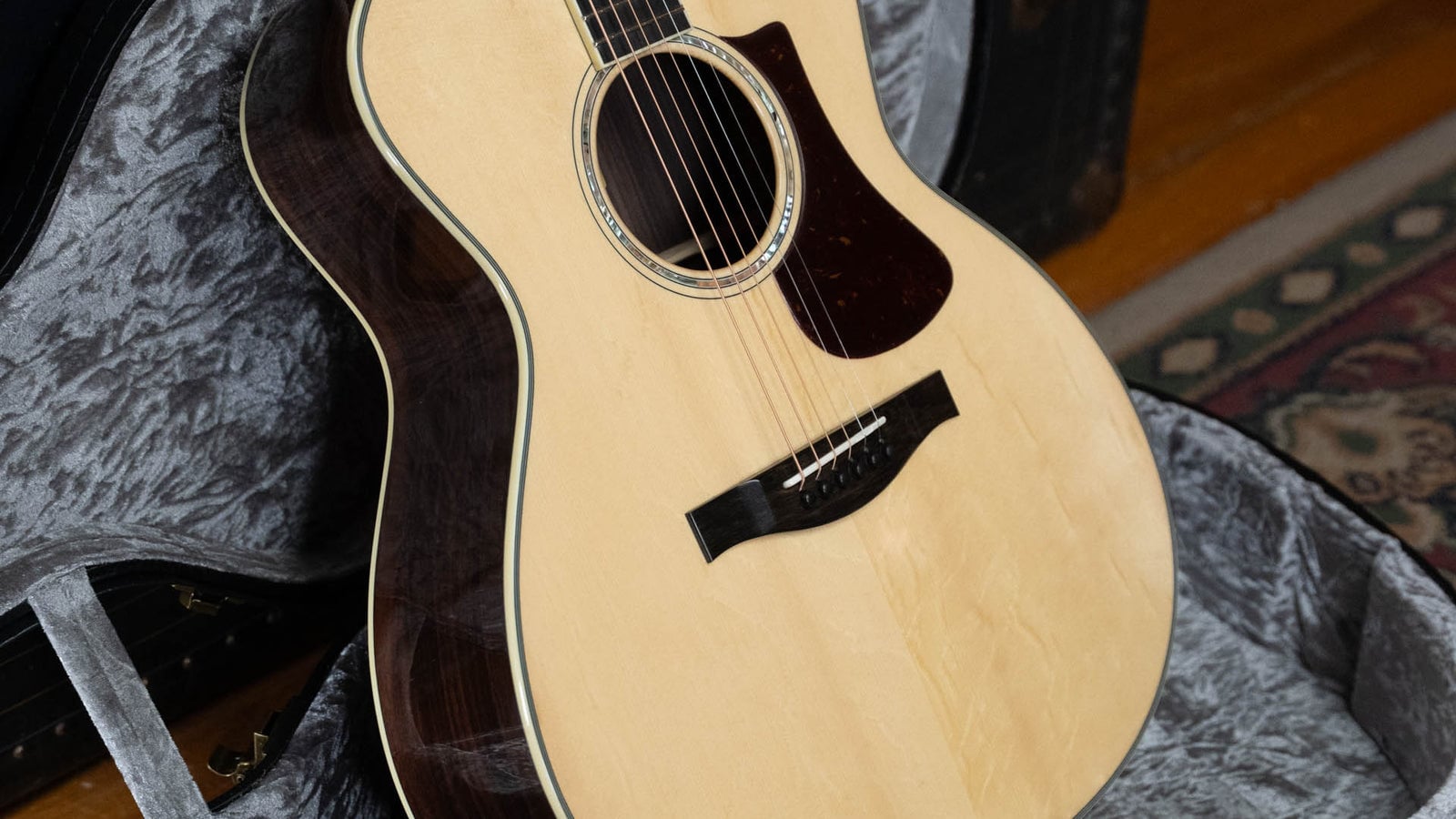
The Eastman AC series is Eastman's line of modern-style grand auditorium cutaways, and every one of them comes with electronics built in. AC once covered all of Eastman's acoustics, dreadnoughts and OMs included. A few years ago Eastman split those off, and today AC means the grand auditorium and grand concert shapes, while the traditional dreadnoughts and OMs live in the Eastman E series.
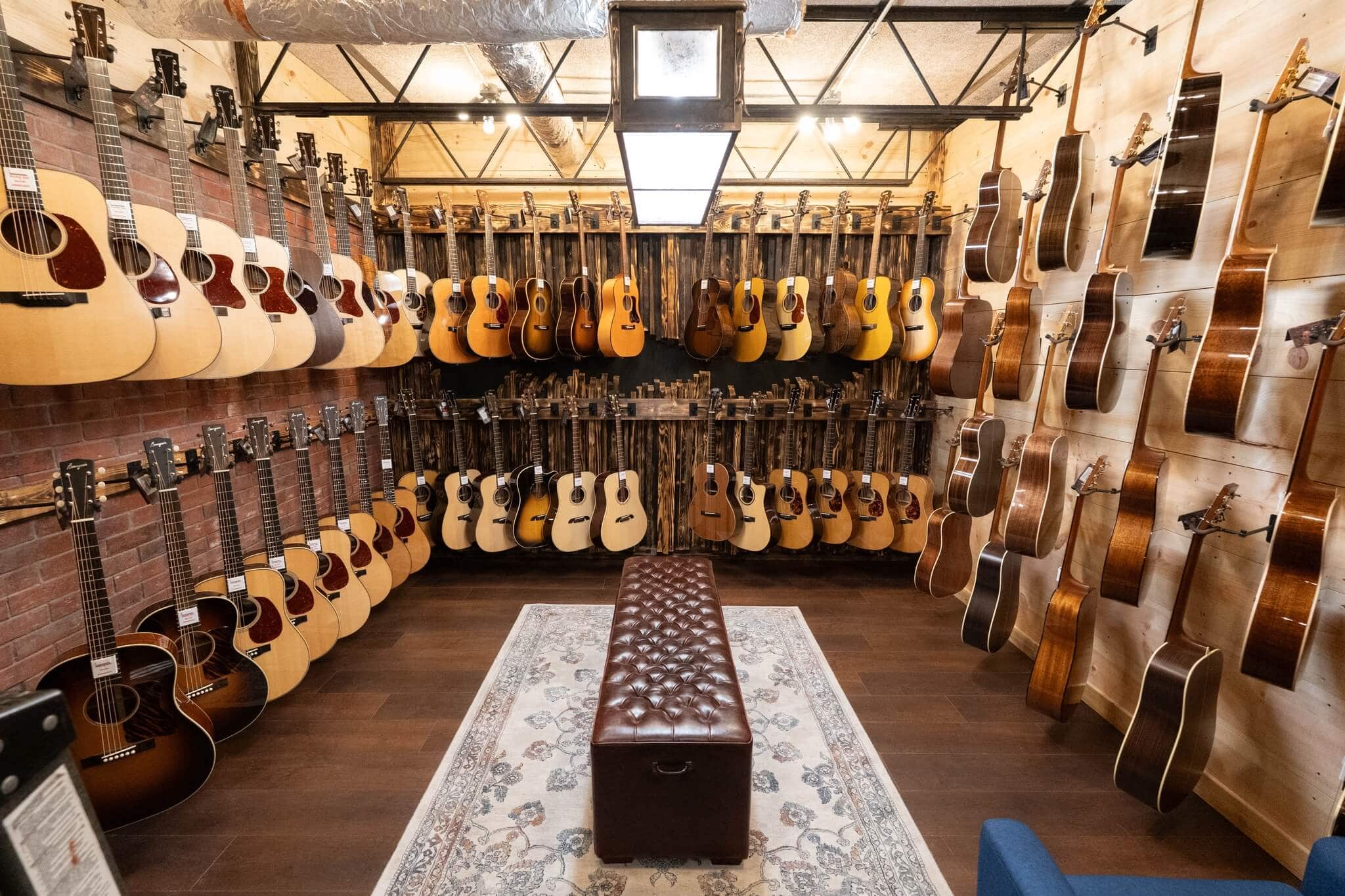
Most of these bodies are inspired by Taylor's shapes. It was Eastman's way into the modern flat-top world at a much more affordable price, and on the higher models the fit and feel remind us of a Taylor build. Guitars like these are a big part of why we're the #1 Worldwide Dealer for Eastman.
What does every Eastman AC series guitar share?
Before the differences, here's what you get no matter which step you buy:
- All-solid woods. The AC line starts at solid tops with solid backs and sides. The laminate-back PCH guitars sit below it as a separate series.
- Hand-scalloped, hand-voiced bracing on every model, the 100 and 200 included, with each top treated individually. That's the main reason an AC122 sounds like a more expensive guitar than its price.
- A 1 3/4" nut, which is the grand auditorium spacing most fingerstyle players want, with a 25.4" scale and a 12" radius ebony fingerboard on the models we checked.
- A slimmer neck than the E series, closer to the Taylor feel the body shapes are modeled on.
- Bone nut and saddle, a dual-action truss rod, sealed geared tuners and Eastman's limited lifetime warranty. A lot of guitars at this price carry a five- or ten-year warranty, so that last one matters.
Jump to: the AC122 and AC222 at 3:08 · the AC322 and AC422 at 7:51 · the AC522 and up at 11:16 · the AC922 at 17:05 · tone samples of every model at 19:40.
AC122 vs AC222: what do you get at the start?
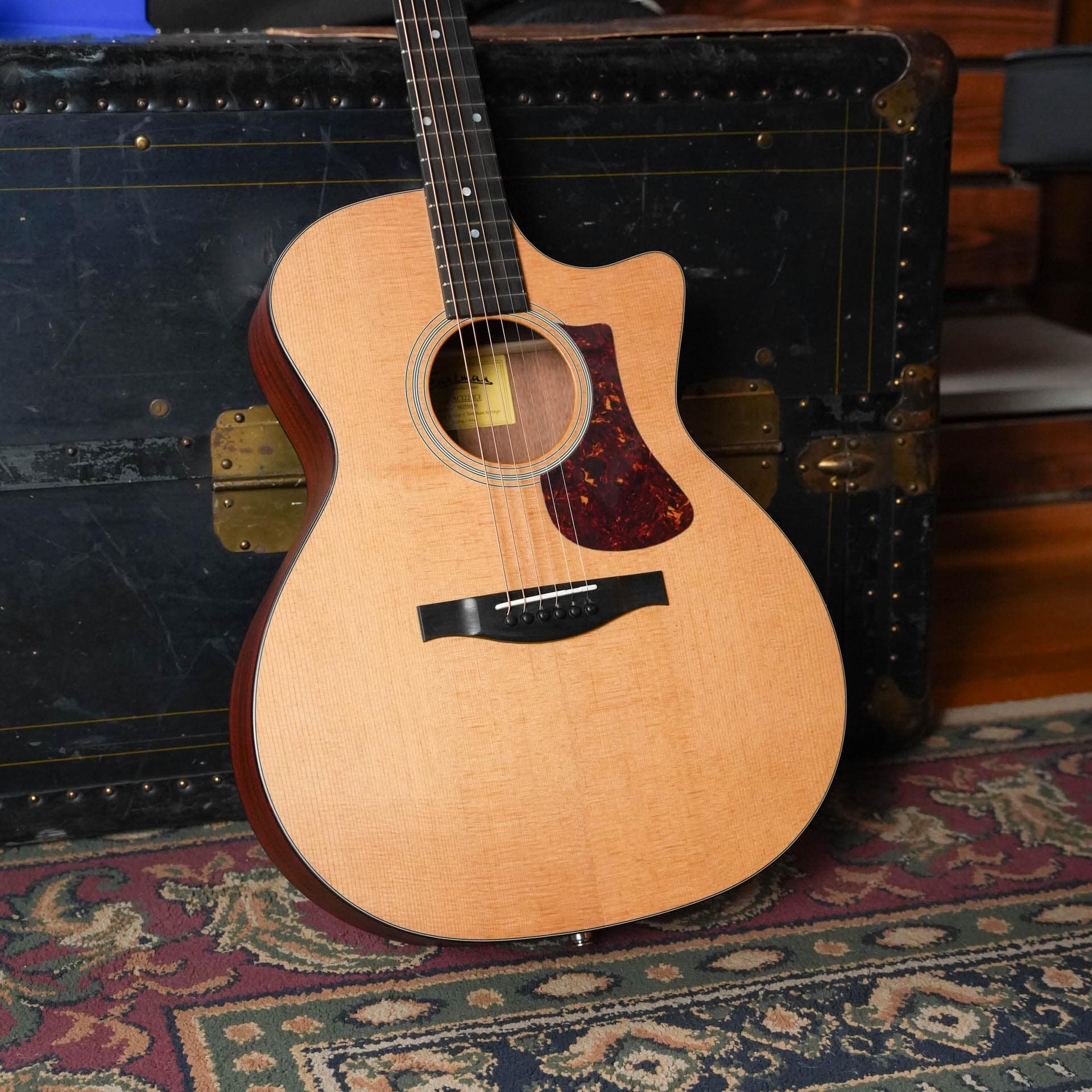
The AC122-1CE ($799) pairs a solid spruce top with solid sapele back and sides, a Fishman pickup with volume and tone, and a padded gig bag. It's a good gig bag, too, with heavy padding and neck supports. The AC222 ($899) is the same guitar with solid ovangkol back and sides, and that's the main difference between the two.
Both woods are sustainable, readily available stand-ins for the classic tonewoods, and both share a lot with them. Sapele shares much of mahogany's tone, and ovangkol leans toward rosewood. One of us put the comparison this way:
"In my opinion, sapele is much closer to mahogany than the ovangkol is to rosewood."Both use an open-pore finish, semi-gloss on the back and sides and satin on the top. Most gloss finishes start by filling the wood's natural pores so the finish lays smooth, and skipping that step keeps the cost down. There's also an argument that the guitar sounds a little more open without filler in the pores. Right now we have the left-handed AC222LCE ($899) in stock, plus the gloss-top AC222CE-DLX in goldburst ($979). Our Eastman Deluxe series review covers what the DLX upgrade adds.
What changes at the AC322 and AC422?
This is where the Eastman AC series becomes what we'd call a professional-level line. The AC322 ($1,279) moves to full gloss, full binding, a bound fingerboard with hurricane inlays, slightly nicer tuners, a hardshell case, and an LR Baggs Element VTC pickup installed at the factory. The back and sides are mahogany. If you play on a worship team and want a mahogany grand auditorium with a cutaway and a pickup you can trust, the AC322 is a stage-ready pro guitar and a really good option.
The AC422CE ($1,569, in stock) keeps the same appointments and the same LR Baggs system with solid rosewood back and sides. Tonally, the mahogany 322 is a little brighter with a punchier midrange, and the rosewood 422 gives you a deeper, richer low end. Eastman also built a 400-series version with eucalyptus back and sides and a side tone port at the same price, and it lands between the two in tone; we were really impressed with it, and our Eastman AC422-AE review covers that one in detail.
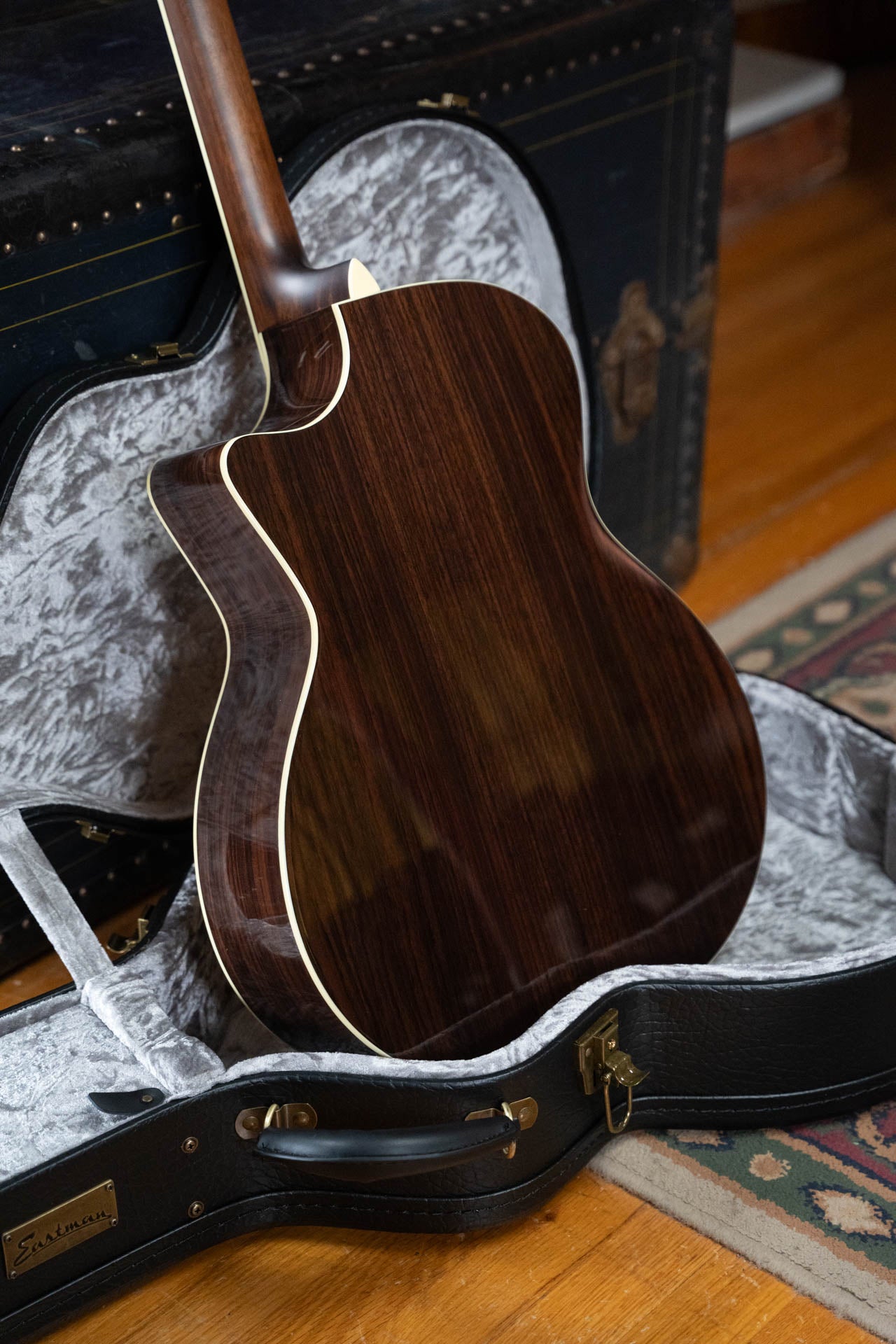
Through the 400 series, every AC has a traditional dovetail neck joint. That changes at the next step.
What does the AC522 add, and why does the neck joint matter?
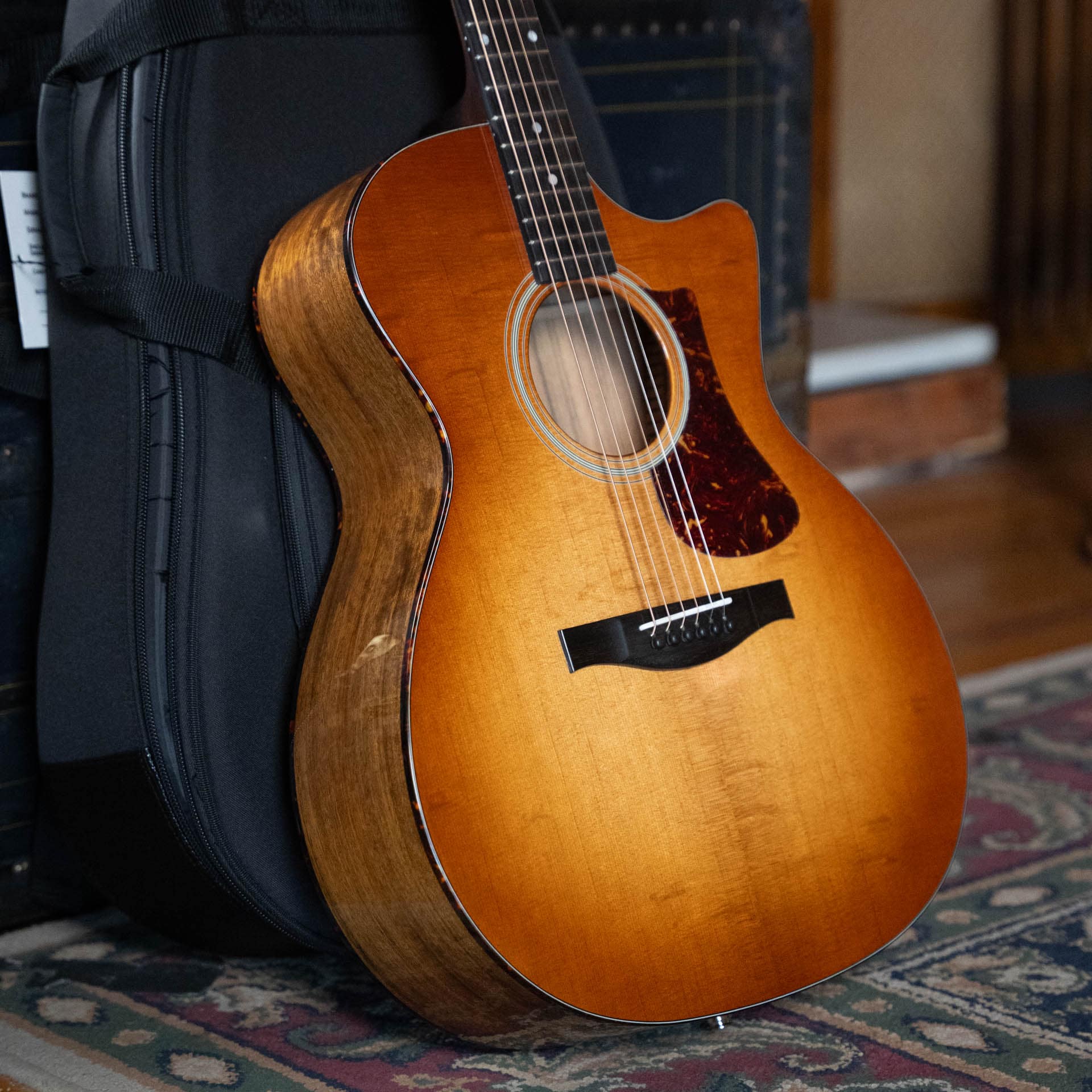
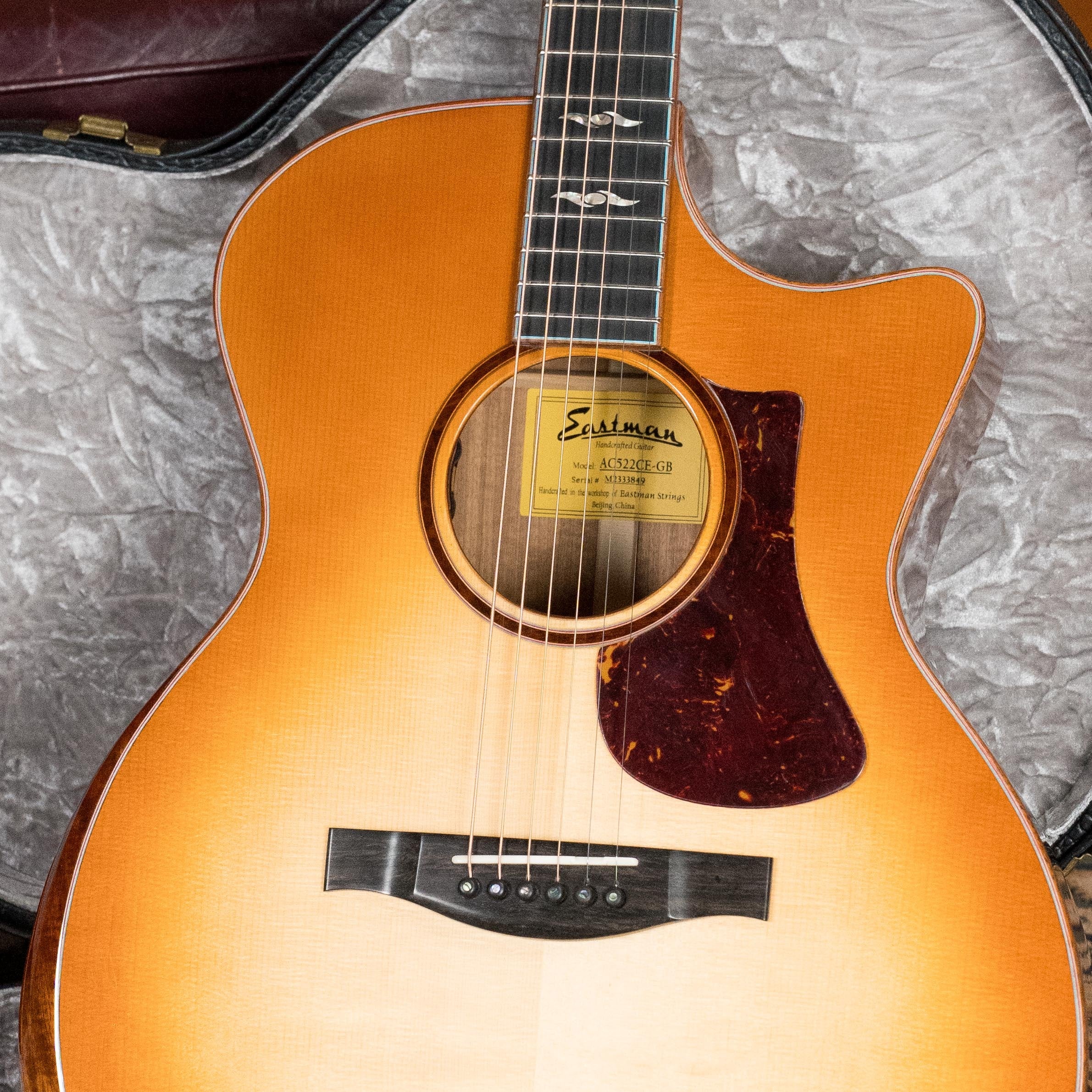
A few years ago Eastman redesigned the top half of the Eastman AC series, and the AC522 ($1,999) is where you feel it. It adds a tone port in the side, a beveled armrest that's super comfortable, multicolor purfling, wood binding through the peghead, gold tuners and abalone dots in the bridge. The goldburst finish arrived with the redesign, and natural is still available.
The bigger change is underneath. From the AC522 up, the series uses a bolt-on neck joint borrowed from Dana Bourgeois, the same system Bourgeois uses in its own guitars. It holds the neck very tight, and it makes a future neck reset a much simpler job than on a dovetail. A lot of players count that as a big plus, and so do we. The 522 keeps the LR Baggs Element VTC.
AC622, AC722 and AC822: is the top of the line worth it?
The AC622 ($2,299) moves to flamed maple back, sides and neck, which gives you a brighter voice and the classic maple look, and so far we've only seen it with a natural top. The AC722 ($2,299) is rosewood with rosewood binding, and Eastman matches the armrest bevel to the back-and-sides wood so it cuts straight into the binding. The Dakota fade finish is one of our favorites. At this level these guitars start to look and feel premium while the price stays very reasonable.
"You can just feel they put more time and effort in the higher up the series it goes."The AC822 ($2,769) is a rarer bird, and it has understated upper-end elegance: a more select grade of rosewood than the 422, flamed maple binding against that dark rosewood, an abalone rosette, gold Gotoh tuners and an LR Baggs Anthem, which blends an under-saddle pickup with an internal mic. If you're shopping the 600 series, our AC622CE Koa limited edition post shows what Eastman does when it changes the wood on one of these.
The AC922 is the top of the line: premium rosewood, European spruce, abalone binding all the way around, a floral rosette and a rose-and-vine inlay running up into the headstock. If you want the flashiest guitar on the worship stage, it does that at a price well below most anyone else building at that level.
Eastman AC series prices and specs side by side
| Model | Back and sides | Pickup | Neck joint | Our price today |
|---|---|---|---|---|
| AC122-1CE | Solid sapele | Fishman | Dovetail | $799 |
| AC222CE | Solid ovangkol | Fishman | Dovetail | $899 ($979 DLX) |
| AC322CE | Mahogany | LR Baggs Element VTC | Dovetail | $1,279 |
| AC422CE | Solid rosewood | LR Baggs Element VTC | Dovetail | $1,569 |
| AC522CE-GB | Mahogany | LR Baggs Element VTC | Bolt-on | $1,999 |
| AC622CE / AC722CE | Flamed maple / rosewood | LR Baggs | Bolt-on | $2,299 |
| AC822CE | Select rosewood | LR Baggs Anthem | Bolt-on | $2,769 |
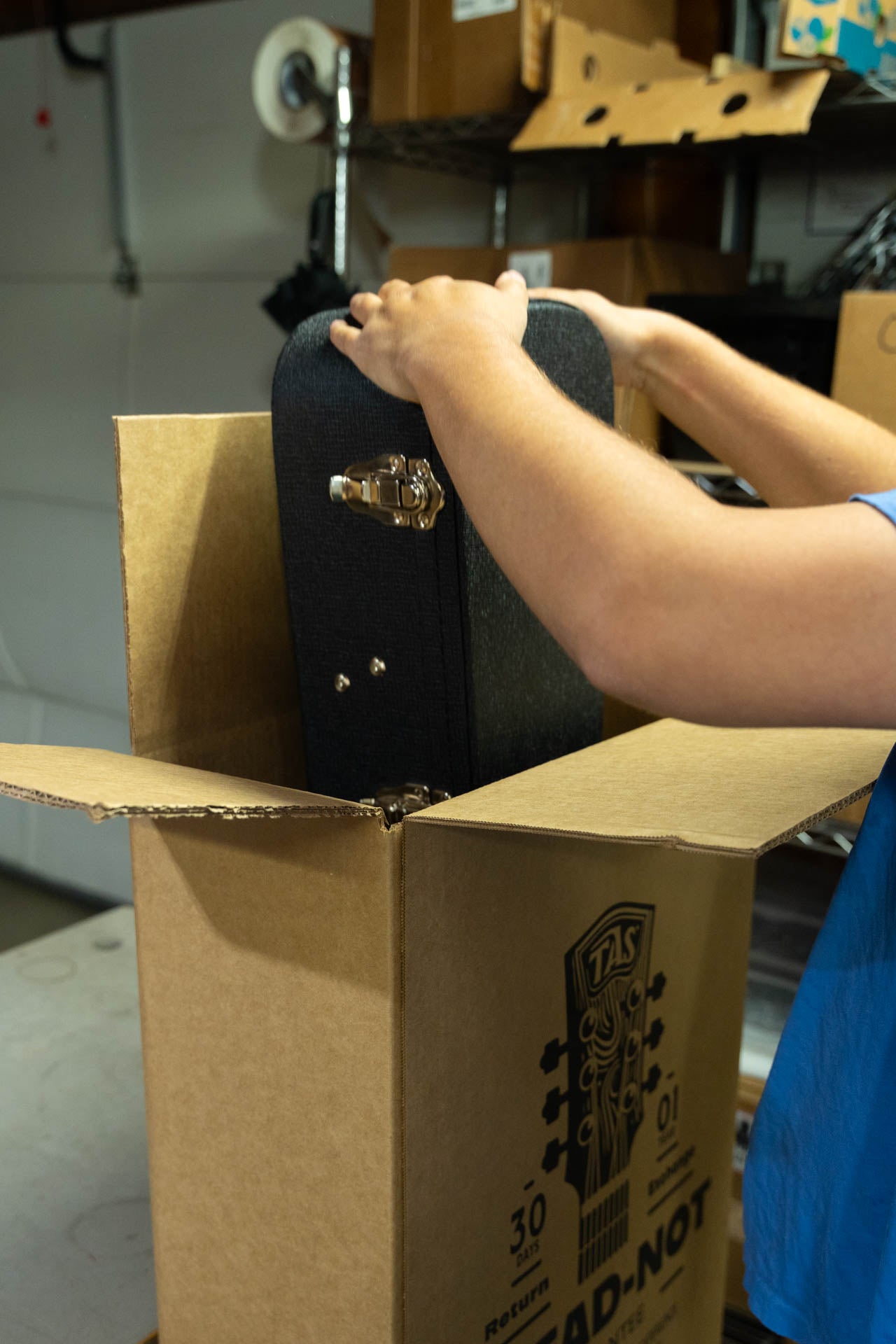
Prices are from our store on the day this was written, and the AC922 isn't listed right now, so ask us about ordering one. Every Eastman AC series guitar from the AC322 up is $1,000 or more, so it's covered by our Dread-Not Guarantee: a 30-day in-home trial and a full year to trade it in for up to 90% of the pre-tax purchase price in credit, less round-trip shipping.
What's the catch?
- The AC922 isn't a fixed spec. The top model is close to luthier's choice: Eastman's workshop takes some liberties with binding, inlay and even the tuners, which have changed a few times. Order the guitar in the photos. We photograph every guitar we sell for exactly this reason: one buyer's AC922 didn't match the one we'd shown, though it matched its listing photos.
- The 100 and 200 are satin, gig-bag guitars. They sound and play well above their price, but gloss, binding and a hardshell case wait for the AC322.
- The comfort features start at the AC522. If the armrest and the bolt-on neck are what you want, the 300 and 400 don't have them.
- The neck is slimmer than the E series. If you love the fuller neck on an Eastman dreadnought, play an AC before you assume it'll feel the same.
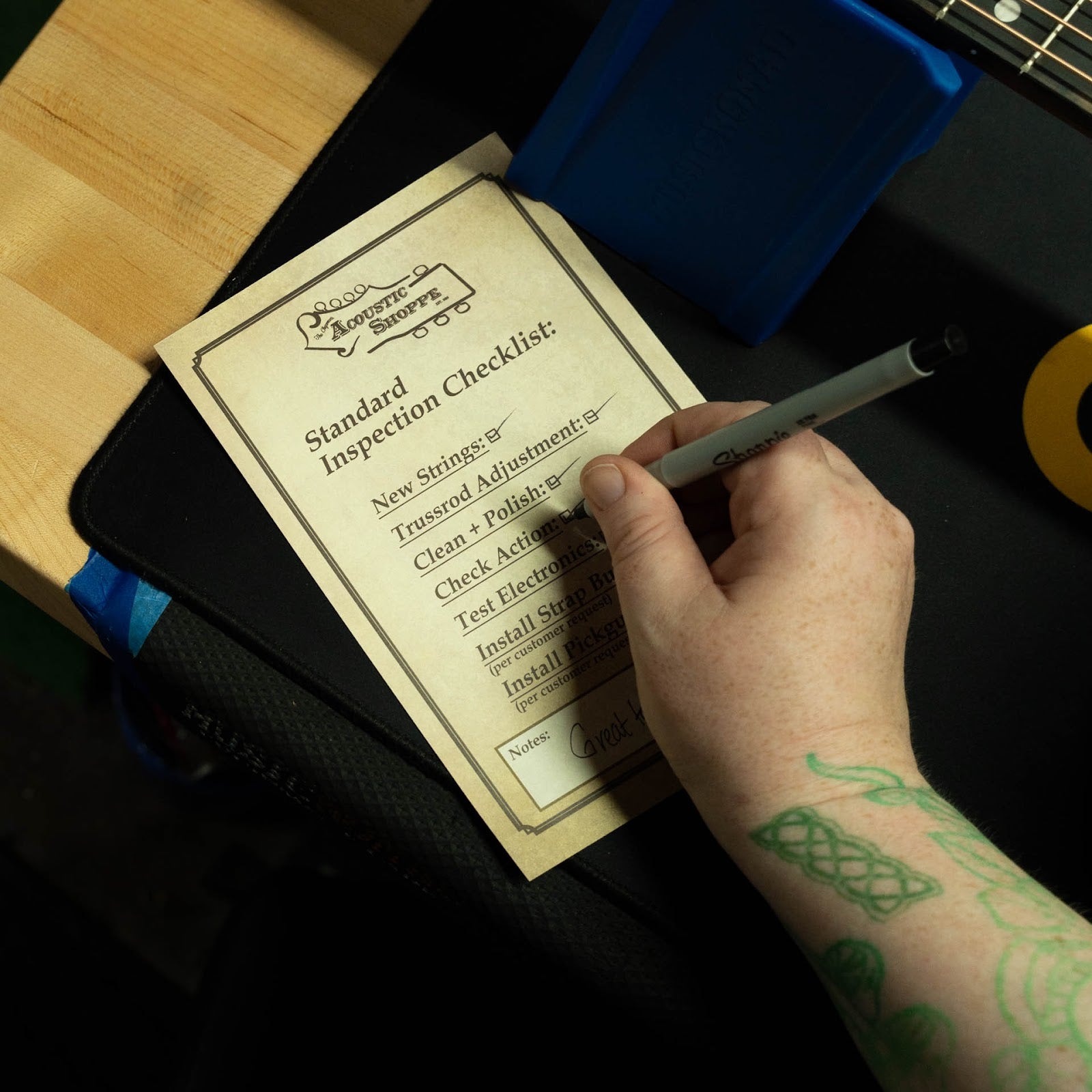
Every guitar we ship, at any of these prices, gets our 23-Point Professional Inspection on the bench before it goes in the box.
Which Eastman AC series guitar should you buy?
Our verdict after playing all of them: they all sounded great, each one brings something different, and each step adds real value in the build for a fairly small jump in price.
"Each step in the line really adds a lot of value in the build, for a very affordable upgrade in price."Here's how we'd climb the ladder:
- AC122 or AC222 if you want an all-solid cutaway with a pickup for the least money. Take the sapele 122 for a mahogany-style voice, the ovangkol 222 for a little more rosewood character.
- AC322 if you play out and want gloss, a hardshell case and an LR Baggs system. It's our worship-team pick.
- AC422 if you want the same stage guitar with rosewood's deeper low end.
- AC522 if you play long sets and want the armrest, the tone port and the bolt-on neck.
- AC622 through AC922 if you want maple's brightness, select rosewood, or the most guitar you can put on a stage for the money.
If you want a traditional dreadnought or OM instead of a cutaway, look at the Eastman E series. If the budget is closer to $400, the laminate-back PCH guitars are where Eastman starts, and our Eastman PCH2 review covers them.
Related reading
- Eastman Pomona: inside the shop where every North American Eastman gets its final setup
- Acoustic guitar pickups: the best systems for live performance
See every Eastman AC series model we have in stock alongside the rest of the line in our Eastman guitars collection, or shop all acoustic guitars. If you're torn between two steps, call us and we'll play them side by side for you.