
Table of Contents
- How much does an Eastman guitar cost?
- The $459 step: the Eastman guitar price that worried us
- $659 to $979: a better top, then all-solid woods
- $1,569: rosewood and a hardshell case
- The top of the line: what the AC922 adds
- Can you hear the difference in Eastman guitar price?
- Where the extra money goes
- Where we'd stop, and who should spend more
- Find your Eastman guitar price point
Eastman's guitar line starts at $459 on our wall today, and the top of its grand auditorium range has run close to $3,000. That spread is the first thing most people notice when they shop the brand, and it raises a fair question about any Eastman guitar price: if both guitars come out of the same workshops, built on the same body shape, what does the extra money actually get you, and would you hear it if you couldn't see which one was playing?
So we took the cheapest guitar Eastman made and the most expensive one, two cutaway grand auditoriums, and played them back to back. The answer is yes, you can hear it. What surprised us is how good the cheap one turned out to be, and where the extra money really goes.
How much does an Eastman guitar cost?
Here's the short answer, using the cutaway grand auditoriums we have in stock as of October 2026. Prices change, so the links go to the real guitars at today's price.
| Price (USD) | Model | Top / back and sides | What the step adds |
|---|---|---|---|
| $459 | PCH1-GACE | Solid Sitka / laminated sapele | The entry point: solid top, bone nut and saddle, pickup, gig bag |
| $659 | PCH3-GACE-TBK | Solid thermo-cured Sitka / laminated maple | A thermo-cured top and a gloss finish |
| $799 | AC122-1CE | Solid Sitka / solid sapele | All-solid woods and an ebony fingerboard |
| $979 | AC222CE-DLX-GB | Solid Sitka / solid ovangkol | Gloss top, Goldburst finish, deluxe gig bag |
| $1,569 | AC422CE | Solid Sitka / solid rosewood | Rosewood, LR Baggs electronics, hardshell case |
That's more than three times the Eastman guitar price from bottom to top, all on the same body shape. Above that, the AC line keeps climbing into fancier woods, inlay and electronics, and the AC922 we compared sat at the very top. Everything below is what each step of that ladder buys.
The $459 step: the Eastman guitar price that worried us
When we first heard Eastman was building the PCH series, John was concerned. We'd spent years convincing players around Springfield that Eastman made serious instruments, and a cheap entry-level guitar looked like it could undo all of that. Then the first batch showed up, and it blew us away. As teachers, we've both watched students struggle on guitars that cost less than this but are so poorly set up that they're hard to play and don't sound good. Among guitars at this price, we haven't found anything better.
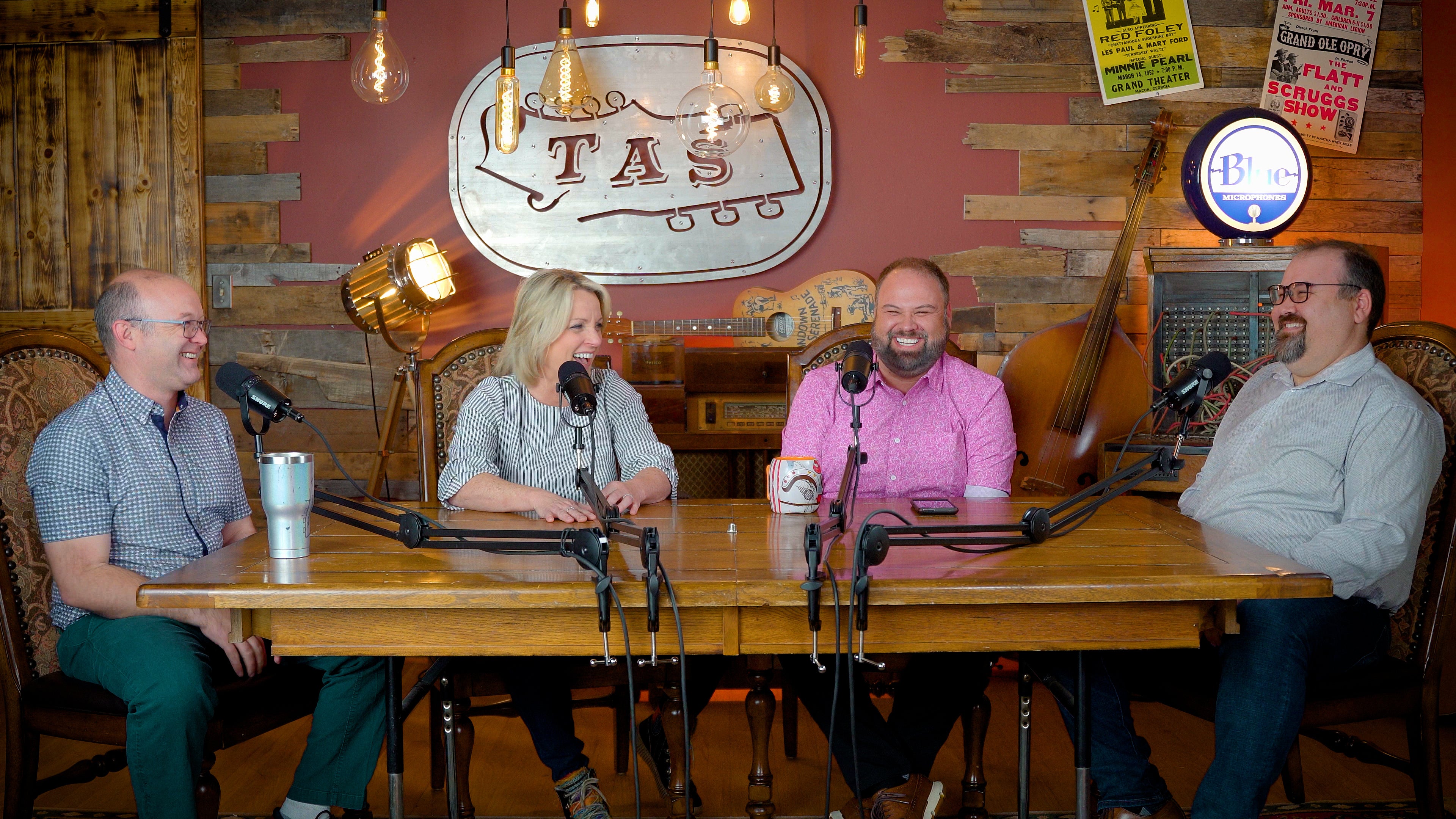
- 4:39: the PCH line, and why it worried John
- 7:48: the AC922, every bell and whistle
- 14:33: both guitars back to back, no talking
- 16:44: John's verdict
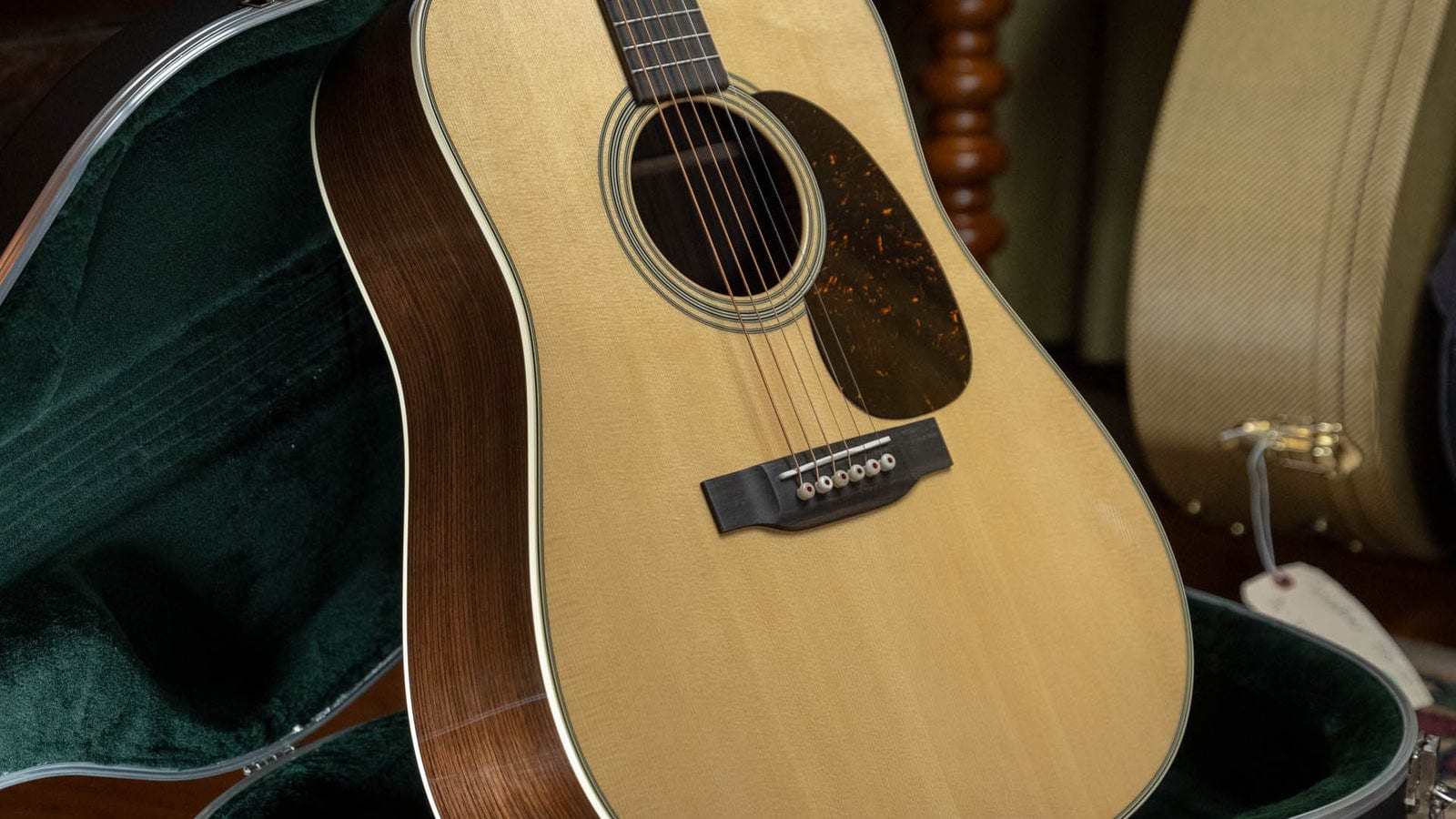
Today's Eastman PCH1-GACE-CLA ($459) is the same recipe: a solid Sitka spruce top over laminated sapele back and sides, a bone nut and saddle on a 1 3/4" nut width, a dual-acting truss rod, an Eastman pickup by Fishman, and a padded gig bag in the box. The solid top is the part that matters, since it's the piece of wood doing most of the vibrating. Our solid vs laminate guitar breakdown goes through why laminate back and sides are a fair place to save.
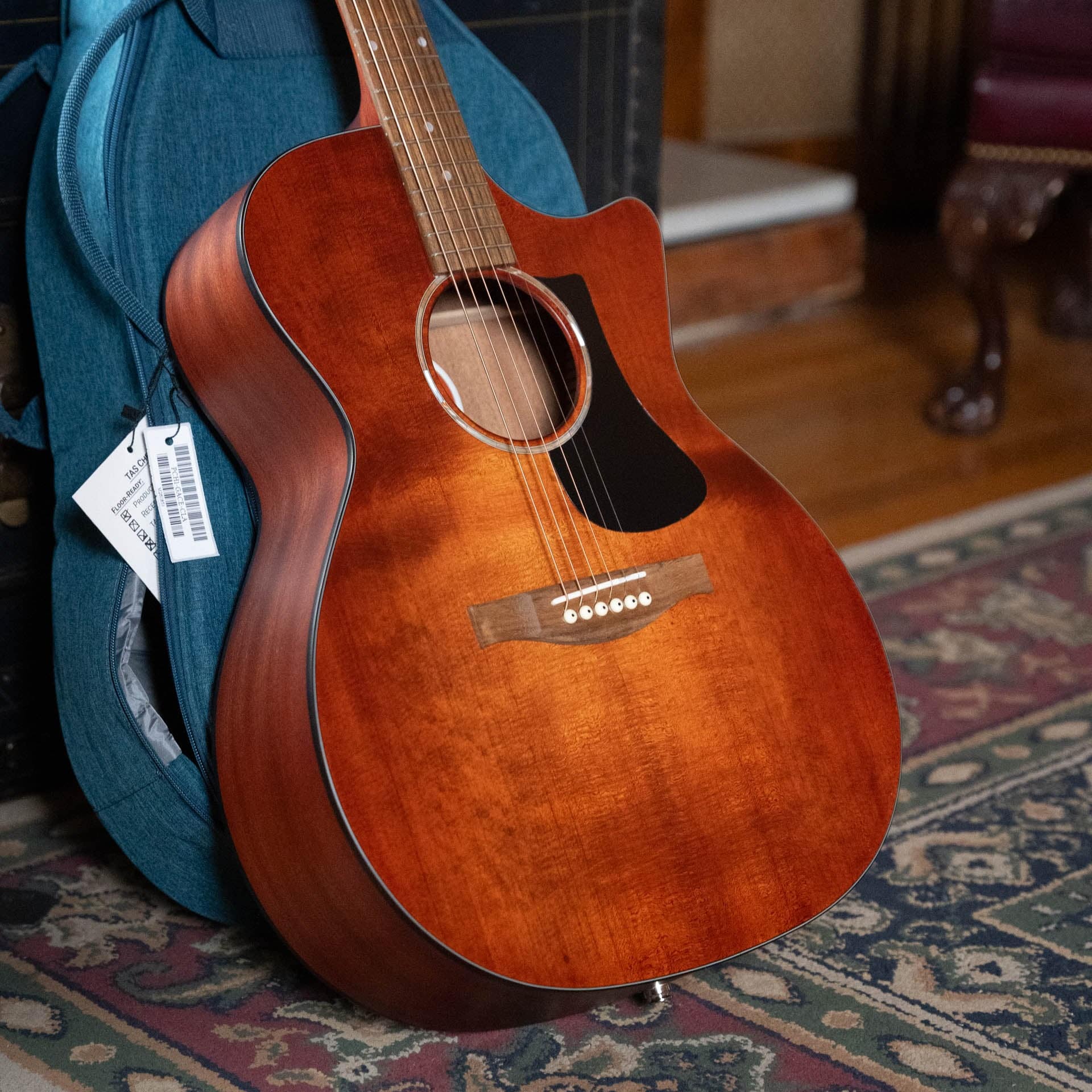
What impressed us most is that Eastman still hand-voices the tops and scallops the braces at this price. A lot of cheaper guitars skip that step to save money, and they build the tops thick so the weakest pieces of wood won't fail. The stiffer pieces get treated the same way, and you end up with tops that are simply too thick for good tone. Voicing each top is what keeps a $459 guitar from sounding like one, and it's the reason the lowest Eastman guitar price still buys a hand-built instrument.
$659 to $979: a better top, then all-solid woods
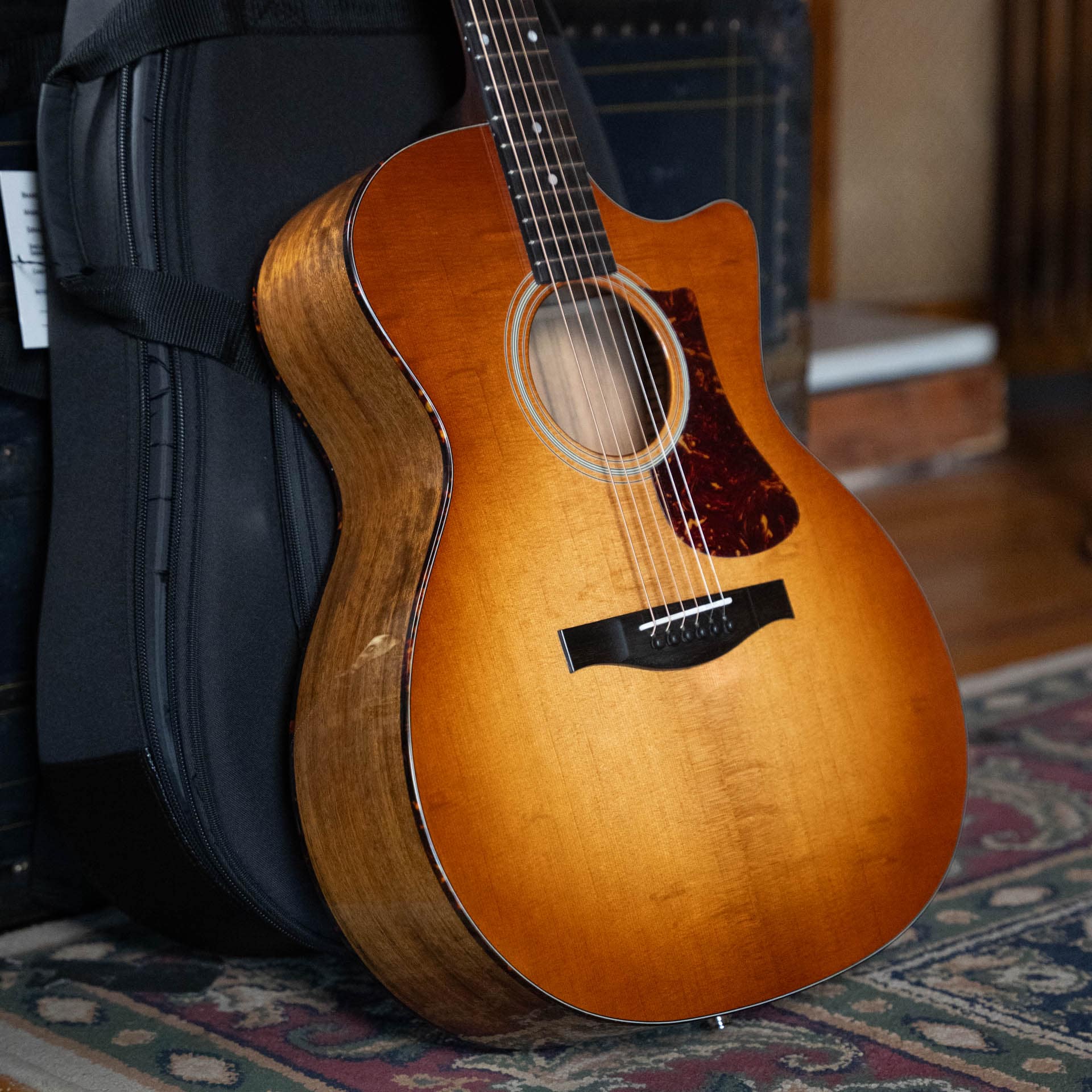
The first step up brings something that would cost real money on most brands. The guitar Jeremy played against the AC922 turned out to be a thermo-cured PCH, built when Eastman put in its own thermo-curing setup so it didn't have to wait on Sitka spruce to air-dry. A thermo-cured top on an entry-level guitar is a major bonus, because from a lot of other makers that upgrade alone would cost more than this whole guitar. Today that's standard on the PCH3-GACE-TBK ($659), which pairs a solid thermo-cured Sitka top with laminated maple and a gloss finish.
The AC122-1CE ($799) is where the back and sides go solid, here in sapele, along with an ebony fingerboard and hand-scalloped X bracing. One more step, the AC222CE-DLX-GB ($979), moves to solid ovangkol with an ebony bridge, a gloss Goldburst top, a Fishman Presys VT and a deluxe gig bag. If the DLX trim is what's tempting you, our Eastman Deluxe series guide covers what the DLX models add.
$1,569: rosewood and a hardshell case
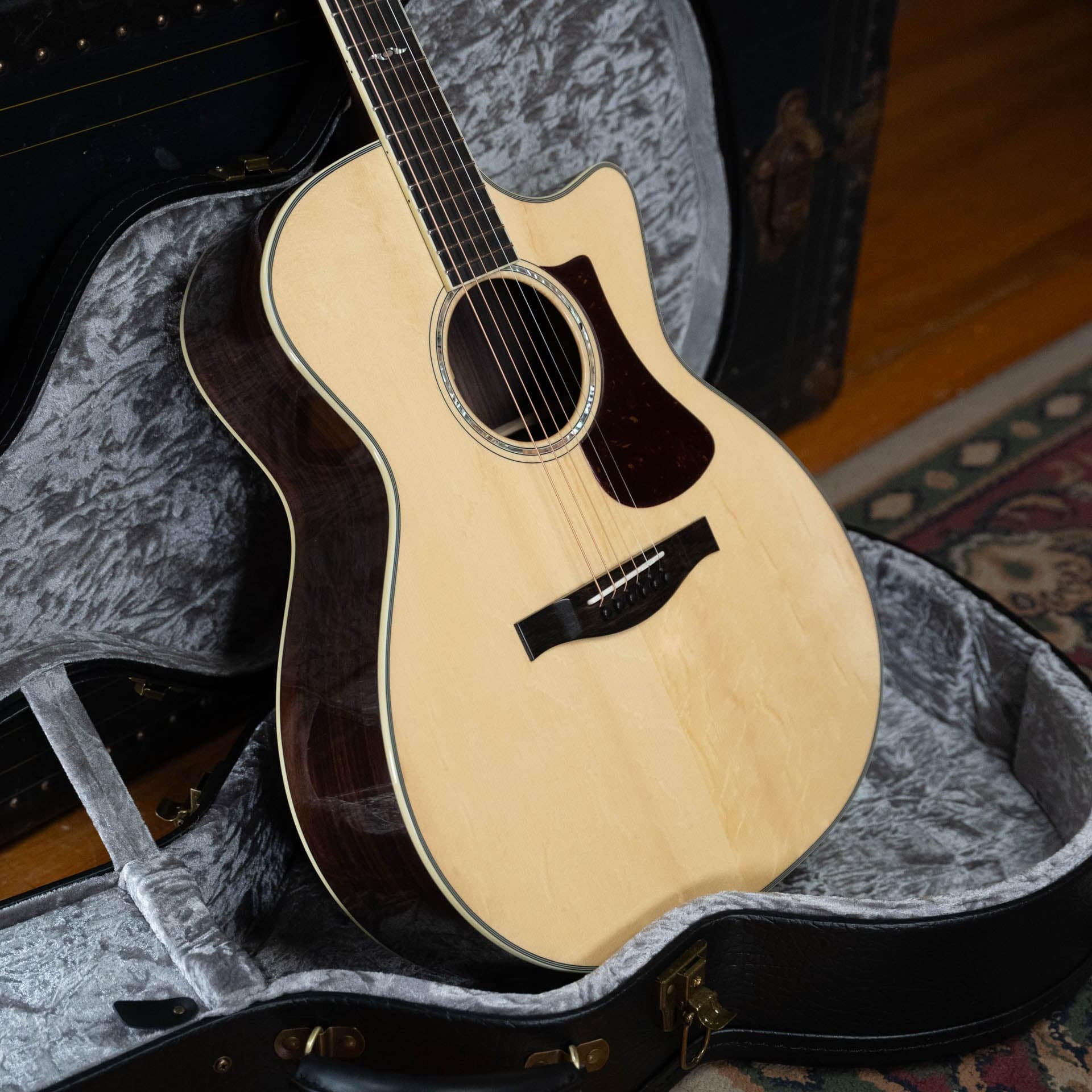
The Eastman AC422CE ($1,569) is the step where the Eastman guitar price buys rosewood. The back and sides are solid rosewood instead of sapele or ovangkol, the electronics move up to an LR Baggs Element EAS VTC, and it comes in a hardshell case. A good case alone is worth a couple hundred dollars, so count it when you compare one Eastman guitar price with another. For a longer look at this model's cousin, read our Eastman AC422-AE review.
The top of the line: what the AC922 adds
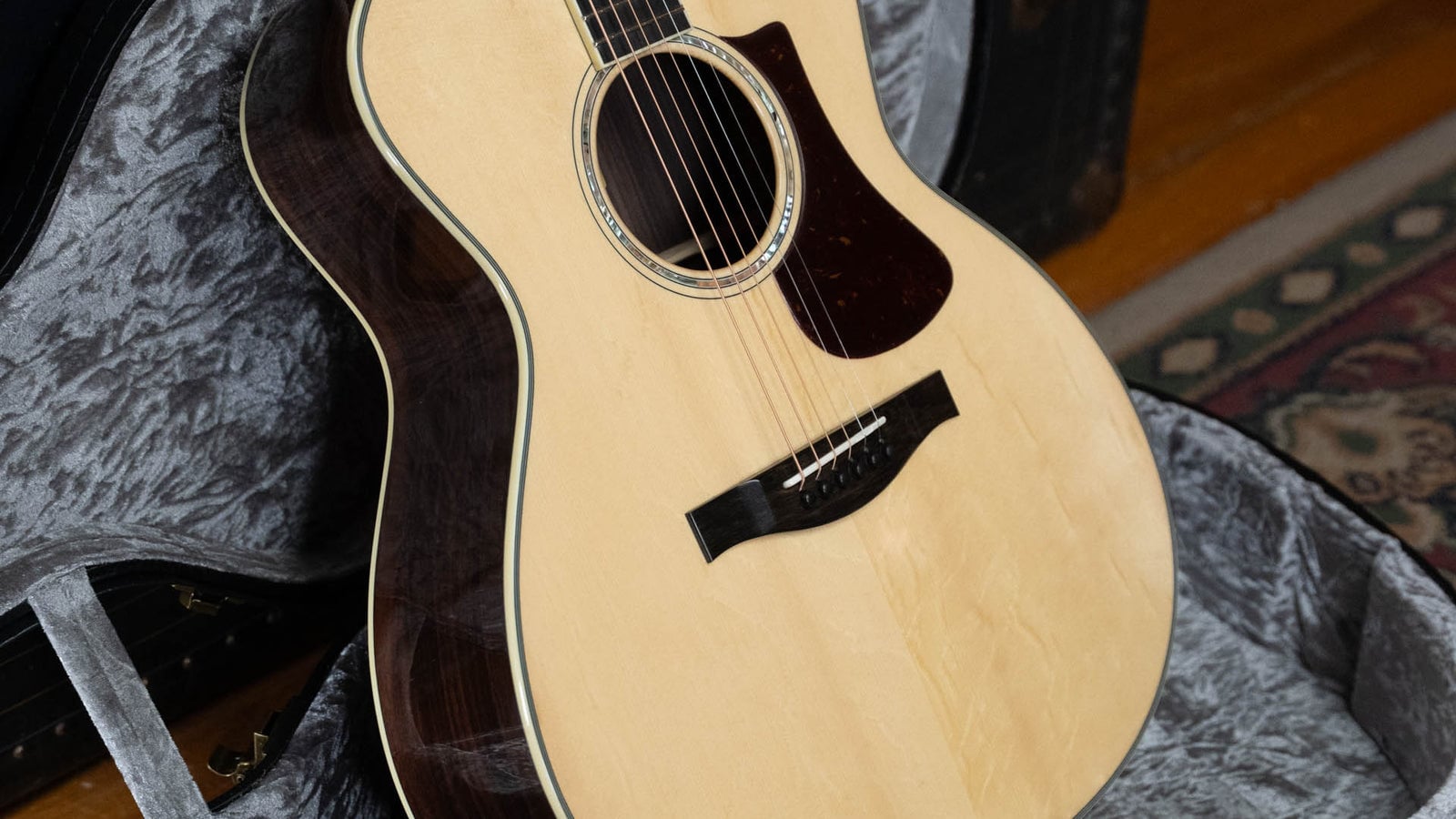
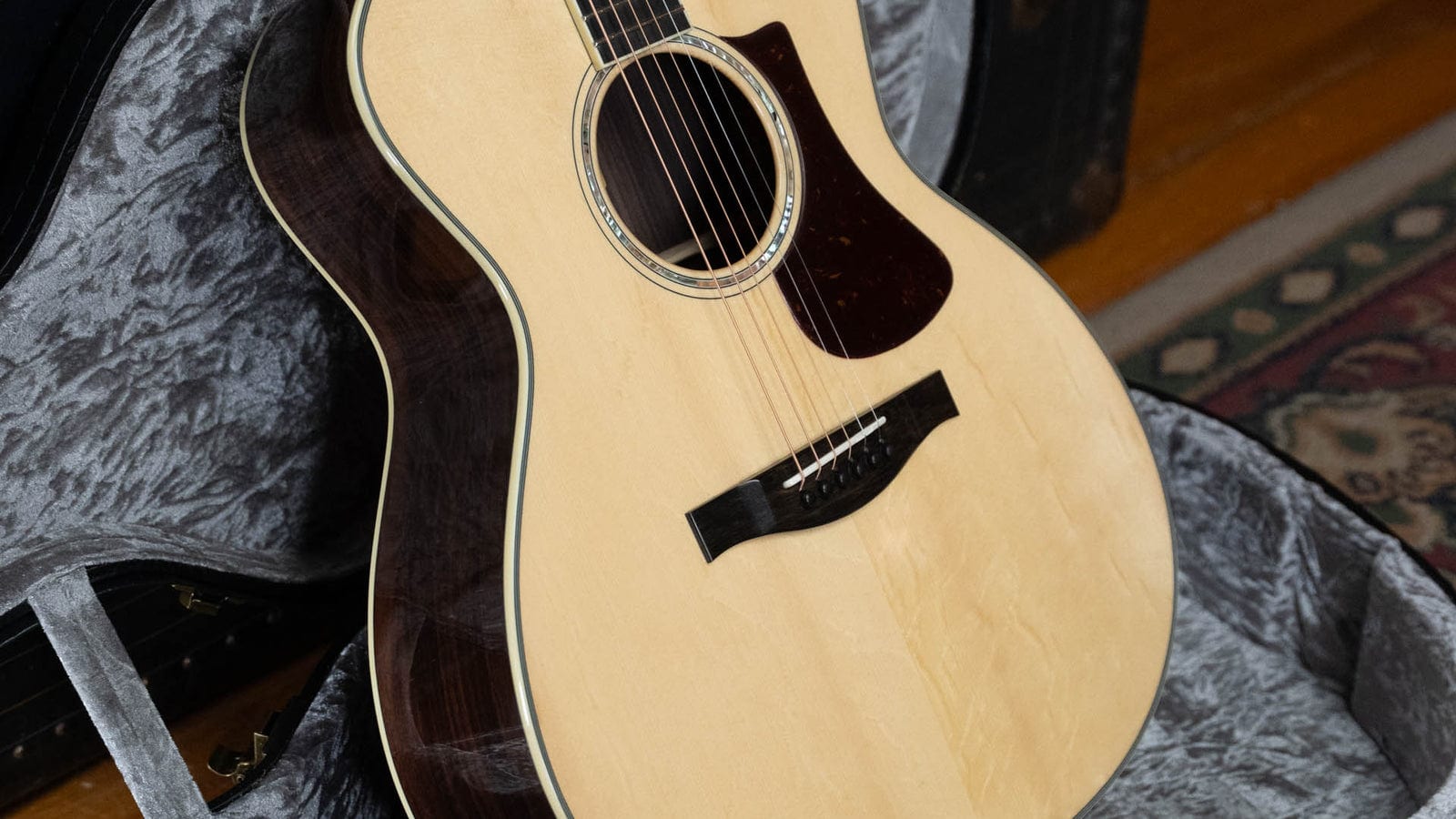
The AC922 is the top of Eastman's AC line, and it has every bell and whistle Eastman could throw at it: rosewood back and sides, a European spruce top (possibly Italian) with bear claw figure, an LR Baggs Anthem, wood binding and purfling, gold Gotoh tuners, a gloss finish, a sound port in the side and a beveled armrest. The inlay work is impeccable. Eastman's founder started the company because he knew the craftsmen in China could do far better work than the imports he was repping showed, and this guitar is the proof.
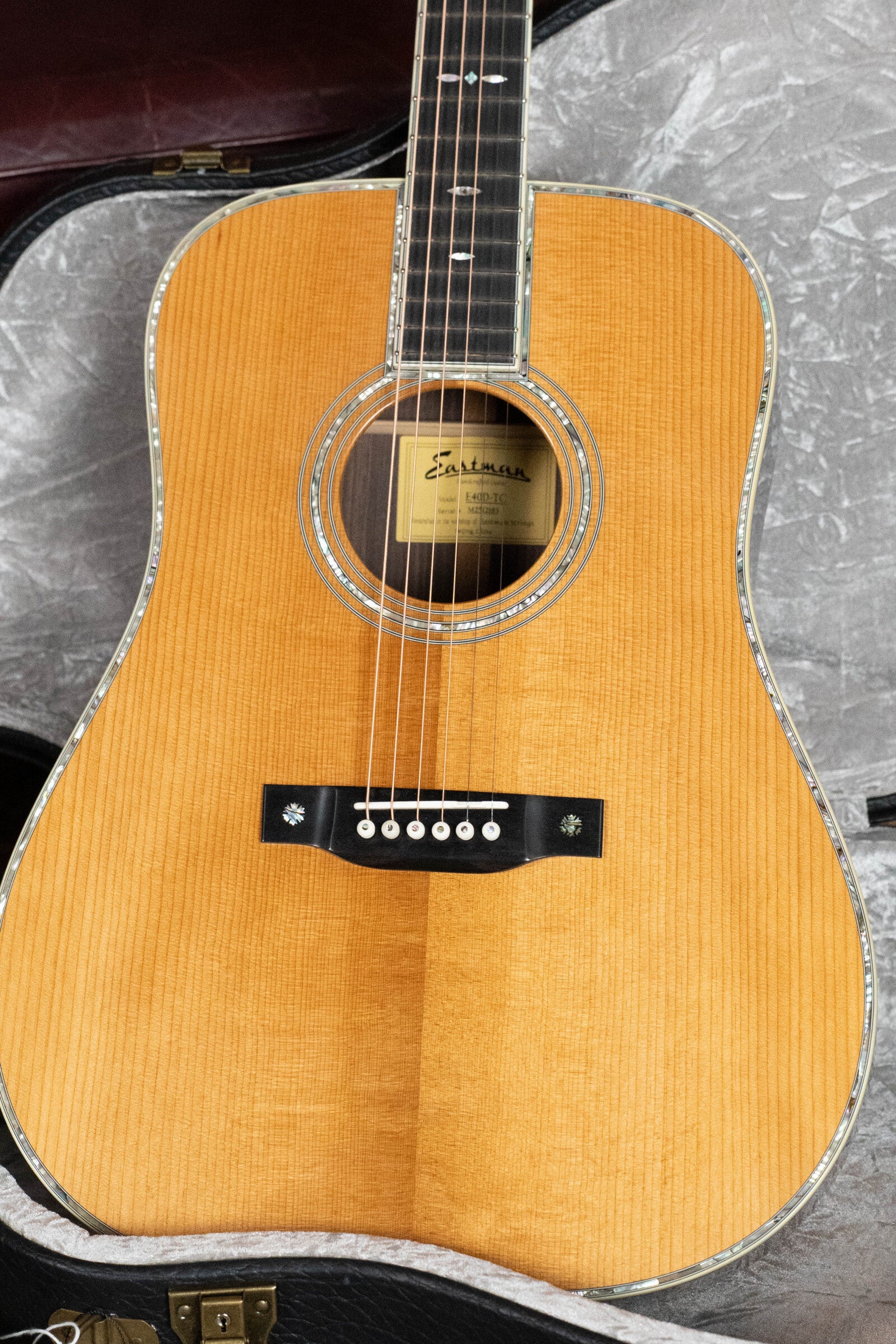
John put it at around $2,899 back in 2022, which tells you something about the whole ladder: "expensive" is relative here, because even the top of Eastman's AC line came in under $3,000. We don't have an AC922 in stock right now, so if you want one, ask us about ordering one. The most expensive Eastman flat-top on our wall today is the E40D-TC dreadnought ($2,999), with a thermo-cured Adirondack top and rosewood back and sides.
Can you hear the difference in Eastman guitar price?
Yes, and we think almost anyone listening will. The cheap guitar is brighter and crisper, a little woodier and chunkier. The AC922 has a more focused, detailed tone with a richer, wider spread of frequencies. Some players will honestly prefer the brighter one, and we know great players who make inexpensive guitars sound wonderful because that's the sound they're after.
"Can I hear a difference? I absolutely can. I think the question is, can they hear a difference?" JohnThe playability surprised John. Both guitars come set up well, and he expected them to play the same. They didn't: he preferred the AC922, partly for the beveled armrest, which sits right where your arm needs to be, and partly for a setup that clearly got more attention.
Where the extra money goes
When people ask why one Eastman guitar price is triple another, a lot of it comes down to time:
- Finish hours. The PCH's open-pore finish skips hours of sanding, filling and spraying, and with it a lot of chances for mistakes. A perfect gloss finish takes all of that.
- Setup time. A premium guitar can justify more time on the bench, and you feel it.
- Materials. Abalone, better tuners, a better pickup, solid rosewood.
- The case. A hardshell case instead of a gig bag adds a couple hundred dollars of value.
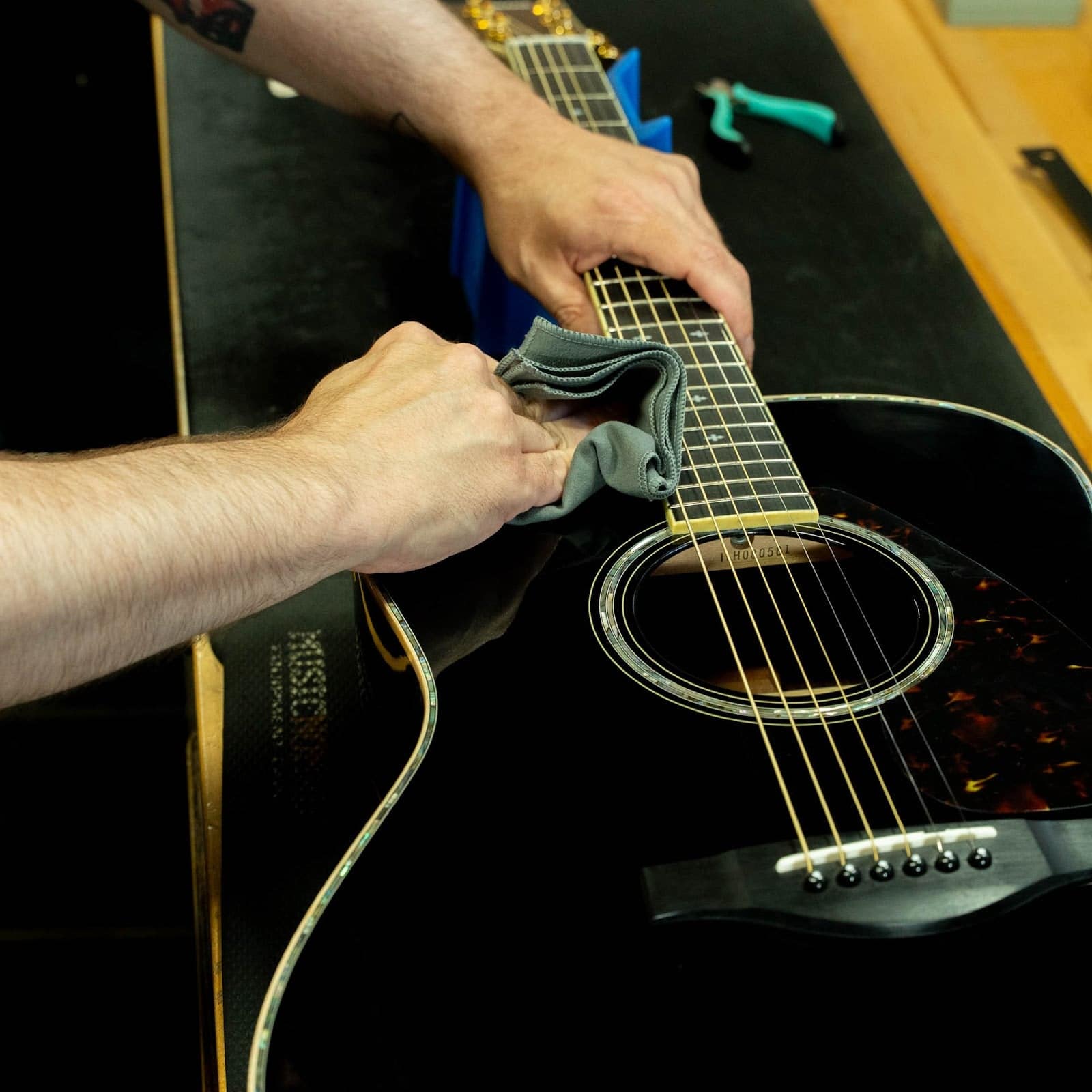
Whatever you spend, every guitar we ship goes through our 23-Point Professional Inspection first, and every Eastman gets a final setup at Eastman's own shop before it reaches us (our visit to Eastman Pomona shows how).
Where we'd stop, and who should spend more
The good news for anyone on a budget is that you don't have to spend a fortune anymore. We've seen $200 guitars that play better than a lot of very expensive guitars from a generation ago, and the quality at the low end keeps going up.
"You get a lot of bang for your buck by going to a more expensive guitar." JohnJohn means more than sound. The upgrade buys playability and features, and there's nothing wrong with wanting a guitar that inspires you every time you open the case. It works like golf clubs: a decent set is more forgiving and won't hold your game back, while the cheapest set makes everything harder. So if you're starting out, the PCH1 is a guitar you won't outgrow quickly. If you've been playing a while and want an upgrade that rewards the work, the solid-wood AC models are where we'd look, and the AC422CE is the first step into rosewood. And if you've never played a high-end guitar, come play one anyway. You may find it's worth saving for.
If you want the same question asked across brands, our expensive guitar vs a $400 guitar test puts a Guild against a Martin D-28 Authentic.
Related reading
- Eastman guitars: handmade quality from the #1 dealer
- Martin D-41 vs Eastman E40D
- Best acoustic guitar under $500: our top 5, scored
Find your Eastman guitar price point
We're the #1 Worldwide Dealer for Eastman, so we see every step of the ladder. Browse all our Eastman guitars, compare body shapes in our grand auditorium and concert guitars, or shop acoustic guitars from every brand we carry.
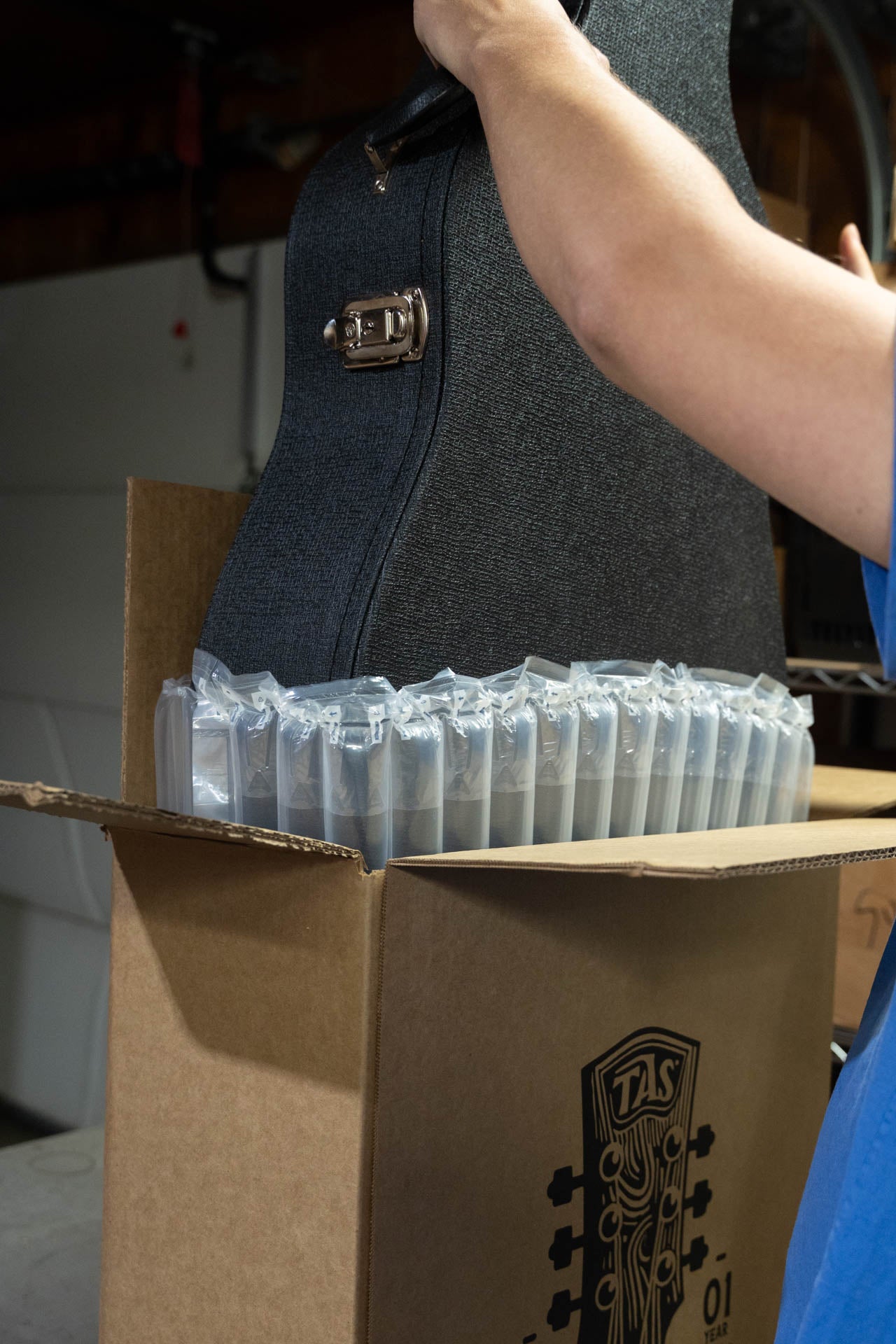
Every guitar at $1,000 and up, including the AC422CE and the E40D-TC, comes with our Dread-Not Guarantee: a full year to trade it in for up to 90% of the pre-tax purchase price in credit (less round-trip shipping, and depending on condition), plus a 30-day in-home trial. That makes the jump to the next Eastman guitar price a lot less of a gamble.