
Table of Contents
- What makes a Scott Avett banjo different from most signature models
- Watch the Scott Avett banjo play-through
- The two Scott Avett banjos, spec for spec
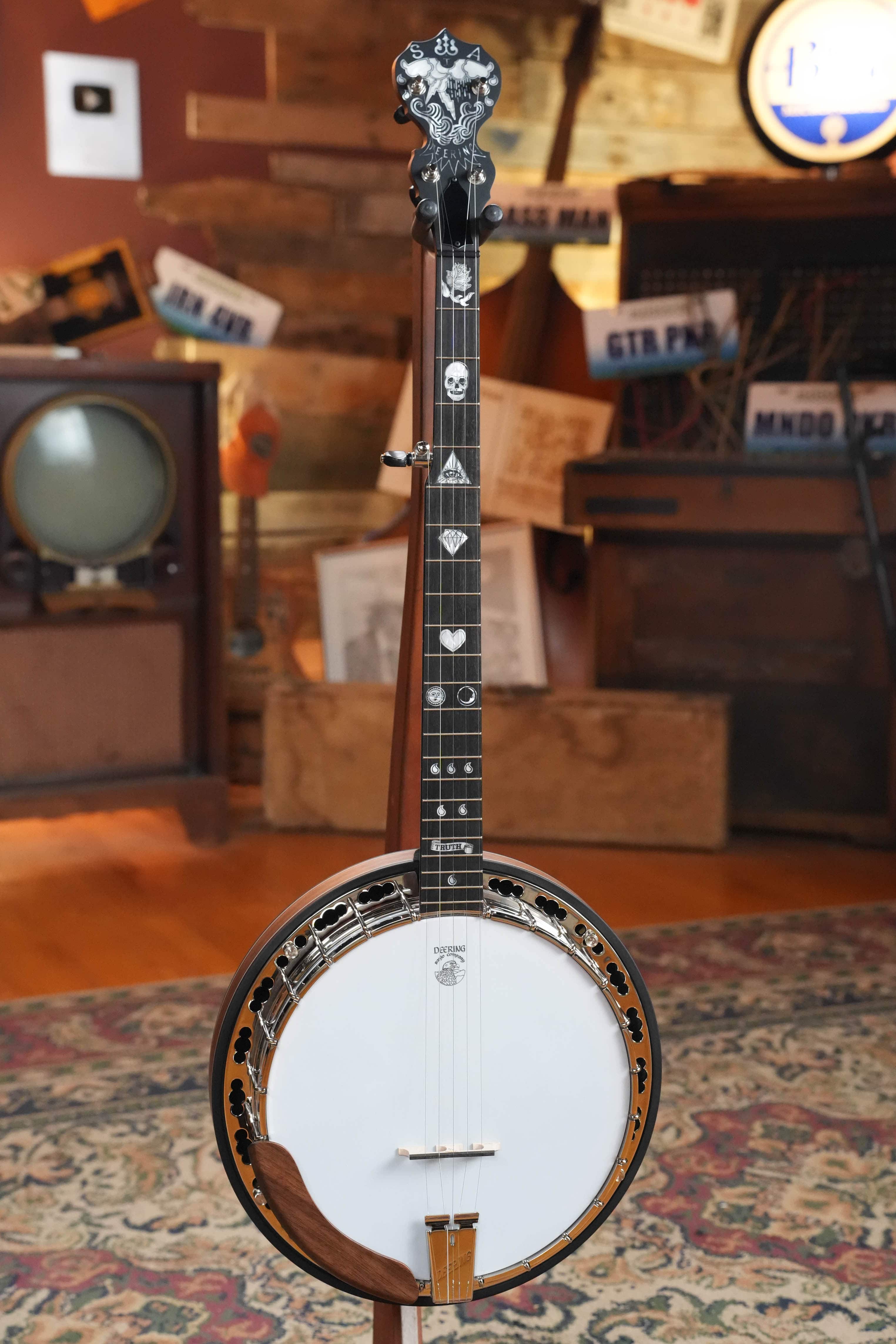
- The Truth: a Scott Avett banjo with a wooden tone ring
- The Vega Avett Star: an open-back built for frailing
- Weight, armrest and neck: built for how Scott plays
- The honest drawbacks of a Scott Avett banjo
- Who should buy a Scott Avett banjo
- How a Scott Avett banjo gets to you
- Our take on the Scott Avett banjo pair
- Acoustic Shoppe FAQ
Deering built two Scott Avett banjos, and neither one is a stock banjo with a name inlaid on the peghead. The Truth is a resonator with a Hartford Grenadillo tone ring. The Vega Avett Star is a 12-inch open-back built for frailing. We had the final prototypes in the studio with banjo player Tate Greer, and our verdict on the Scott Avett banjo line is simple: you can get the sound Scott gets out of either one, and they look great doing it.
Both are in stock now, one of each: the Deering Scott Avett "Truth" Signature Banjo #0010 at $5,499 and the Deering Vega Avett Star Signature Banjo #0008 at $2,999. Here is what we heard, what Tate liked, and where he thinks each one falls short.
What makes a Scott Avett banjo different from most signature models
John opened the video by saying out loud what most of us think about artist models:
"A signature model is usually a standard build with just a fancy name on the peghead. But in this case, Scott Avett spent years on these."
The reason, as John put it, is that Scott wanted a tool that mirrored his high-energy playing style. That shows up in the specs more than the artwork. The two banjos split the way Scott plays. The open-back covers his frailing, and he frails well; we got to talk with him about it. The resonator covers the big, driving sound the Avett Brothers are known for.
Tate made the same point from the player's side. With most artist models, you could take the name off and swap in another one. Asked what the next closest model to these would be, he said that would be very difficult to answer. That's the case for a Scott Avett banjo in one line: there isn't a standard Deering it copies.
Watch the Scott Avett banjo play-through
- 3:43: the open-back and the Truth played side by side
- 8:55: Tate on the "X factor" of each banjo
- 12:54: the critique: who these banjos are not for
The two Scott Avett banjos, spec for spec
Every number below comes from our Shopify listings, not the video captions.
| Spec | Truth (resonator) | Vega Avett Star (open-back) |
|---|---|---|
| Price | $5,499 | $2,999 |
| Tone ring | Hartford Grenadillo | Dobson |
| Rim / head | 11" 3-ply maple rim, 11" frosted head | 12" thinner 3-ply maple rim, 12" Renaissance head |
| Neck | Quartersawn walnut, slender "D" shape | Quartersawn maple, Vega "D" shape |
| Fingerboard | A-grade ebony, "Truth" inlays | Ebony, Scott Avett inlays |
| Armrest | Deering armrest with walnut cap | Matched wooden Deering armrest |
| Scale / nut | 26.25" / 1.25" | 26.25" / 1.25" |
Same scale and nut width on both, so a player moving between them keeps the same reach and string spacing. The real differences are the rim, the tone ring and the resonator.
The Truth: a Scott Avett banjo with a wooden tone ring
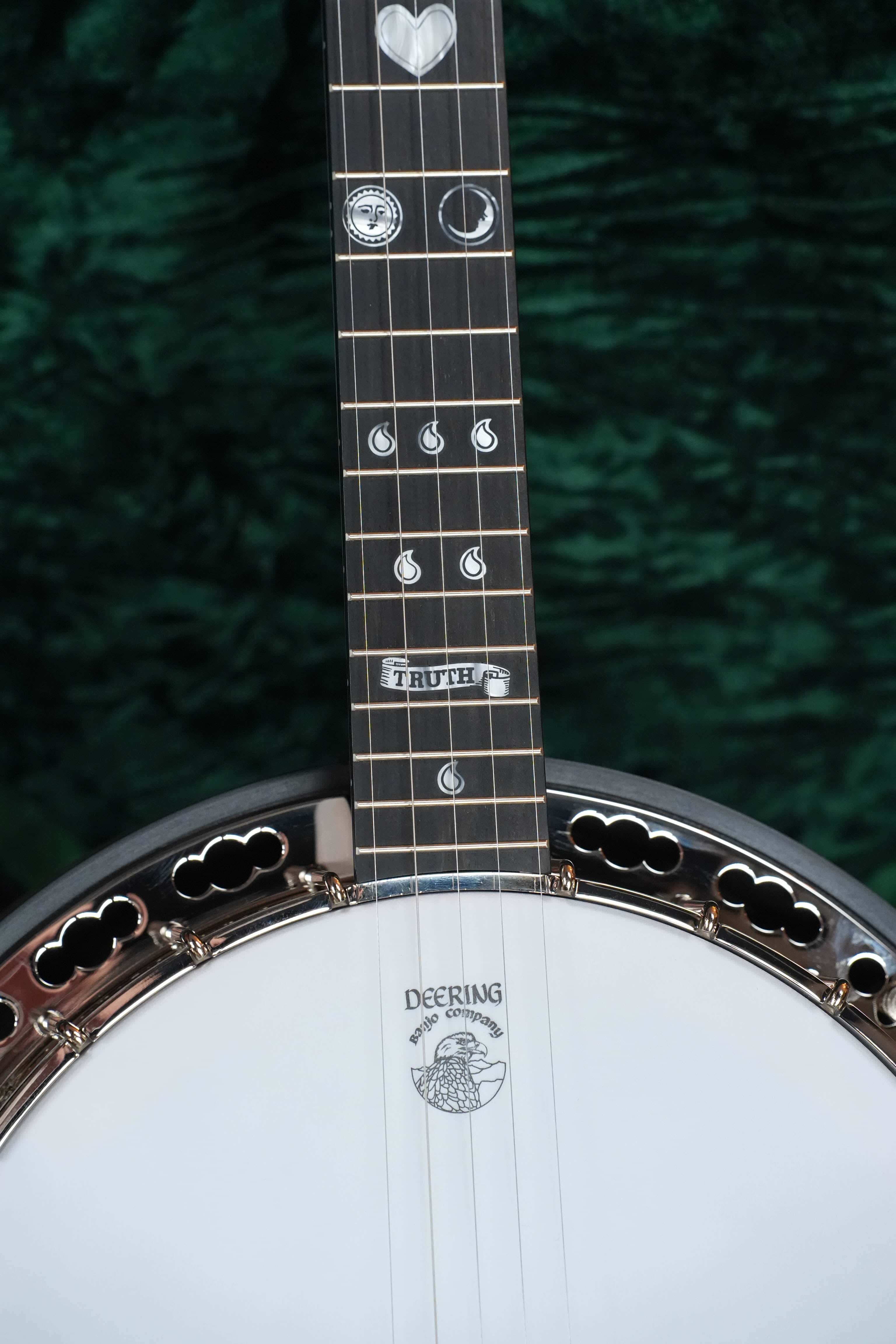
The Truth uses a non-metal tone ring. Shopify lists it as the Hartford Grenadillo, the same ring Deering puts on its John Hartford model, and Tate caught that within 20 minutes of picking it up. John tied the choice back to Hartford himself, who pushed banjo outside its traditional bounds. Tate's answer was that we need both lines to keep going: the John Hartford stuff and the Earl Scruggs stuff.
On sound, Tate said the wooden ring gives a richer overtone instead of the harsher edge you often get. He's a traditional bluegrass player first, and he said he loved a lot of what Deering did here. If you want the background on why the ring matters this much, our post on rolled vs. cast banjo tone rings covers the metal side of that choice.
The artwork won him over before the tone did:
"There's a phrase in bluegrass: there's no money above the fourth fret. And it's got little dollar signs up to the fourth fret."
He also pointed out that the fourth string doesn't get tubby the way it does on a lot of folk-style banjos. His bigger point was that this banjo pushes you somewhere you wouldn't normally go. John agreed: you want an instrument to pull something out of you, and if you already own five banjos, you don't own one like this.
The Vega Avett Star: an open-back built for frailing
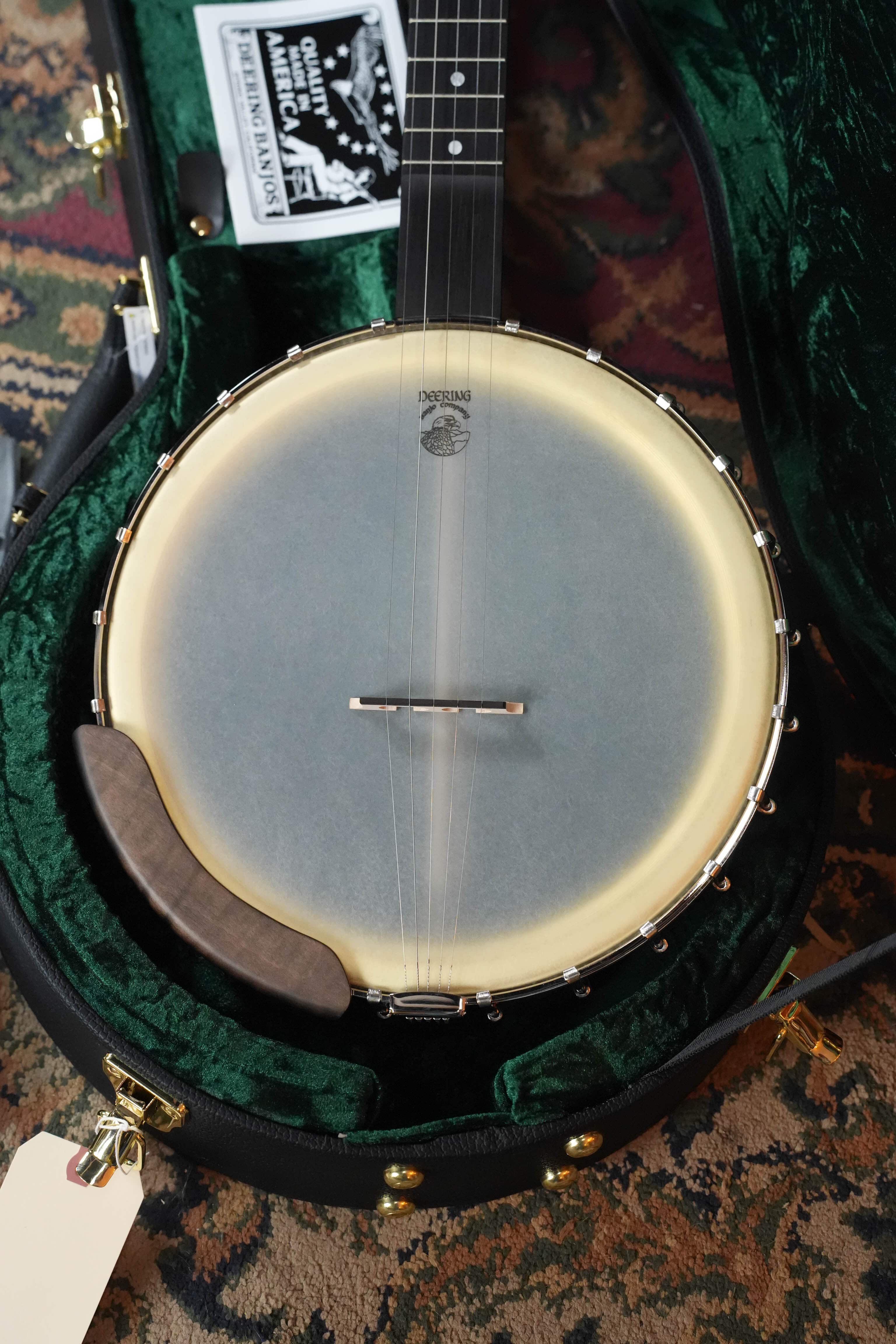
The open-back carries the Vega name and the Vega star on the peghead, on a 12-inch rim. Asked for the X factor, Tate went straight to the low end:
"You can feel it up in your throat and chest when it plays."
He called it the gut punch, the lower and more throaty sound open-backs are known for, and said the 12-inch rim has it in spades. Pulling the resonator off a regular banjo gets you a little of that. A banjo designed from the start to have no resonator gets you more. Tate isn't a clawhammer player, and he still said the banjo wants to go that direction.
He also called it loud for a clawhammer banjo. On a lot of open-backs the notes die quickly. This one stays rich, full and loud, which matters because, as Tate and John both said, volume is the hardest thing to find on a banjo.
Weight, armrest and neck: built for how Scott plays
John said the choices on these banjos weren't only about the look. The weight, the neck feel and the tone were all aimed at Scott's playing. Tate noticed the weight first. The open-back is light, and after years of carrying heavy banjos as a kid, he said the less pain you're in, the more fun you have playing.
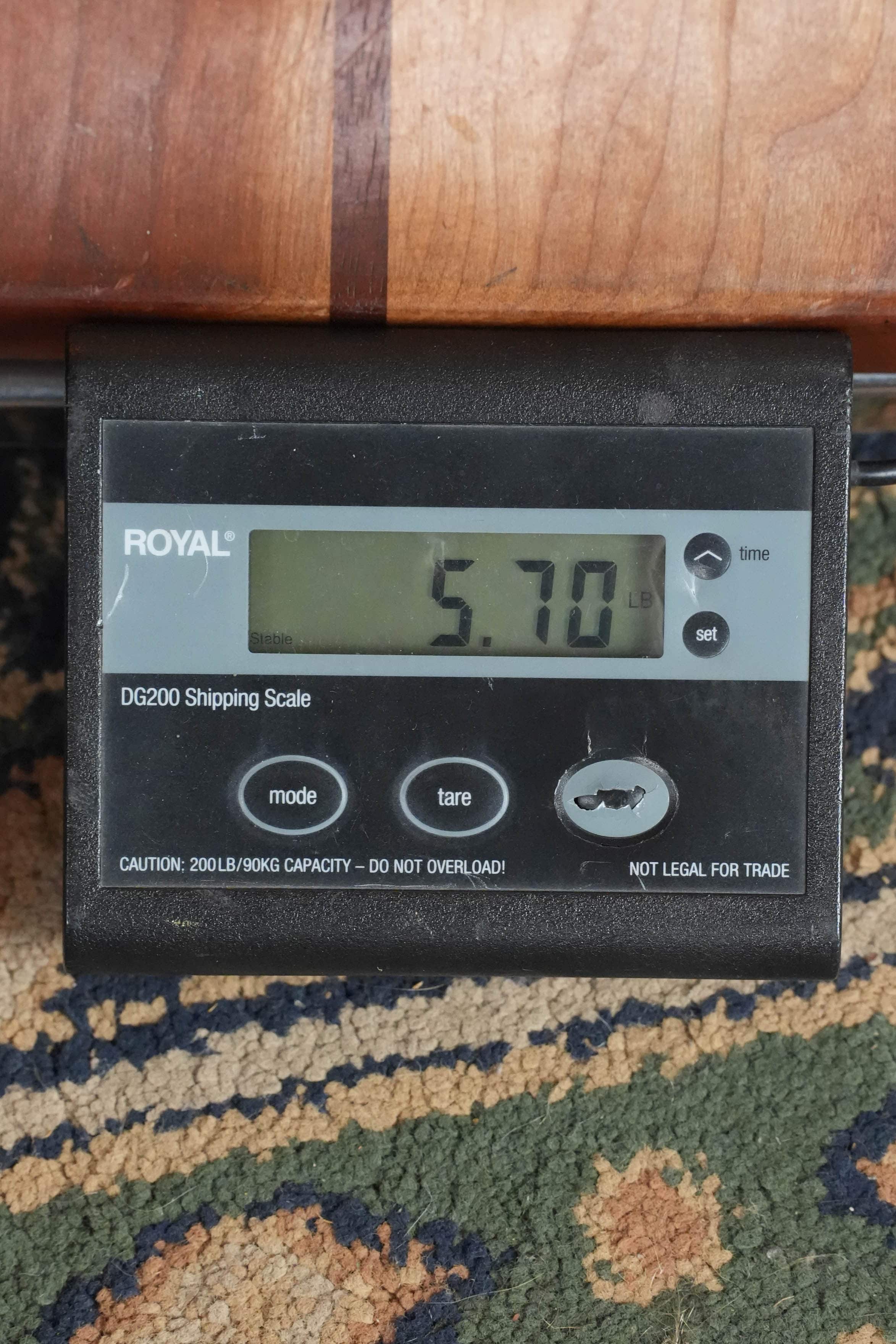
Our shipping scale read 5.70 for the Vega and 9.50 for the Truth when we photographed them. The Truth is heavier, as a resonator should be, and Tate still called it not super heavy.
On the Truth, Tate liked the metal armrest with the wood cap. Some armrests are thick enough to push your arm to a different angle. This one let him keep his natural angle. The neck is smooth, not too wide but wide enough, and he said chords stretch out easily with good note separation. The slender "D" profile in the spec table is what he was describing.
The honest drawbacks of a Scott Avett banjo
John started the critique by calling these very specialized banjos, on purpose. They do something most of the Deering line doesn't. If you want something mainstream, a Scott Avett banjo probably isn't your choice. Tate was blunter:
"If you're exclusively hardcore bluegrass and you show up with this banjo, it may not go well."
- The voice leans low. On the Truth, Tate said the sound sits more toward the mids and lows. Up the neck, cutting through took more work, and he had to play closer to the bridge than usual to get the same tone.
- You trade highs for meat. His words: you can't have it all, and nothing hits every frequency.
- It's a second banjo for most players. John's point about owning five banjos and not one like this cuts both ways. If you only get one banjo, buy the one that fits the music you play most.
Tate's guess was that the Truth would sound great tuned down. We didn't test that on camera, so take it as a guess.
Who should buy a Scott Avett banjo
- Avett Brothers fans who play. Tate and John agreed nothing here stops you from getting Scott's sound. In John's words, it looks fantastic at the same time.
- Frailing and clawhammer players who want volume: the Vega Avett Star, at $2,999.
- Players who want a resonator with warmer overtones: the Truth, at $5,499, especially if you already own a bright bluegrass banjo.
If you play hardcore bluegrass and want one banjo to cover everything, look at the rest of our resonator banjos first. For other open-backs, browse our open-back banjos. The full Deering lineup is on our Deering banjos page, and our older look at Deering's American-made banjos covers the rest of the company's range. The Scott Avett banjo pair is closer in spirit to our take on the Billy Strings D-28, a signature build where the artist changed the instrument, not just the label.
How a Scott Avett banjo gets to you
Both banjos are over $1,000, so either one comes with the Dread-Not Guarantee. Here's the order things happen:
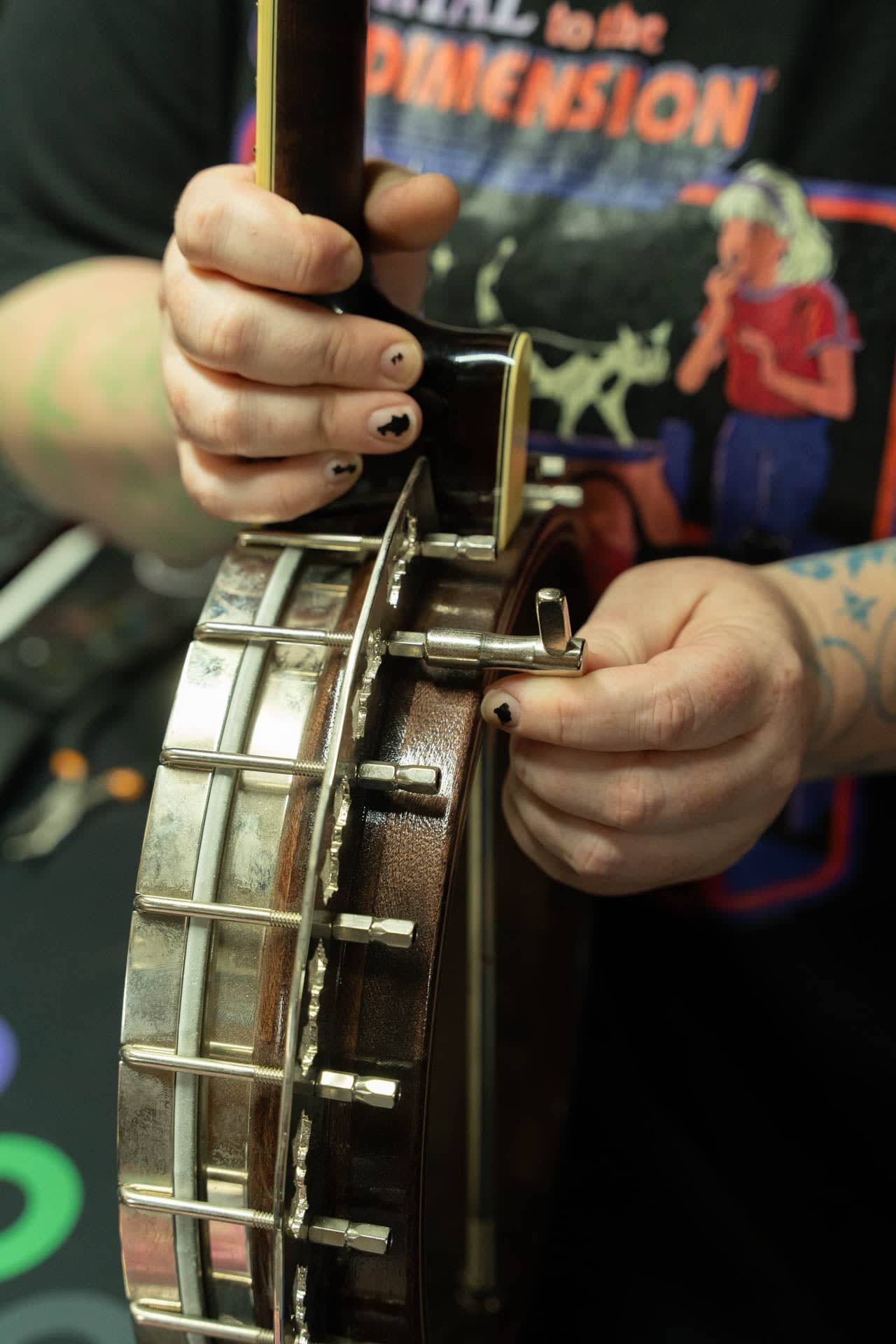
- The banjo goes through our 23-Point Professional Inspection on the bench before it ships.
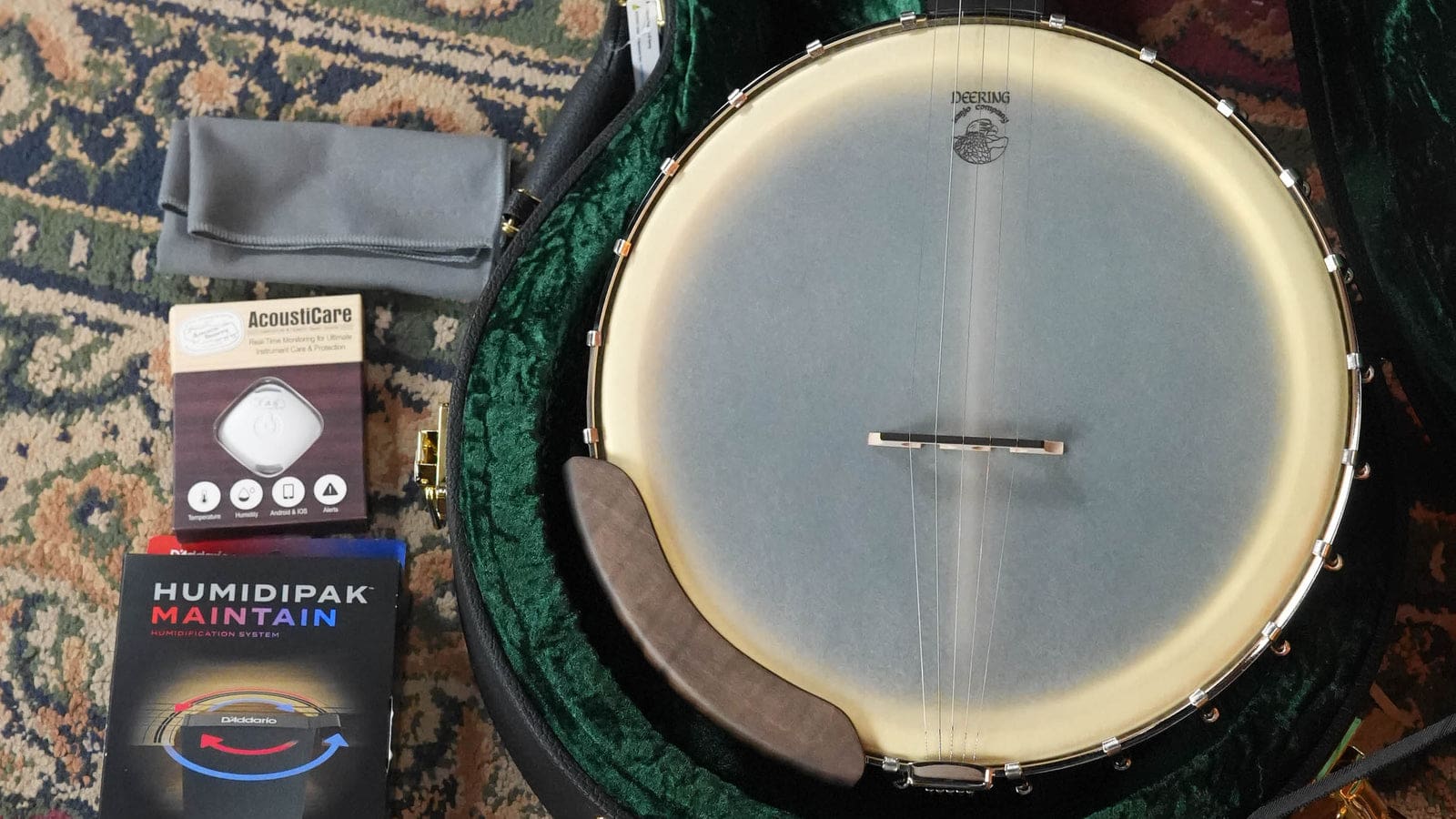
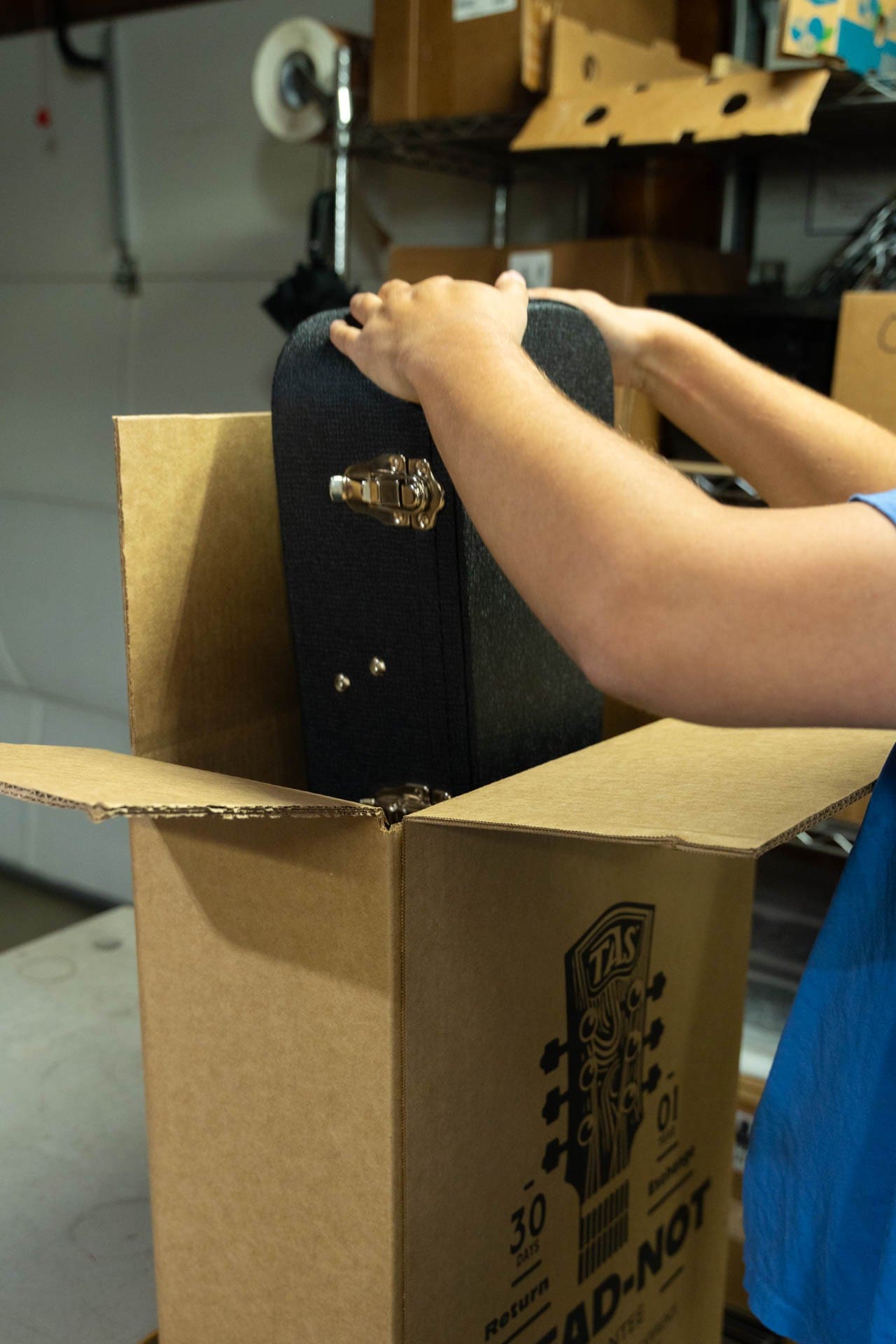
- It ships in its hardshell case with our humidity kit.
- You get a 30-day in-home trial.
- For a year, you can trade it in for up to 90% credit, pre-tax, less round-trip shipping.
That trade-in credit matters on a specialized banjo. If the Truth turns out to be your second banjo when you needed a first, the credit goes toward the one you need.
Related reading
- The Jeff Tweedy Martin: another signature model built around how the artist plays
- Alan Munde: banjo man for the ages
Our take on the Scott Avett banjo pair
Buy the Vega Avett Star if you frail and want an open-back that's loud and light. Buy the Truth if you want a resonator with a warmer, richer overtone and you already have a banjo for straight-ahead bluegrass. We have one of each in stock: Truth #0010 and Vega Avett Star #0008. For everything else with five strings, start at our banjo collection.