
Table of Contents
- E10D vs LD60e vs FG5: what each guitar is
- How the E10D vs LD60e tone test came out
- E10D vs LD60e setup: heavy hand or light hand
- Build quality and the Yamaha QC record
- Looks, the strap button and the truss rod
- Value, and which one we'd pick
- The strings we'd put on a mahogany dreadnought
- Buying an E10D vs LD60e from us
- Acoustic Shoppe FAQ
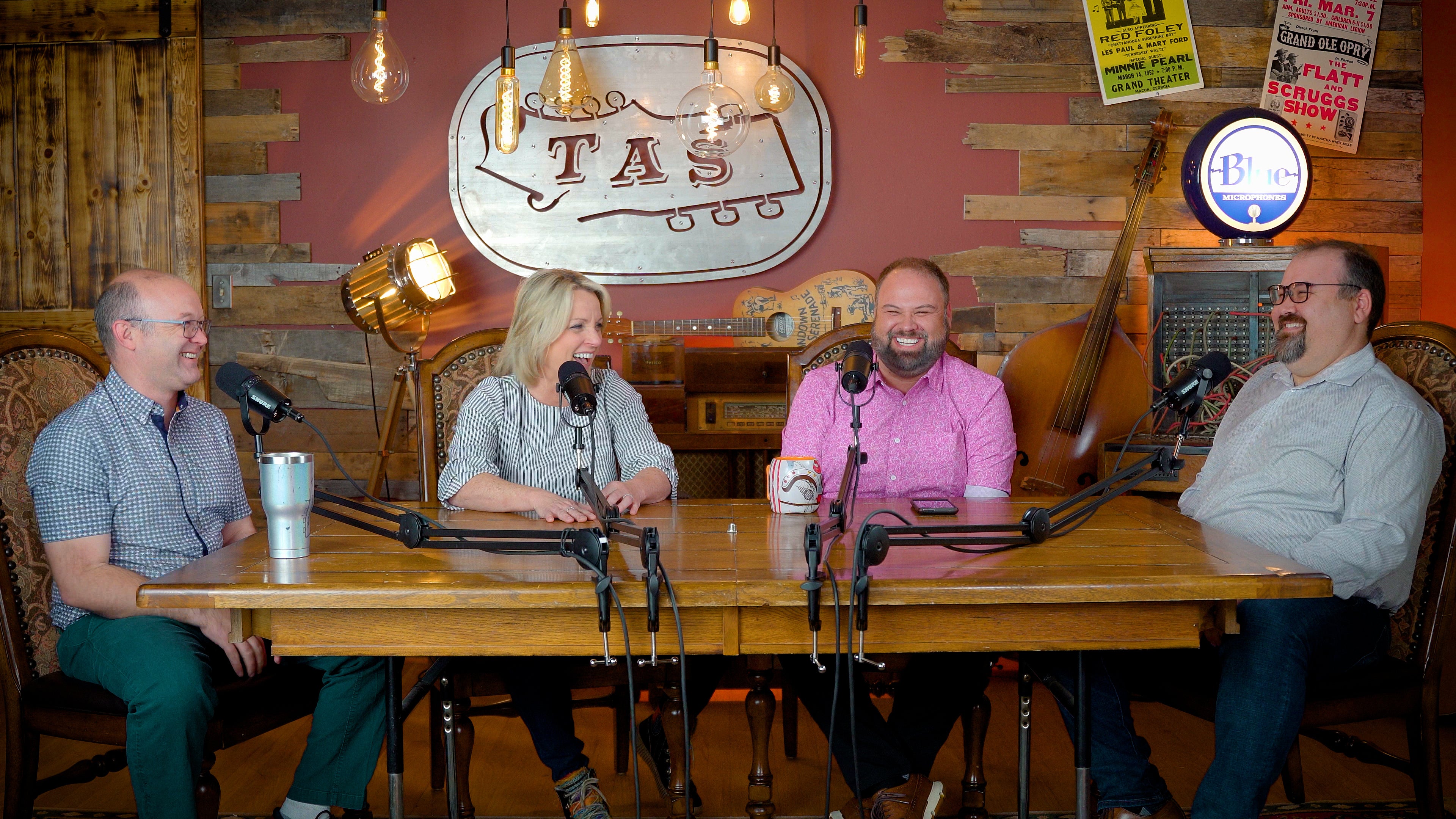
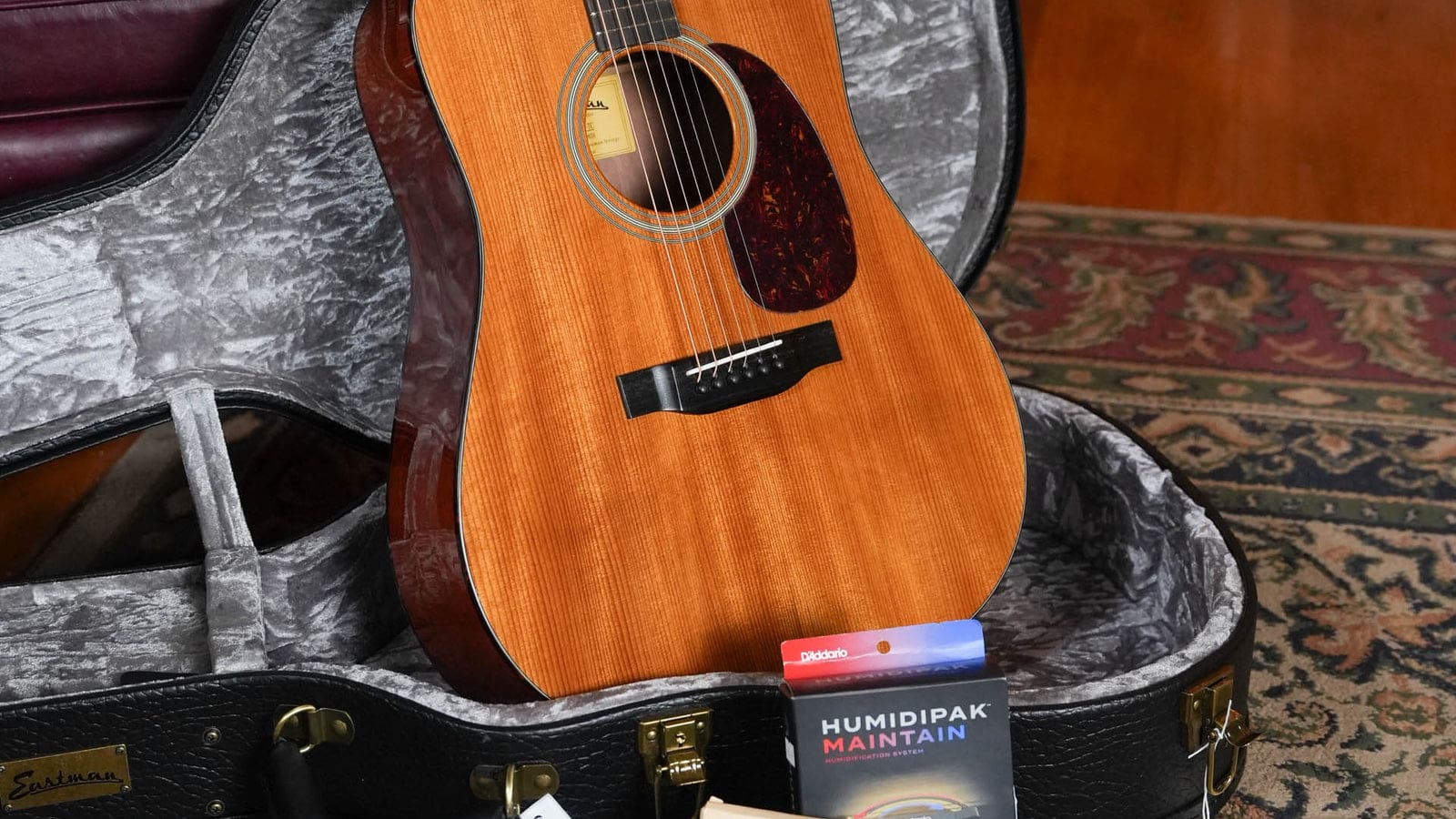
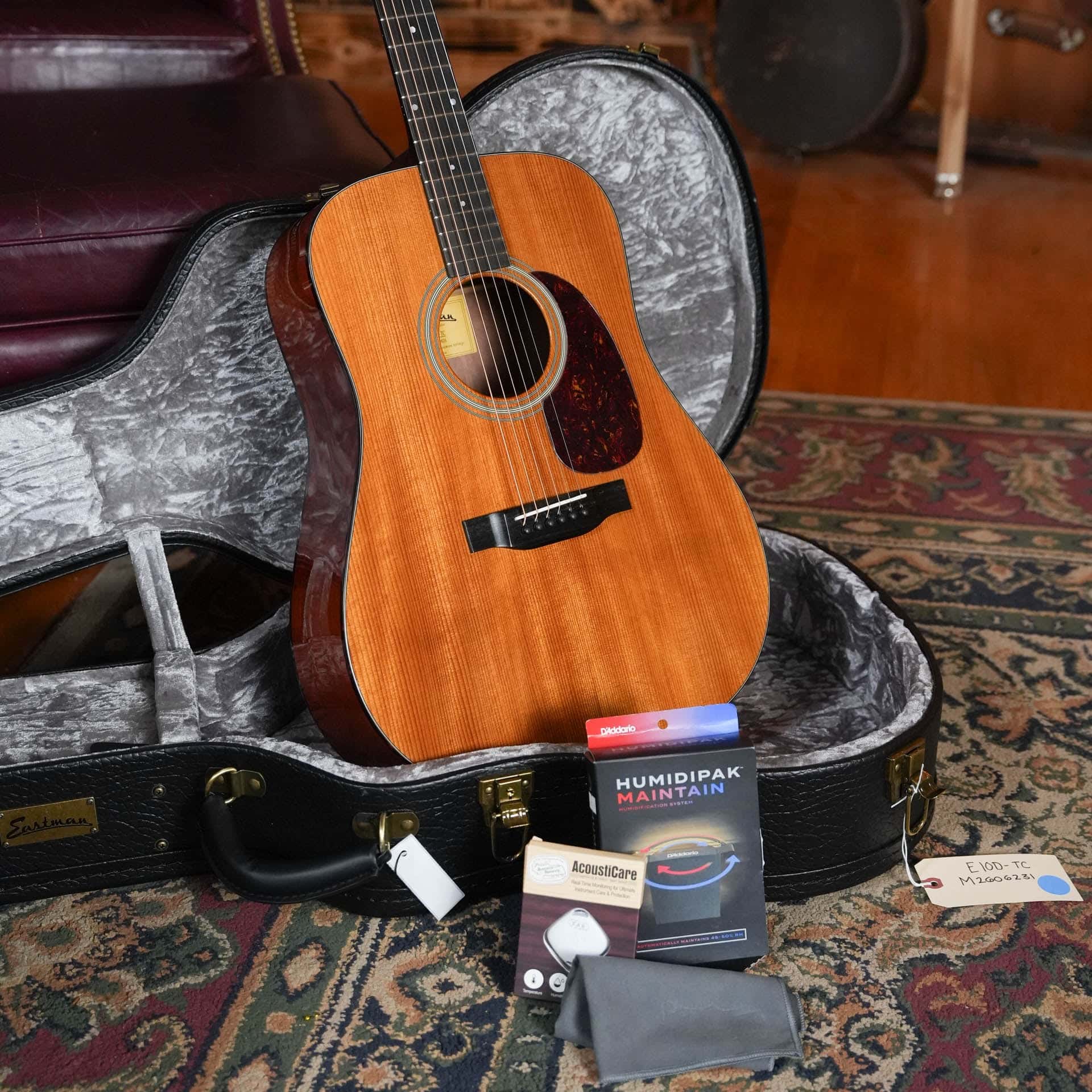
The Eastman E10D-TC is the only one of these three with a red spruce top, and on our scorecard it won flatpicking, build quality and value. We took the E10D vs LD60e question, added Yamaha's FG5 GL as a third guitar, and scored all three on tone, setup, build, looks and value. The short answer: the Eastman for a flatpicker, the Alvarez Laureate for a player who wants a low action and a pickup, the Yamaha for a singer-songwriter.
The video is from May 2025, and prices have moved since. Every price below is what the guitar costs at The Acoustic Shoppe today, and two of the three are now over $1,600.
E10D vs LD60e vs FG5: what each guitar is
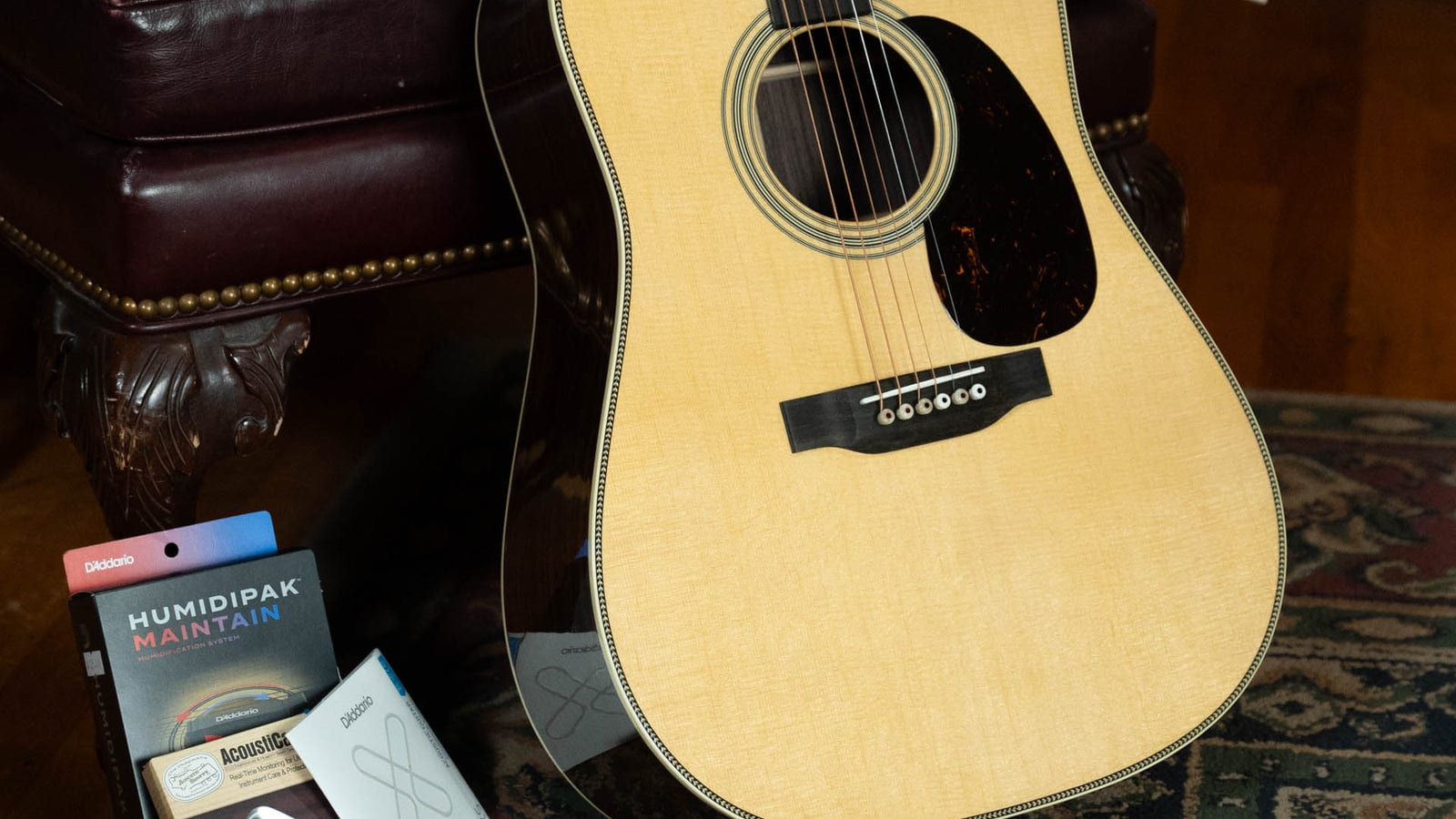
All three are solid-wood mahogany dreadnoughts with a 1 3/4" bone nut, a bone saddle and ebony on the fingerboard. The differences are in the top, the scale and what comes in the box.
| Spec | Eastman E10D-TC | Alvarez LD60e | Yamaha FG5 GL |
|---|---|---|---|
| Top | Solid thermo-cured Adirondack spruce | AAA solid North American Sitka spruce | Solid Sitka spruce, A.R.E. treated |
| Back and sides | Solid mahogany | Solid African mahogany | Solid mahogany |
| Scale length (in) | 25.4 | 25.5 | 25 |
| Electronics | None | LR Baggs HiFi | None |
| Binding | Tortoise | Ivoroid | Black and cream |
| Price today | $1,799 | $1,329 | $1,699.99 |
The top is the biggest split. The Eastman gets a "massive upgrade": Adirondack (red) spruce, thermo-cured, which is what the TC in the name stands for. The Yamaha's Sitka top is treated too, with Yamaha's A.R.E. process. The Alvarez is the one untreated top of the three, but its AAA grade Sitka is a step up of its own.
Scale length runs from the FG5's 25" to the Laureate's 25.5". The shorter scale puts a little less tension on the strings at the same pitch, so bends come a touch easier on the Yamaha. The Laureate is also the only one with a pickup, and the only one that doesn't ship in a hardshell case. Alvarez ships it with an AFC30 case, which is really a thick foam "hard bag," not a wooden hardshell.
Jump to: the tone ratings at 13:29, setup and playability at 18:33, build quality at 21:41, and our string picks at 33:02.
How the E10D vs LD60e tone test came out
The tone round was the closest of the five. Our tone scores for all three landed within two tenths of each other, and the Eastman and the Alvarez tied or traded places.
The Eastman has the most articulate voice of the three, and that cuts both ways. Newer players tend to want a dark, thick tone, and the E10D won't give them that. Its low end is there, but tight:
"It's got a much tighter low end. It's there, it's very distinct, but it's a much more balanced guitar."Think of it like a car stereo: as a teenager, all you want is subwoofer boom, and as you get older you start to value fidelity and clarity. That's the E10D's case for recording and for cutting through with other instruments. It has been a standard dreadnought at The Acoustic Shoppe since we opened.
The Alvarez Laureate is a little heavier in the low mids, with good highs on top. We both gave it a 4.5. One of us gets a bit more of the bass tone he likes from it. The other can't separate it from the Eastman: "it's as good, it's just different."
The Yamaha was the surprise. It sounds like the bassiest of the three, but John thinks it's a thumpier bass, not a stronger one. He hears the bass notes more clearly on the Eastman. The FG5 gives up ground on the top end. Strumming, it has sparkle. Playing leads, the note separation isn't quite what the other two have, so it took the lowest tone scores (4.4 and 4.3).
E10D vs LD60e setup: heavy hand or light hand
This is where our two playing styles split. John plays hard and strings up with mediums. Eastman ships the E10D with lights, and John likes that:
"They come as lights. I always switch them over to mediums. They're set extremely well for that, because it gives me a lower action than some of the other ones that are set up for mediums."John gave the E10D a 4.8 for setup. The other score was a 4.9, because a heavy right hand doesn't buzz on it once the mediums go on. The larger fret wire is a plus for John. The catch: with mediums on, some players will find the E10D's setup a little heavier than they're used to.
The LD60e is the low-action guitar here. The setup is about as low as a Taylor's, if not lower. John can overplay it, and the neck depth and low action make it feel small in his hands. The lighter player of the two of us likes it best of the three for exactly that reason. If you want a low setup out of the box and you play folk-style and light, the E10D vs LD60e decision tilts toward the Alvarez.
The FG5 GL comes beefier, with the action on the high side of the three. That's fine: you can always take material off a saddle, but you can't add it. Our scores: 4.5 and 4.4.
Build quality and the Yamaha QC record
On fit and finish, the Eastman scored 4.9 from both of us: clean bracing inside, tight joints, a well-shaped bridge. We get grief for that because we sell so many Eastmans, but at its price the build is hard to beat.
On build, the E10D vs LD60e gap was wider than on tone. The Laureate scored with the Eastman on tone, but it feels a little cheaper in the hand. The finish is sprayed heavier, so it lacks crisp edges, and the frets weren't polished out the way the Eastman's are. The inside of it looks great. Scores: 4.4 and 4.7.
The Yamaha is a mixed bag. The braces inside are squared and rough, close enough to see mill marks, and the binding edges and neck roll aren't refined. But every guitar from every brand gets the same check when it arrives here, and Yamaha's record on that check stands apart:
"Of all the brands that we have carried in here, we have had less QC returns."That incoming check is the start of our 23-Point Professional Inspection, which every guitar gets before it ships, whatever the brand.
Looks, the strap button and the truss rod
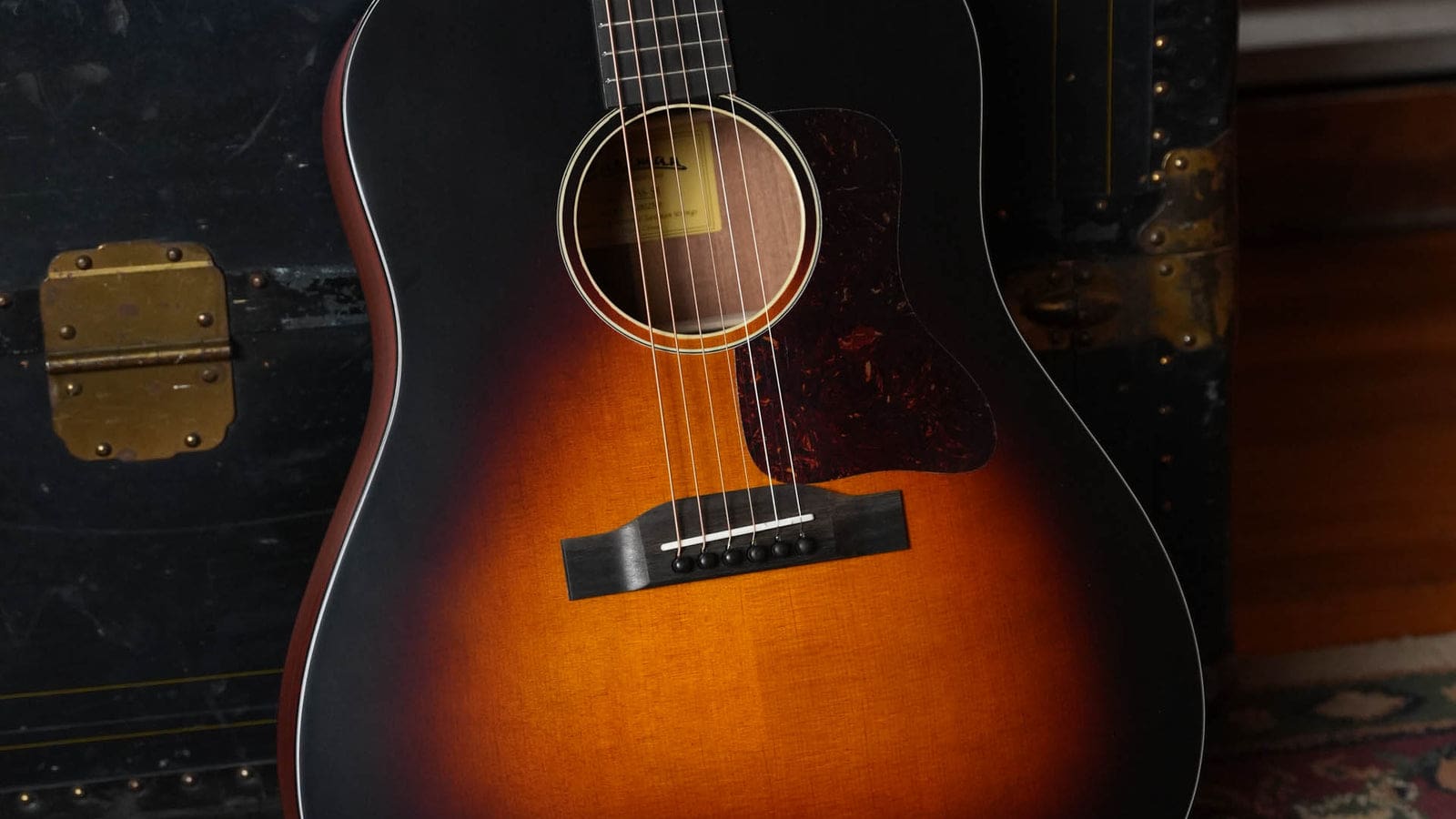
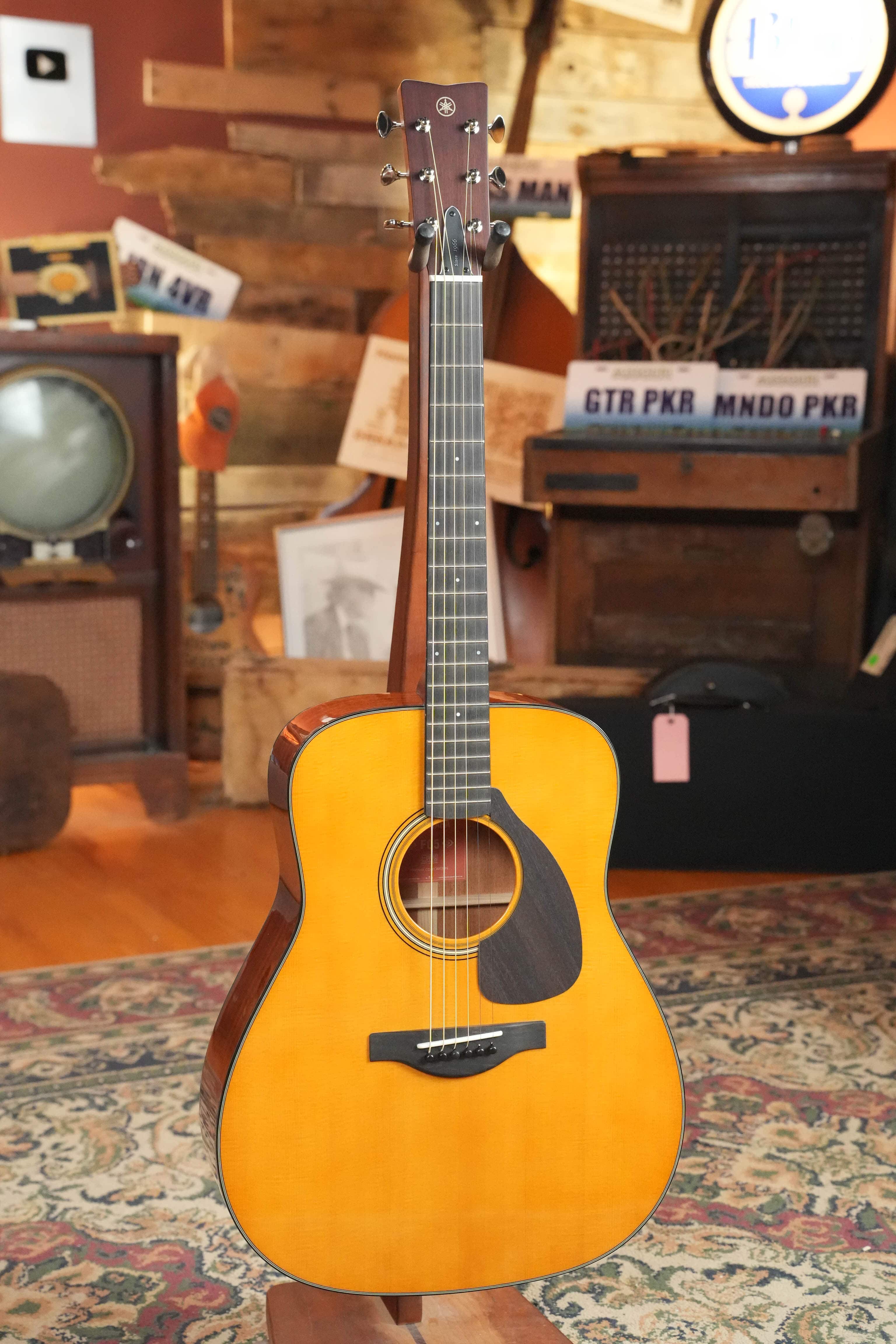
All three look like what they are: the Eastman is a Martin-style dread with tortoise binding and a square headstock, the Yamaha has black-and-cream binding and its own headstock shape, and the Alvarez brings ivoroid binding from the rosewood LD70 to a mahogany body. White binding on mahogany is what set the Doc Watson guitars apart, and we liked it here.
The one design complaint was the Alvarez's strap button, mounted on the back of the neck heel rather than the bottom. It sticks out, and with a strap on it pulls the guitar away from you instead of holding it where you want it. That cost the Laureate two tenths from one of us. The Yamaha puts its truss rod adjustment at the headstock, a carry-over from the 1960s guitars that made the FG line popular; the Eastman adjusts through the soundhole.
Value, and which one we'd pick
Value scores ran 4.8 to 5. The Eastman got the 5, for the Adirondack top, the hardshell case and Eastman's lifetime warranty at its price. The Laureate and the FG5 sat level behind it, so on value the E10D vs LD60e margin was one or two tenths.
Our picks by player:
- Flatpicking: the Eastman E10D-TC #6231 ($1,799), with the Laureate second.
- A guitar that covers everything, including plugged-in, lighter, more modern lead playing: the Alvarez Laureate LD60e #2241 ($1,329), the only one of the three still under $1,600.
- Singer-songwriter and folk: the Yamaha FG5 GL ($1,699.99). It fills in the bottom end so a vocal sits on top, and it has the classic 1960s and '70s FG sound.
If none is listed on the FG5 GL page when you look, the FG5 GL pre-order holds the next one. For the same Red Label build in a smaller body, see the Yamaha FS5 GL concert #421A ($1,699.99); our dreadnought vs OM guide covers what the smaller shape changes.
The bottom line:
"I really truly believe that there is no loser in this particular series."The strings we'd put on a mahogany dreadnought
John's three picks for bringing out a mahogany dread:
- GHS Americana. His own choice is the mediums, and GHS also makes a "true medium" in between. The bronze-plated plain strings round off the metallic bite on top. We stock the GHS Americana lights.
- D'Addario XS phosphor bronze. A coated string that sounds right for a long time. John prefers phosphor bronze over 80/20, which he finds thinner and shorter-lived. We stock the XS phosphor bronze lights.
- StringJoy standards. John hears more power and a hint of vintage tone from them, and they're wound under tension, so they feel fuller. John isn't a fan of the coated Foxwoods set.
Every set we stock is in the guitar strings collection.
Related reading
- Alvarez Yairi DYM66: an all-mahogany dreadnought from Alvarez's Japan-built line
- Boucher vs Collings: the bluegrass dreadnought step up
- Acoustic guitar care: cleaning, humidity, storage and strings
Buying an E10D vs LD60e from us
Our earlier roundup of the best mahogany dreadnoughts under $1,600 covers the same three makers as a price-band list. If you're weighing the E10D vs LD60e on the spec sheet, our four reasons we like the Alvarez Laureate series and our mahogany vs rosewood comparison fill in the rest. We're the #1 worldwide dealer for Eastman, so the Eastman guitars collection usually has more than one E10D to choose from, and the Alvarez collection has the Laureate line.
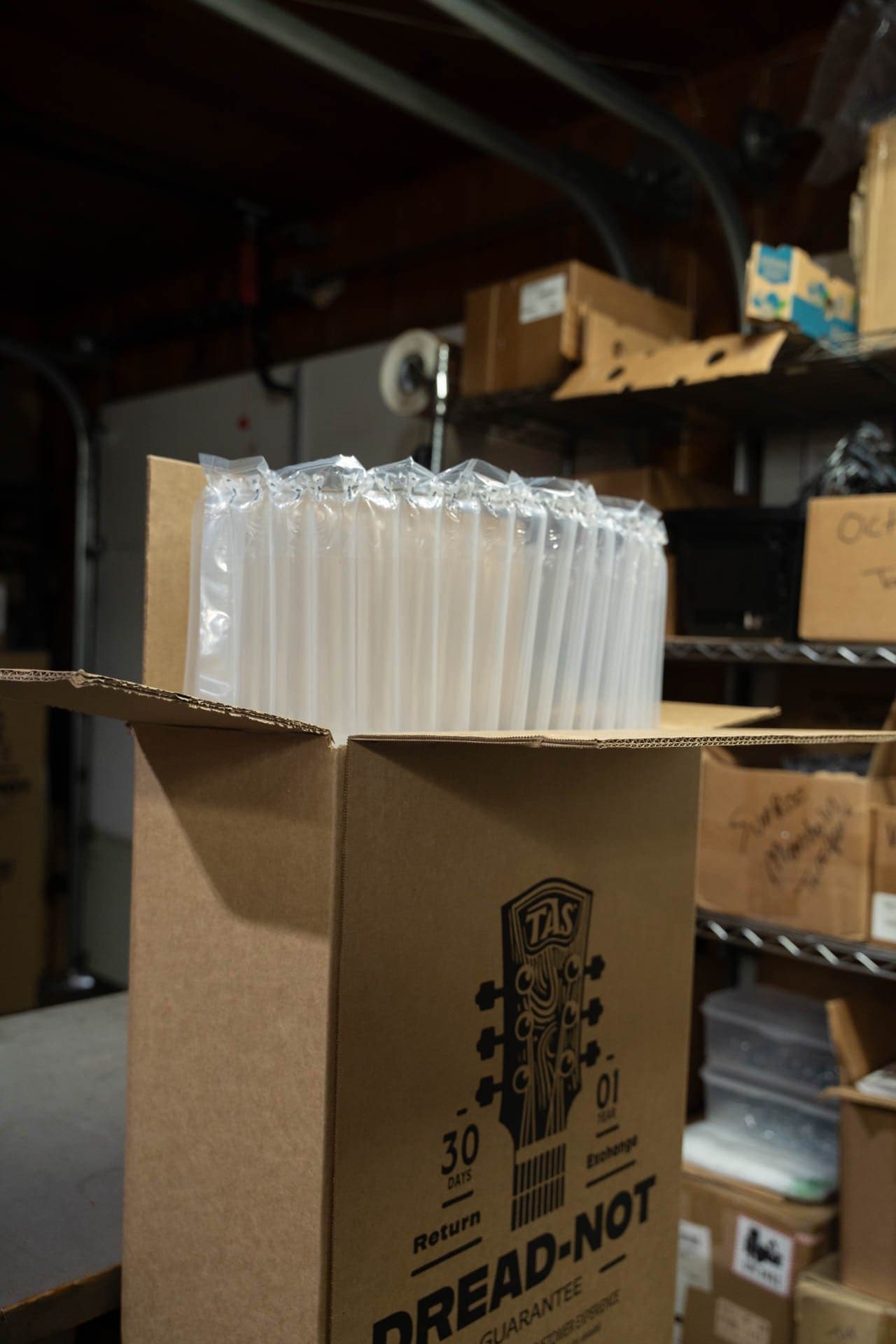
All three guitars are over $1,000, so each comes with the Dread-Not Guarantee: a 1-year trade-in credit of up to 90% of what you paid (pre-tax, less round-trip shipping), a 30-day in-home trial, the professional inspection and a humidity kit. Play the E10D vs LD60e at home, and if the one you picked isn't the one, the trade-in credit is there.
Browse every dreadnought guitar in stock, or every guitar we have. If you're torn between the Eastman's articulate top and the Laureate's low action and pickup, that's the E10D vs LD60e question in one sentence, and it comes down to how hard you play.