

Table of Contents
Mandolin chords are easier to learn than guitar chords because the mandolin is tuned in fifths, G, D, A, E, so one shape moves anywhere on the neck and keeps its sound. Learn six shapes and you can play along with most bluegrass, folk and gospel songs in the keys of G and D. This guide gives you those six mandolin chords, the order to learn them in, and the gear that makes the first month easier on your fingers.
Every chord below assumes standard tuning. If your mandolin isn't there yet, start with our guide on how to tune a mandolin, because a chord shape only sounds right when all eight strings agree.
How to read mandolin chords on a chart
A mandolin has eight strings in four pairs. You fret and pick each pair as if it were one string, so a chord chart only needs four numbers. We write them from the lowest pair to the highest: G, D, A, E. A 0 means you play that pair open, and any other number is the fret you press.
- Press just behind the fret wire, not on top of it, and the note rings clean with less pressure.
- Keep your fingertips upright so they don't mute the pair next door.
- Press both strings of a pair together. If one string of the pair is left half pressed, it buzzes.
The six beginner mandolin chords
These six mandolin chords cover the two keys most jam tunes are played in. Learn them in this order. G, C and D cover the key of G. Add A and you can play in D. E minor and B minor come last.
| Chord | Frets (G D A E) | Why you need it |
|---|---|---|
| G major | 0 0 2 3 | The home chord of the key of G, and the first chord in most beginner books |
| C major | 0 2 3 0 | The IV chord in G, so it shows up in nearly every song in that key |
| D major | 2 0 0 2 | The V chord in G and the home chord in D, so it does double duty |
| A major | 2 2 4 0 | The V chord in the key of D |
| E minor | 0 2 2 0 | The relative minor of G, and the easiest chord on this list to fret |
| B minor | 4 0 2 2 | The relative minor of D, and the first stretch your hand will notice |
With G, C and D you can play most three-chord hymns and gospel songs all the way through. When you want the melody too, our free mandolin hymn lesson walks one note by note.
A practice order that builds mandolin chords fast
Most new players learn a shape in a day, but the change from one shape to the next takes a few weeks. So practice the changes, not the chords on their own.
- Play G for four strums, then C for four strums, and repeat for two minutes. Your ring finger stays near the third fret the whole time.
- Add D. Cycle G, C, D, G until you can change without stopping the strum.
- Move to the key of D: D, G, A, D. The A shape is the first one that uses the fourth fret, so go slow.
- Add E minor and B minor last. They turn a three-chord song into one that sounds finished.
- Use a metronome at a slow tempo and raise it a few clicks a day. A steady slow change will serve you better at a jam than a fast messy one.
Ten minutes a day on mandolin chords does more than an hour on Saturday. Your fingertips need a couple of weeks to toughen, and short daily sessions get you there without blisters.
The chop chord: the shape bluegrass players use most
Once the open chords feel easy, learn one closed shape. In bluegrass the mandolin plays the backbeat with a short, percussive chord called the chop, and it needs every string fretted so you can mute it by easing off the pressure.
The classic chop shape for G is 7 5 2 3. All four pairs are fretted, so the chord stops the moment you relax your hand, and that's what gives the chop its bark. Because the mandolin is tuned in fifths, the same shape moved up two frets, 9 7 4 5, is an A chord. Slide it anywhere and the chord name follows the fret. That's the payoff of learning mandolin chords on an instrument tuned like a fiddle.
The chop is also where the instrument starts to matter. A mandolin with a strong, quick attack gives you a chop that cuts through a banjo and a guitar in a jam. A dull one gives you a thud. That's a big part of what you pay for as you move up in price.
Gear that makes the first month easier
None of this needs a new instrument, but three small things help a beginner more than anything else we sell.
| Item | Price | What it fixes |
|---|---|---|
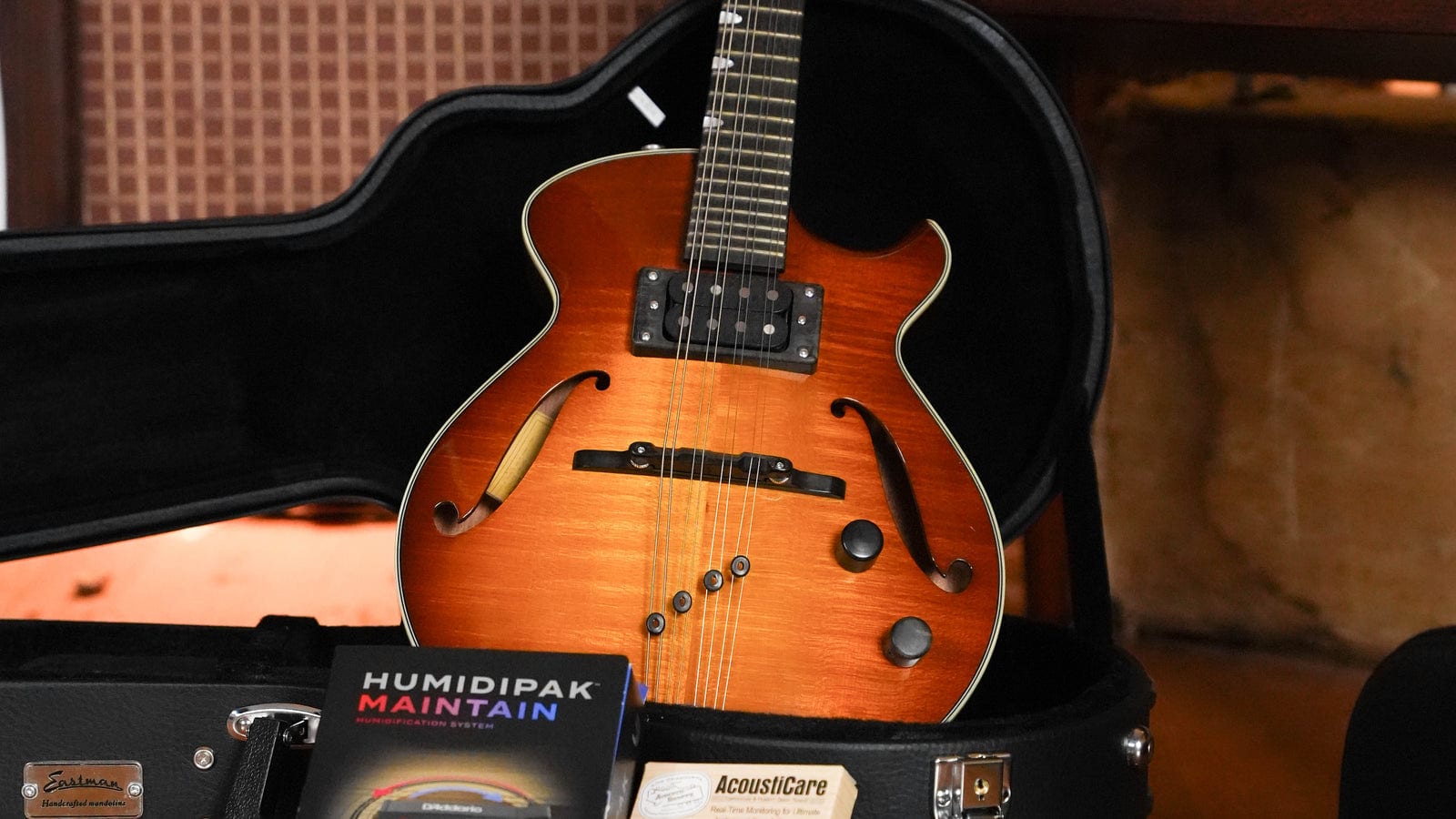
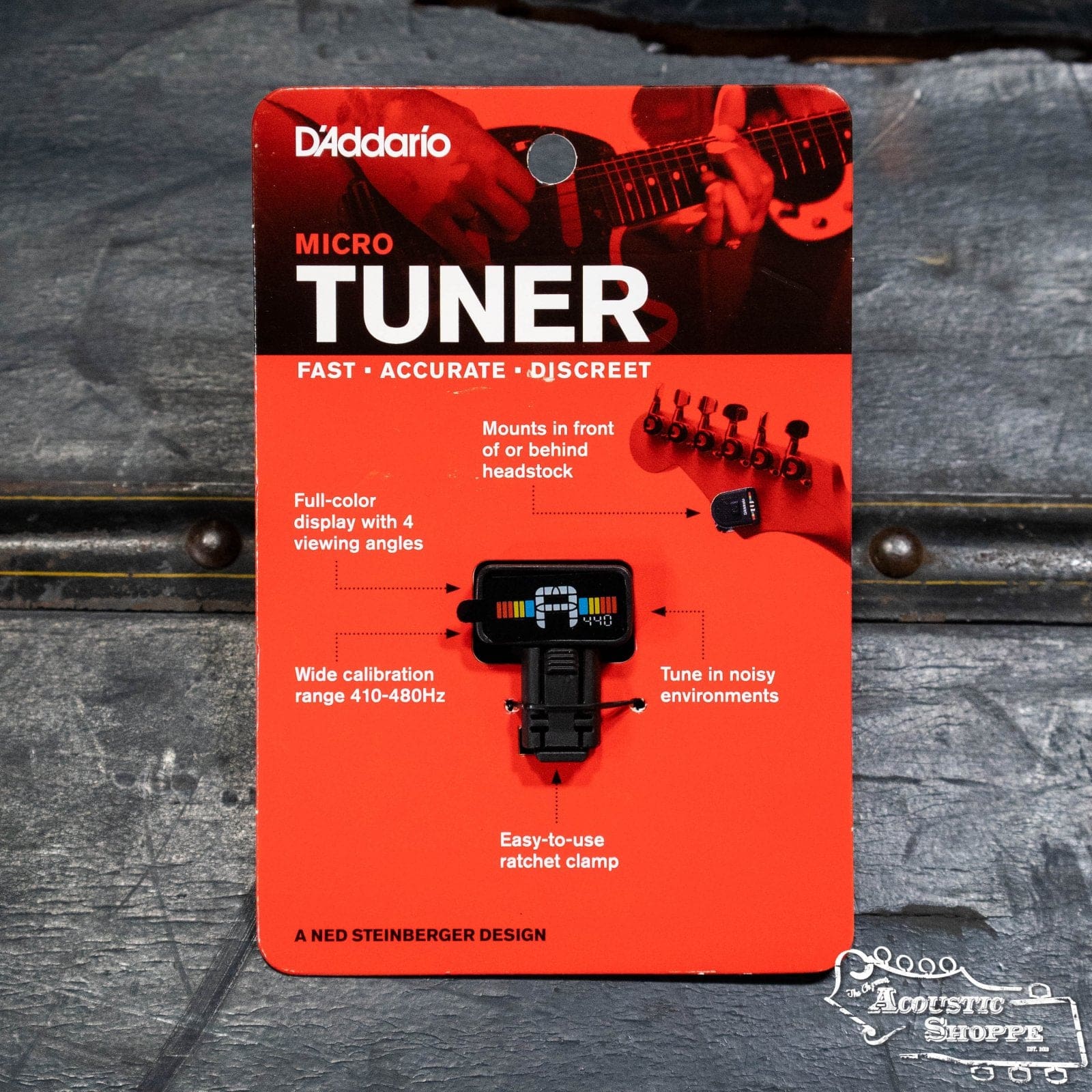
| D'Addario PW-CT-12 Micro Headstock Tuner | $21.99 | Clips on and stays on, so you check tuning before every practice and every chord sounds the way the chart says it should |
| D'Addario EJ74 Phosphor Bronze Mandolin Strings, Medium 11-40 | $9.99 | Old strings go dead and false, and a fresh set makes chords ring longer under a beginner's lighter pressure |
| Dunlop Primetone Standard Pick, 3 Pack | $9.99 | A thicker pick gives a fuller chord and a cleaner chop than a thin guitar pick |
You'll find more in our mandolin strings, mandolin picks and mandolin accessories collections. Picks are personal, so we suggest buying two or three gauges and keeping the one that makes your chords sound fullest.
When you are ready for a better mandolin
A beginner can learn every chord in this guide on almost any mandolin with a good setup. The action and the frets decide how hard the first month feels. High action and rough frets make each chord shape harder to press, and that discourages a lot of new players. Both mandolins below come with our 23-Point Professional Inspection before they ship, so the action, frets and nut are checked and the chords in the table above take less effort.
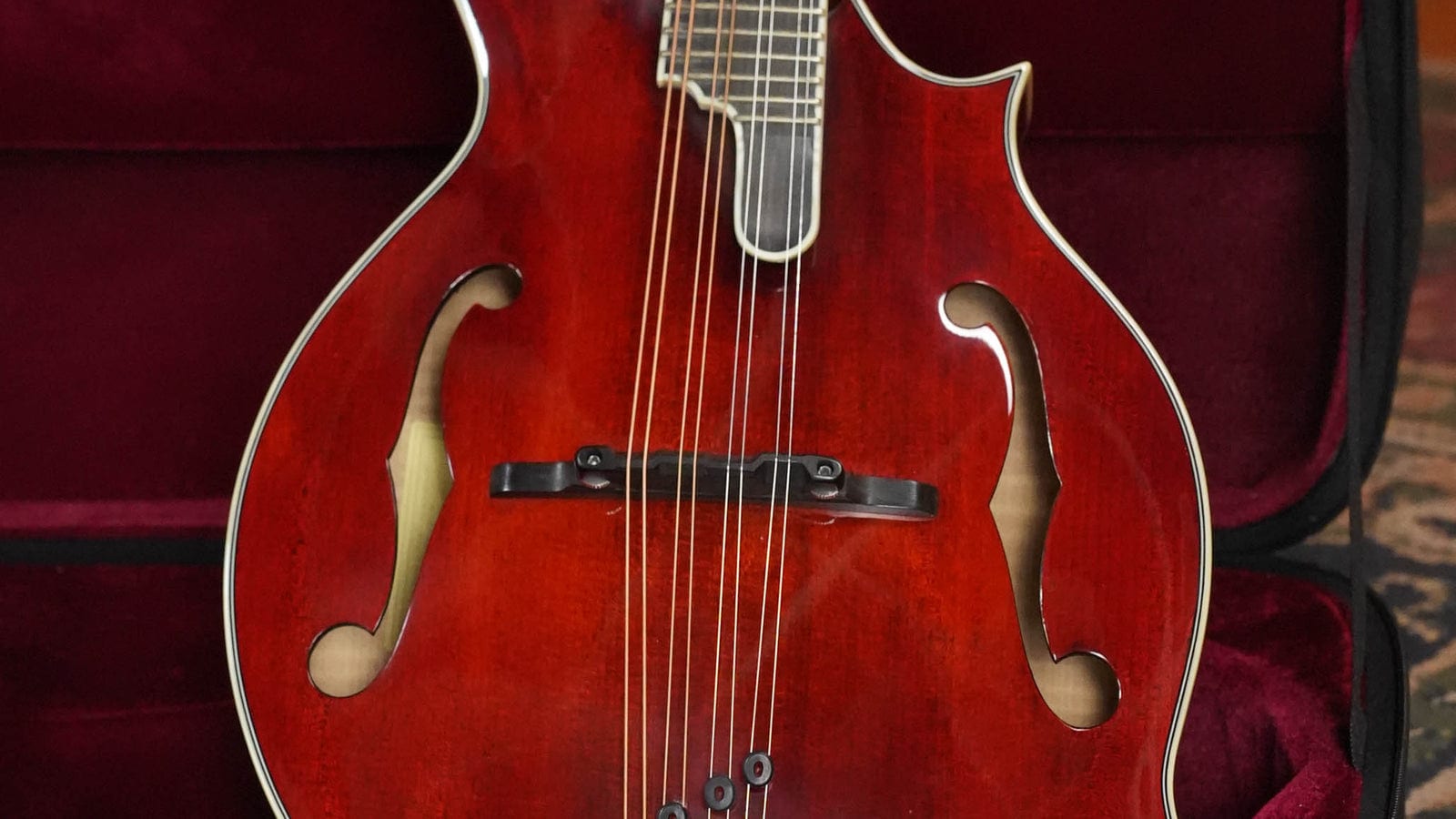
When chords feel easy and you want an instrument that answers back, these two Eastman mandolins are in stock right now.
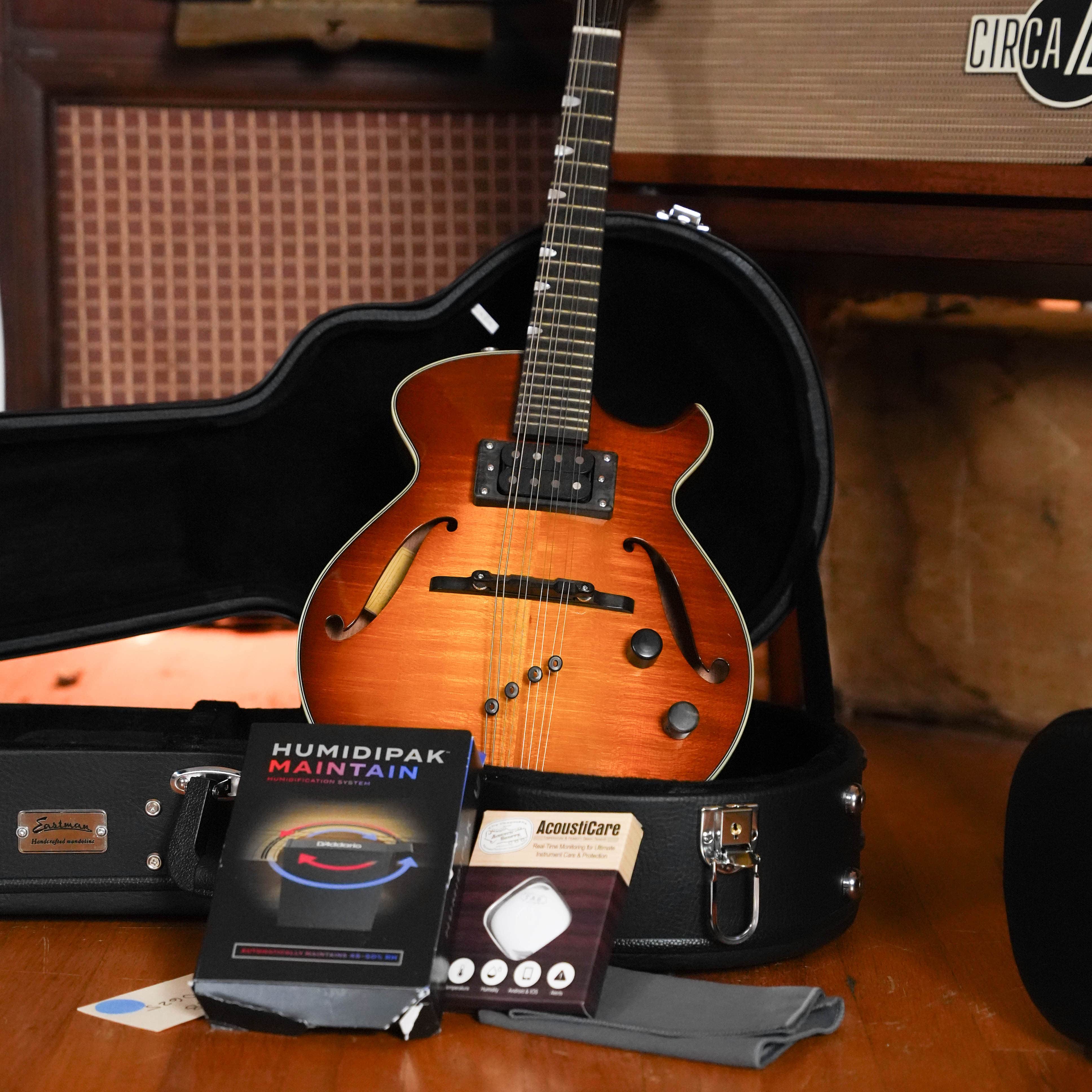
- Eastman ER-M-GB Goldburst El Rey Mandolin, $1,599.00. This is the lowest-priced mandolin we have in stock today.
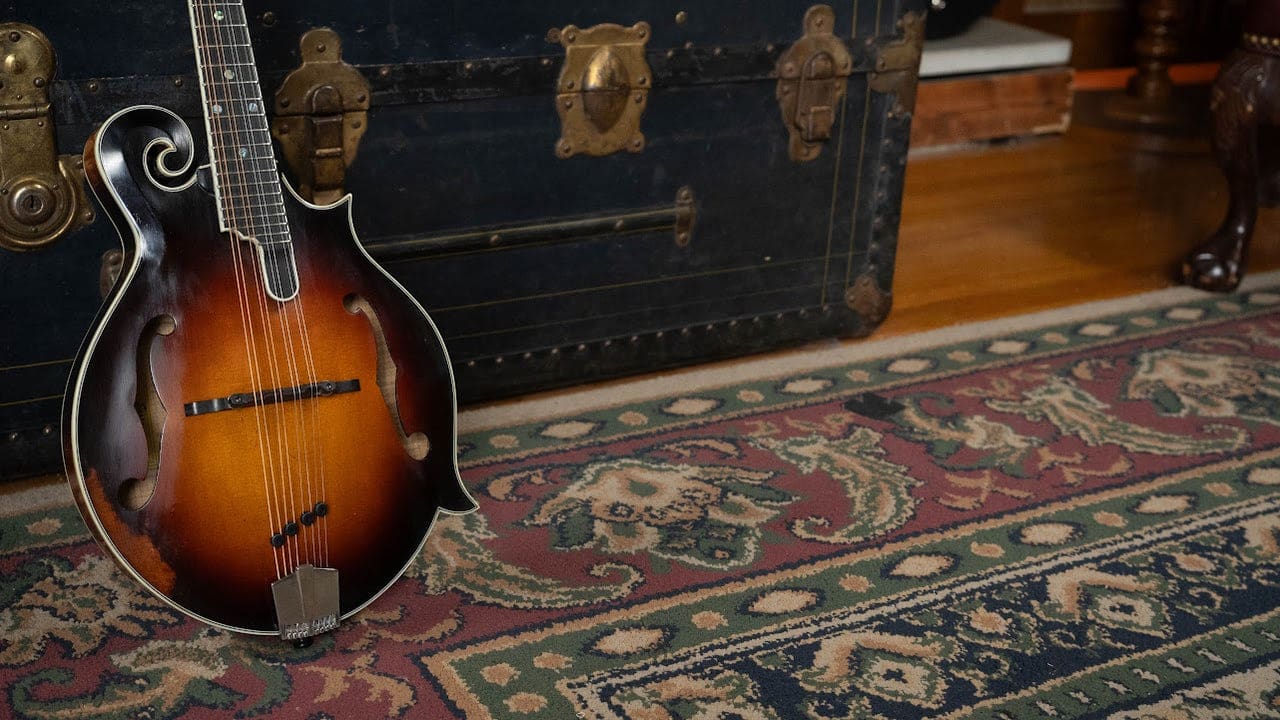
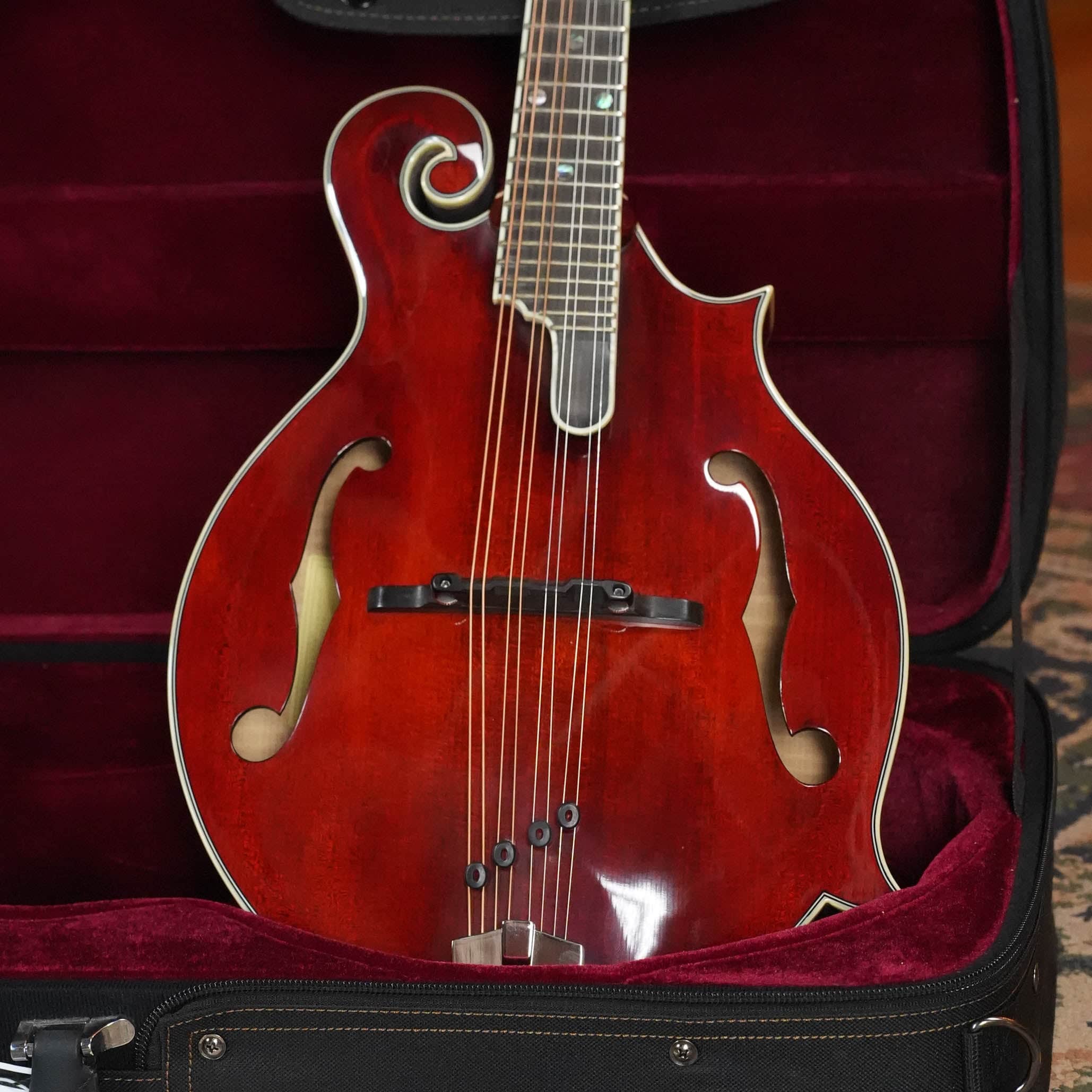
- Eastman MD815 F-Style Mandolin, $2,249.99. An F-style with the quick attack the chop chord needs, and a common next step after a first mandolin.
We are the #1 Worldwide Dealer for Eastman Guitars & Mandolins, and our Eastman mandolin collection shows every one we have in stock. Both models above are covered by the Dread-Not Guarantee, which gives you up to 90% trade-in credit toward your next instrument for a year, so a first good mandolin isn't a dead end when you outgrow it. If you want to spread the cost, see financing through Synchrony.
Not sure which body style fits you? Compare our A-style mandolins with our F-style mandolins, or browse every mandolin we have in stock.
Related reading
- How to Tune a Mandolin: GDAE Tuning Made Simple and Fast
- Top 5 Mandolins for Beginners
- Mandolins: A Complete Guide to Mandolins and Their Family
Learn G, C and D this week and you'll play your first full song by the weekend. When you hit a chord that won't ring clean, call us. We'd rather talk you through a buzzing string than have you put the mandolin back in its case.