
When it comes to mandolins, few instruments combine versatility, tradition, and expressive power in quite the same way. Whether you’re a total beginner exploring your first instrument or a seasoned player hunting for the perfect tone, mandolins offer something unique. This guide will walk you through the history, the different types of instruments in the mandolin family, what to look for when buying, and how to choose the right mandolin for your style — with help from expert resources and a world‑class mandolin store.
At The Acoustic Shoppe, we carry a wide selection of mandolins and mandolin‑family instruments, and we’ve gathered decades of knowledge so you don’t have to — making your search easier and more informed.
A Brief History of Mandolins
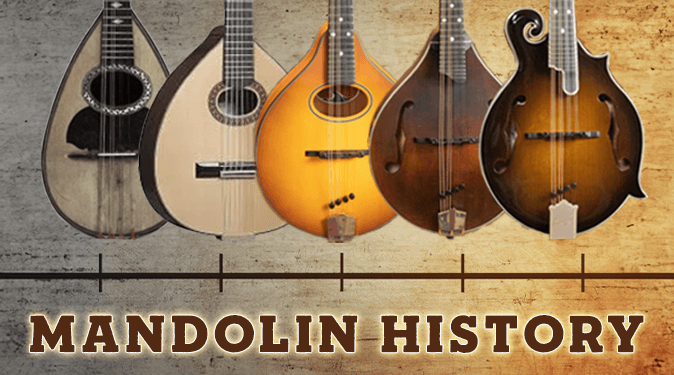
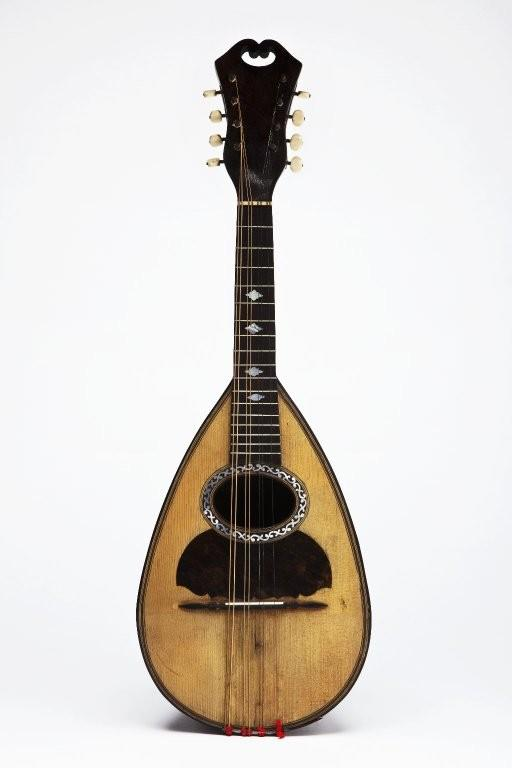
The mandolin’s origins go back to 18th-century Italy, where luthiers like Pasquale Vinaccia pioneered the steel-string Neapolitan mandolin — transforming it from a folk instrument to something that could carry melodic weight.
By the late 19th century, mandolins crossed the Atlantic with European immigrants, gaining popularity in America through parlor music, vaudeville, and eventually reaching a peak with early 20th century mandolin orchestras.
Over time, the instrument evolved. Flat‑back and archtop mandolins emerged, better suited to the fast picking of American folk and bluegrass. The result: modern mandolins that honor rich European history while fitting today’s music styles.
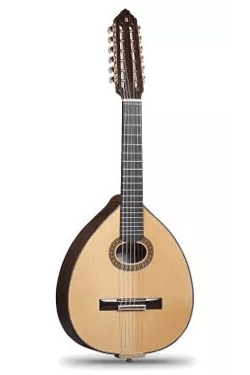
If you want to see this evolution visually and historically, check out this short video history of the mandolin: A Short History of the Mandolin on YouTube. youtube.com
The Mandolin Family — What’s Beyond the Standard Mandolin
Mandolins are part of a larger family of instruments designed to work together in ensembles or fit different tonal needs. Here’s a simple breakdown of the main types:
| Instrument | Tuning | Range / Voice | Common Use / Strengths |
|---|---|---|---|
| Mandolin | G‑D‑A‑E | Bright, high “soprano” | Melody lines, bluegrass chops, folk rhythm |
| Mandola | C‑G‑D‑A | Rich mid-range “alto” | Harmony, Celtic, classical, deeper accompaniment |
| Octave Mandolin | G‑D‑A‑E (one octave down) | Warm, deep | Folk, singer-songwriter rhythm and melody |
| Mandocello | C‑G‑D‑A (one octave below mandola) | Deep “cello-like” lows | Bass foundation in mandolin orchestras or chamber groups |
| Mando-Bass | E‑A‑D‑G | Bass register | Rare — substitute for bass guitar or upright bass in ensembles |
You can explore a full collection of mandolin‑family instruments — from mandolas to mandocellos — at The Acoustic Shoppe Mandolin Family Collection.
Mandolin Body Styles: A‑Style vs F‑Style
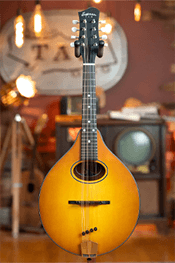
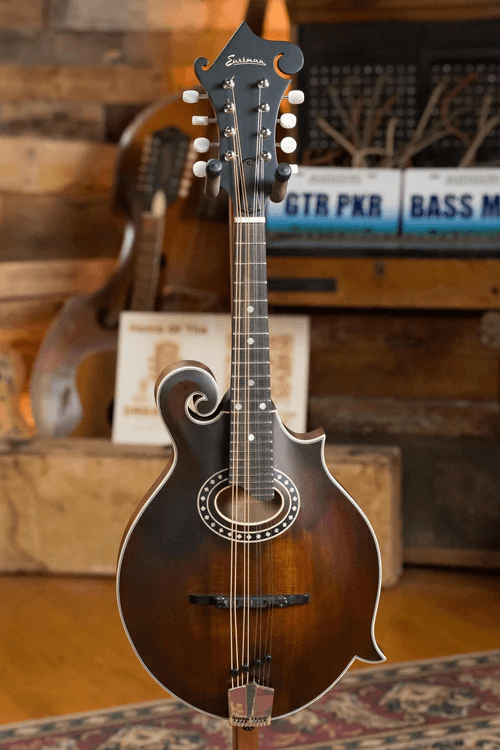
When looking at a mandolin, there are two main body shapes: the simpler A-style and the ornate F-style. Both have pros and fit different musical uses.
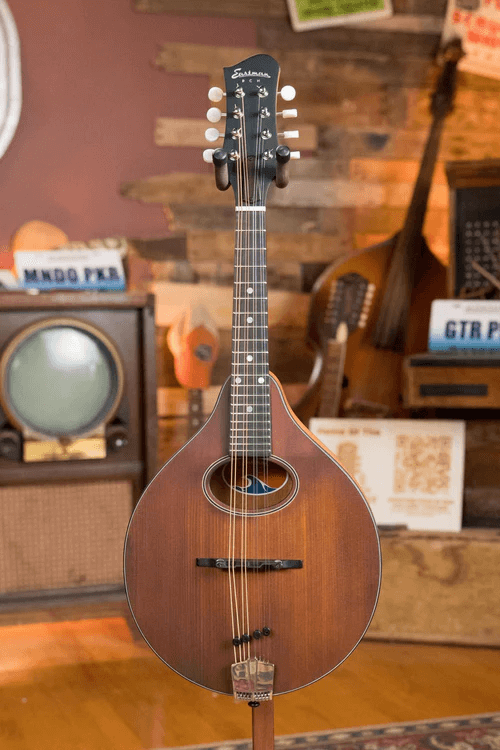
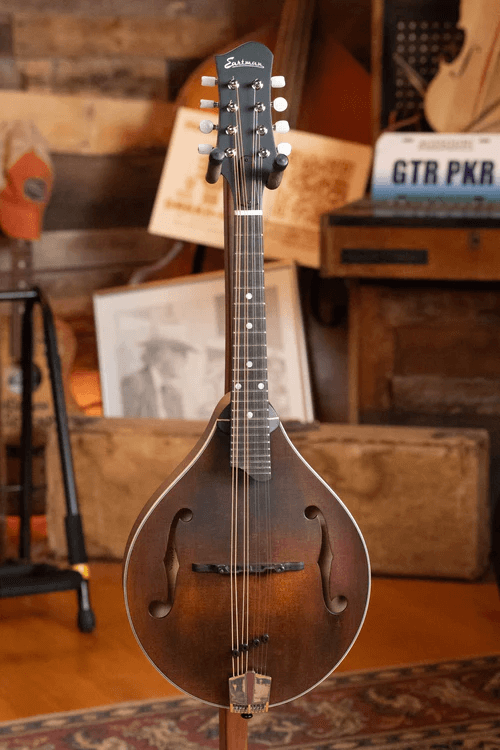
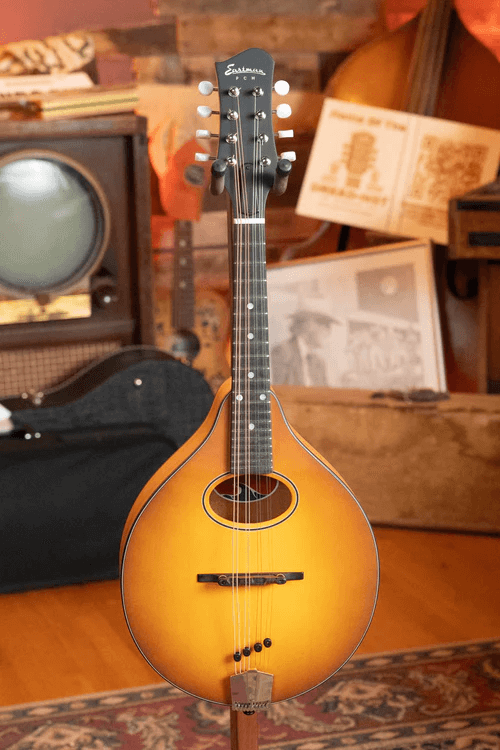
A-Style Mandolin — Teardrop or pear-shaped, usually simpler design. Often lighter on the budget, easier to handle, and good for folk, Celtic, or classical styles.
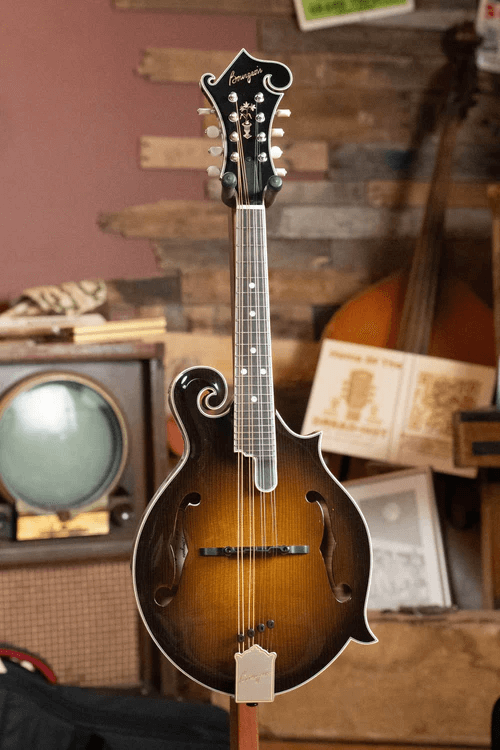
F-Style Mandolin — Recognizable by a scroll near the neck and points on the body. Seen as “classic” for bluegrass and higher-gain acoustic work. Their construction tends to be more complex and can deliver more projection and presence. Dummies+1
This comparison (A vs F) is illustrated well in this video: Mandolin Style Comparison on YouTube. Dummies
What Makes Them Unique
A number of features that set them apart from guitars, banjos, or fiddles:
Double-course strings — Each note is doubled, producing a shimmering, chorus-like tone that cuts through mixes, ideal for melody or rhythm work.
Compact size — Easier to hold and transport than guitars or cellos, but still capable of rich harmonic support.
Wide stylistic range — Mandolins fit bluegrass, folk, Celtic, jazz, classical, and contemporary singer-songwriter music with equal comfort.
Expressive clarity — From rapid tremolo to crisp chop rhythms, mandolins excel at melodic detail and dynamic expression.
How to Choose the Right Mandolin – What to Look For
Choosing the right mandolin means matching the instrument to your playing style, musical genre, and personal needs. Here’s a practical checklist:
Consider Your Style:
Bluegrass → often an F‑style mandolin with strong projection
Folk / Celtic / Classical → A‑style or oval-hole mandolins for warmer, mellower tone
Acoustic singer-songwriter / accompaniment → Octave mandolin or mandola for broader tonal foundation
Budget & Skill Level:
Beginners: affordable A-style or student-level mandolins
Intermediate/Pro: carved top, solid wood, better hardware for improved tone and durability
Tonewoods & Build:
Spruce top + maple back/sides → bright, clear tone with good projection
Solid wood vs laminate → solid woods age and improve tonally with time; laminates are more budget-friendly and sturdy for travel
Neck and Setup:
Comfortable neck profile for your hand size
Good setup (action, intonation, fretwork) matters as much as tonewood for playability
At The Acoustic Shoppe Mandolins Collection you can browse a wide variety of models, from beginner-level to pro-grade — all well-setup and ready to play.
While tonewoods are often talked about in relation to guitars, they’re just as important when it comes to a mandolin. Spruce is the most common top wood, known for its strength and dynamic response. Adirondack and Engelmann spruce offer different tonal characteristics — with Adirondack delivering greater headroom and power, and Engelmann offering a smoother, more rounded sound. Back and side woods also matter. Maple, especially figured varieties like flame or quilted maple, enhances brightness and projection — ideal for cutting through a bluegrass mix. Meanwhile, mahogany produces a warmer, darker tone that's favored in old-time or folk styles. Understanding how these woods interact with body shape and construction can help players better select a mandolin that responds to their picking style and musical goals.
Bringing It All Together — Why The Acoustic Shoppe is Your Mandolin Partner
With so many variations — body shapes, family instruments, tonewoods, setups — buying a mandolin can be overwhelming. That’s where a trusted mandolin store and expert staff matter most. At The Acoustic Shoppe, you get:
A large, curated inventory covering the full mandolin family
Expert advice from experienced players and luthiers
Clear buying guidance tailored to your playing style and goals
Assurance that you’re choosing a quality, well-set-up instrument ready to perform
Whether you’re stepping into the world of mandolins for the first time or upgrading to a premium model, having a guide and a store you can trust makes all the difference.