
Table of Contents
- What is the Gold Tone Super Cremona?
- Why the shellac varnish is the Gold Tone Super Cremona's X factor
- What you're paying for, in the order Jeremy ranked it
- Super Cremona vs the Grandmaster Elite, Victorian and a domestic varnish F-5
- Who is the Gold Tone Super Cremona for?
- The one drawback: an import badge at a high-end price
- Buying a Gold Tone Super Cremona from The Acoustic Shoppe
- Acoustic Shoppe FAQ
Most players assume a wide-open, 1930s-style voice from a mandolin costs five figures. The Gold Tone Super Cremona is our argument against that assumption: a shellac-varnished F-style with a hand-scraped spruce top and 5A maple, priced at $5,799.99, from a company most people still file under "affordable import." We spent a video with it, and our verdict is simple. Gold Tone has crossed into the high-end market, and this mandolin earns its spot next to legacy instruments that cost two to three times as much.
The hard part isn't the build. It's the name on the headstock, and we get into that below.
What is the Gold Tone Super Cremona?
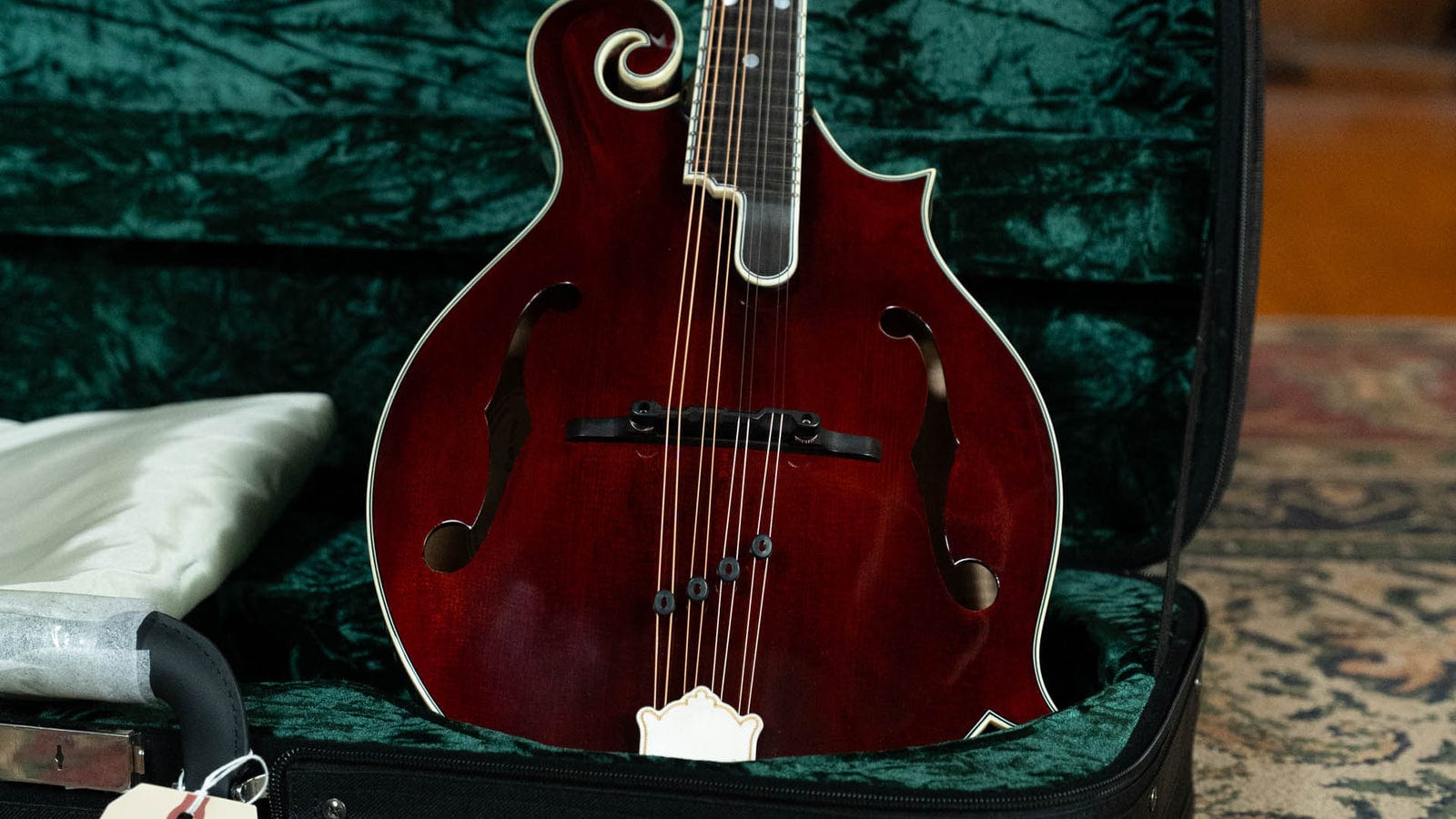
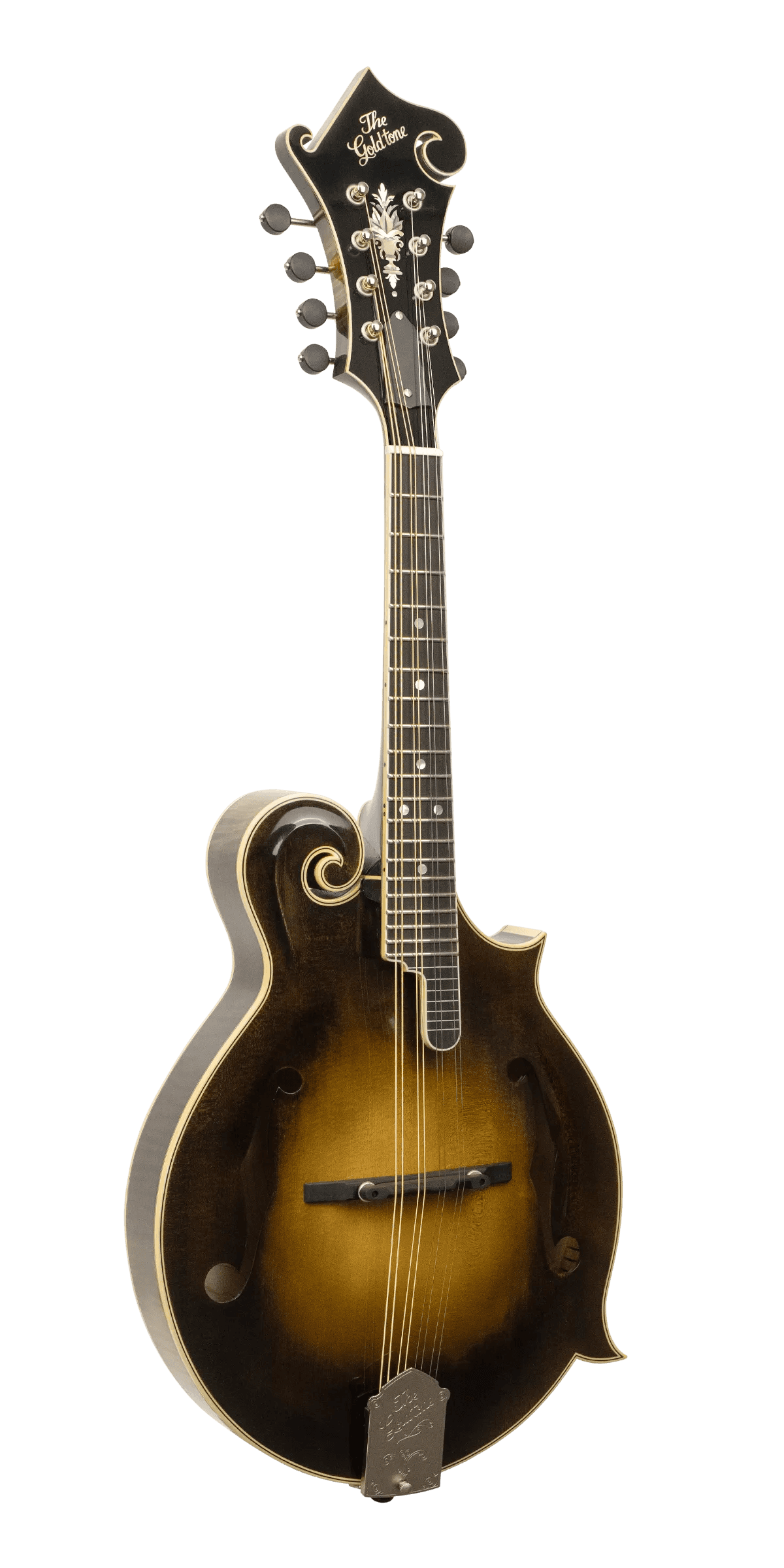
The Gold Tone Super Cremona sits at the top of the Grandmaster mandolin line, which is new to the mandolin world in 2026. We knew from the start the line would include a varnish version, and this is it. When it finally came into the shop, it was the last Grandmaster we hadn't had our hands on, and it lived up to the expectations the rest of the line set. As we put it on camera, Gold Tone pulled out all the stops.
Here is what the spec sheet says, and why each piece matters to a player:
- High-RRV old-growth Swiss or Italian spruce top, often called Alpine spruce. It's hand-scraped in the violin-making tradition with a recurve profile, so the edges of the soundboard move freely and the lows fill out instead of choking.
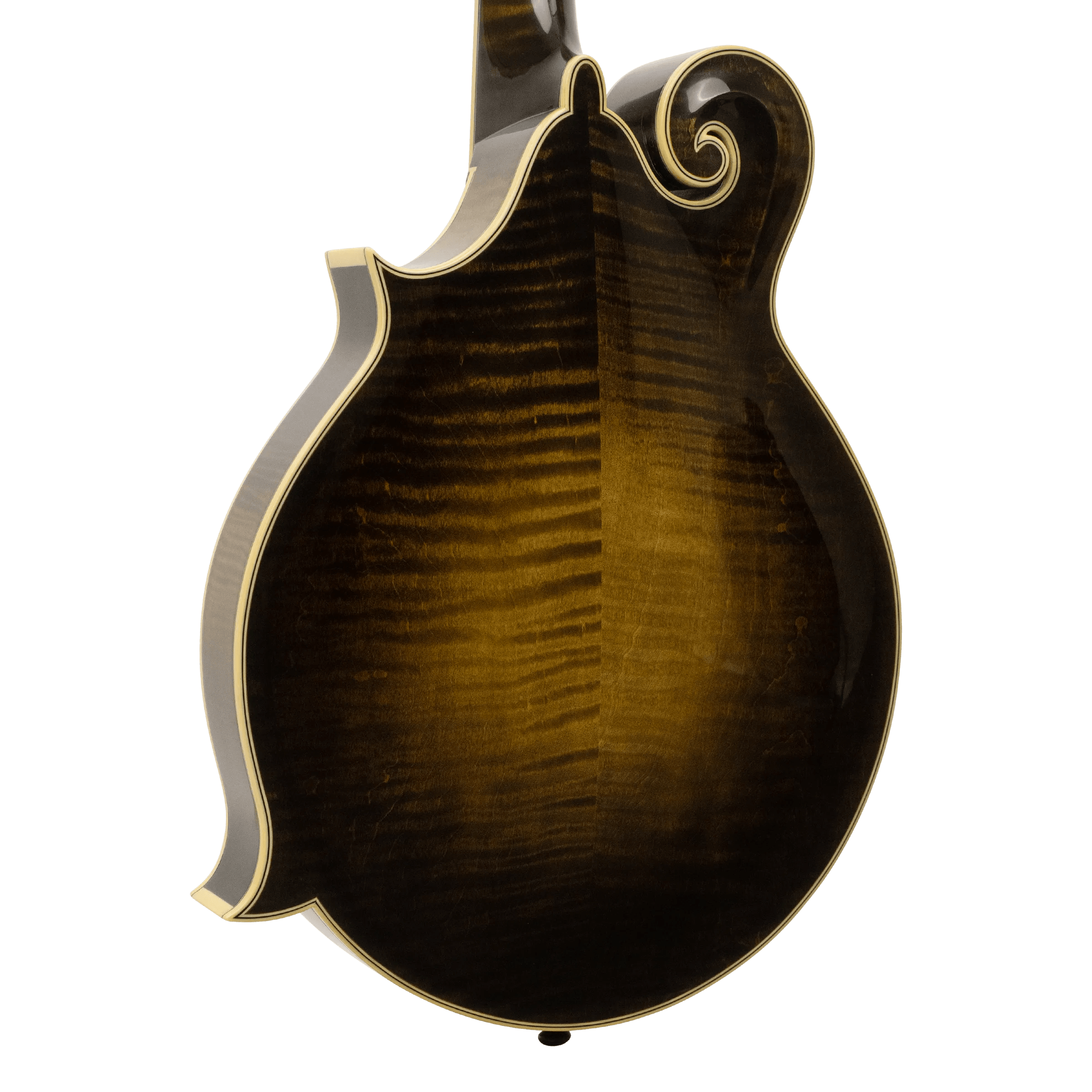
- 5A North American maple back and sides, plus a 5A three-piece maple neck. That's one grade past the 4A maple on the Grandmaster Elite. Beyond the looks, dense, stiff maple keeps the note focused and the neck stable.
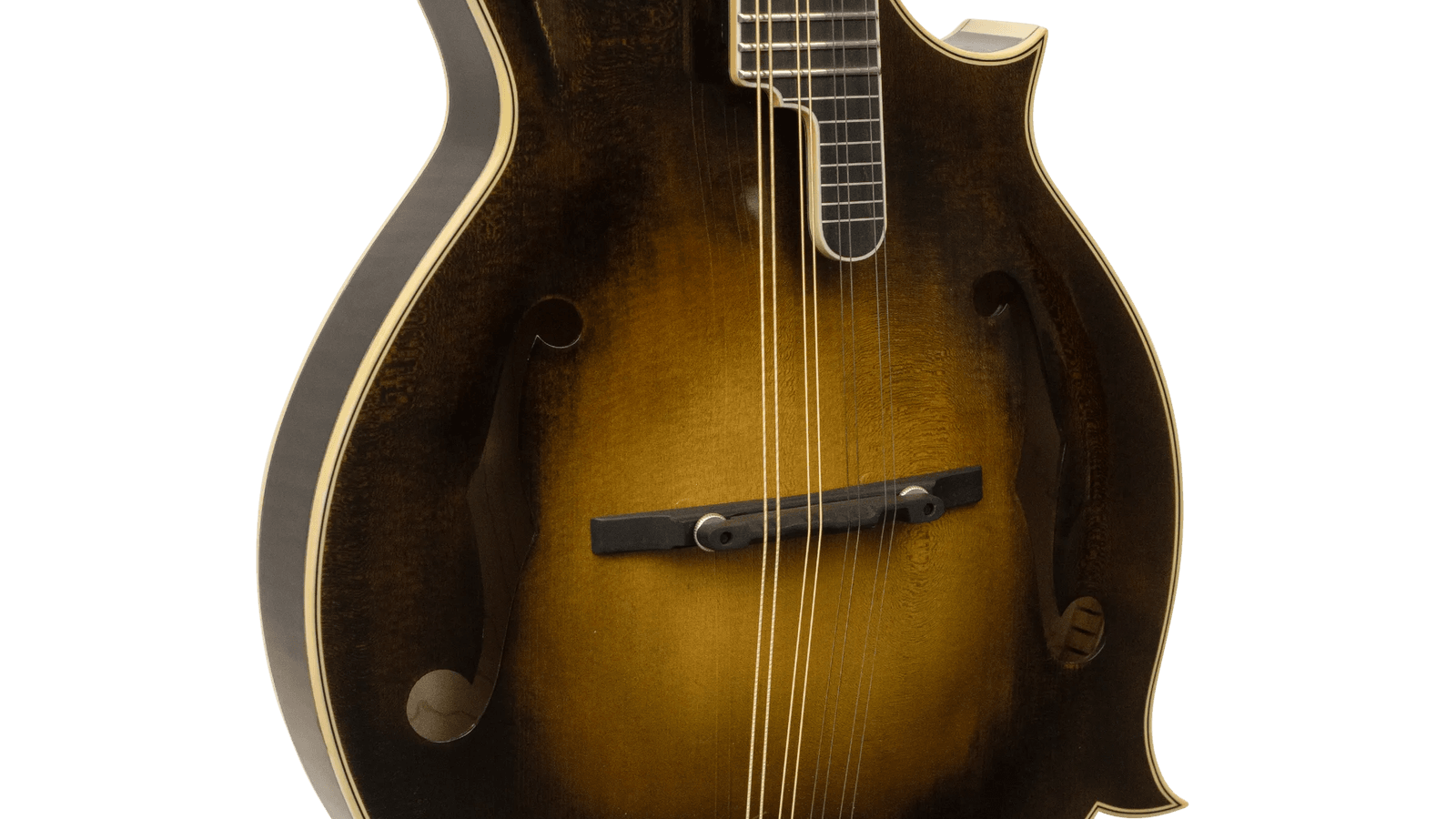
- Antique Cremona shellac varnish in place of the nitrocellulose lacquer on the Elite. This is the headline, and it gets its own section below.
- 1-1/8" nut on a radiused ebony board with 20 frets. A standard mandolin nut width, and the radius keeps chop chords comfortable up the neck.
- 13-9/10" scale, Gotoh tuners, two-way truss rod and an engraved brass tailpiece. The scale is familiar for F-style players, and the two-way rod means relief can be corrected in either direction as the neck settles.
- Set up in Titusville, Florida before it ships, with a case included.
Why the shellac varnish is the Gold Tone Super Cremona's X factor
Jump to: who it's for at 2:37 · Jeremy's X factor at 3:56 · the one drawback at 5:33.
When John asked Jeremy what separates the Gold Tone Super Cremona from everything else, Jeremy went straight to the finish. The Alpine spruce and 5A maple matter, and the luthiers voicing these tops know what they're doing. But the shellac varnish is what changes the instrument.
"It lets the entire mandolin just really breathe. The finish is almost like it's part of the wood. It's not something constricting or holding it back." (Jeremy Chapman)
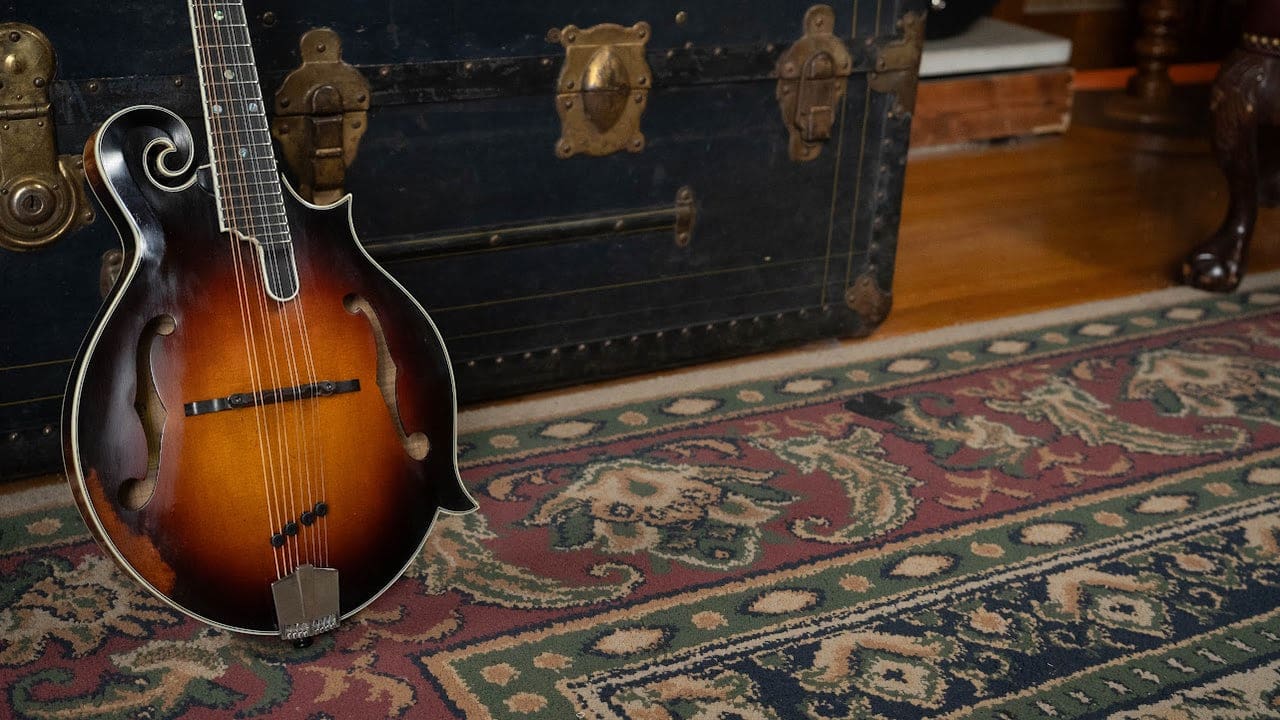
You can see it before you hear it. A varnished instrument is still glossy, but it has a dull softness to it, and we hear that same warmth in the tone. Vintage and high-end mandolin players want varnish for that reason. It changes the look, it changes the sound, and it makes the instrument feel more premium in your hands.
There's a market fact behind it, too. Look at the $20,000 and $30,000 mandolins out there, and they are almost exclusively varnish. Nobody spends that kind of money on a mandolin that isn't. It's the same finish story behind the instrument in our look at Bill Monroe's 1923 Gibson F-5. Bringing a varnish finish into a price under $6,000 is what Jeremy called moving the needle.

What you're paying for, in the order Jeremy ranked it
- The finish. Shellac varnish is the big X factor, for the reasons above, and it's the biggest step up from the Elite.
- The top voicing. A hand-scraped Alpine spruce top, voiced by builders who know how to get projection and depth out of it.
- The wood grade. 5A maple back, sides and neck. Pairing that grade with that top, and treating the combination as its own instrument, makes a real difference.
Super Cremona vs the Grandmaster Elite, Victorian and a domestic varnish F-5
The Grandmaster line shares a platform, so the differences come down to wood grade, finish and appointments. Here's how the Gold Tone Super Cremona lines up against its siblings and against the domestic varnish mandolins it's chasing. Grandmaster prices are our Shopify prices; the domestic figure is the range Jeremy quoted on camera for elite varnish-finished models from Gibson and similar builders.
| Model | Top | Maple grade | Finish | Price (USD) |
|---|---|---|---|---|
| Gold Tone Grandmaster Elite | Aged old-growth Swiss/Italian spruce | 4A | Nitrocellulose | $3,999.99 |
| Gold Tone Grandmaster Victorian | Old Italian spruce | 4A, one-piece back | Nitrocellulose | $5,499.99 |
| Gold Tone Super Cremona | Hand-scraped, recurve Swiss/Italian spruce | 5A | Shellac varnish | $5,799.99 |
| Elite domestic varnish F-5 | Varies by builder | Varies | Varnish | $15,000 to $20,000 |
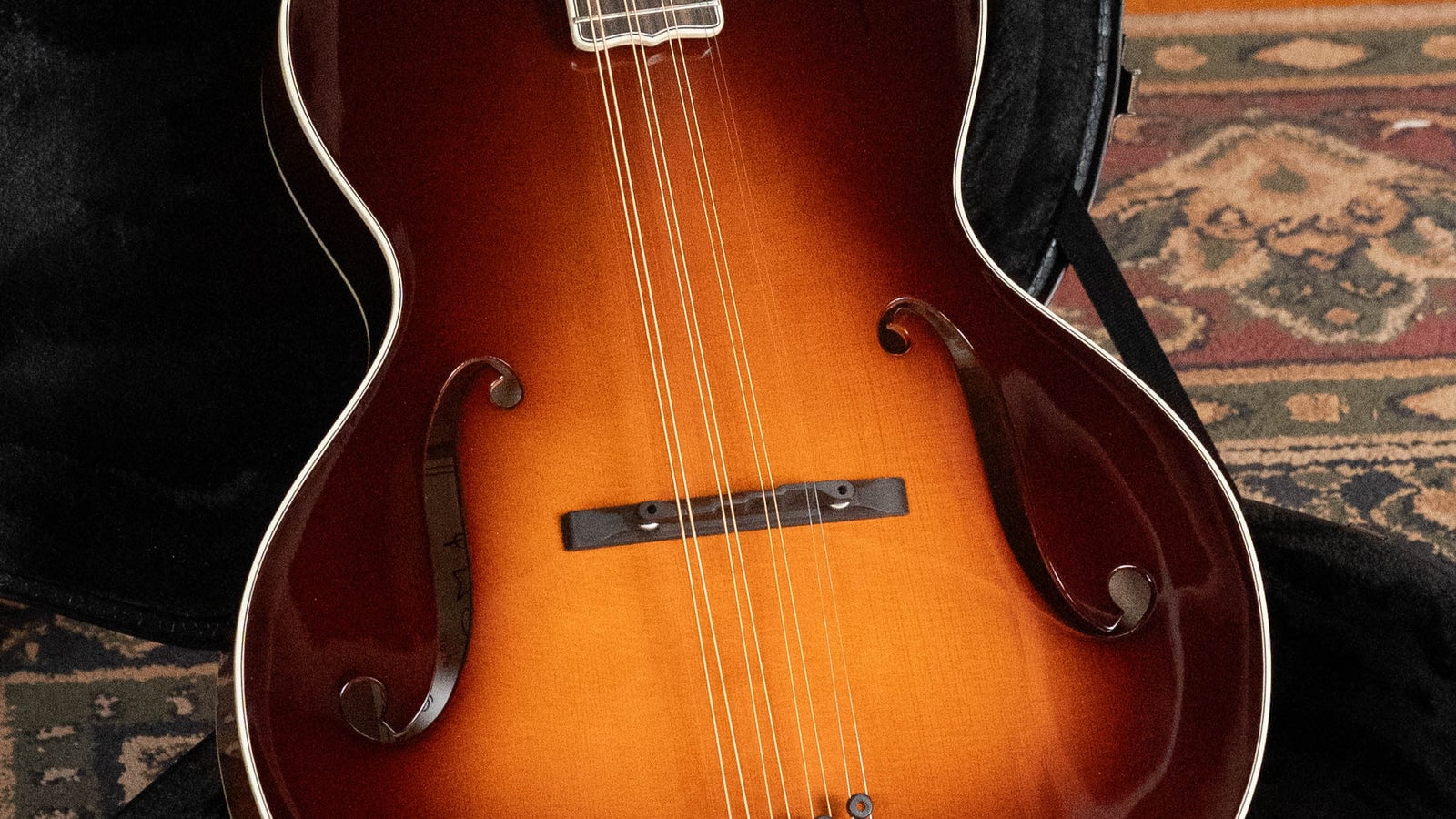
The Victorian is the dressier instrument, with bound F-holes and inlaid tuner buttons. The Super Cremona is the one built around tone: the higher wood grade, the scraped top and the varnish. If the Grandmaster Elite in Honey Amber gets you into the Grandmaster sound, the Super Cremona is the top of it.
Who is the Gold Tone Super Cremona for?
John turned the tables and asked Jeremy this one directly. Jeremy's answer: like a lot of the Grandmaster models, it straddles a line, and it fits two kinds of players.
- The serious enthusiast who wants the premium feel and experience of a varnish-finished Gibson or similar elite instrument, but isn't ready to spend $15,000 to $20,000 to get it. It's still a hefty price. It's an achievable one.
- The gigging, touring or studio player who wants varnish tone and premium wood on stage or on a session, without paying three times as much for a domestically built mandolin.
If you're shopping at a lower budget, start with the F-style mandolins we have in stock, or read our take on what makes a great mandolin before you pick a price band. If you want a domestic build, our Bourgeois M5F review covers one of the American F-styles in this conversation. If the name on the headstock is non-negotiable for you, our Gibson mandolins are where to look.
The one drawback: an import badge at a high-end price
We asked Jeremy what he didn't care for, and his answer had nothing to do with the build or the playability. It's the name.
"It's pushing close to $6,000 for an import badge." (Jeremy Chapman)
Gold Tone is known for affordable import instruments. Asking a buyer to ignore the headstock, and the bias that comes with it, is a heavy lift. Other brands doing something similar have already established a name at this level, which makes their price easier to justify. The Gold Tone Super Cremona is a complete 180 from where Gold Tone has played on price and quality, and it will take a while for people to wrap their heads around it.
John sees it as a matter of time, the way any company turnaround is. Jeremy compared it to Huffy bikes: once serious cyclists see a brand on the road, it catches on. The same thing happens when players start seeing their favorite artists with these on stage. It won't be an overnight switch, and there will be some reluctance at first.
"If you weren't staring at that logo, you would not have any doubt that this is worth that amount of money." (John Chapman)
Related reading
- A-style vs F-style mandolins: an in-depth comparison
- KLOS F-style mandolin vs A-style: the carbon fiber option
Buying a Gold Tone Super Cremona from The Acoustic Shoppe
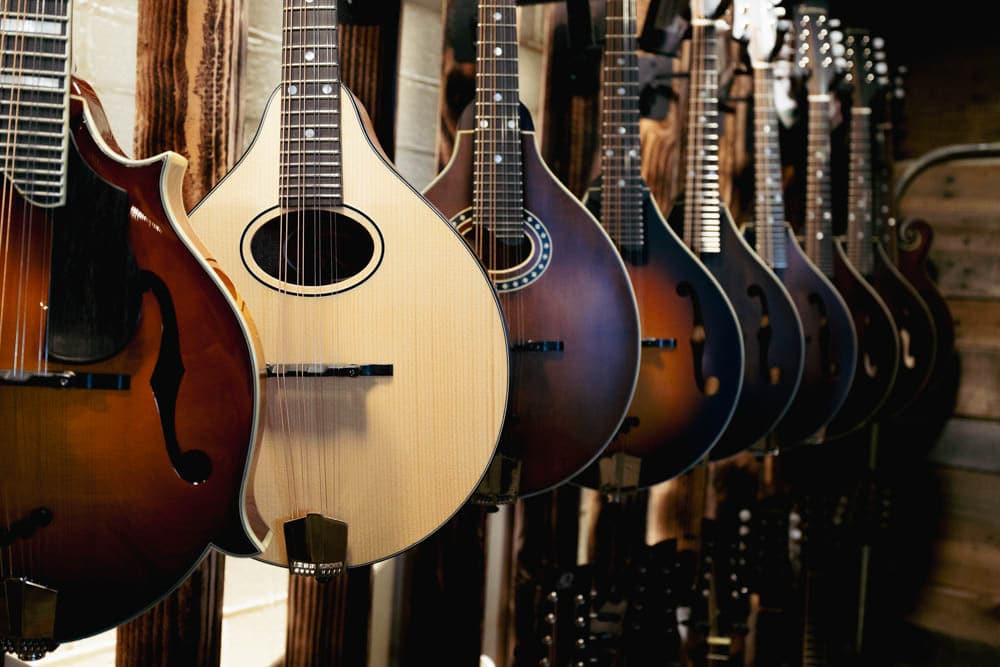
The Super Cremona is available now as a Gold Tone Grandmaster Super Cremona pre-order: a 25% reservation deposit holds your place in line against the $5,799.99 total. You can see the rest of the line on our Gold Tone mandolins page, and every mandolin we carry on our mandolins page.
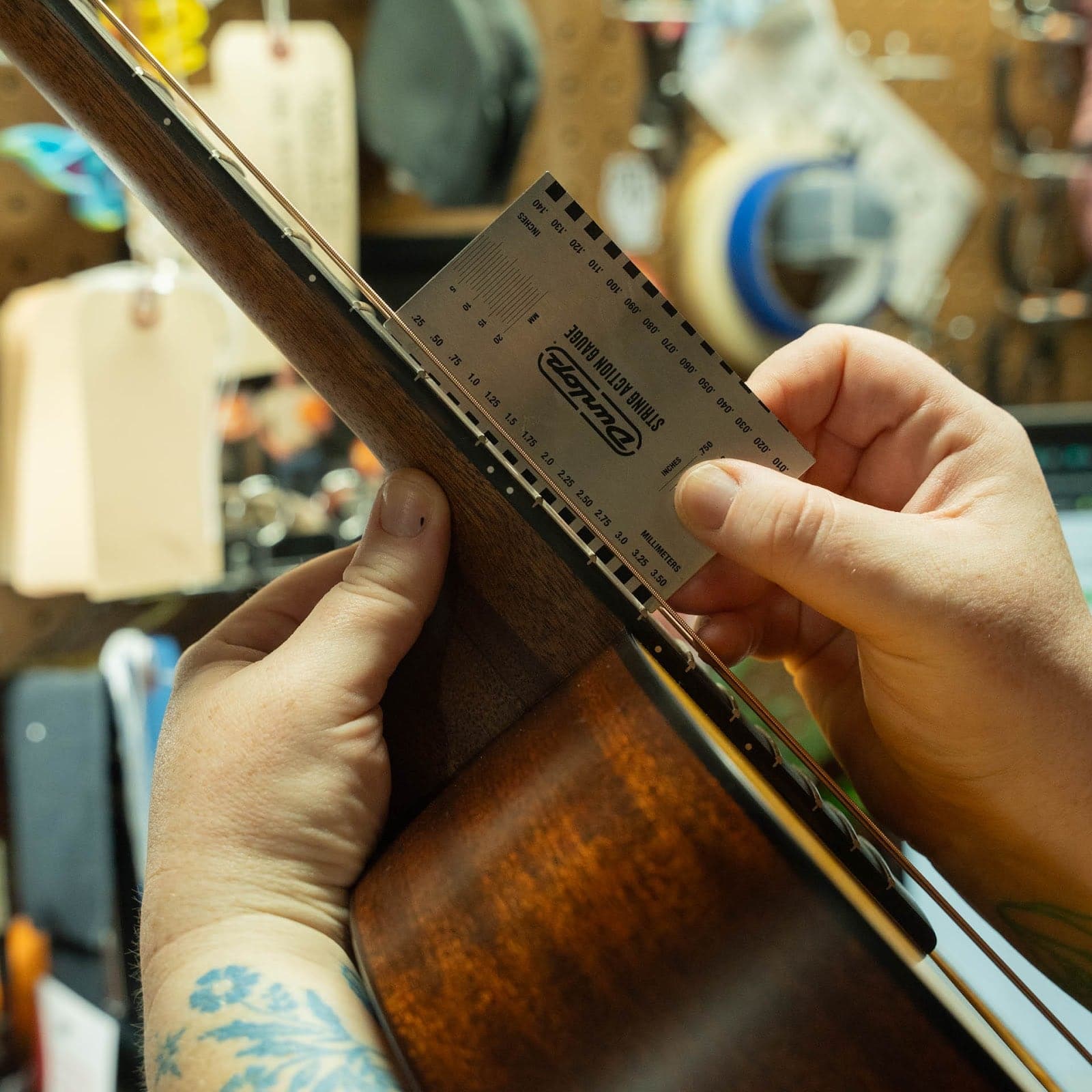
Every instrument that leaves our shop goes through the 23-Point Professional Inspection first. At this price it's also covered by the Dread-Not Guarantee, which gives you a 90% trade-in credit for a full year (pre-tax, less round-trip shipping) plus a 30-day in-home trial. That matters on a mandolin like this one. If the varnish Grandmaster isn't the one, you aren't stuck with it. Financing through Synchrony is available too.
Our verdict on the Gold Tone Super Cremona hasn't changed since the video: Gold Tone built a high-end mandolin, and the only thing standing between it and the players it's built for is a logo. If you want varnish tone without a five-figure price, play one before the rest of the market catches on.