
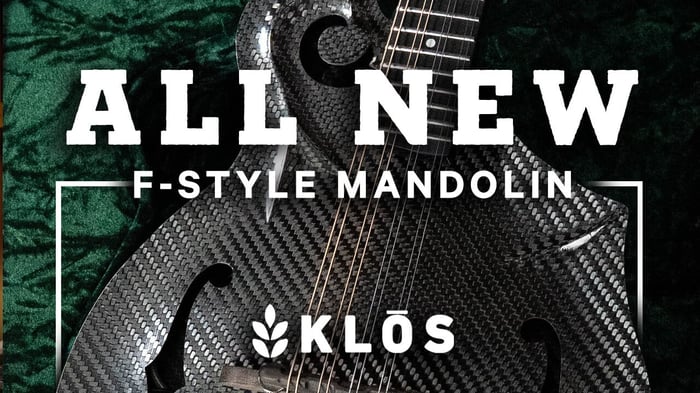
The KLOS F-style mandolin officially launched in January 2026, and it immediately changed the conversation around carbon fiber mandolins. For years, KLOS has been known for its innovative carbon fiber A-style design, but the release of the F-style body gives players a long-awaited option that blends modern materials with traditional bluegrass aesthetics.
If you’ve been comparing the KLOS A-style to the new F-style, you’re not alone. Players are asking: Does the scroll matter? Is the tone different? Does the F-style carbon fiber body project differently? And most importantly — which one should you buy?
We’ll break that down clearly here.
You can view the new release here:
🔗 KLOS Carbon Timber F-Style Mandolin (Pre-Order)
And explore the full KLOS collection here:
🔗 https://theacousticshoppe.com/collections/klos
A Quick Background on KLOS Mandolins
KLOS built its reputation on carbon fiber instruments designed for durability, stability, and consistent tone in any environment. Unlike traditional all-wood mandolins, carbon fiber eliminates humidity concerns, cracking risks, and seasonal movement.
This is significant because in traditional mandolin design, F-style bodies are strongly associated with bluegrass players, visual prestige, and professional stage presence.
What’s the Difference Between A-Style and F-Style Mandolins?
Before we compare KLOS specifically, let’s clarify the structural differences.
The primary differences are:
F-style includes a scroll and points
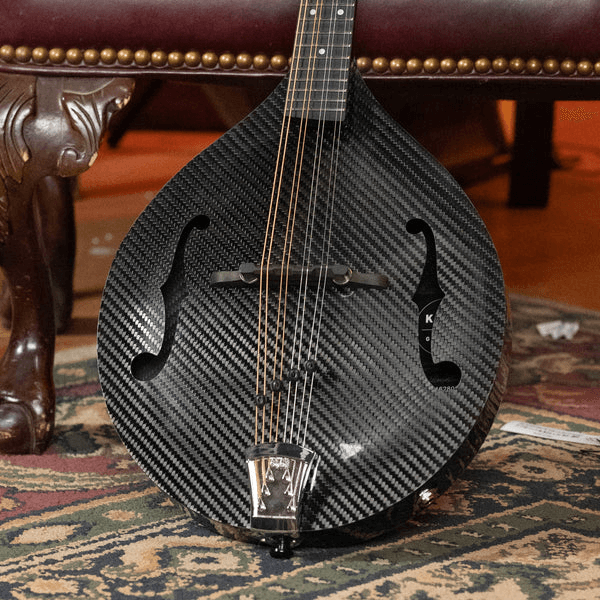
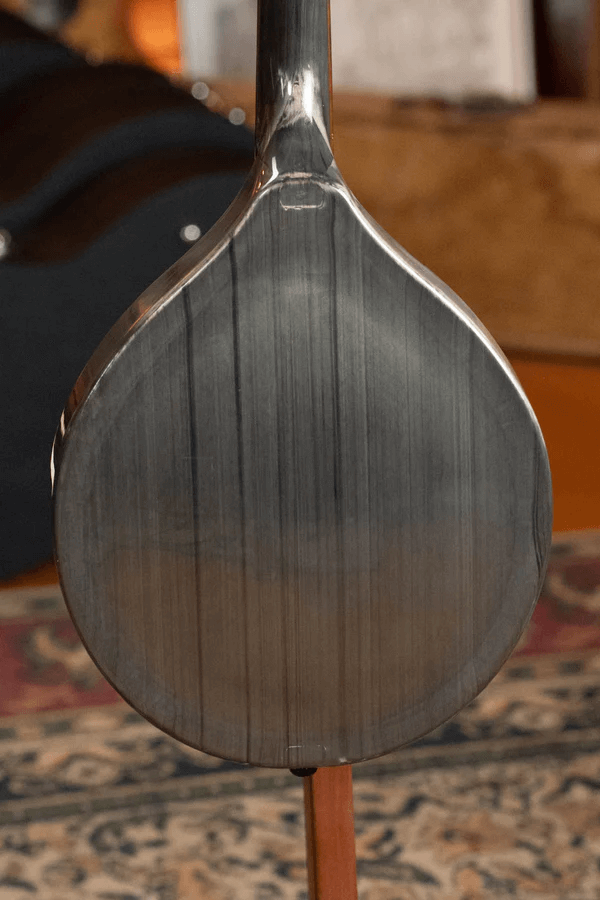
A-style has a teardrop body shape
F-style often carries more traditional bluegrass prestige
Tonal differences are often subtle when construction is equal
In traditional carved wood mandolins, the tonal difference between A and F can sometimes be minimal if bracing and carving are identical.
But carbon fiber changes the equation slightly.
KLOS F-Style Mandolin: What Makes It Different?
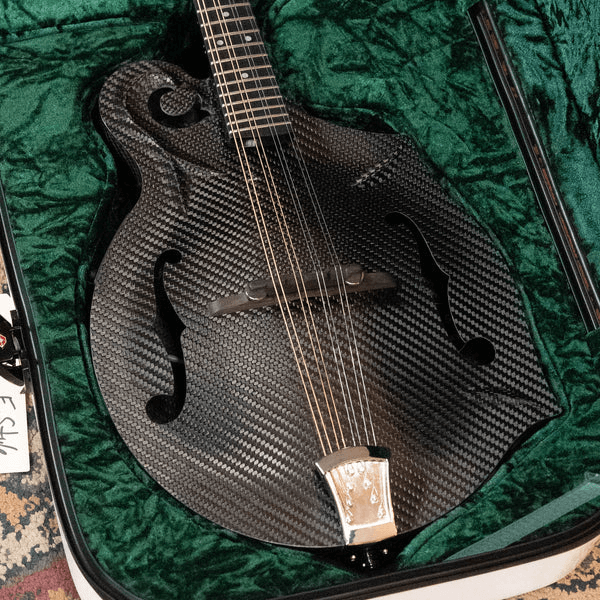
The new KLOS F-style mandolin maintains the brand’s carbon fiber construction while introducing a carved-inspired aesthetic with a scroll body.
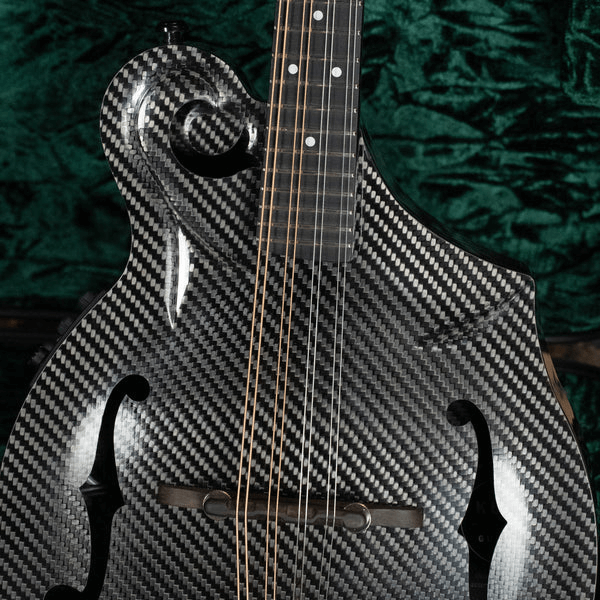
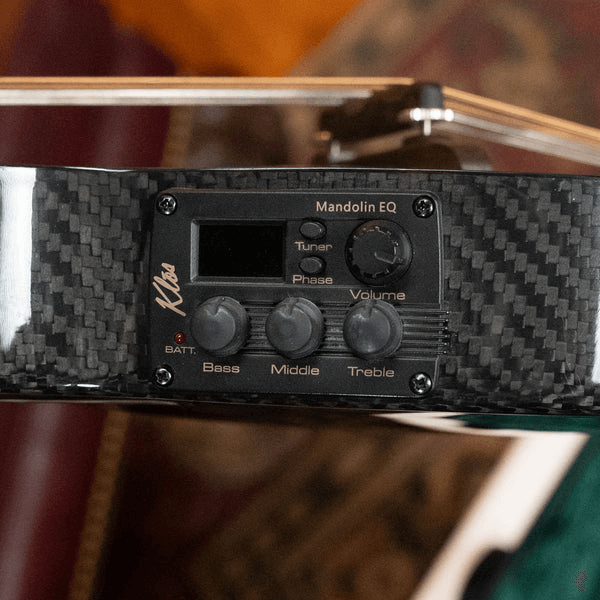
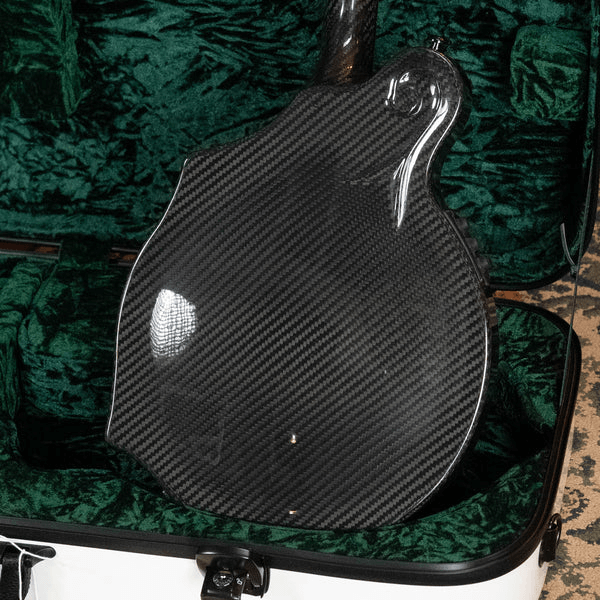
Main Specifications – KLOS F-Style Carbon Timber
Carbon Timber construction
Traditional F-style body shape
Optional pickup system
Lightweight and weather resistant
Stable neck design
Modern precision build
The scroll is not just cosmetic — it slightly shifts weight distribution and changes how the instrument balances when standing.
The big takeaway? You now get traditional F-style presence without traditional wood fragility.
KLOS A-Style Mandolin: The Original
The A-style carbon fiber model has been around longer and built a strong following.
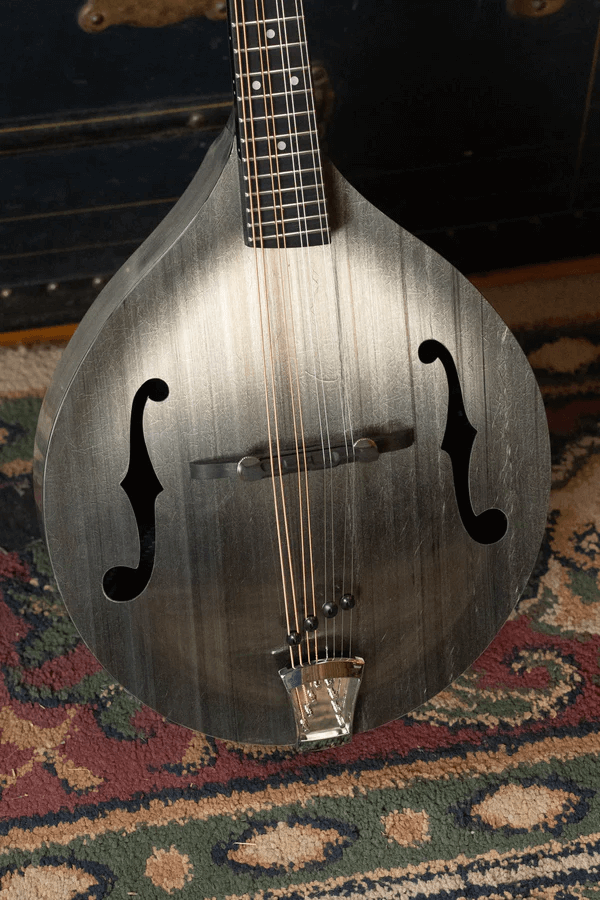
Main Specifications – KLOS A-Style Carbon Fiber
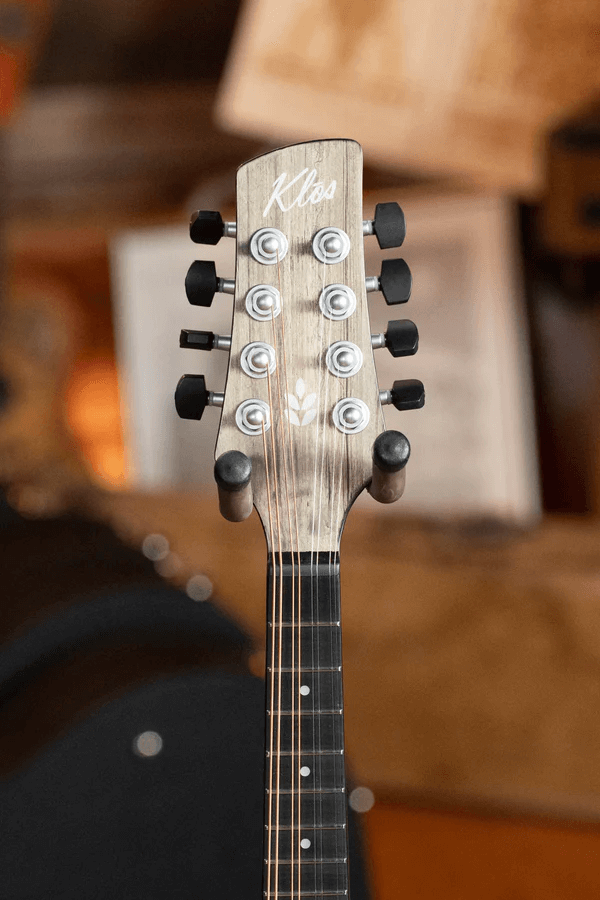
Carbon fiber body
Teardrop A-style shape
Lightweight construction
Optional pickup
Stable in humidity and temperature swings
Many touring players prefer the A-style because of its simplicity and lighter visual footprint.
On Mandolin Cafe, players have discussed comparisons between carbon fiber A-style and F-style mandolins in detail, often debating tone versus aesthetics:
🔗 https://www.mandolincafe.net/home/forum/general-mandolin-topics/looking-for-information-about-mandolins/174542-klos-carbon-fiber-a-vs-peter-mix-carbon-fiber-f
Tone Comparison: Does the F-Style Sound Different?
Here’s where it gets interesting.
Because KLOS uses carbon fiber rather than carved maple and spruce, the tonal difference between A-style and F-style is not as dramatic as it can be in carved wooden mandolins.
Carbon fiber produces:
Consistent projection
Focused note clarity
Strong sustain
Excellent note separation
The F-style body may slightly alter projection and balance due to shape and air movement, but the material keeps the core tonal identity intact.
You can see the new F-style in action here:
🔗 https://www.youtube.com/shorts/uWn7K1Z9FA4?sttick=0
When to Choose the KLOS F-Style Mandolin
The KLOS F-style mandolin may be the better choice if:
You play bluegrass and want traditional aesthetics
Stage presence matters
You prefer scroll-body balance
You want carbon fiber reliability with classic looks
For many players, the F-style simply “feels right” in bluegrass settings.
When to Choose the KLOS A-Style
The A-style may be ideal if:
You prioritize simplicity
You want slightly lighter weight
You prefer a cleaner body shape
You play multiple genres beyond bluegrass
Some players also prefer the ergonomic feel of the A-style body.
Durability and Carbon Timber Construction
Both styles benefit from KLOS’s carbon timber innovation. That means:
No cracking in dry climates
No swelling in humidity
Stable tuning
Travel-ready durability
This is where carbon fiber truly separates itself from traditional mandolins.
Where Is the Best Place to Buy KLOS Mandolins?
When investing in a modern instrument like the KLOS F-style mandolin, setup and expertise matter.
At The Acoustic Shoppe:
Every mandolin is professionally inspected
Setup is dialed in before shipment
You get expert guidance from real players
You have access to the Dread-Not style return experience
Browse the full KLOS collection here:
🔗 https://theacousticshoppe.com/collections/klos
Pre-order the 2026 F-style here:
🔗 https://theacousticshoppe.com/products/pre-order-deposit-only-new-2026-namm-model-klos-carbon-timber-f-style-mandolin-acoustic-or-w-pickup
We are proud to offer the most complete KLOS mandolin experience online.
Final Thoughts: A or F?
The release of the KLOS F-style mandolin finally gives carbon fiber players a traditional body option. Tonally, both A-style and F-style models maintain KLOS’s clarity and projection. The real choice often comes down to:
Aesthetics
Balance
Genre preference
Personal feel
There is no wrong answer.
But if you want the newest evolution in carbon fiber mandolins — with bluegrass-ready looks and modern durability — the F-style is a compelling addition to the lineup.
And there’s no better place to secure one than The Acoustic Shoppe.
Real-World Playing Scenarios: Where the Difference Shows Up
One of the most important things to understand about the KLOS F-style mandolin versus the A-style is how they feel in real-world playing environments. On paper, the specs may look similar. In practice, subtle differences can matter.
When you’re sitting down to practice at home, both instruments offer the same carbon fiber stability and articulate response. But when you step onto a stage, strap on the mandolin, and stand for a full set, body balance becomes more noticeable. The scroll of the F-style slightly shifts the instrument’s center of gravity, which some players feel creates a more anchored, traditional stance. For musicians accustomed to vintage F-style mandolins, that familiarity can be comforting and confidence-building.
On the other hand, the A-style remains incredibly efficient and lightweight. Its streamlined body shape keeps things simple and ergonomic. For traveling musicians, especially those flying or dealing with varying climates, carbon fiber construction combined with the A-style’s compact design makes for a worry-free experience.
Another factor worth mentioning is perception. In bluegrass circles, the F-style silhouette carries a long-standing visual association with professional performance. While tone is ultimately what matters most, stage presence can influence how players feel — and how audiences perceive the instrument. The new F-style option allows carbon fiber players to participate fully in that traditional aesthetic without sacrificing the durability and consistency KLOS is known for.
Ultimately, the decision isn’t about better or worse. It’s about which design aligns more closely with your playing style, performance needs, and personal identity as a musician. Both models deliver the same modern innovation — just expressed through two classic body shapes.