
Table of Contents
- What is Madagascar rosewood, and why do builders use it?
- Is Madagascar rosewood legal and responsibly sourced?
- How we tested five Madagascar rosewood guitars
- What each guitar sounded like
- The common thread: what Madagascar rosewood does to the low end
- The honest catch
- Who should buy a Madagascar rosewood guitar?
- Where to find a Madagascar rosewood guitar at TAS
You've saved for a serious rosewood dreadnought, and every guitar on your short list says the same thing on the spec sheet: Madagascar rosewood back and sides. Brazilian is out of reach, Indian is everywhere, and the builders you trust keep reaching for the wood in between. So is Madagascar rosewood really the closest thing to Brazilian you can buy, or is it a nice word that adds a few hundred dollars to the price tag?
We had five Madagascar dreadnoughts from five different builders in the shop at the same time, which almost never happens, so we played them back to back to see whether the wood leaves the same fingerprint on every one. It does, and it's subtler than the hype suggests.
What is Madagascar rosewood, and why do builders use it?
Madagascar rosewood has become the close replacement for Brazilian, in both looks and tone. It's a little harder than Indian rosewood, so it gives you a more reflective, percussive tone, and the figure often looks like the Brazilian sets people chase. That's why it kept turning up on guitars in roughly the $7,000 to $13,000 range, and why it was big news when Eastman got hold of a supply.
For me, it has been the most affordable option to get you close to a Brazilian type of tone.The reason that matters is the low end. Most Indian rosewood guitars we play are a little mushy in the lows and low mids, without much definition. Brazilian rosewood guitars tend to have a tighter, more responsive low end, and that's what we kept hearing again in Madagascar rosewood. If you want the depth of rosewood without the boom that clouds a lead line, that's the whole case for it. Our mahogany vs rosewood comparison covers the bigger choice if you're still deciding between the two families.
Is Madagascar rosewood legal and responsibly sourced?
This is the part nobody puts on the hang tag. The trouble isn't the legality of the wood. It's that it's hard to confirm where one particular piece came from. A supplier can hold all the right paperwork showing a lot was harvested legally, and it's still difficult in that environment to be sure a log didn't get slipped into the pile overnight. Tom Bedell of Bedell and Breedlove isn't comfortable using it yet for exactly that reason, even with a reputable supplier.
The good news is that players asking for sustainable, ethically harvested wood are changing the supply side. The mills are answering that call because nobody wants a repeat of what happened to Brazilian, which got banned because there was no oversight at all. We think the builders here have done their homework, and walking away from Madagascar altogether would be a little silly.
How we tested five Madagascar rosewood guitars
Every guitar is a dreadnought with a 25.5-inch scale and a 1-3/4-inch nut, with an Adirondack top on all five and a torrefied (heat-treated) top on most, so the woods and the build styles are doing the talking. Here's how they differ where it counts.
| Guitar | Neck feel | X-brace | Neck joint |
|---|---|---|---|
| Bourgeois large-soundhole dreadnought | Modern, slight V | Forward shifted, scalloped | Dana's patented joint |
| Atkin D37 Pre-War | Vintage V | Forward shifted, scalloped | Bolt-on |
| Martin D-28 Authentic 1937 VTS | V that grows toward the body | Forward shifted, scalloped | Dovetail, hide glue |
| Boucher BG-152-GM Bluegrass Goose | Standard C, low-medium | Forward shifted (we believe) | Bolt-on |
| Eastman E20D-MR-TC | Modern C, medium | Standard placement, scalloped | Dovetail |
The bolt-on joints matter more than they sound. Every guitar needs a neck reset someday, and a bolt-on makes that job faster and usually cheaper. Even so, when we compared two guitars of the same build, one bolt-on and one dovetail, we preferred the dovetail, and we're glad Eastman kept it for its traditional series.
Jump to: the Atkin at 8:17 · the Martin at 11:53 · the Eastman at 20:01 · John's verdict at 28:46.
What each guitar sounded like
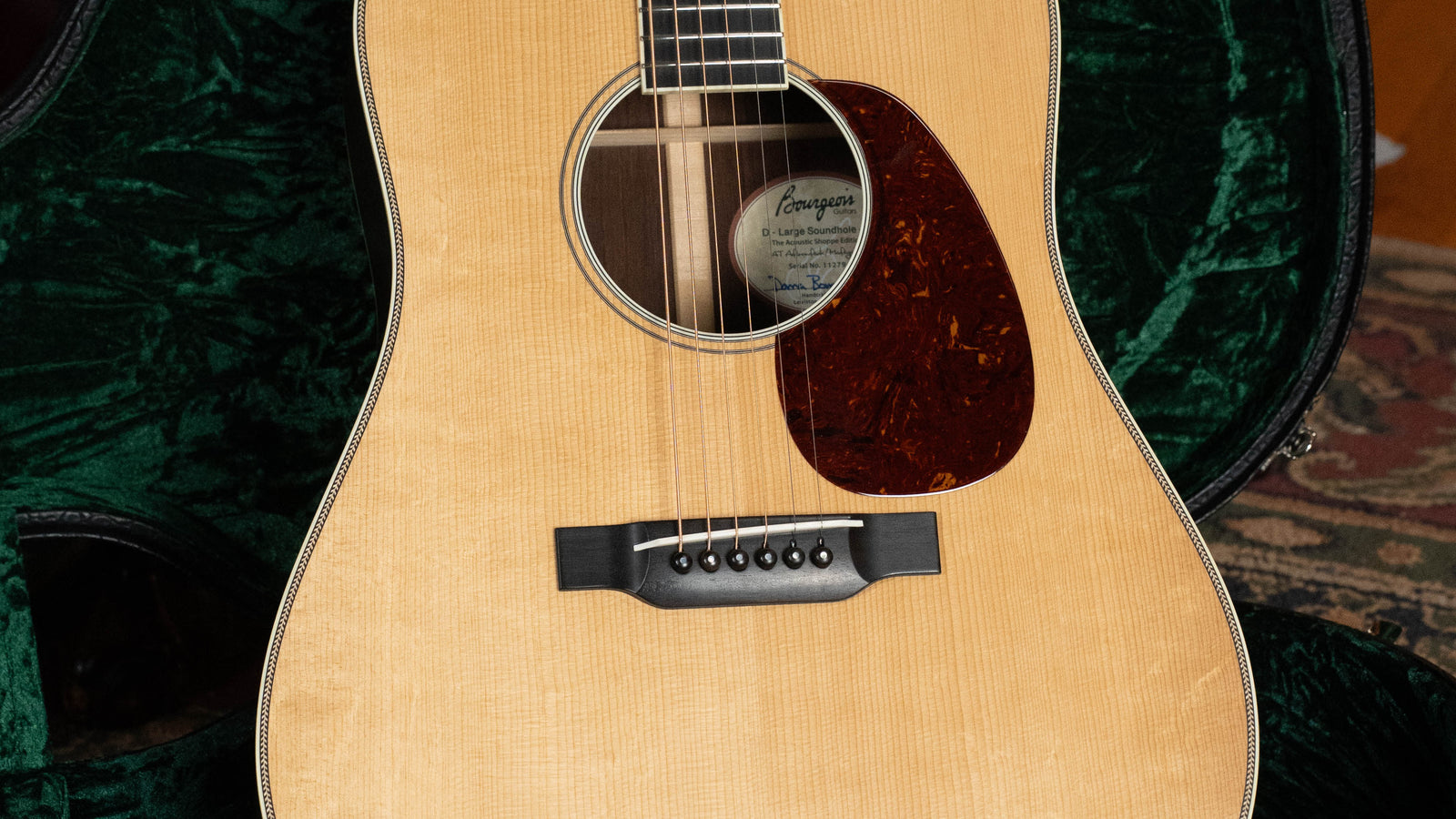
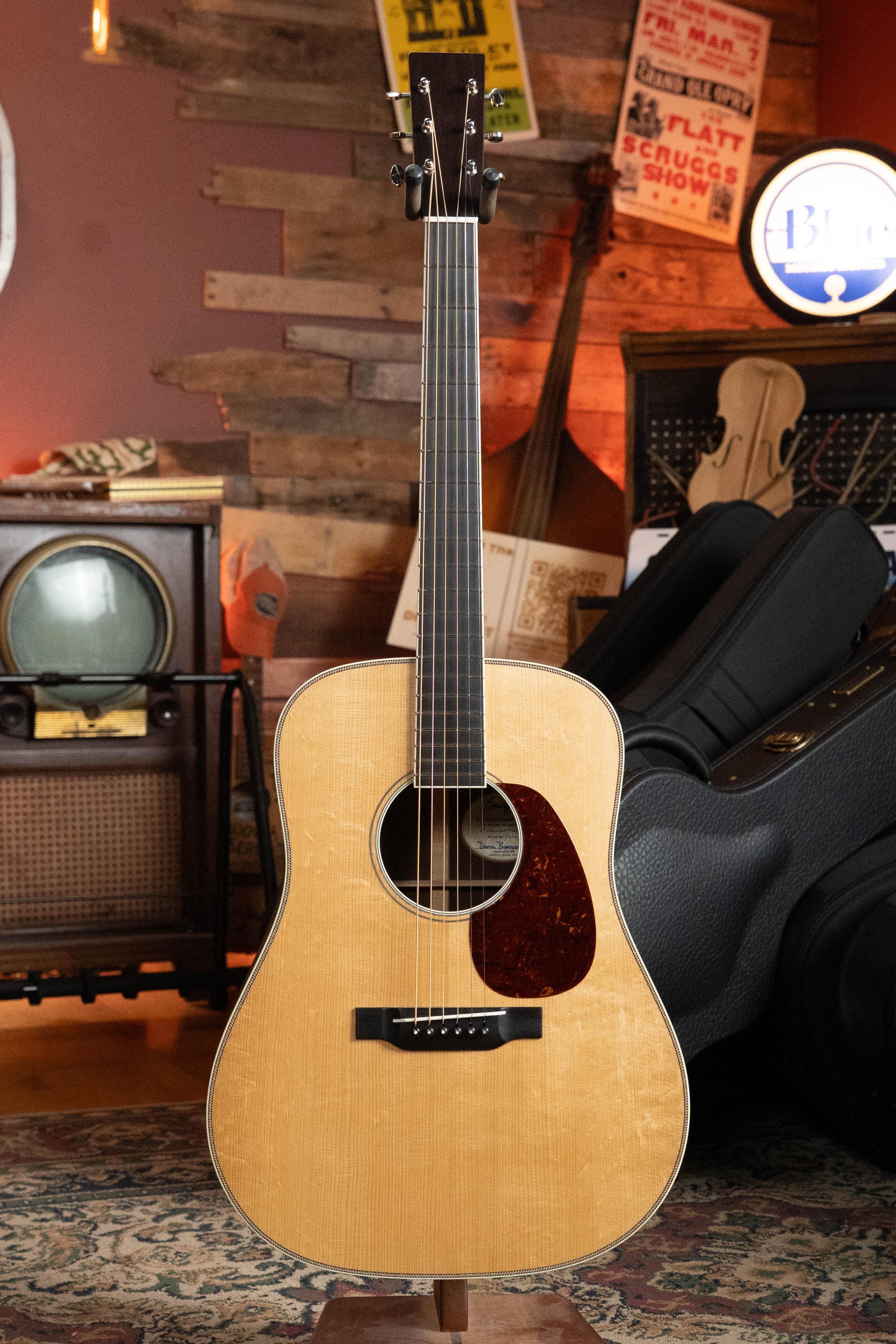
Bourgeois: rosewood depth with mahogany clarity
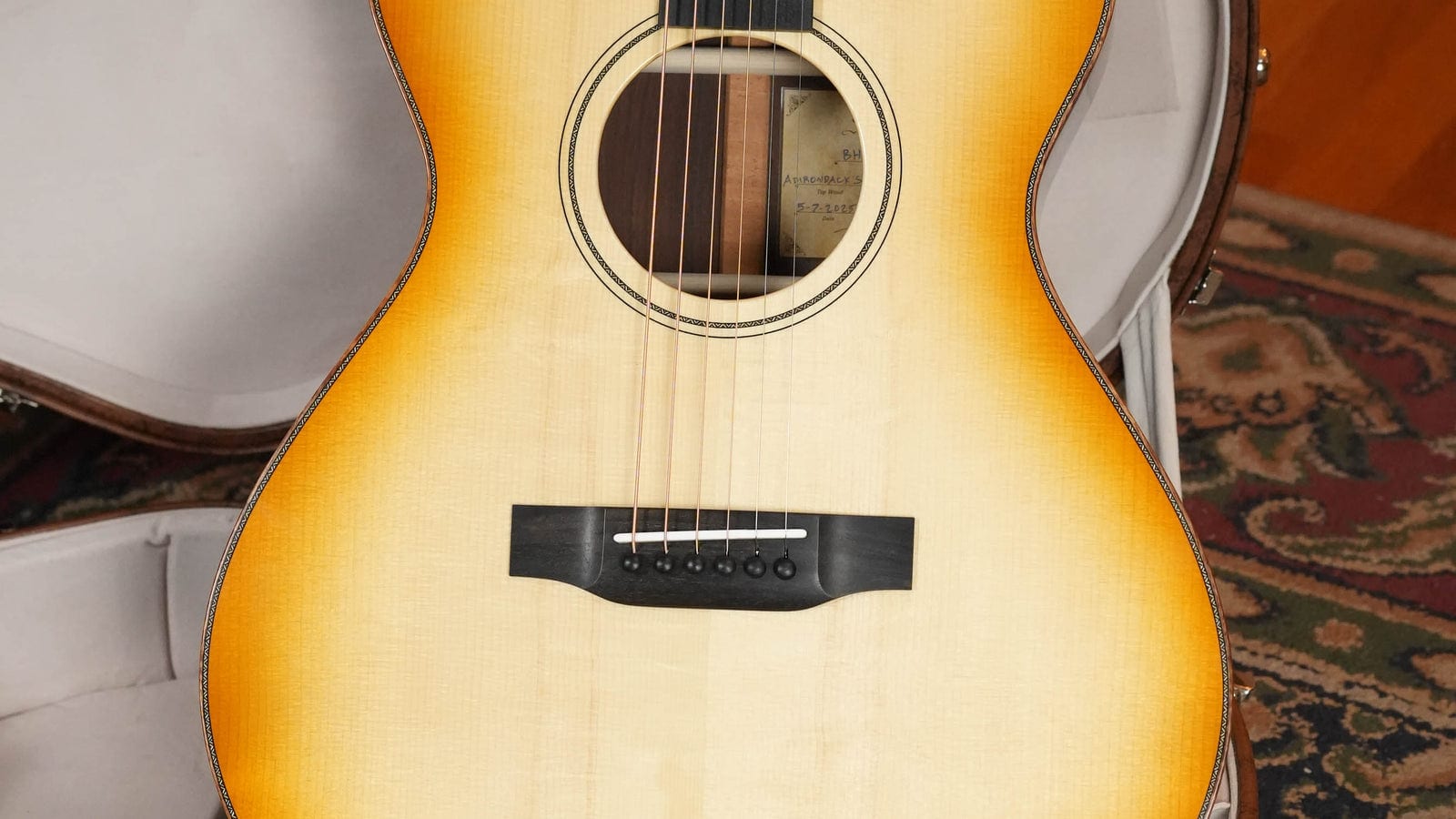
This one is a personal guitar of ours. It was sitting in the Bourgeois workshop when we toured it, and the more it got played, the more obvious it was that it wasn't staying in Maine. It's built in the Tony Rice style, with the large soundhole, extended fretboard and Waverly tuners, and its Madagascar set is unusually light in color. You hear every frequency through the note, with far less of the roar that makes rosewood boomy when it's miked on stage. That's why lead players often run to mahogany, and this guitar gives you mahogany's clarity in the low notes with more low end underneath.
Atkin D37 Pre-War: big, but never mushy
Atkin's D37 goes after a pre-war Martin sound, so it has a lot more low end than the Bourgeois. Its thin nitro finish is aged with checking, which some people buy for the look and which also lets the top move a bit more freely. It's a big sounding guitar that vibrates big, and the notes don't blend into one another. They stand out on their own.
It's not mushy at all. There's an attack on the front side of that note that just jumps out there.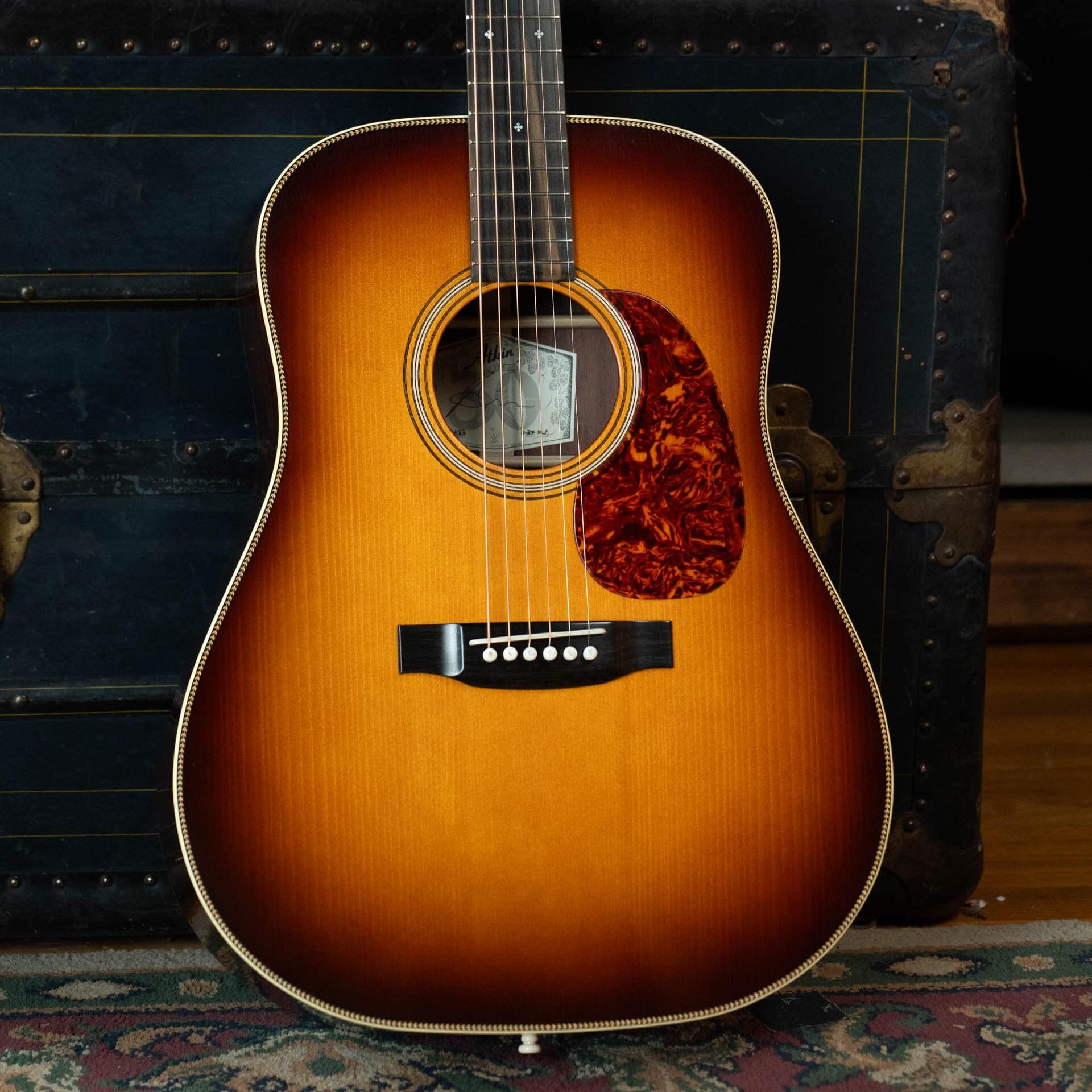
Martin D-28 Authentic 1937: the most Martin of the five
This one came in on consignment. It's hide-glue built with a V neck that gets bigger toward the body, which is a deal breaker for some players and exactly right for anyone raised on vintage guitars. It has more of the classic Martin roar and a looser low end than the others, so it's a touch mushier, but the quick attack is still there. John would happily own it. If you want control on the front of the note, it delivers, and if you want a bigger, boomier bottom, it has that too. Martin's current Authentic 1937 listings call for Guatemalan rosewood, so this particular one is a snapshot of an earlier run. See our D-28 vs HD-28 comparison for today's standard D-28s.
Boucher Bluegrass Goose: modern voice, punchy low mids
Boucher builds in Quebec and has its own, more modern voicing. To us it leans toward a Collins kind of tone, with more overtones and less of the dry sound. This BG-152 had the gold pack (a torrefied Adirondack top and gold hardware) and the master pack (a master grade top, koa binding and an abalone rosette). The Bluegrass Goose gets a slightly larger soundhole and is voiced for medium strings, for more power and punch. Next to the others, it has stronger low mids and less of that initial attack. It also has the most modern neck in the group, so if you want a vintage-style sound with a modern playing feel, start here.
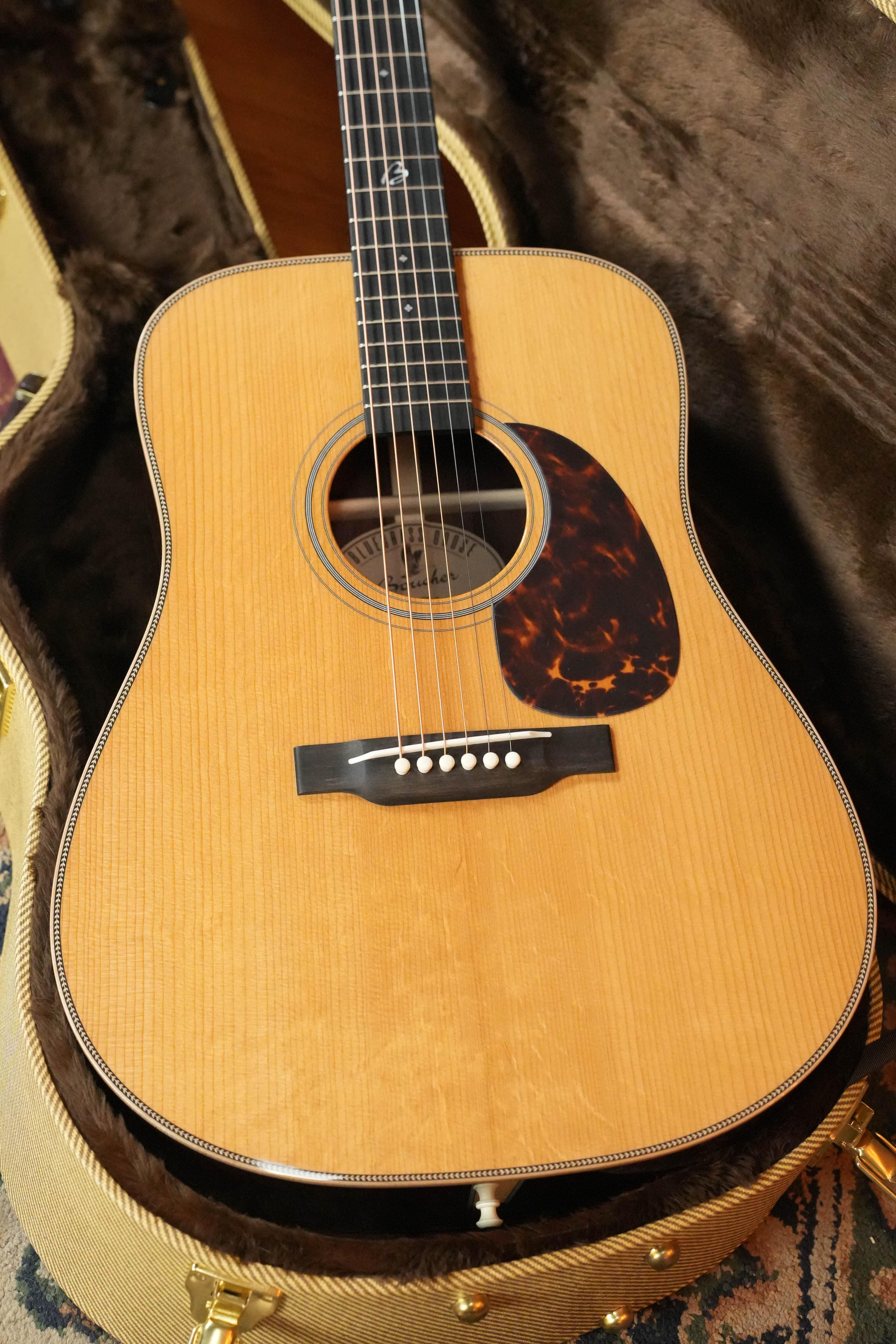
Eastman E20D-MR-TC: the affordable way in
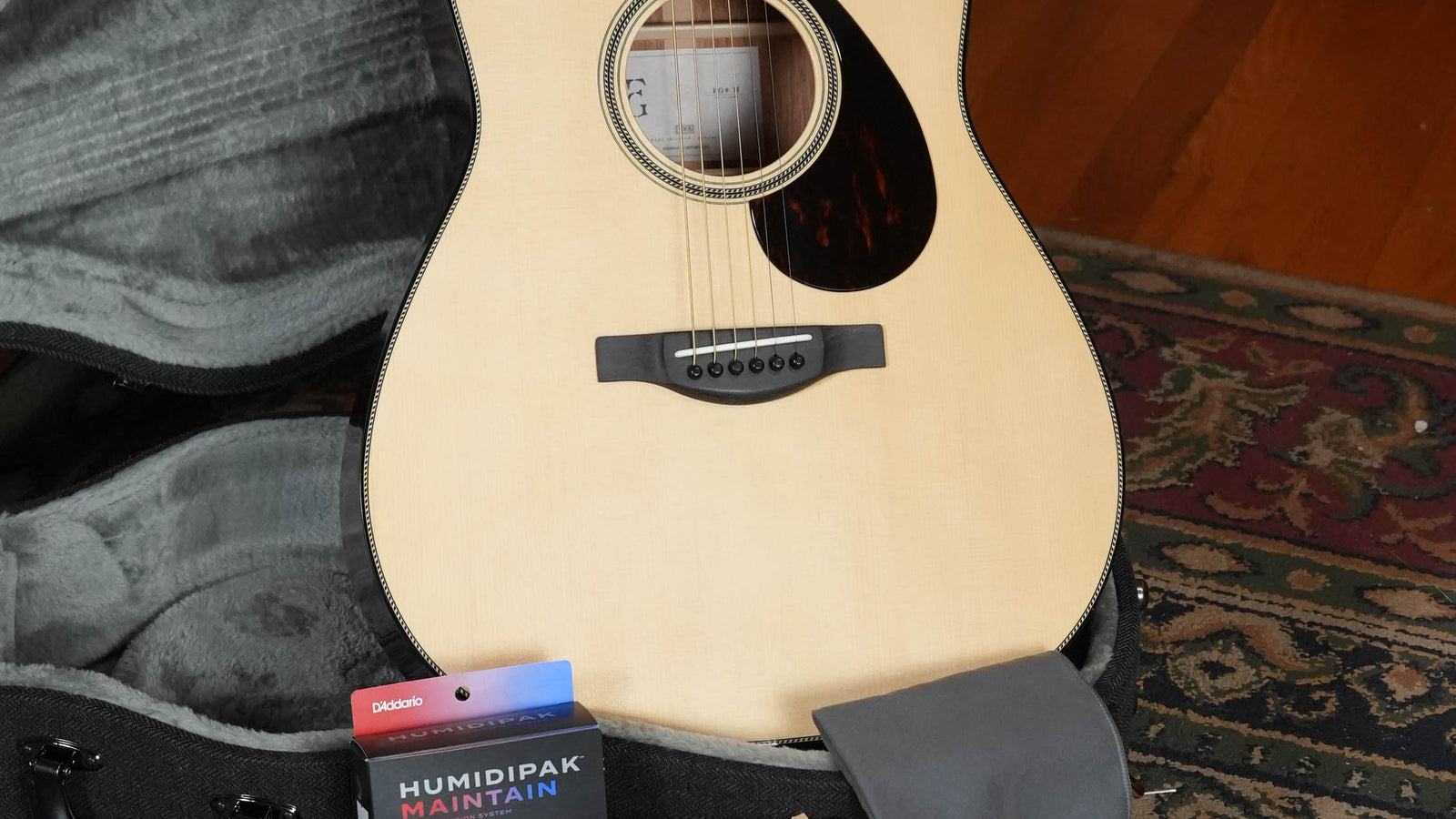
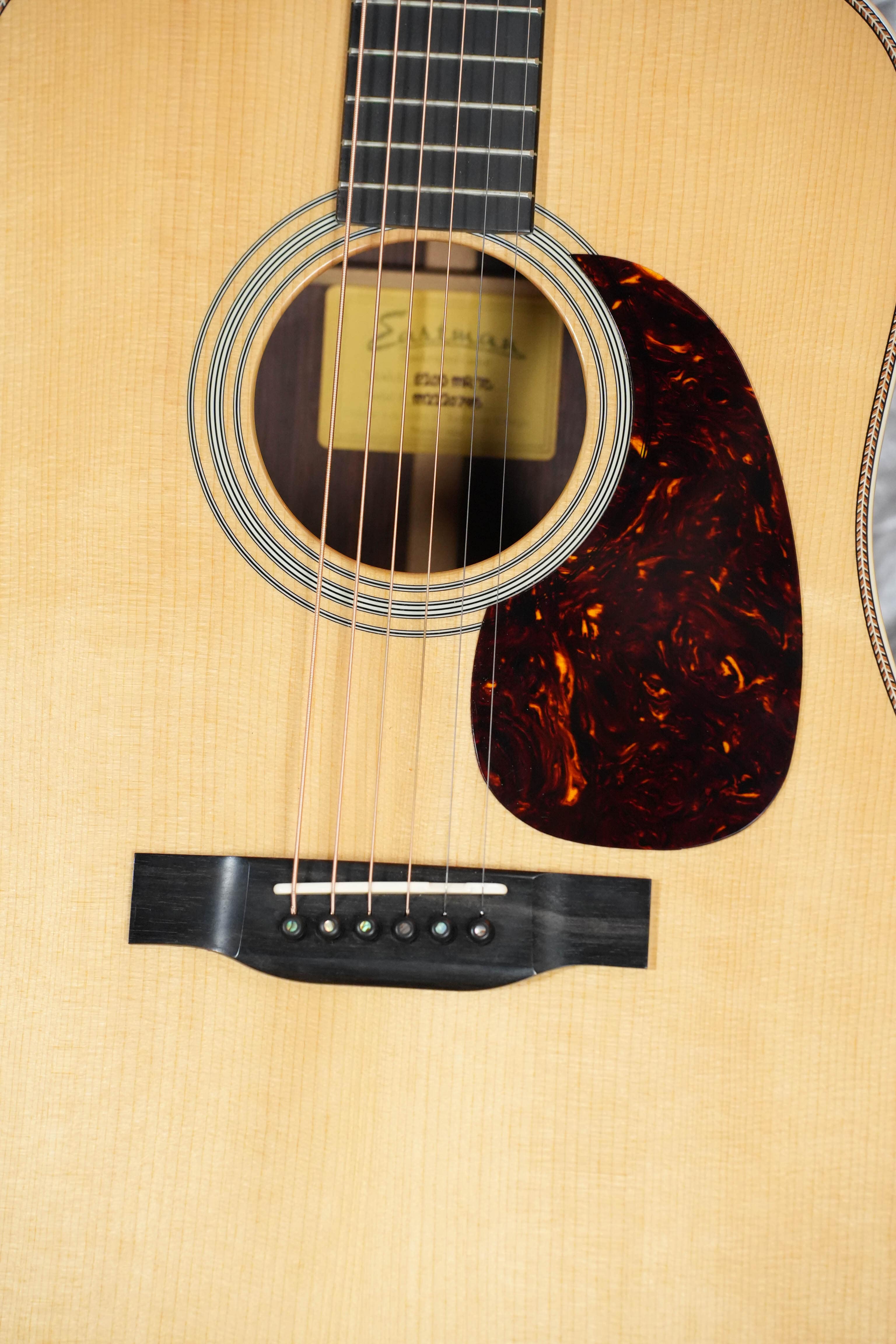
The E20D-MR-TC is what started all this talk for us. The Eastman E20D has been an Indian rosewood workhorse for years, and this version swaps in Madagascar rosewood with a thermo-cured Adirondack top and scalloped, hand-voiced bracing. It exists because of the Bourgeois and Eastman partnership: Bourgeois builds fewer than 500 guitars a year, too few to buy Madagascar affordably, so the two shared one large purchase. In 2023 that put a Madagascar E20 under $2,500.
Ours was a day out of the box, and the bass was still a little shy, which should fill in with playing time. But it has the attack, and it isn't roary. The Indian rosewood E20s we've played have more of that boomy roar. Our E20D vs E20D-MR-TC vs Bourgeois Touchstone shootout puts the two woods side by side on the same Eastman build.
The common thread: what Madagascar rosewood does to the low end
John played all five, and he's compared each builder's Madagascar guitar with the normal Indian rosewood version of the same model. Every one came out tighter and more focused, with a quicker attack on the lows, and to a degree on the mids and highs as well. The only guitar where it showed less was the Boucher, because its pronounced midrange takes the spotlight.
It was just a little more focused. They just had more attack on the front end of the note, especially on the low end.Each guitar still sounded like its builder. The Martin roars, the Atkin is big and vintage, the Bourgeois is clear, the Boucher is modern and the Eastman is lean and quick. Madagascar rosewood doesn't erase those voices. It tightens them.
The honest catch
- It's a light difference. In John's words, this isn't a case of never surviving in a rosewood guitar unless it's Madagascar or Brazilian. The builder's voicing matters more than the wood.
- Sourcing is still a question. It's harder to confirm a specific set's origin than with Indian rosewood, and some builders we respect won't use it yet.
- It's scarce. Small shops can't buy it in volume at a good price, which is why it has mostly lived on boutique guitars.
- None of these five is on our wall today. They've all sold. Right now the way to get Madagascar from us is the TAS Edition Bourgeois below.
Who should buy a Madagascar rosewood guitar?
- Lead players who love rosewood but hate mud. If you flatpick lines and want rosewood low end without the boom, Madagascar rosewood is the most affordable route we know to that Brazilian kind of tightness.
- Anyone who records or plays miked up. Less roar means less to tame at the board.
- Rhythm players who want to fill a stage can skip it. If your job is filling the room with bass, Indian rosewood's bigger bottom is a feature, and you'll save money.
Every guitar we sell gets our 23-Point Professional Inspection before it ships, so it arrives playing the way it did on our bench.
Related reading
Where to find a Madagascar rosewood guitar at TAS
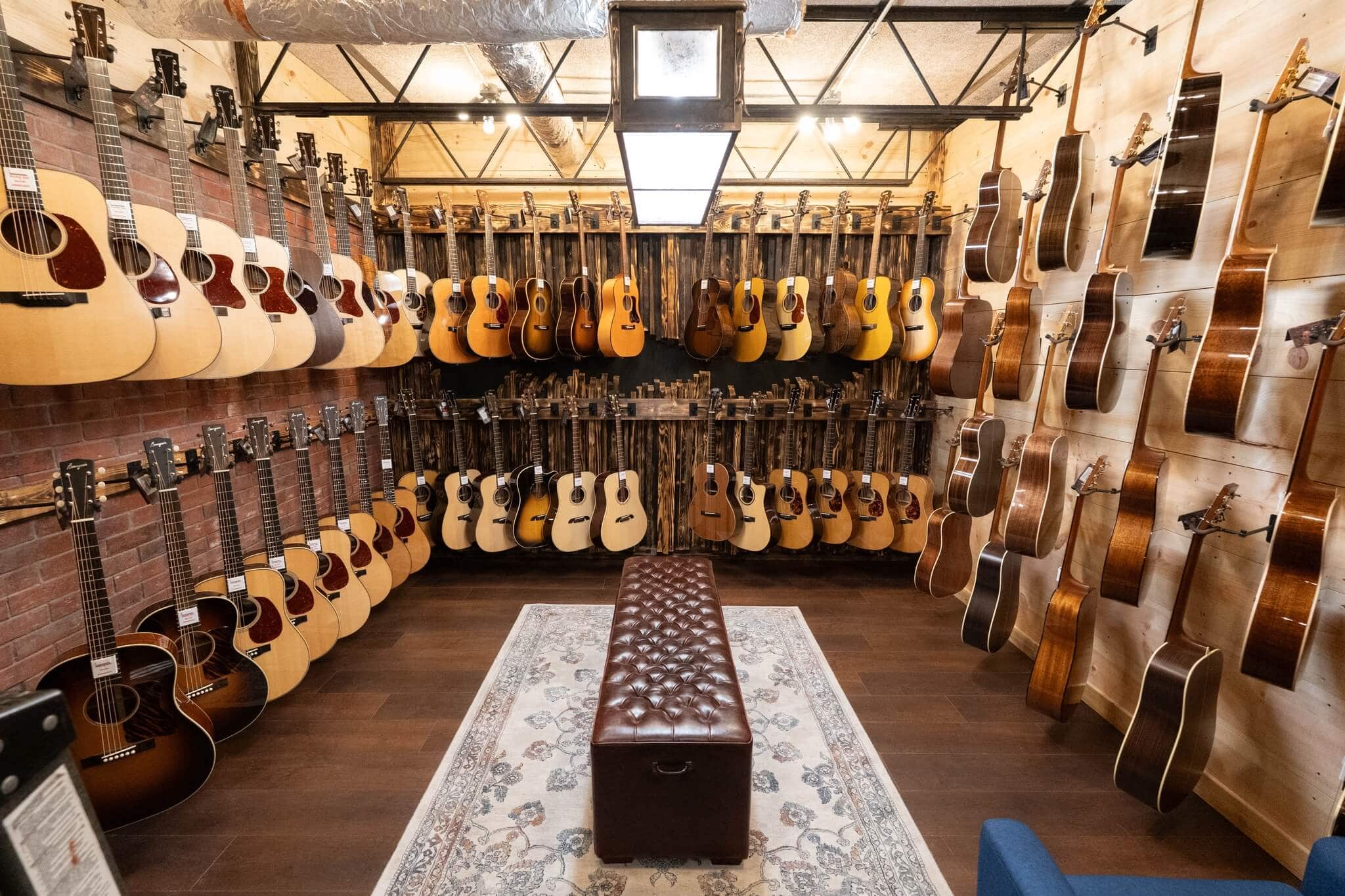
The easiest way into Madagascar rosewood with us is our own TAS Edition Bourgeois LSH Professional Series: an aged-tone Adirondack top over Madagascar rosewood, a large soundhole and a thin satin finish, at $4,949, reserved with a deposit. You can also browse the Bourgeois, Atkin and Boucher collections, our Eastman guitars, or every acoustic guitar we have in stock, and ask us about ordering a Madagascar build.
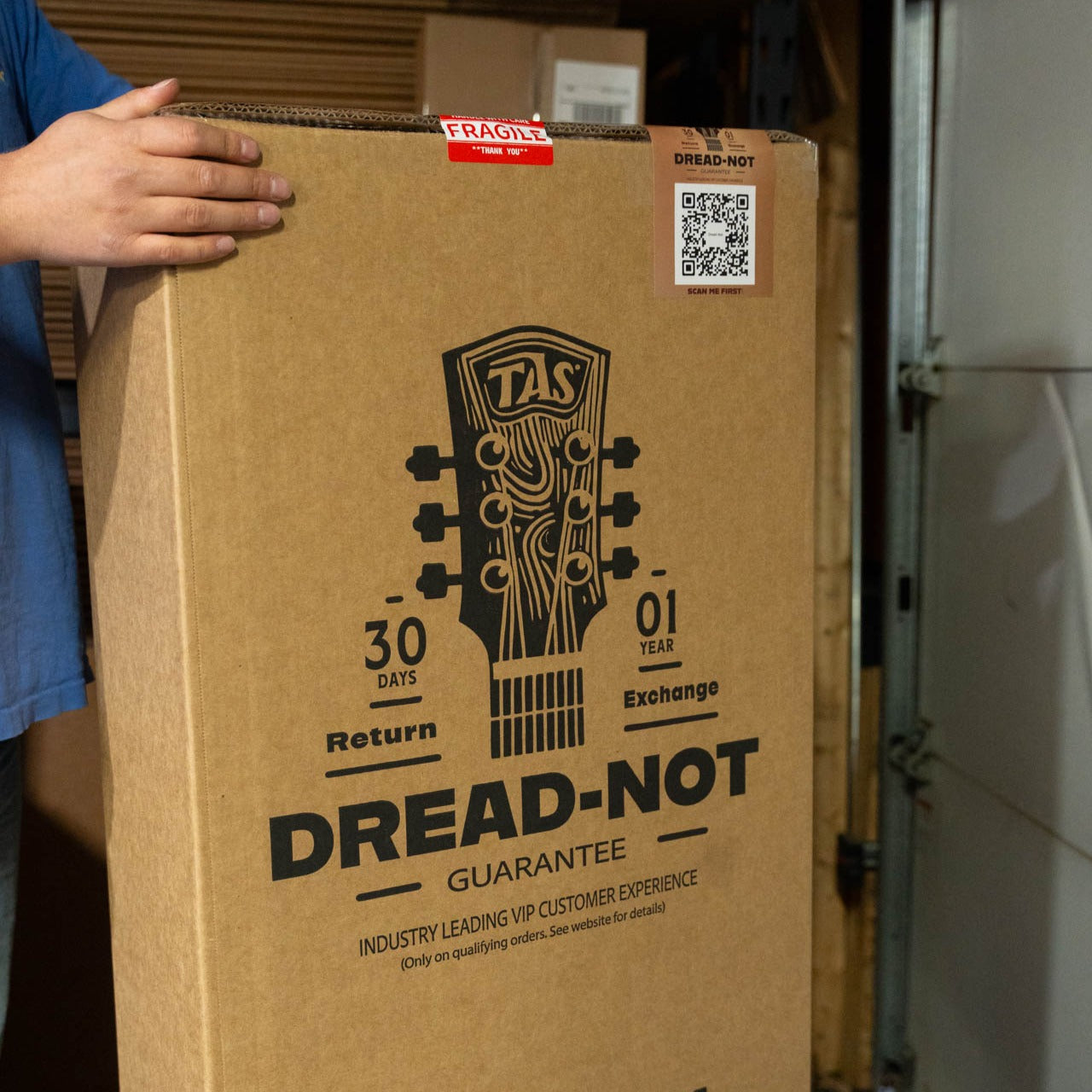
A guitar at this level comes with the Dread-Not Guarantee: a full year to trade it in for up to 90% of the pre-tax purchase price in credit, less round-trip shipping, plus a 30-day in-home trial. Play it in your own room and decide whether the tighter low end is worth it to you.