
If you play banjo or mandolin, you probably remember where you were when the Recording King news broke in the summer of 2025. It didn't come from the company. An endorsed artist posted on Facebook that Recording King was no more, the banjo forums lit up, and The Loar mandolin crowd had the same sinking feeling, because both brands belonged to The Music Link, along with Guardian cases and Johnson. Rumors covered everything: tariffs, the economy, management.
The question everybody asked was simple. If both brands were gone, what fills that spot, the good-quality traditional instrument at a price a beginner or a weekend picker can pay? Then St. Louis Music, the company behind Alvarez, bought both brands. We had more reason than most to care how that turned out, and more than a year later the first guitars from the new owners are here, so we can hold our hopes and worries from that summer up against them.
Why the Recording King news hit so hard
We've carried Recording King since our first week in business. It was the first brand we brought into the shop after Eastman. We did a lot with the Dirty 30s guitars when they first came out, and with the banjos, and one of our resonators was among the first engraved by Greg Rich, who we got to know at one of our first NAMM shows. Greg brought the brand in at The Music Link about 20 years ago, and the brand filled a real need: traditional instruments, well specced, at prices people could reach.
When it launched, the brand came out swinging, with specs above what everybody else could offer at those price points. Then the market kept moving and the quality didn't keep up. By the time The Music Link said it hoped to take a hiatus, catch up on past-due invoices and restart as a "2.0," it was running into 145% tariffs on Chinese imports. Nobody was shipping anything, and it's hard to catch up on bills when you have no product to sell.
Jump to: what Recording King needed at 5:27 · the inventory that didn't pass QC at 8:18 · our worry about banjos and mandolins at 11:14 · the price question at 14:42.
What was wrong with Recording King
Our problem with Recording King was never the idea of the instruments. Spec for spec against an Eastman, it won. The trouble was everything after the spec sheet.
"Our problem was not with what the products were. It was the consistency of said products, and the refinement of those things."
Here's what kept us from recommending more of them:
- Finishes too thick. It came up in review after review. Heavy finish looks cheap from across the room and holds the top back.
- Tops too thick, on the mandolins as well as the guitars, which costs you volume and response.
- Necks that didn't feel as comfortable as the competition at the same price.
- QC you couldn't count on. The banjos were good work barring the QC issues, and in the summer of 2025 we were still sorting out a finish problem on one of theirs. Our own rep would warn us off some models: "I don't think you guys want that model, because you're going to send a lot of them back."
That's what made it such a frustrating brand to love. Customers asked us every day why we didn't carry more of it or review more of it. We liked the people there, they spent a week at the shop with us, and we always hoped the instruments would catch up with the name.
"Their reputation far surpassed their quality."
To be fair to them, it was the consistency. A great one and a rough one could come out of the same shipment, and you couldn't tell which you'd get.
Why St. Louis Music and Alvarez gave us hope
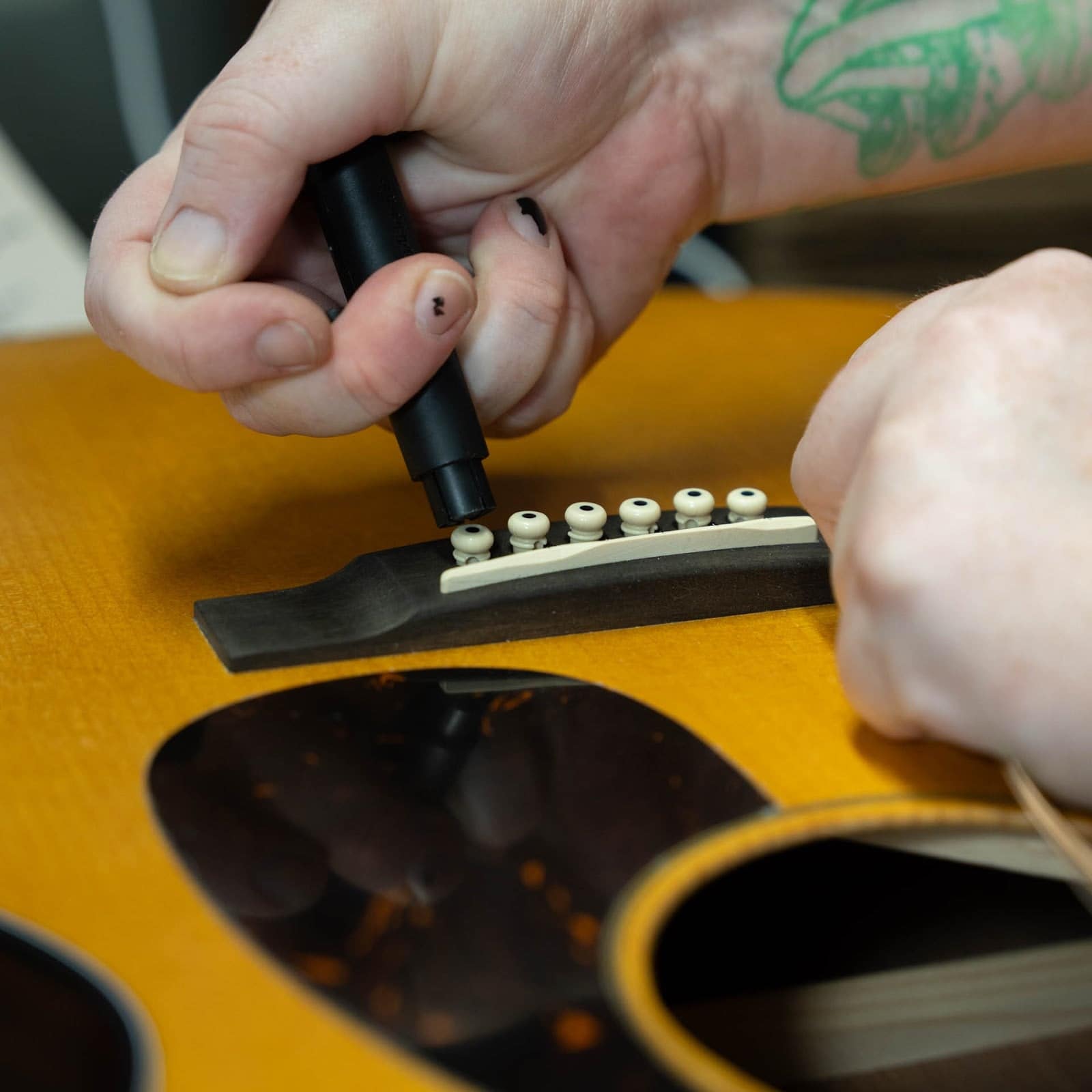
St. Louis Music is the parent company behind Alvarez, and Chris Meikle, its COO and executive vice president, ran the relaunch of Alvarez. We'd already had a long conversation with Chris about exactly this kind of job: going into the Alvarez factories, finding what needed fixing, and spending the time on the finishes until they were right. That work is what finally got us to carry Alvarez. We'll admit we overlooked and undervalued the brand for years.
Our take when the news broke hasn't changed:
"It's a really good product that needs somebody in there that can make it a great product."
Two things Chris did early showed he meant it. First, he inspected the inventory that came over with the acquisition, and none of the guitars passed his QC. That sounds harsh, but it's the same call we'd have made. Second, he said Recording King would stay a traditional line, separate from what Alvarez is, and he wanted to consult with us and other traditional retailers and players to keep it that way. That mattered, because Chris knows what he likes, and from what we understand the Alvarez Laureate series took some arm-twisting to get to its traditional side.
Our worries about Recording King banjos and mandolins
We weren't blindly optimistic. Guitars were always going to come out better under the Alvarez approach. Banjos and mandolins were the real question, and our message to St. Louis Music was plain: get to know banjo and mandolin players, and put the same detail into those instruments that went into Alvarez. Two concerns stood out.
- The setup after the boat. Overseas manufacturing can reach a great level, but imported instruments spend about six weeks on the water, and a lot of the magic happens in the setup once they land. The Music Link's teams were trained specifically on banjo and mandolin setup. We weren't sure St. Louis Music was as ready for that. (Our half-joke at the time: banjo luthiers, there's a job opening.)
- Prices. John raised this one. If the old prices depended on thick finishes and fast production, could the fixes happen without pushing the brand into a higher price band and leaving the same gap behind?
The prediction we made was that they'd manage it, because St. Louis Music already runs Alvarez at set price points and levels, and that a more elite side of Recording King could follow. On banjos, we saw a big gap between where the old banjo line topped out and where American makers started, roughly $2,000 to $4,500. Closing some of that would be good for players.
What came of the Recording King relaunch
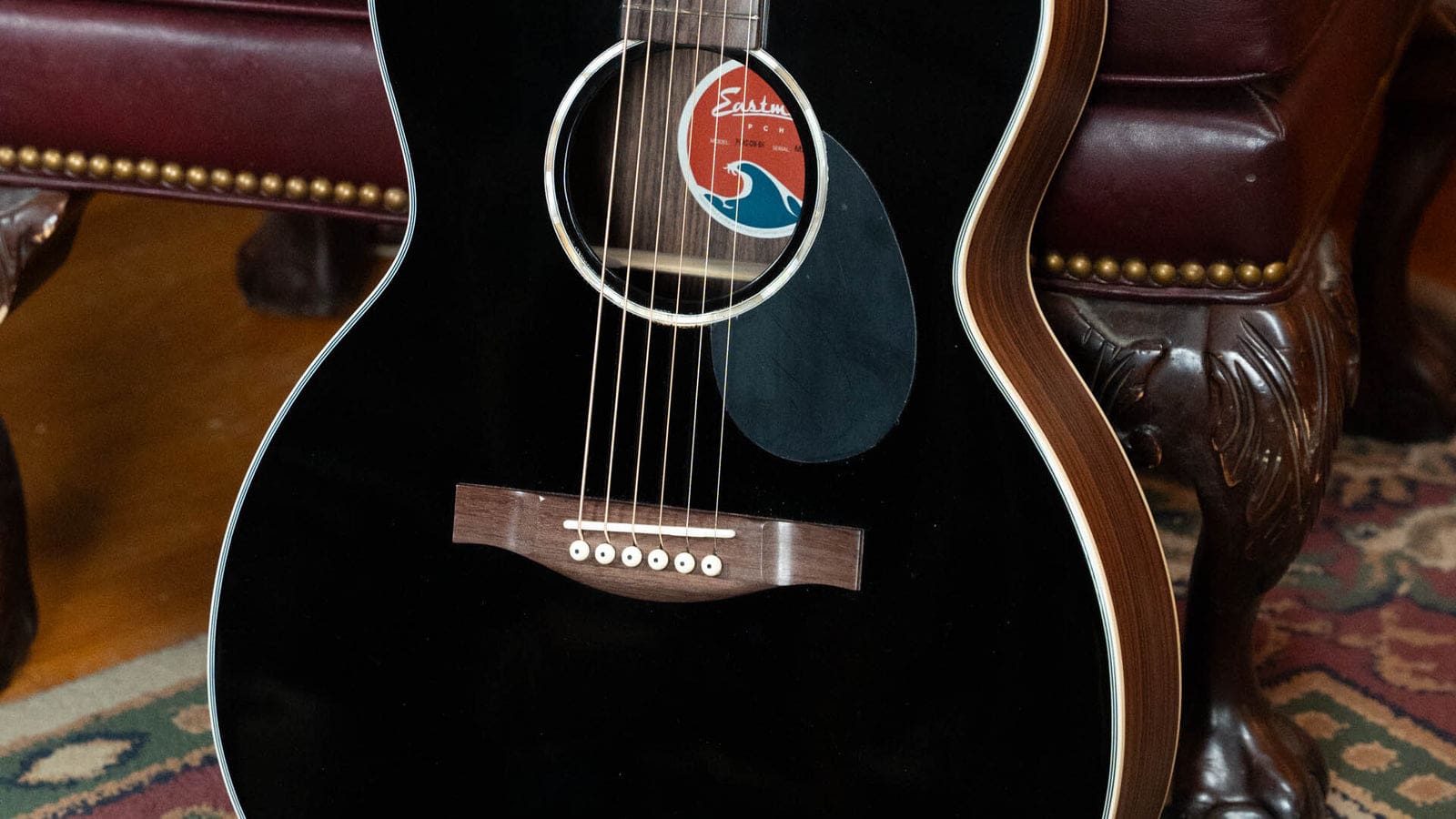
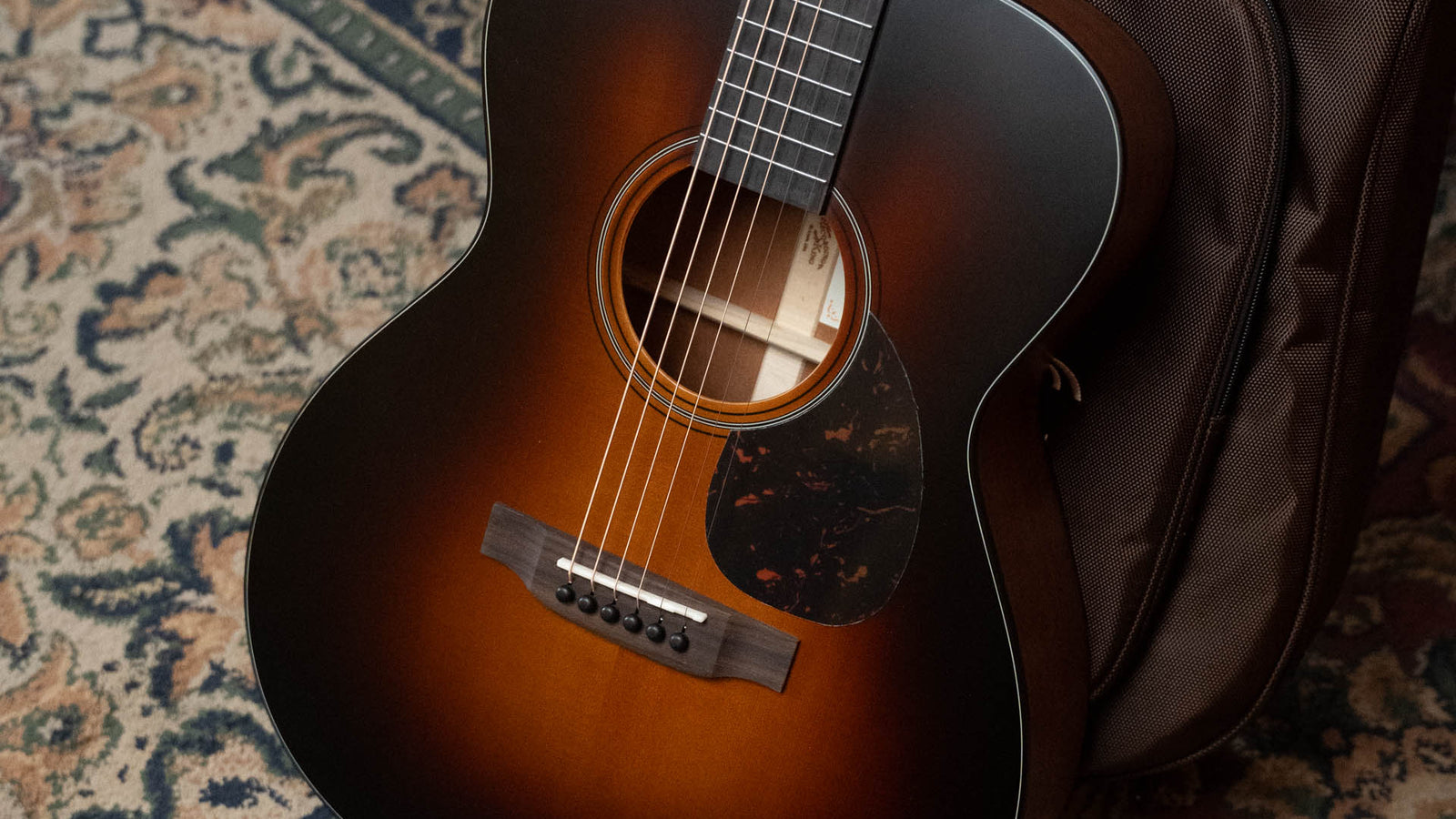
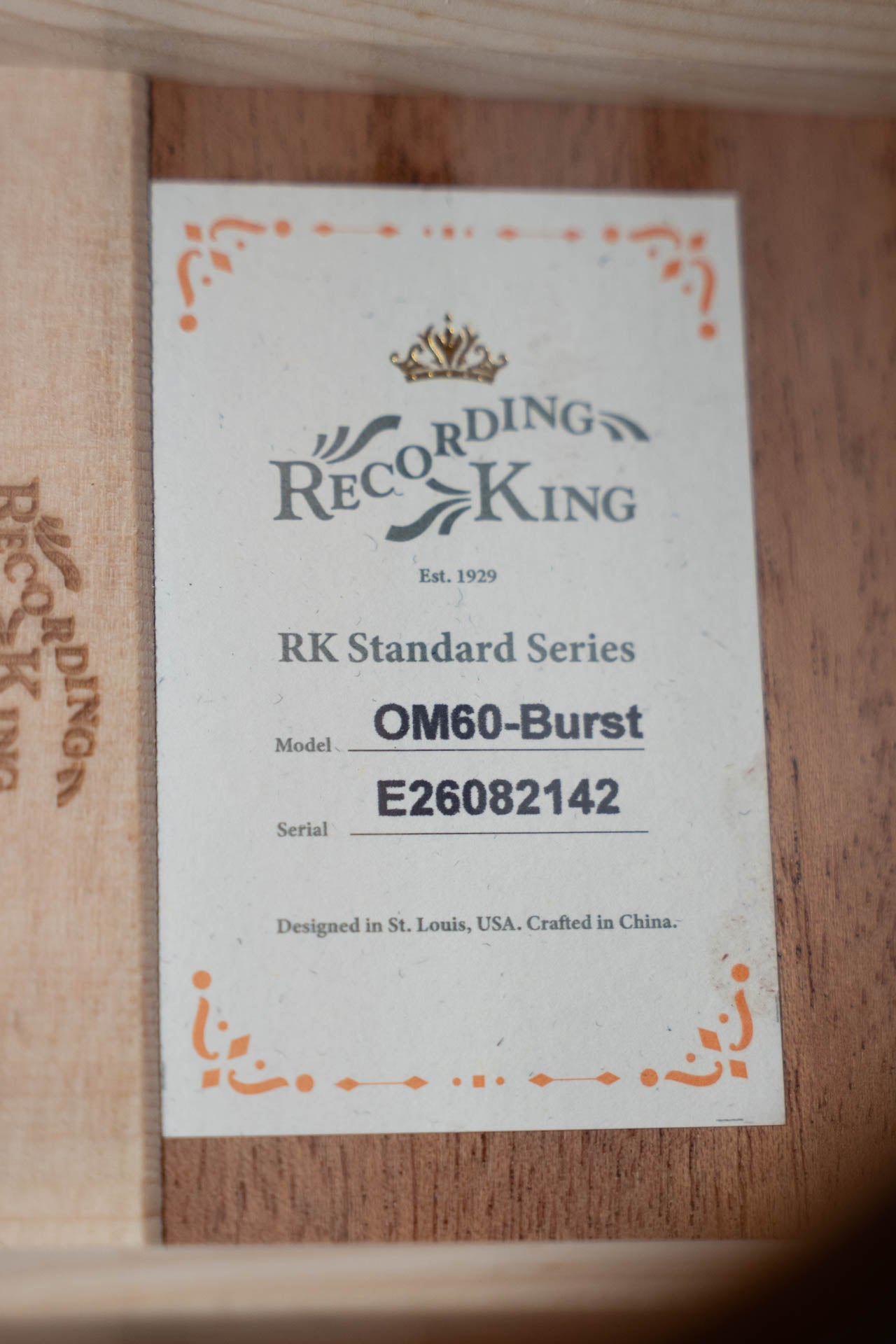
The guitars came first. On November 2, 2026, Recording King launched the Standard series, built in the Alvarez workshop, where the crew already knows how to put a thin, clean finish on a guitar in production. That's the fix for the thick finishes, and a thin finish doesn't bury the top the way the old ones did. We were consulted through the prototypes. Every model is solid wood with a 1 3/4" bone nut, which gives your fretting hand more room between strings, and every one is under $1,000, so the price worry John raised has an answer on the guitar side. Prices from our store on November 9, 2026:
| Model | Body | Back and sides | Price |
|---|---|---|---|
| D60 | Dreadnought | African mahogany | $749.99 |
| D70H | Dreadnought, herringbone | East Indian rosewood | $949.99 |
| OM60 / OM70H | Orchestra model | Mahogany / rosewood | $749.99 / $949.99 |
| 00060 / 00070H | 000, 12-fret | Mahogany / rosewood | $749.99 / $949.99 |
| BM60 / BM70 Bluesmaster | 00 | Mahogany / rosewood | $799.99 / $949.99 |
Burst and Blacktop versions run up to $999.99. Most models are on pre-order right now: the deposit goes toward the model, not a specific guitar. Our full write-up of the Recording King Standard series covers what changed in the build, what John would still change, and how it stacks up against the Eastman E1. You can browse every model on the Recording King Standard series page.
Banjos and mandolins are still the open question. As of November 2026 we don't have new Recording King banjos or Loar mandolins in the shop, so our worry about setup and attention to that side stands until we can play them. If you're shopping for an F-style today, our Loar LM-700 vs Eastman MD315 comparison shows where The Loar stood, and what we'd point you to now.
Where Alvarez fits if you need a guitar now
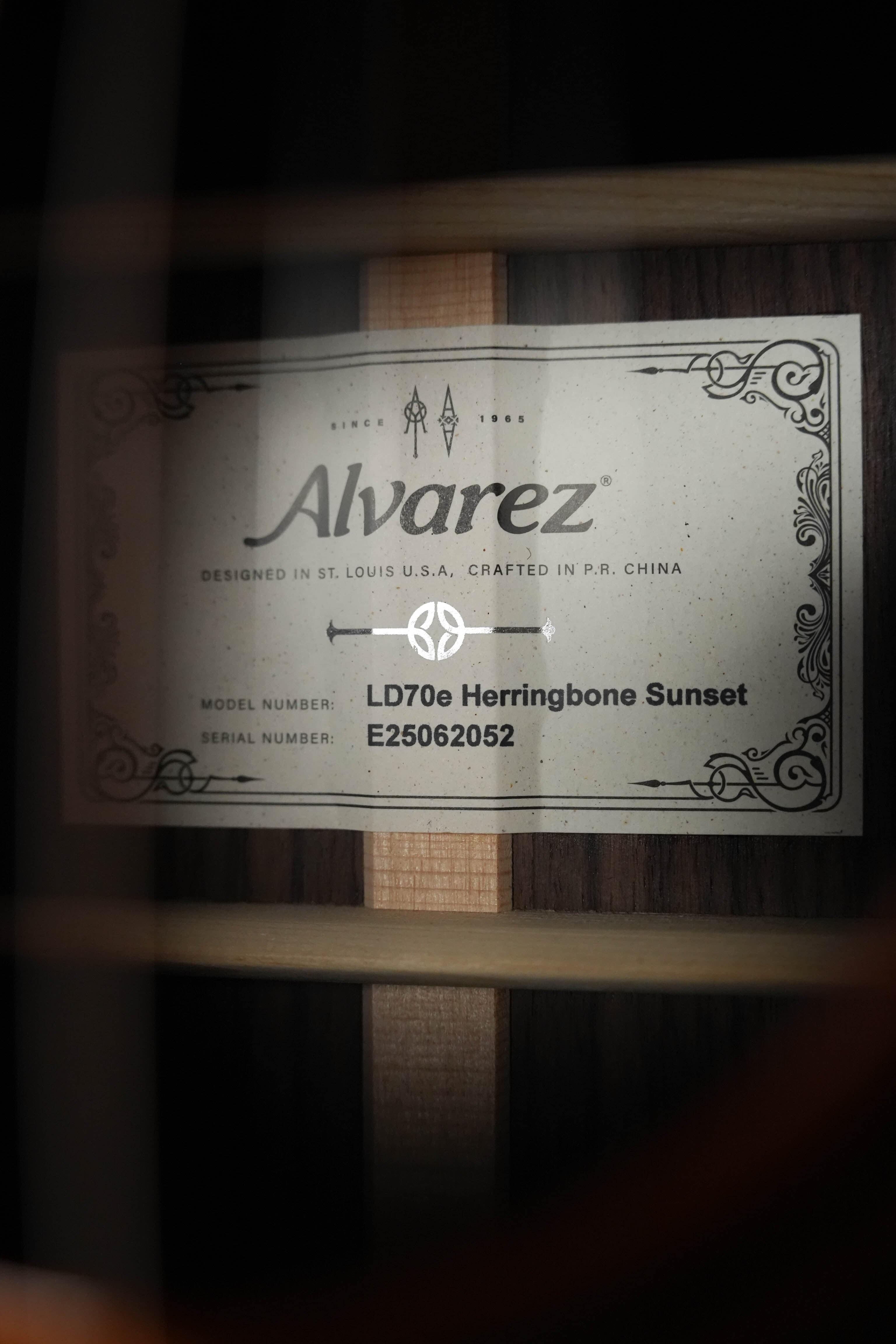
If this story got you curious about Alvarez itself, that's the brand where the finish work already shows. The Laureate guitars are the traditional side of the line, and we have an Alvarez LD70e herringbone dreadnought in stock at $1,599. Above that, the Alvarez Yairi guitars are built in Japan, like the Yairi DYM60HD, which features an Adirondack top with vintage Honduran mahogany back and sides ($3,799). Adirondack gives a guitar the headroom to hold up when you dig in with a pick. If you're not sure which shape fits how you play, our Alvarez body-size comparison sorts that out.
Whatever you pick, it goes through our 23-Point Professional Inspection before it ships, which is the step we argued imported instruments need most.
Related reading
- Acoustic guitar for beginners: we tested Google's top 10 under $600
- Eastman E1SS and E1OOSS review
- E10D vs LD60e vs FG5: three mahogany dreadnoughts, scored
Who should care about the new Recording King
If you're a bluegrass or folk player who always lived in the price tier below Martin, the Blueridge and Recording King tier, this is good news, and the guitars are a good start: a traditional-sounding solid-wood guitar under $1,000, from an owner whose first move was to fail the inventory it inherited. If you play banjo or mandolin, keep an eye on the brand and hold it to the same standard; we will. Start with the Recording King page, browse our acoustic guitars to compare, or ask us which body suits how you play.