
Table of Contents
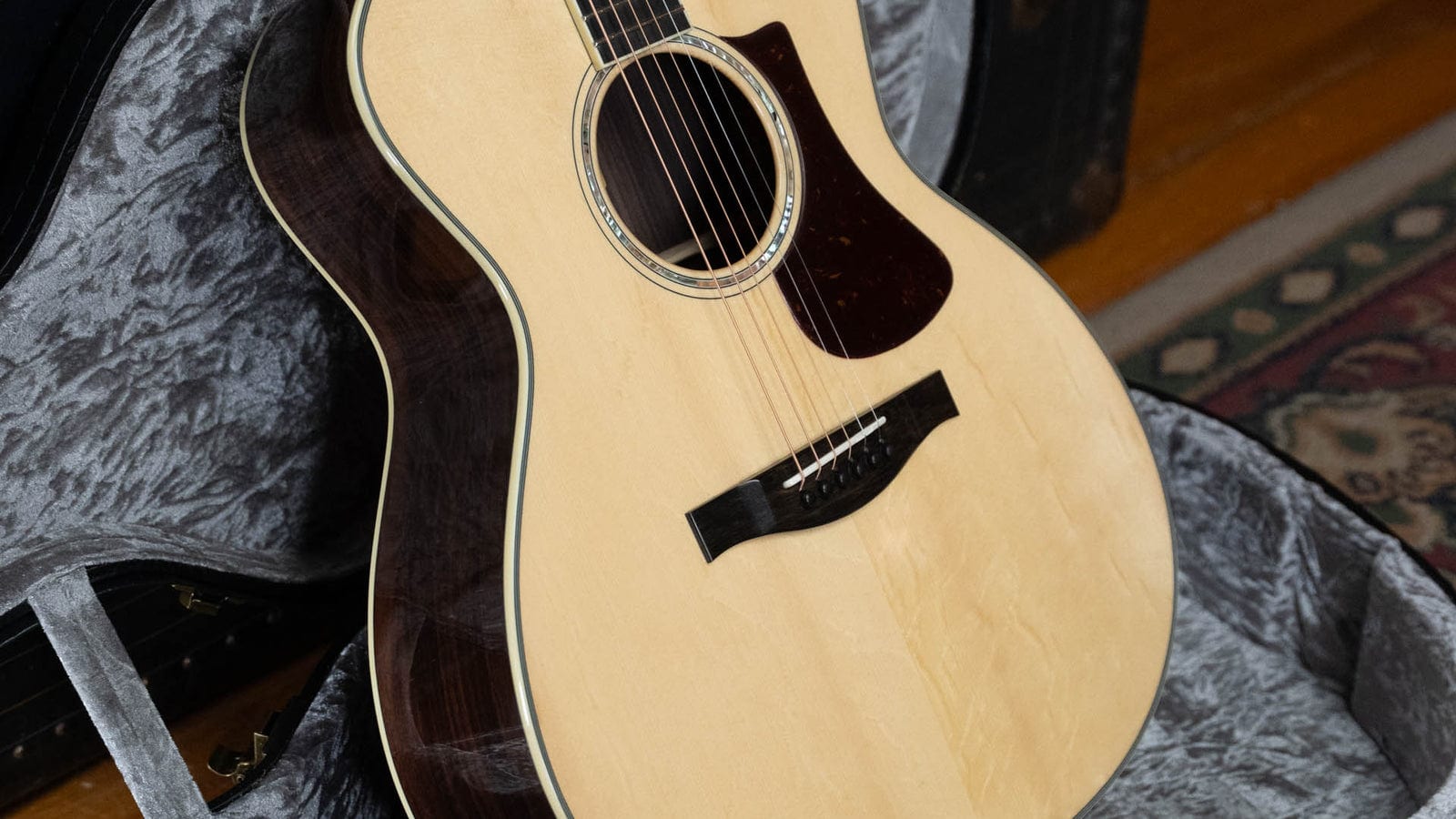
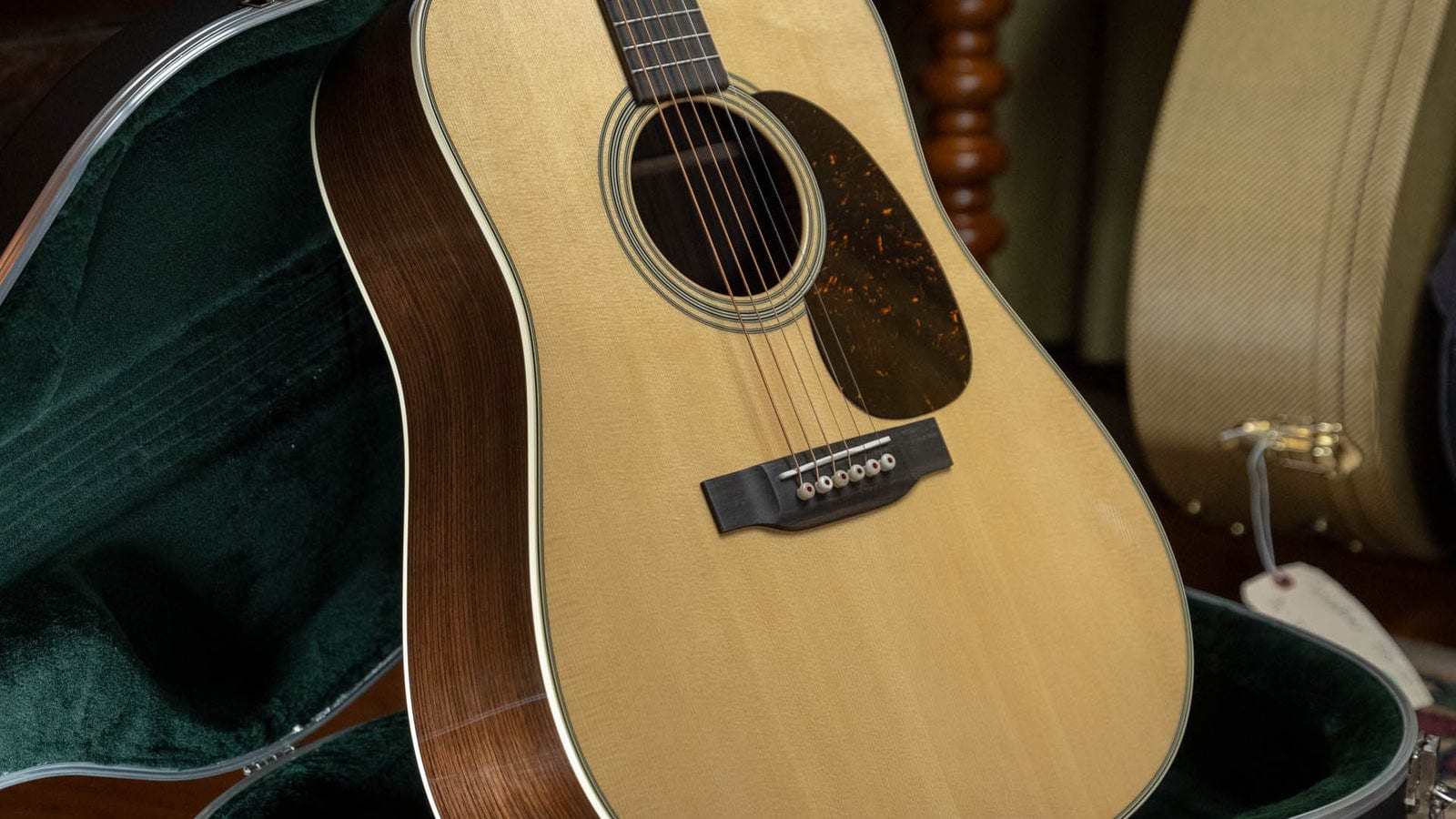
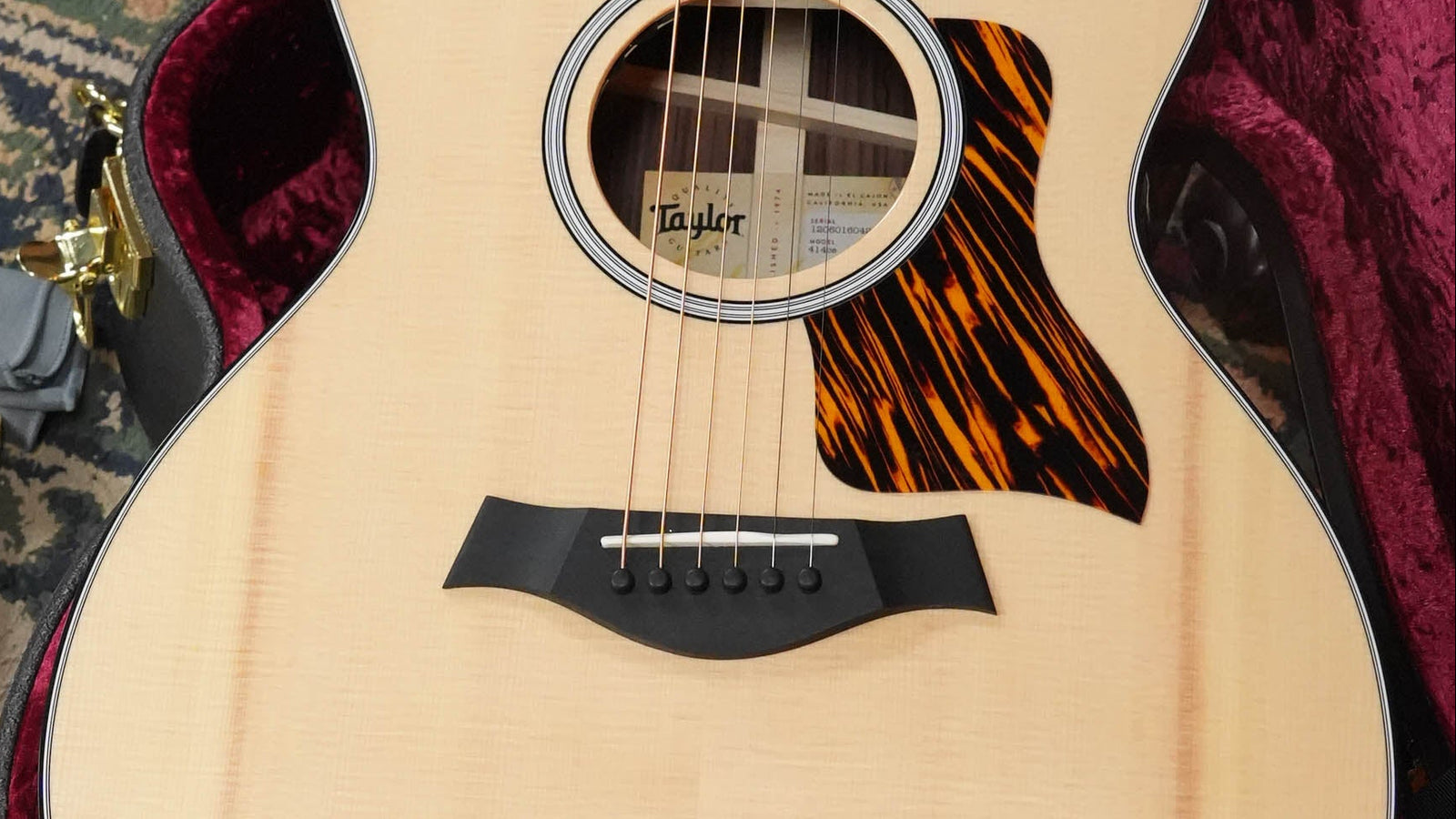
Shop for a rosewood grand auditorium and you'll land on the Taylor 414 vs Eastman question sooner or later. The Taylor 414ce and the Eastman AC422CE share a body shape, a cutaway, solid Indian rosewood back and sides, a spruce top and a pickup, and for years the AC422 was the guitar our customers held up against the 414. We had our own guess about how that comparison would go, and we had it backwards.
We expected the Eastman to be the thinner, clearer guitar and the Taylor to be the big, full one, because that's the reputation Taylor has carried for a long time: bright, without much depth. Then we played the new 414ce next to the AC422CE, and it was the other way around. The Taylor was the warm one. The Eastman had the punch. So the real choice here comes down to which of those two sounds fits the way you play.
Taylor 414 vs Eastman AC422: the short answer
Buy the Taylor 414ce if you strum, sing, or play behind a vocalist and want a warm, full spread of sound that doesn't crowd the voice. Buy the Eastman AC422CE if you flatpick, play fingerstyle melodies, or need a guitar that cuts through a band, and if the $1,130 difference between them matters to you. We wouldn't call either one the winner. Eastman hasn't taken the crown from Taylor, but it has made a strong case that the Taylor grand auditorium sound is no longer your only option.
The specs are closer than the prices
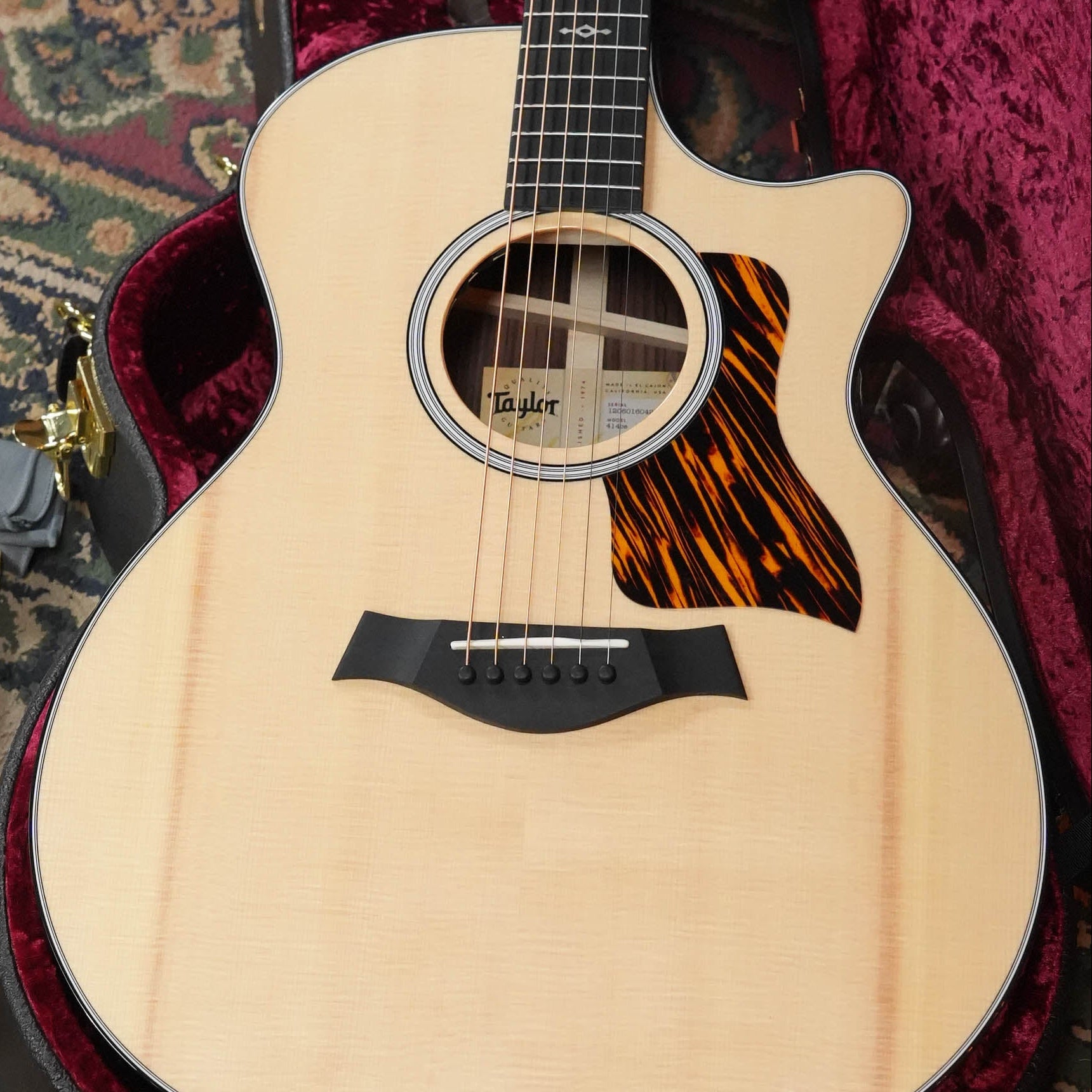
On paper the Taylor 414 vs Eastman matchup reads like the same guitar twice, which is exactly why buyers compare them. Here's how today's models line up, from our own listings:
| Spec | Taylor 414ce (Next Generation) | Eastman AC422CE |
|---|---|---|
| Price today | $2,699 | $1,569 |
| Top | Solid Sitka spruce | Spruce |
| Back and sides | Solid Indian rosewood | Solid rosewood |
| Bracing | Scalloped V-Class with relief rout | Hand-scalloped X |
| Pickup | Taylor Claria | LR Baggs Element EAS VTC |
| Nut width / scale | 1-3/4" / 25.5" | 1-3/4" / 25.4" |
| Built in | El Cajon, California | China, by hand |
A few of those lines are worth slowing down on. Both guitars have a 1-3/4" nut, so neither one will feel cramped for fingerstyle players or anyone with bigger hands. The bracing is where the two companies really part ways. Taylor's latest 414ce uses the Scalloped V-Class pattern along with a new neck joint (the Action Control Neck) and the Claria pickup, so the current Next Generation guitar is a bigger step away from the AC422 than the 414s that people were comparing it to a few years ago. Eastman sticks with a hand-scalloped X brace, and it has been changing how it voices its guitars too, which is a big part of why the two now sound further apart than ever. If the model numbers themselves confuse you, here's how to decode any Taylor model number.
The Eastman also comes with a hardshell case and a 12" fingerboard radius. If you've read our earlier review of the Eastman AC422-AE, the AC422CE is the cutaway, LR Baggs-equipped member of the same family.
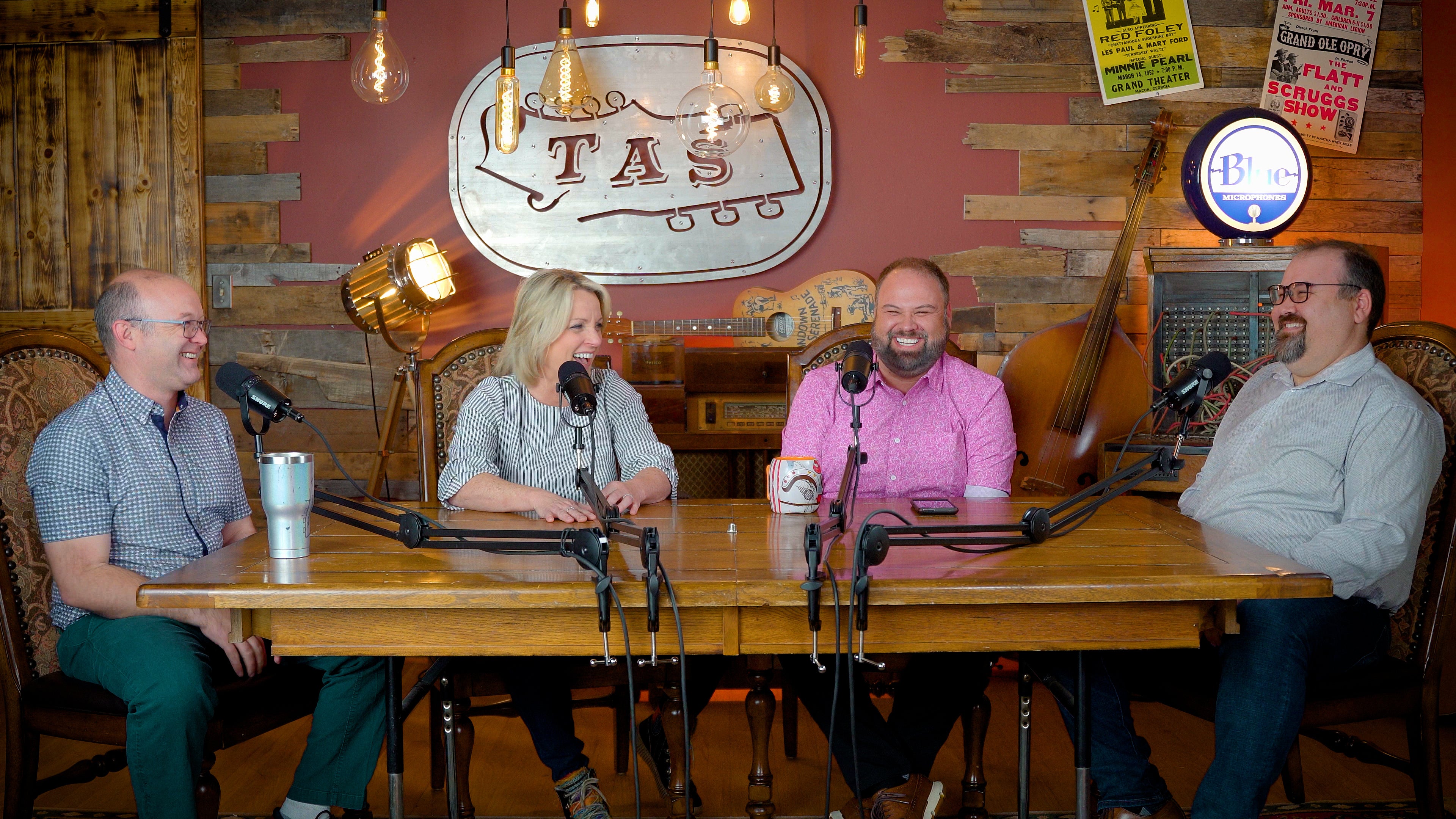
Jump to: the first back-to-back playing at 3:19 · who each guitar is for at 4:48 · the honest critiques at 8:17.
How the Taylor 414 vs Eastman difference actually sounds
The new 414ce has more warmth and depth than the Taylor reputation would lead you to expect. It's mellow and rich, but it keeps enough clarity and sparkle on top that it never sounds muddy. When you hit a note, the overtones come up with it right away, so the guitar sounds full the instant you strum. That's the sound most people have in their heads when they think of a rosewood grand auditorium, and Taylor is the company that put it there.
They invented it. They made it happen. This is the sound that we're looking for.The Eastman leans the other way: punchier, more vibrant, with more clarity in the midrange and more power on single notes. It also has a lot of perceived volume. John's take on that is careful, and we think it's the right way to put it:
I don't know that it's necessarily louder, but those frequencies make you feel like it's louder.So the difference comes down to bloom versus attack. The Taylor fills the room around a chord. The Eastman puts each note out in front of you, which is the "extra lift" you want when your guitar has to sit in a mix with other instruments.
Who should buy the Taylor 414ce
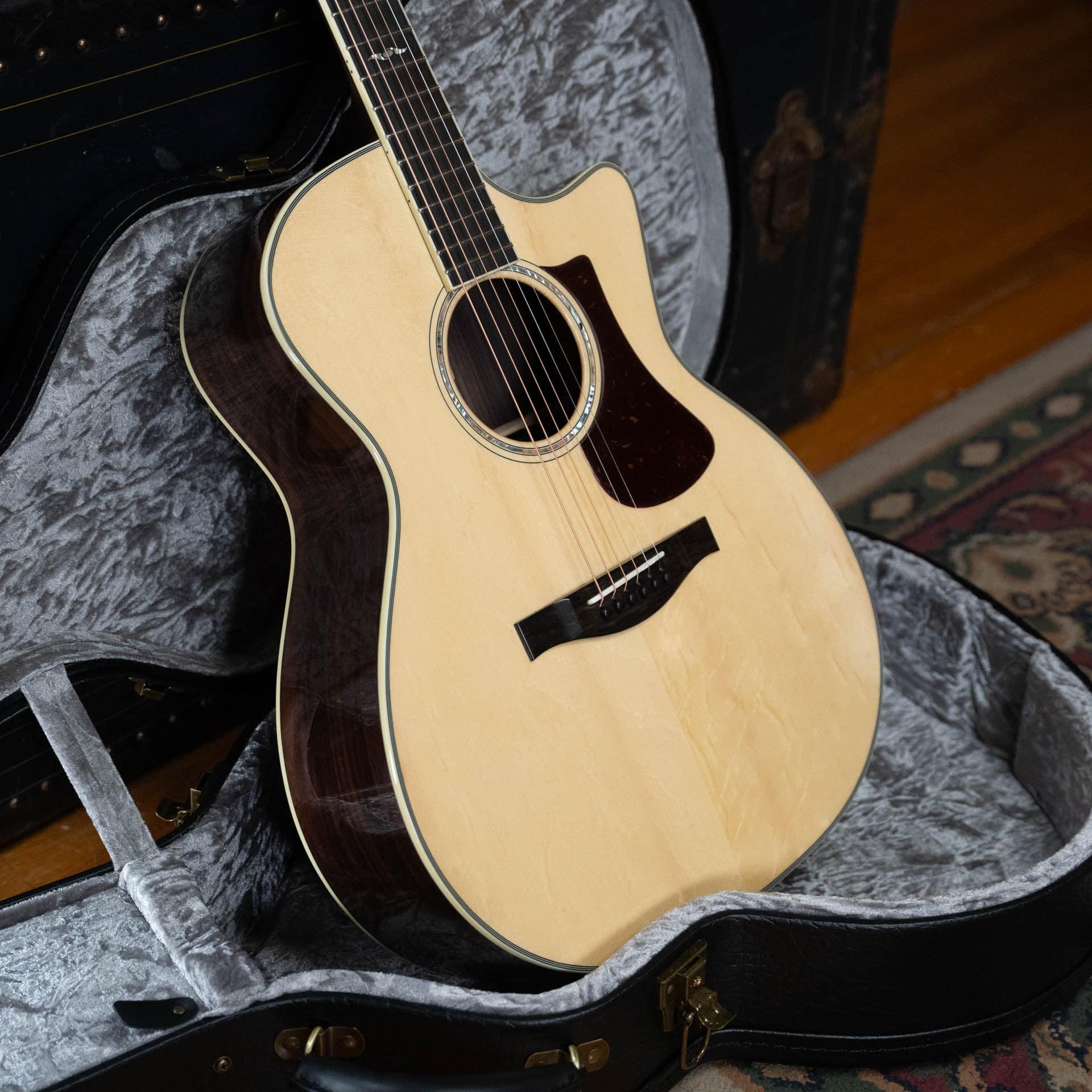
When we split the Taylor 414 vs Eastman buyers by how they play, the 414ce lands with the player most people picture holding a grand auditorium:
- Heavy strummers who want depth under every chord.
- Worship players leading a room from an acoustic guitar.
- Singer-songwriters. It sits behind a vocalist really well and doesn't overpower the voice.
- Fingerstyle players who like warmth more than note-by-note separation.
It's also a USA-built guitar from El Cajon, and John counts that as real value on top of the sound. If you want the classic Taylor grand auditorium voice, rosewood and spruce, this is the one to play first. Here's the 414ce Next Generation we have in stock, and you can see the rest of the Taylor 400 Series for other woods in the same price range.
Who should buy the Eastman AC422CE
The AC422CE is the better pick when you need the guitar to speak up:
- Flatpickers who want note definition on every run.
- Melody fingerpickers who want the tune to pop out over the accompaniment. John thinks the Eastman does a much better job here.
- Band players competing with other instruments, where that perceived volume helps you get heard.
- Buyers on a budget who want solid rosewood, a hardshell case and a hand-built guitar for $1,569.
Eastman guitars are built by hand, and every one that comes through North America gets its final setup in Eastman's own shop, which we covered in our visit to Eastman Pomona. We're also the #1 Worldwide Dealer for Eastman Guitars & Mandolins, and the AC422 has been the guitar our customers compare with the 414 for years. Browse all of our Eastman guitars if you'd like to hear the other models and woods.
The catch with each one
Neither side of the Taylor 414 vs Eastman choice gets a free pass. These are the drawbacks we'd want to know about before buying either one:
- The Taylor costs more. At $2,699 the 414ce is $1,130 more than the AC422CE, and that's the Eastman's biggest selling point. The other side of that is where it's made: the 414ce is built in the USA, and that's worth something to a lot of players.
- The Taylor blurs single notes. Because the overtones erupt with the first note, individual strings don't stand apart as well. Strum it behind a singer and that warmth is exactly what you want. Play lead lines on it and you may miss the Eastman's definition.
- The Eastman won't give you the "big blanket" sound. It has a different tone palette. If you play with a thin pick and you're expecting the wall of sound that Taylor loyalists have in their heads, you may be disappointed.
- Your pick changes both guitars. A very thin pick brings some of the brightness back out of the warm Taylor, so a thin-pick strummer gets clarity and warmth together. That same thin pick is what makes the Eastman sound lighter than a Taylor player expects.
That last point is easy to overlook in a store. If you strum with a thin pick, play both guitars with your own pick before you decide, because it will move the result more than you'd think.
What about the Taylor 414ce Studio?
If the price gap is what tips the Taylor 414 vs Eastman decision for you, look at the Taylor 414ce Studio at $2,299. It's also solid Indian rosewood with a solid spruce top, but the top is torrefied Sitka, the bracing is standard V-Class instead of scalloped, the pickup is Taylor's Expression System 2, the nut is narrower at 1-11/16", and it ships in a gig bag. We didn't play the Studio against these two, so we can't tell you how it compares in sound, but it closes the gap with the AC422CE to $730.
Related reading
- Martin vs Taylor: why Martin struggles when they innovate
- E10D vs D-18: an Eastman vs Martin blind test
- Taylor Gold Label series guide: 5 models compared
Settling the Taylor 414 vs Eastman choice
We waited a long time to make this comparison. Until we became a Taylor dealer, we couldn't get the guitars in to play them side by side, and the Taylor line arriving at The Acoustic Shoppe is what finally made it possible. The Taylor 414 vs Eastman matchup was one of the first ones we wanted to do, and it surprised us more than we expected.
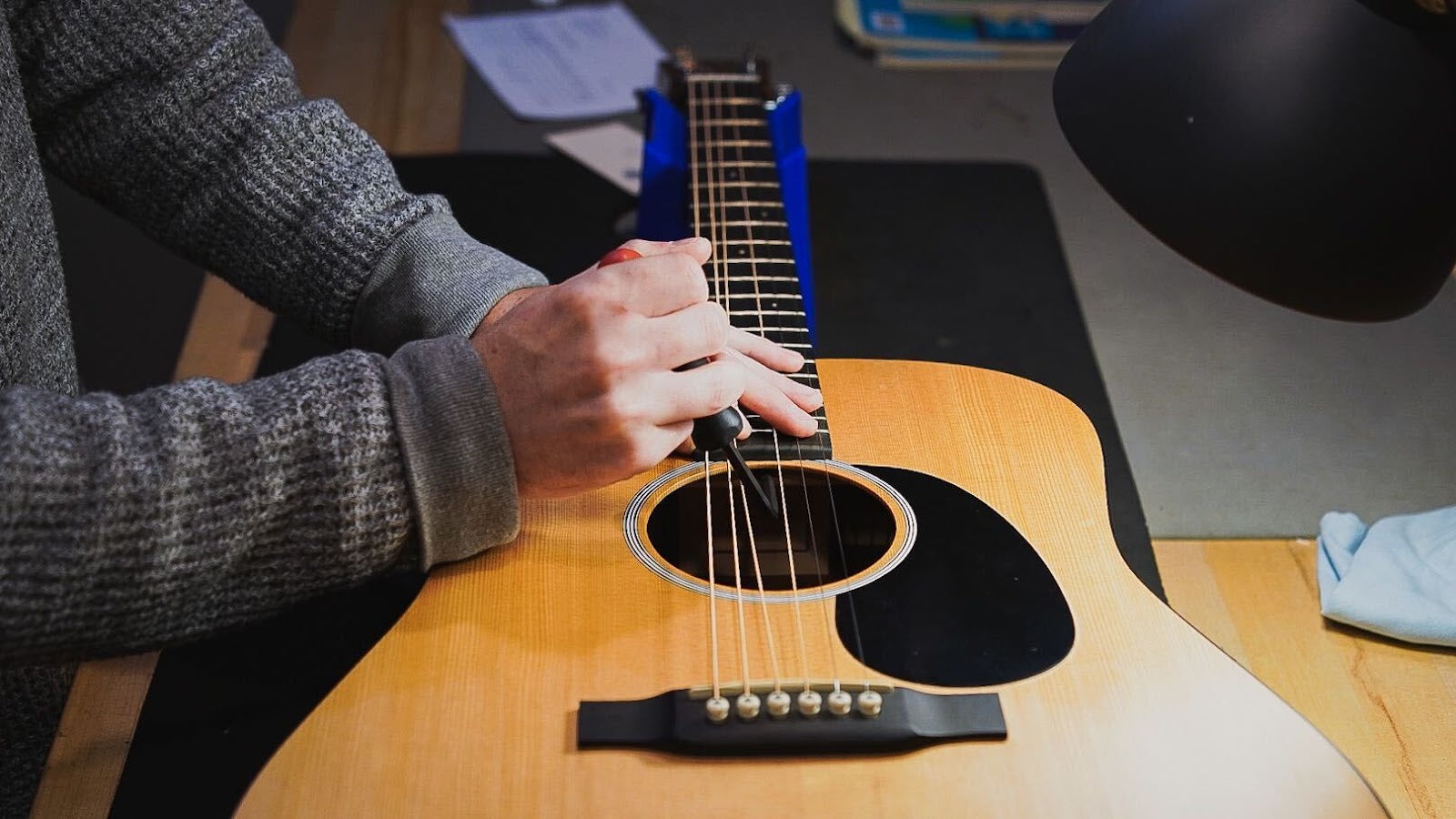
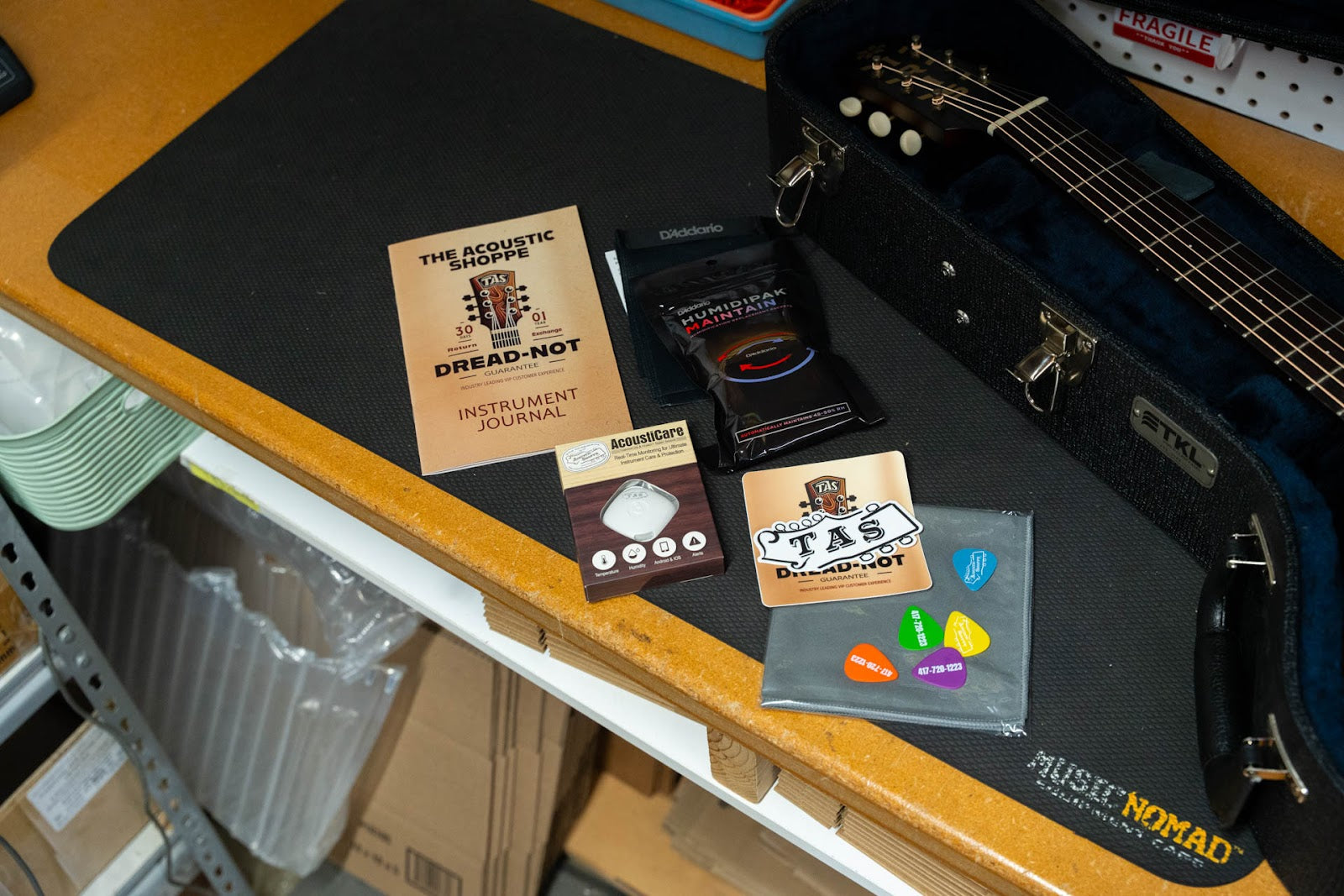
Whichever one you choose, it gets our 23-Point Professional Inspection before it ships, and both guitars are covered by our Dread-Not Guarantee: a full year to trade it in for up to 90% of the pre-tax purchase price in credit, less round-trip shipping, plus a 30-day in-home trial. That trade-in credit matters on a choice like this one. Start with the Eastman and decide later you need the Taylor sound, and up to 90% of what you paid can go toward it, depending on condition.
If you strum and sing, go hear the Taylor 414ce. If you pick single notes or play in a band, start with the Eastman AC422CE. To compare them against everything else we have, browse all of our grand auditorium and concert guitars or the full acoustic guitar collection, and ask about 48-month financing through Synchrony.
The Acoustic Shoppe is an Authorized Taylor Premier Dealer and Gold Label Advantage Dealer.