
Table of Contents
- What changed in the 2026 Martin 16 Series?
- Martin goes Gibson: why that matters
- The three Martin 16 Series models, side by side
- Who is the Martin 16 Series for?
- The X factor: a different Martin at a lower price
- The critique: USA-built, but not cheap, and no hard case
- Is the refresh worth it?
- Acoustic Shoppe FAQ
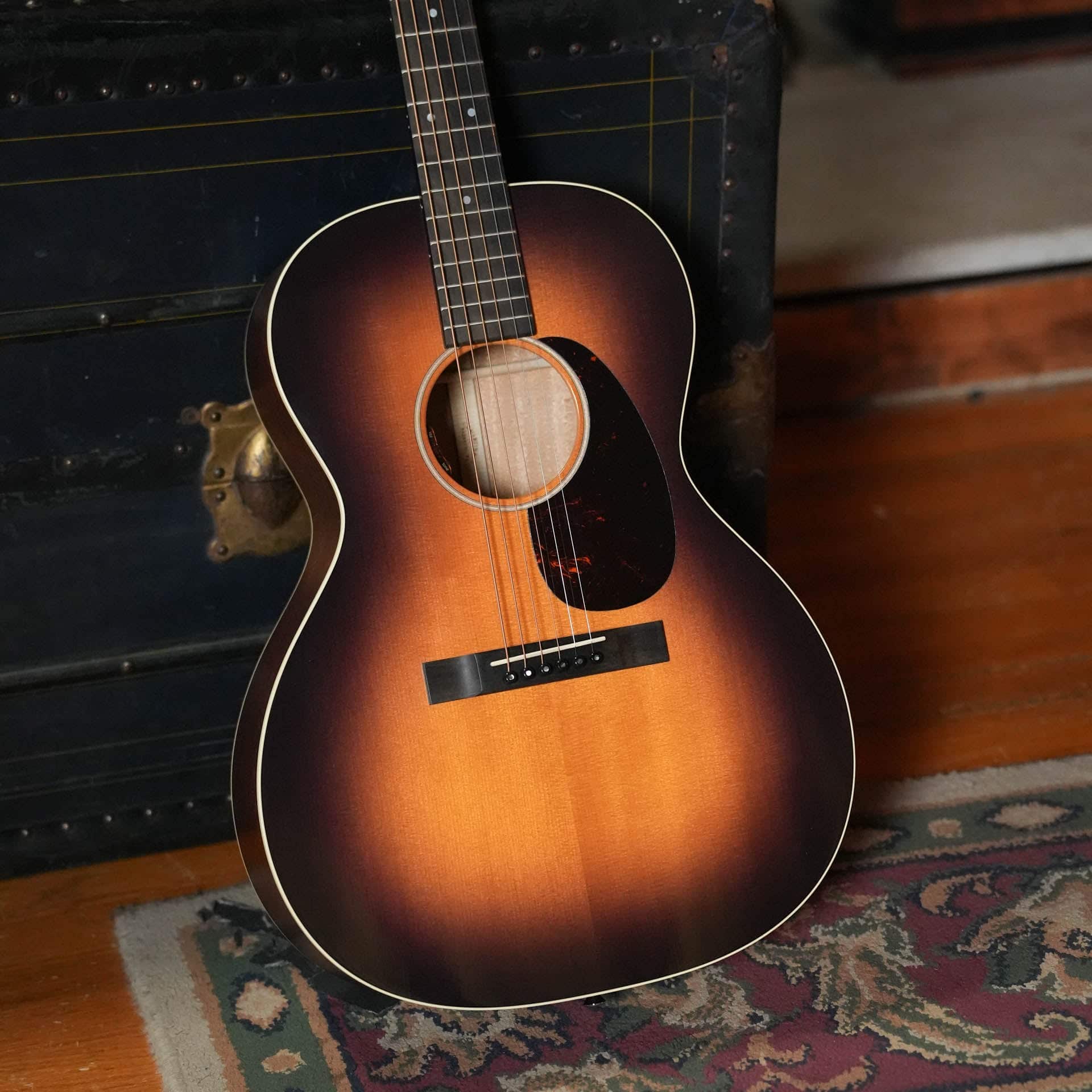
The Martin 16 Series still comes out of Nazareth, Pennsylvania, and that is about the only thing it shares with the 16s you remember. For 2026, Martin rebuilt the whole series around three Gibson-flavored body shapes: a slope-shoulder 00, a slope-shoulder dreadnought and a jumbo. They cut cost with satin, open-pore finishes on the back and sides (the spruce tops on our units are gloss) and gig bags instead of hard cases, and gave each shape a color you can only get on that model. We had all three on the table for a video, and our read is that the savings didn't cost the Martin sound.
What changed in the 2026 Martin 16 Series?
John opened the video with the headline, and it's the same one we'd lead with here.
"It comes out of Nazareth, Pennsylvania, and that I think is the most important news for this particular series, because other than that, it's totally different." (John Chapman)
The Martin 16 Series has been through a lot of versions. What stayed constant was the factory, and it still is. Everything else is new. There are three body shapes now, and each comes in three colors:
- 00L-16E, a slope-shoulder 00: Black Smoke, Burst, and Blue Denim.
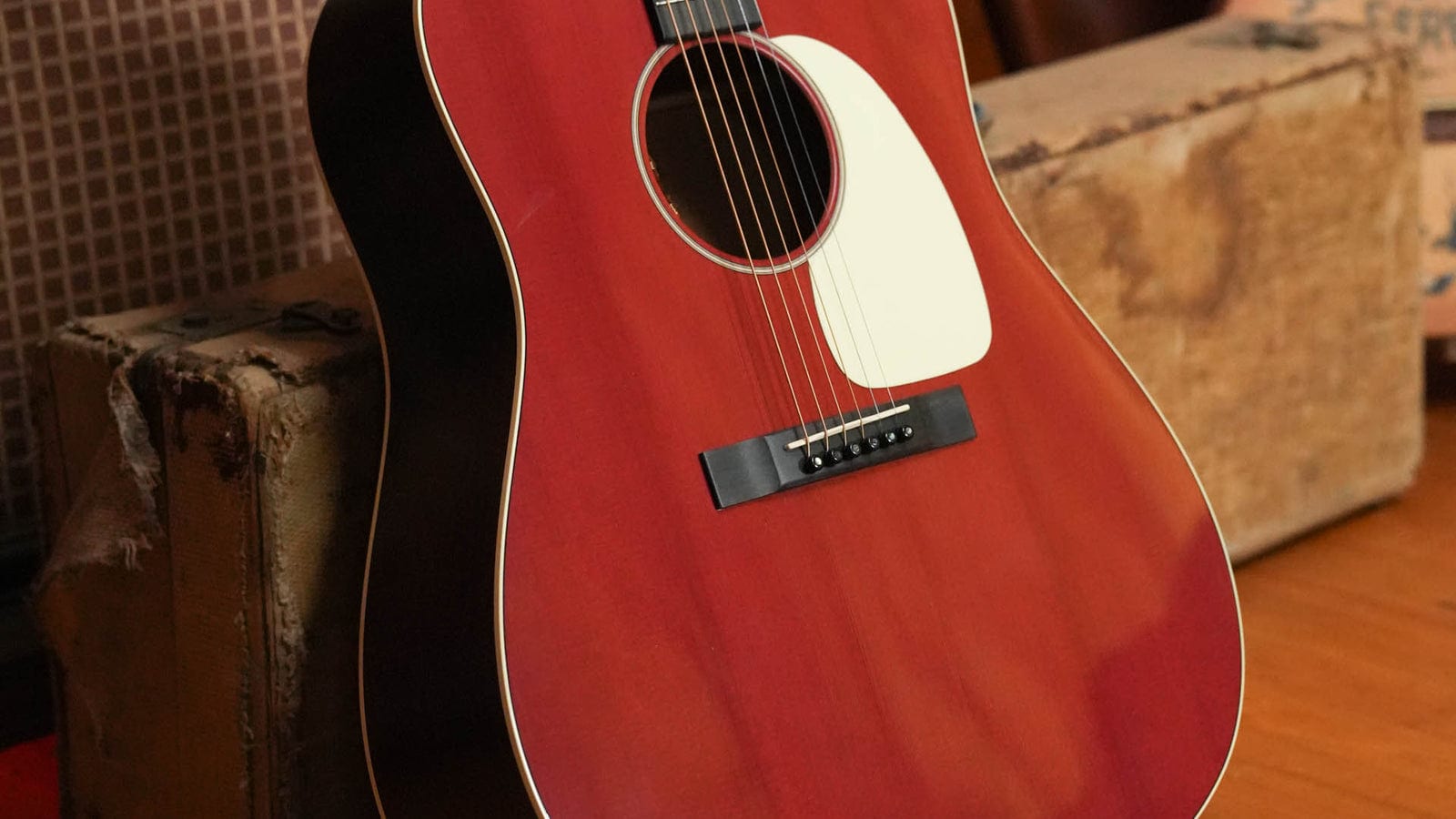
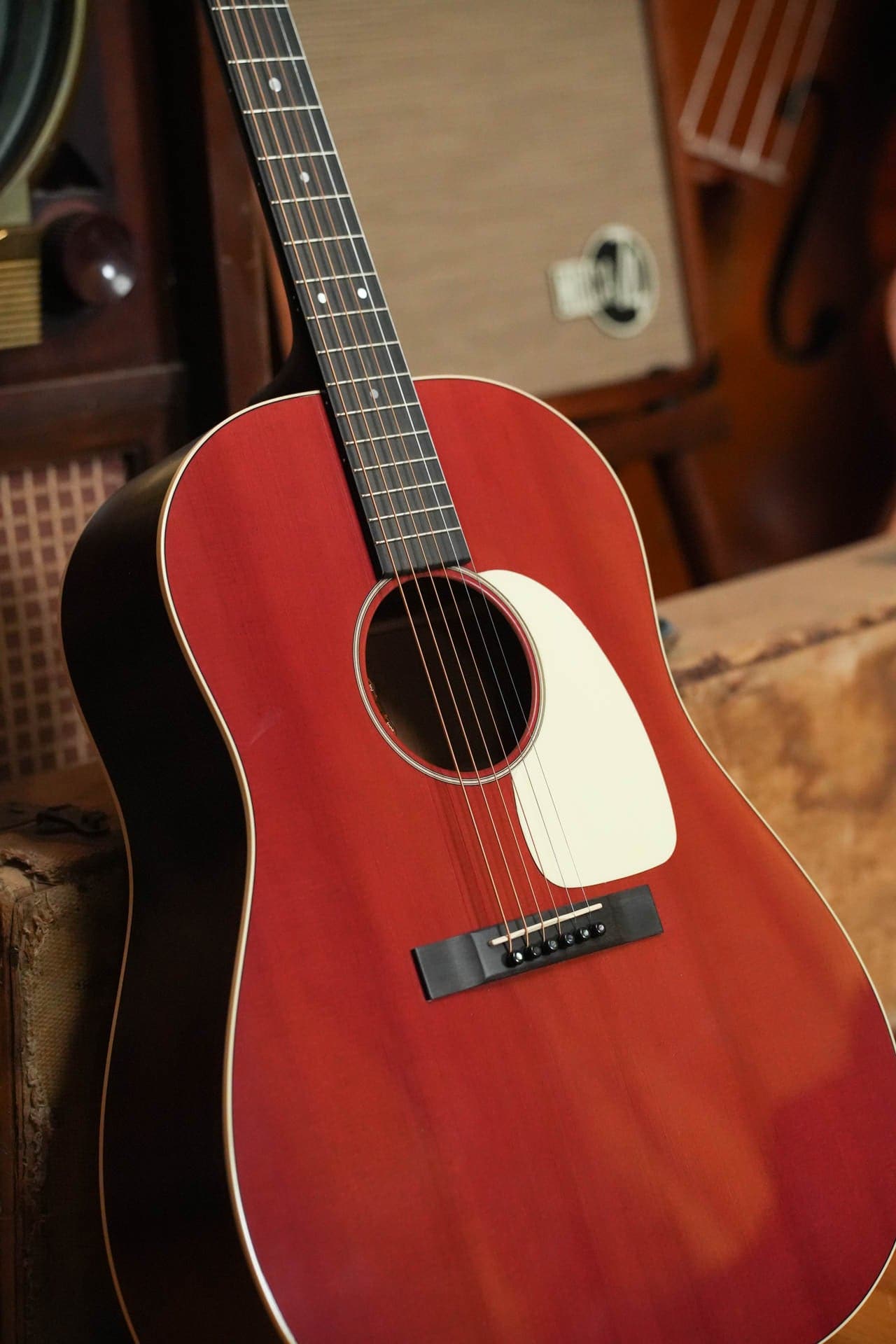
- DSS-16E, a slope-shoulder dreadnought: Burst, Black Smoke, and Cherry Cola.
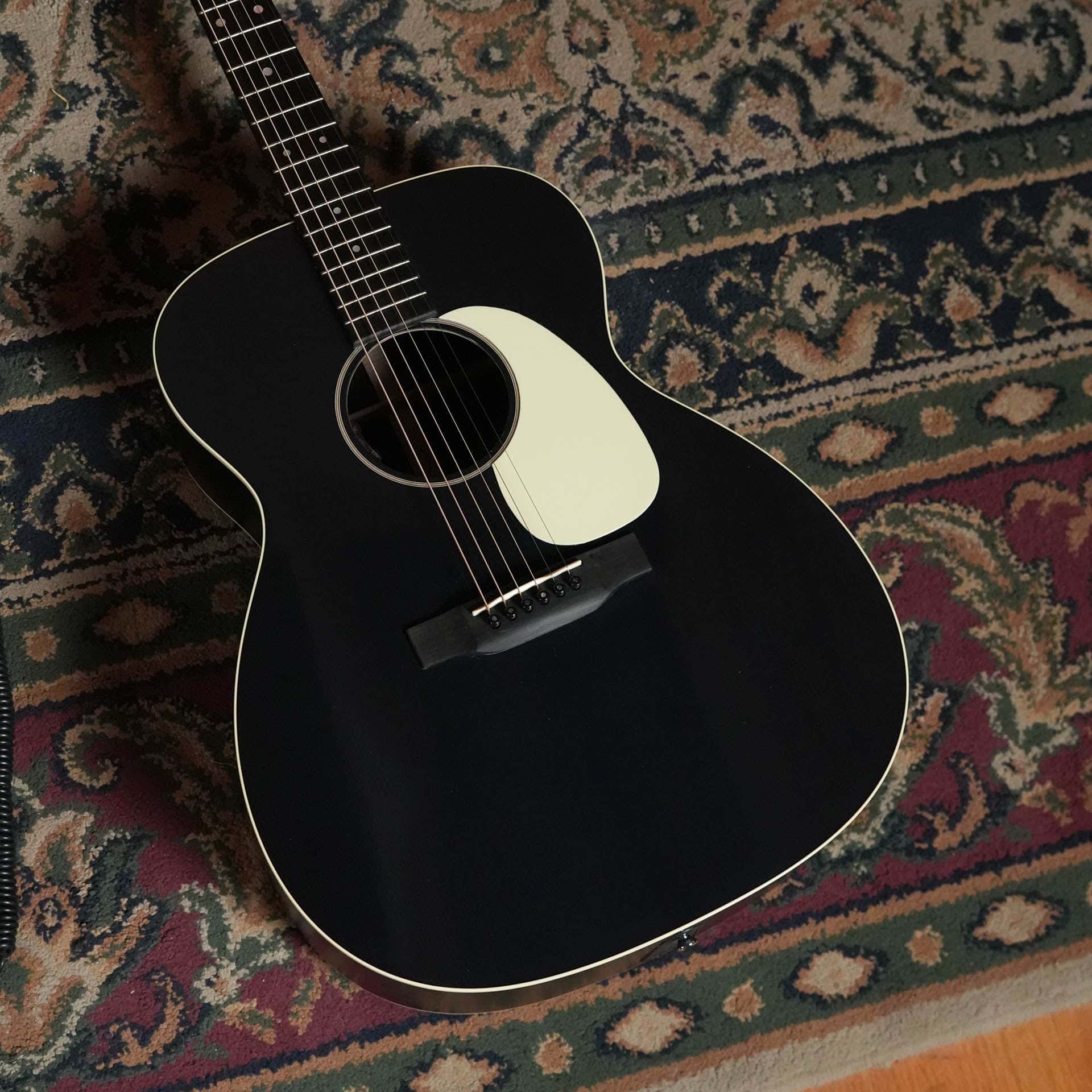
- J-16E, a jumbo: Burst, Black Smoke, and Cream.
Blue Denim, Cherry Cola and Cream each appear on only one body shape. If you want all three special colors, you're buying all three guitars. We also like the offset pickguard choices on the alternate colors.
Martin goes Gibson: why that matters
Jump to: who they're for at 5:25 · the X factor at 7:28 · the critique at 9:35.
Martin and Gibson are the two names most players think of first in American acoustic guitars, for different reasons, and most players are in one camp or the other. Jeremy's point is that the new Martin 16 Series is where the two camps meet. Martin fans get the tone and the feel they're used to. What's new is the slope-shoulder look, the tops and the colors people usually associate with Gibson. Then Martin made its cost choices, the satin and open-pore finishes, and those put the price where a lot of players can reach it. If the slope-shoulder look is what draws you and you're open to an import, our Eastman E15 vs E25 comparison covers two varnish slope shoulders built for Gibson fans.
The three Martin 16 Series models, side by side
All three share a lot: a solid spruce top, a Select Hardwood neck in a Modified Low Oval profile with a 1-3/4" nut, an ebony fingerboard and bridge, a bone saddle, nickel open-gear tuners, L.R. Baggs Element electronics and a softshell case. The differences are where the tone comes from.
| Model | Body | Back & sides | Bracing | Scale | Price (USD) |
|---|---|---|---|---|---|
| 00L-16E | Slope-shoulder 00 | Solid mahogany | Scalloped X | 24.9" | $2,499.99 |
| DSS-16E | Slope-shoulder dreadnought | Solid mahogany | Forward-shifted scalloped X | 24.9" | $2,499.99 |
| J-16E | Jumbo | Solid East Indian rosewood | Scalloped X | 25.4" | $2,599.99 |
Here's what those specs mean in your hands:
- The 24.9" scale on the 00L and DSS lowers string tension and shortens the reach. That makes bends easier and a long set gentler on the fretting hand.
- Forward-shifted bracing on the DSS lets more of the top move near the bridge. On a mahogany slope-shoulder, that's where the extra low-end push comes from.
- Rosewood on the J-16E adds bass and overtone to an already big body. It's the one to pick if you're a strummer who wants the guitar to fill the room without a mic.
- The 1-3/4" nut on all three gives fingerstyle players room between strings without making first-position chords a stretch.
Who is the Martin 16 Series for?
Jeremy put this one to John, and John saw two buyers.
The first is the player who already owns a high-end Nazareth guitar. Maybe you've been an HD-28 fan or an 18-style fan forever. You love the Martin ecosystem and you won't change camps, but you want a different palette: a slope-shoulder dread sound, a 00 sound, a jumbo sound that wasn't available to you before. And you don't want to pay the same premium for a guitar that won't be your main one.
The second is the Gibson fan who has never been a big Martin fan. This gives them Martin sound and Martin feel in the shape and look they fell for in the first place.
The X factor: a different Martin at a lower price
For John, the X factor is the price point, and he has a personal history with it. His first full-on Martin was a D-16M. As he described it, it was basically a D-18 with forward-shifted braces and a lot of the same features, built with lower-grade woods. He loved it.
"It actually competed better with the 18 than it did with anything else, and at a lower price point." (John Chapman)
That was always Martin's worry with the 16 Series: build a more affordable version and it might take buyers away from the 18s and 28s. The 2026 version gets around that by being a completely different guitar. It's slope-shoulder and jumbo shapes at the 16 price, not a cheaper dreadnought that competes head-on with the D-18. So the headline is a different offering at a lower price, still built in Nazareth. If you're deciding between a classic dreadnought and one of these, our Martin D-18 vs D-28 comparison covers the traditional side.
The critique: USA-built, but not cheap, and no hard case
We always give the good and the bad, and John had three critiques of the Martin 16 Series.
- It's still not cheap. It's USA-built and more budget-friendly, but it sits above the Road Series and the Retro models in Martin's lineup. If you want to know what that tier gets you, read our Martin X Series vs Road Series breakdown.
- The shortcuts are real. To hit this price in the USA, Martin went with open-pore, softer satin finishes and a gig bag instead of a hard-shell case. John's words: "It's a nice bag, don't get me wrong, but it definitely is a change."
- Some Martin loyalists will say Martin sold out. John isn't one of them, and he thinks the reaction is a little silly, but he understands it. We wrote about that tension in why Martin struggles when it innovates. The good news for that crowd is that the D-18 isn't going anywhere. The new 16 isn't replacing it. It's another offering.
The biggest Martin fan on our staff liked these a lot, colors included. Between the two of us on camera, we like them all: the Blue Denim, the Cherry Cola, the bursts, the Cream and the Black Smoke.
Is the refresh worth it?
Jeremy's wrap-up question was about stage presence. These guitars have the bold look a lot of players want under the lights, and John agreed. His closing verdict: the refresh is more than a new look. A lot of country artists, especially the younger players, play the same slope-shoulder shape on stage, and now they can play one with a Martin headstock and Martin tone behind it.
"You still have the Martin traditional sound. You have that extra punch, you have that power. So it's going to have that Nazareth sound." (John Chapman)
Related reading
You can shop the individual Martin 16 Series guitars in stock: the Martin 00L-16E in 1935 Burst, the Martin DSS-16E in Cherry Cola and the Martin J-16E in Black Smoke. Or browse every Martin guitar we carry, our jumbo guitars, our acoustic-electric guitars, or every guitar in stock.
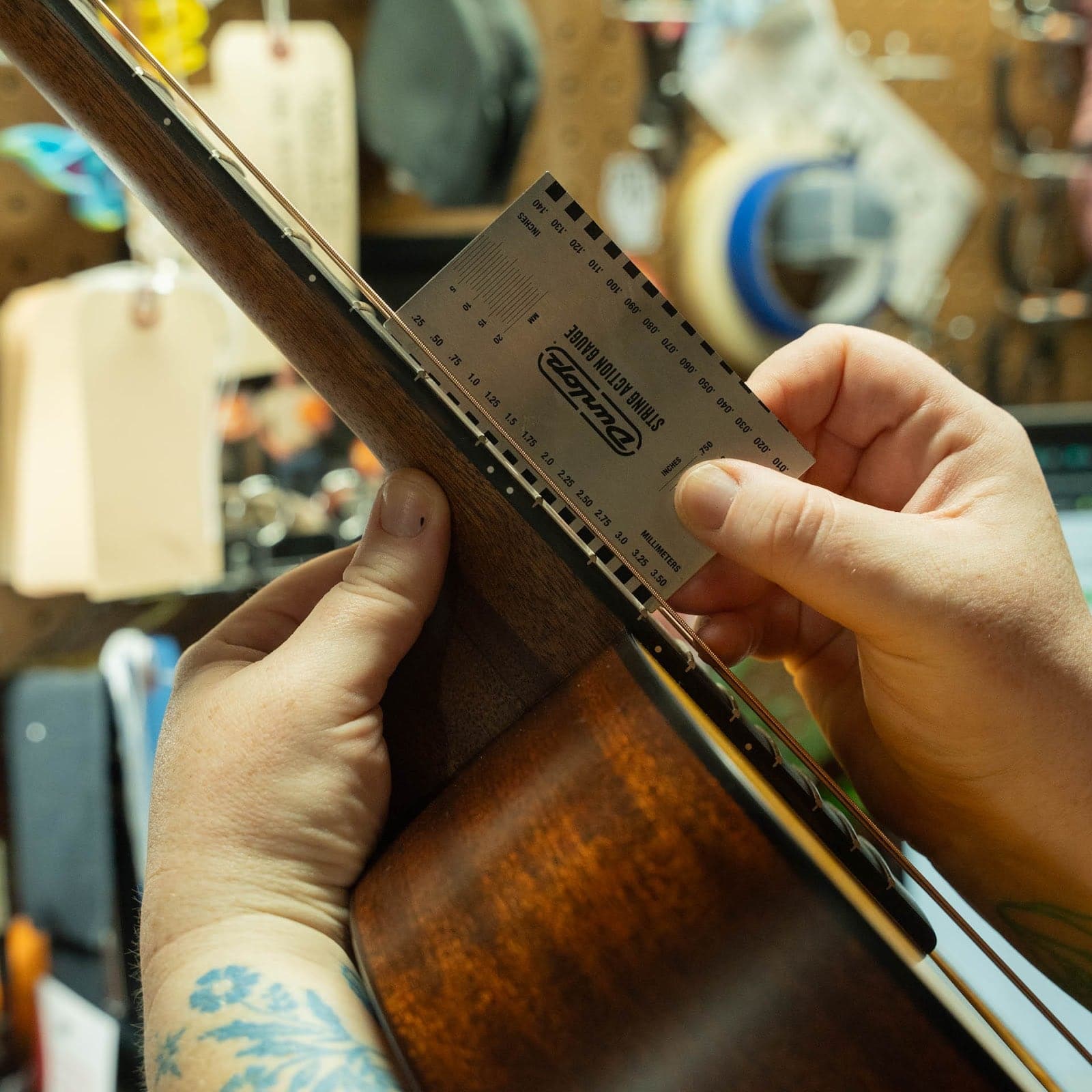
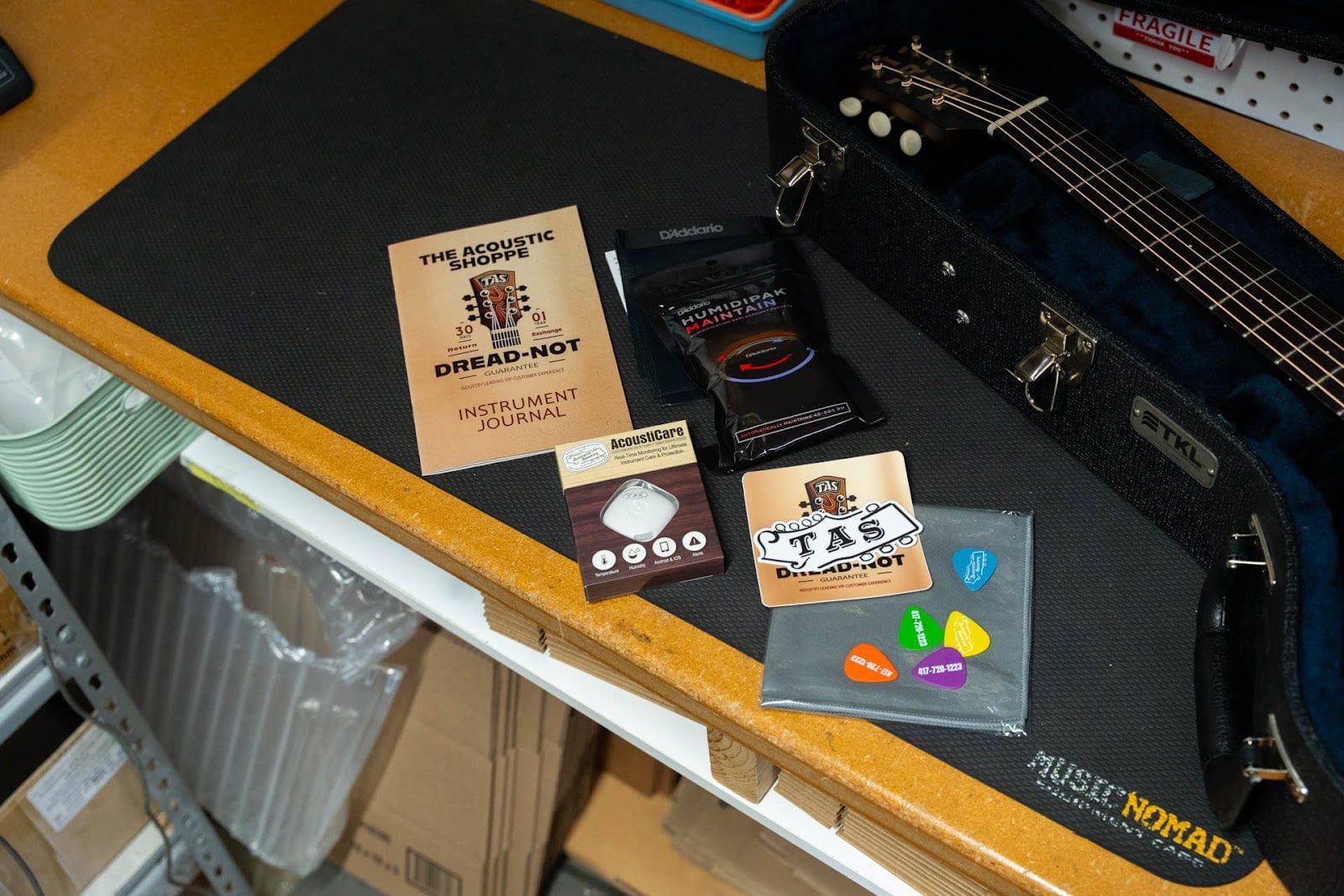
Every one of these goes through our 23-Point Professional Inspection before it ships. Each one is also covered by the Dread-Not Guarantee. That gives you a trade-in credit of up to 90% for a full year (pre-tax, less round-trip shipping) if you move up to a D-18 or anything else later. It also includes a 30-day in-home trial and a humidity kit. Financing through Synchrony is available on all three.
If you already own a Nazareth dreadnought and want a second voice, or you've always played Gibson-shaped guitars and want to hear what Martin does with one, the Martin 16 Series is the place to start. If you want the traditional dreadnought in a hard case, the D-18 isn't going anywhere.