

Table of Contents
- In the mid-20th century, the guitar world faced a crisis of quality. As iconic American brands struggled with rising labor costs and the pressures of corporate buyouts, players began searching for a better way.
- How Did Japan Solve the "Quality Gap" of the 60s and 70s?
- Is the "Lawsuit Era" More Lore Than Reality?
- Who Are the Modern Masters of Japanese Luthiery?
- Why is Yamaha’s Legacy Central to the Japanese Story?
- How Does the Yamaha FG9 Set a New Standard?
- What Makes Modern Japanese Guitars Rivals to US Boutique Brands?
- How Do These Guitars Compare to Custom Shop Brands?
- Frequently Asked Questions about Legendary Japanese Craftsmanship in Acoustic Guitars
- Experience the Modern Japanese Masterpiece
- Acoustic Shoppe FAQ
In the mid-20th century, the guitar world faced a crisis of quality. As iconic American brands struggled with rising labor costs and the pressures of corporate buyouts, players began searching for a better way.
This opened the door for Legendary Japanese Craftsmanship in Acoustic Guitars to emerge as a viable alternative. What started as a quest to provide affordable, reliable instruments has transformed into a global standard of excellence that rivals—and often surpasses—the best hand-built brands the United States has to offer. At The Acoustic Shoppe, we believe understanding this journey is key to finding the best value in today’s market.
How Did Japan Solve the "Quality Gap" of the 60s and 70s?
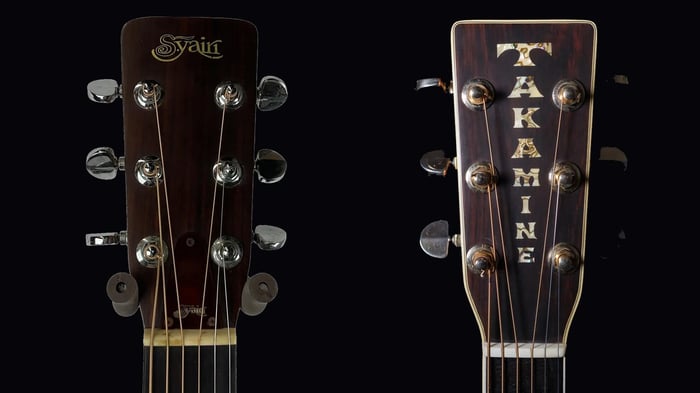
During the 1960s and 70s, many "brand-name" US guitars saw a noticeable dip in quality control while prices continued to climb. Japanese manufacturers saw an opportunity to provide high-quality alternatives for the working musician. Legendary Japanese Craftsmanship in Acoustic Guitars was born out of a necessity for precision. While US factories were moving toward heavier builds and thicker finishes, Japanese luthiers were obsessing over the structural integrity and playability of their instruments. You can see this dedication to consistent quality in the Yamaha Guitar collection page.
Is the "Lawsuit Era" More Lore Than Reality?
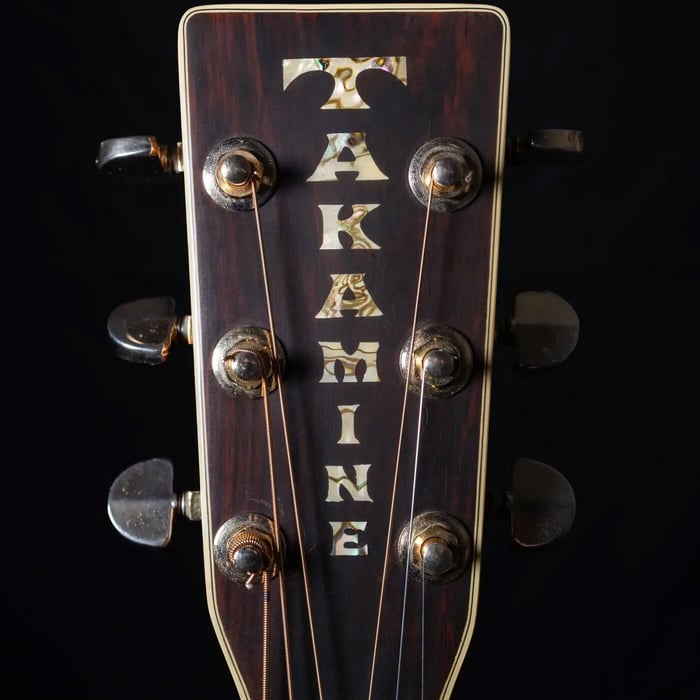
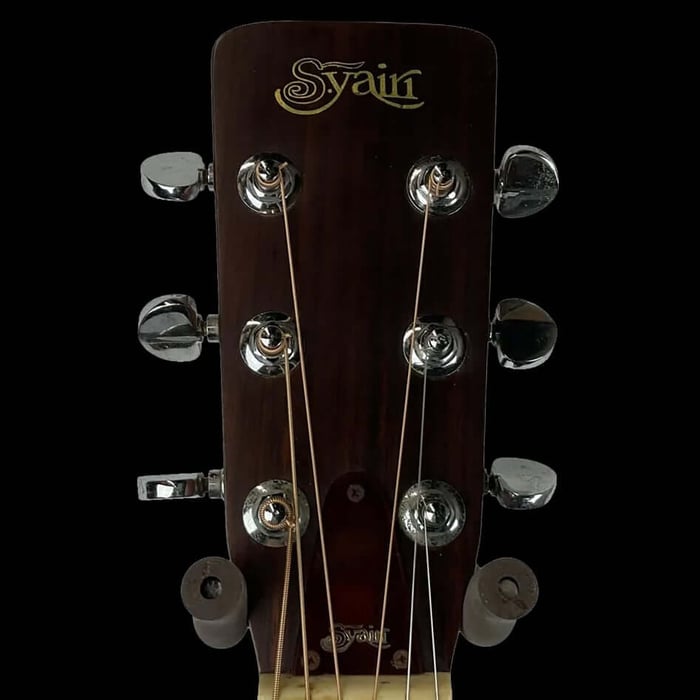
The "Lawsuit Era" is a term often whispered with reverence in vintage shops, referring to Japanese copies that were so accurate they prompted legal threats from US companies. While these guitars were undeniably of good quality for their time and provided a much-needed alternative, modern players should distinguish between "lore" and "exceptionalism." Many of these vintage instruments have become collectors' items due to their history rather than being truly superior to today's boutique builds. However, they served a vital purpose: they proved that Legendary Japanese Craftsmanship in Acoustic Guitars was a force to be reckoned with. For those seeking that vintage vibe with modern reliability, we often recommend The Yamaha Red Label FS5.
 Who Are the Modern Masters of Japanese Luthiery?
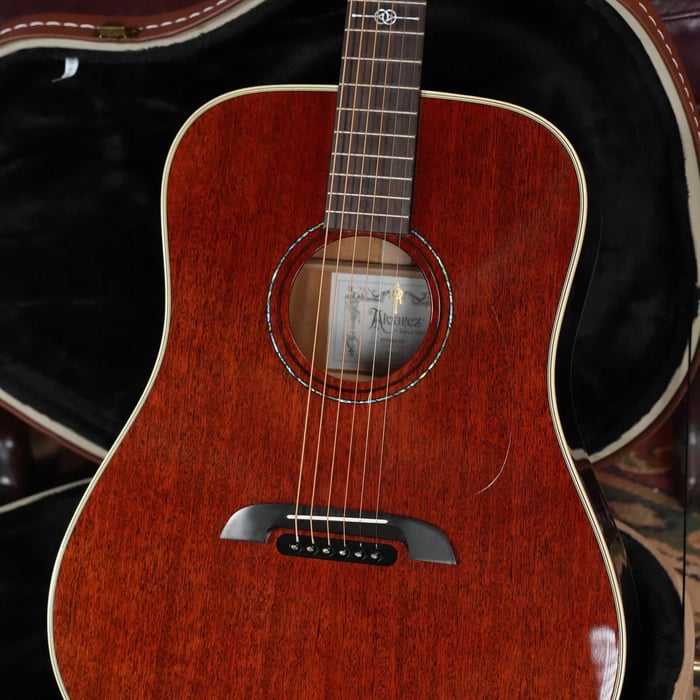
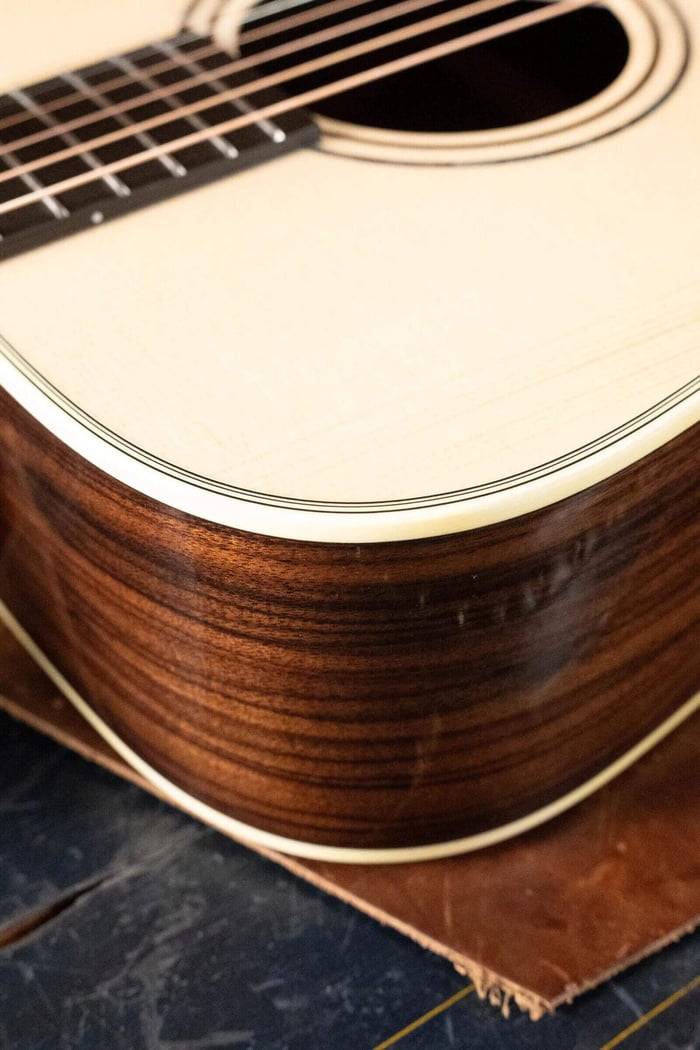
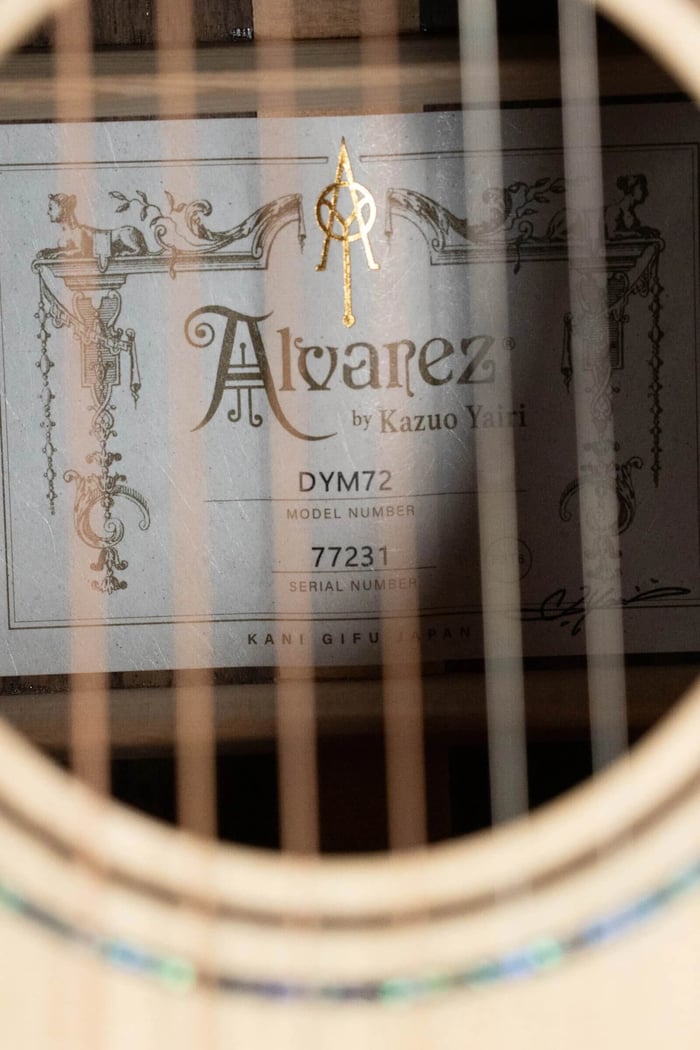
Moving into the modern day, the narrative has shifted completely. Japanese craftsmen have moved past the era of imitation and defined themselves as some of the truly great guitar builders in the world. Two titans stand as equals at the top of this mountain: Yamaha and Alvarez Yairi. Both brands have become synonymous with boutique excellence, proving that Legendary Japanese Craftsmanship in Acoustic Guitars can compete with any custom shop on earth. In workshops like Yairi’s, the "slow-build" philosophy remains king, where woods are naturally seasoned for years, while Yamaha’s custom shops utilize elite scientific analysis to voice their instruments. This means that a The Alvarez Yairi FYM66HD or a high-end Yamaha is no longer a "budget alternative"—it is a premier choice for the discerning artist.
Why is Yamaha’s Legacy Central to the Japanese Story?
You cannot discuss Legendary Japanese Craftsmanship in Acoustic Guitars without mentioning Yamaha. Their legacy is built on a foundation of relentless research and development. From the legendary "Red Label" guitars of the 60s to their modern Custom Shop masterpieces, Yamaha has consistently proven that Japanese manufacturing can scale quality without losing the "soul" of the instrument. Their ability to produce world-class instruments that rival the finest US boutique shops is why they remain a staple at The Acoustic Shoppe.
How Does the Yamaha FG9 Set a New Standard?
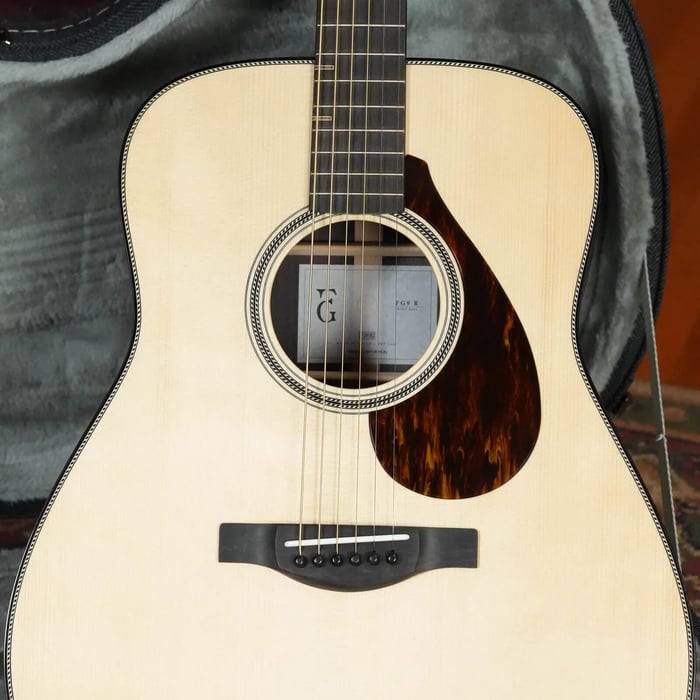
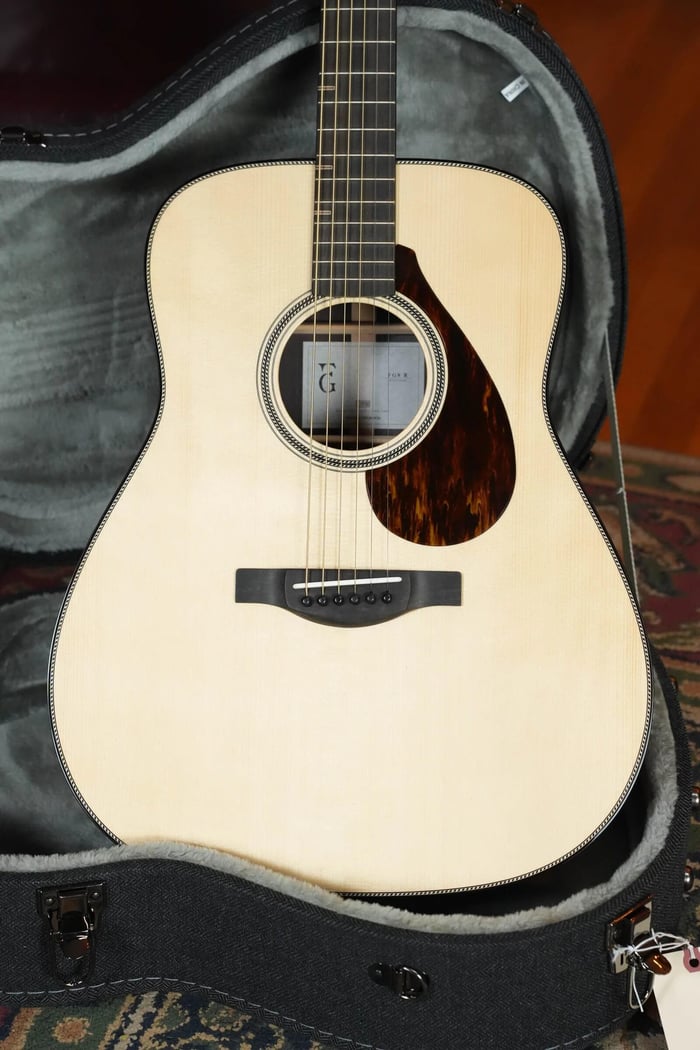
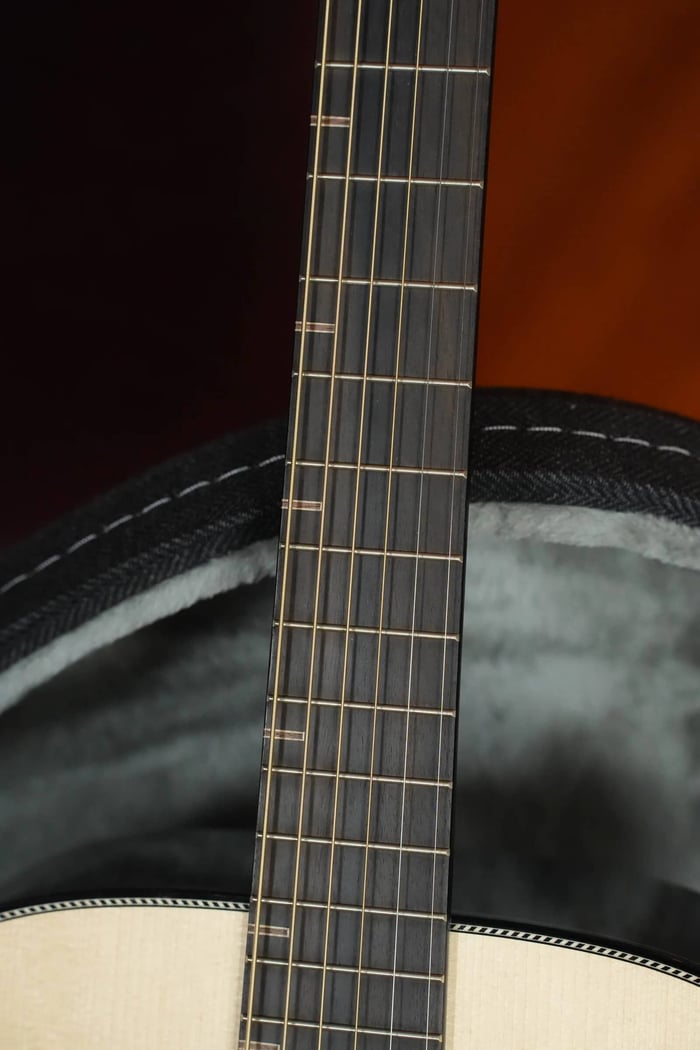
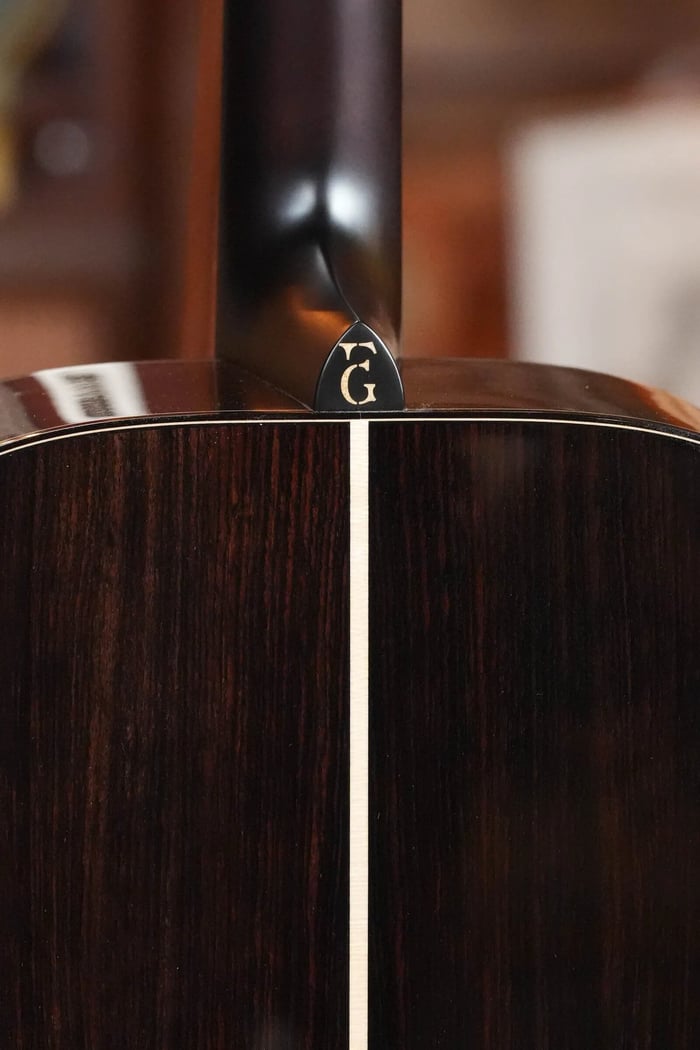
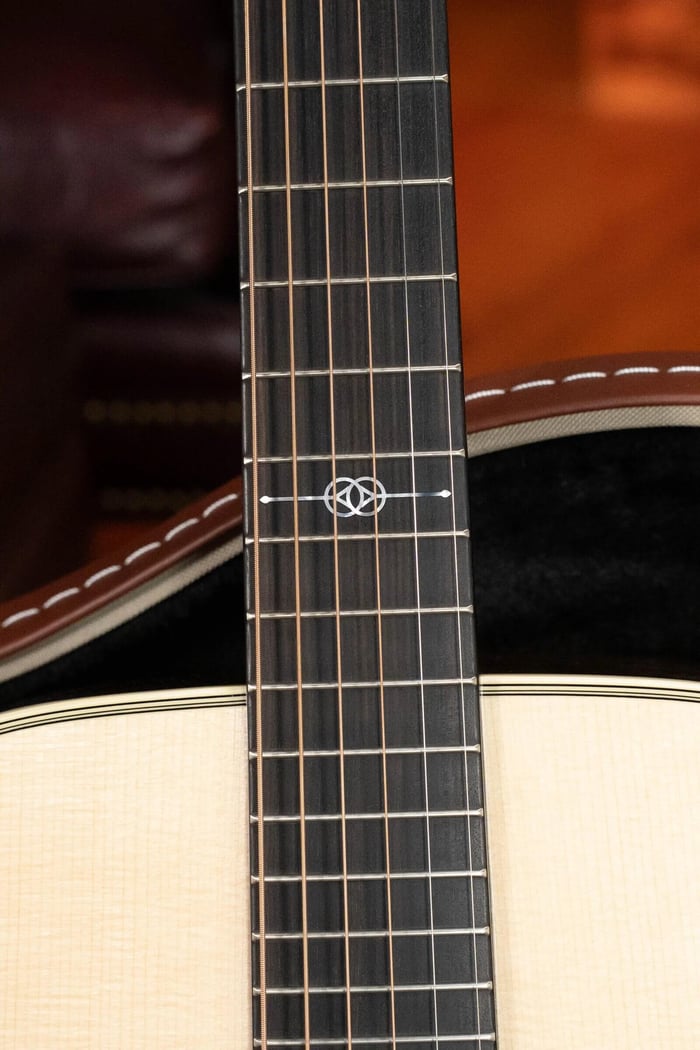
The introduction of the The Yamaha FG9 marks a historic moment in the timeline of Legendary Japanese Craftsmanship in Acoustic Guitars. Designed specifically for the most demanding singer-songwriters and bluegrass players, the FG9 is a direct challenge to the high-end American dreadnought. With an Adirondack spruce top and aesthetic nods to traditional Japanese Kumiki woodworking, the FG9 proves that Yamaha’s modern production is a masterclass in detail.
| Era | Focus of Japanese Manufacturing | Perception |
| 1960s-70s | Quality alternatives to overpriced US brands. | "Good copies" |
| 1980s-90s | Refinement of unique tech (e.g., Direct Coupled Bridge). | High-quality workhorses |
| Modern Day | Elite boutique standards (e.g., Yamaha FG9 & Yairi Masterworks). | Global rivals to top-tier US brands |
 What Makes Modern Japanese Guitars Rivals to US Boutique Brands?
Today, Legendary Japanese Craftsmanship in Acoustic Guitars is defined by a level of technical perfection that is hard to find elsewhere. While many US brands have moved toward high-speed CNC production, Japanese masters at both Yamaha and Yairi often still rely on the "eyes and ears" method for voicing tops and carving braces. This makes them legitimate rivals to high-end American shops. Whether you are looking for a Dreadnought vs. OM or a unique small-body guitar, the Japanese builds offer a balance of tone and playability that is world-class. This precision is why we highlight these brands in our guide on Why Tonewood Matters.
 How Do These Guitars Compare to Custom Shop Brands?
When you compare a modern MIJ (Made in Japan) instrument to a high-end US custom build, the differences often come down to philosophy rather than quality. Japanese builders often lean into Kaizen, or continuous improvement, ensuring every fret edge is perfectly dressed and every joint is seamless. This attention to detail is a recurring theme in our blog post: The Legend of Mr. Yairi's Mahogany. Furthermore, their leadership in The Future of Sustainable Tonewoods, shows they are building for the next generation of players.
Frequently Asked Questions about Legendary Japanese Craftsmanship in Acoustic Guitars
Are modern Japanese guitars better than the "lawsuit" versions?
Absolutely. While the lawsuit-era guitars have a cool factor and historical "lore," modern Legendary Japanese Craftsmanship in Acoustic Guitars has far surpassed them. Modern flagships like the Yamaha FG9 and the Yairi Masterworks series utilize material quality and bracing technology that didn't exist in the 70s.
Why should I choose a Japanese guitar over a famous US brand?
Many players find that Alvarez Yairi collection page or the elite Yamaha series offers a level of hand-built attention and "old-growth" wood quality that would cost significantly more from a US boutique builder. It's about getting world-class performance and rival-level quality at a more logical price point.
Experience the Modern Japanese Masterpiece
Ready to see how Legendary Japanese Craftsmanship in Acoustic Guitars has evolved to become a global leader? Whether you are drawn to the cutting-edge power of the Yamaha FG9 or the boutique artistry of Yairi, we invite you to find the instrument that will redefine your playing experience.
Shop our Alvarez Yairi collection page Now!
Acoustic Shoppe FAQ
Are modern Japanese guitars better than the "lawsuit era" versions?
While "lawsuit era" guitars carry a lot of historical lore and vintage charm, modern Legendary Japanese Craftsmanship in Acoustic Guitars has far surpassed them. Today’s flagships, such as the Yamaha FG9 and the Yairi Masterworks series, benefit from decades of refined bracing technology, superior material sourcing, and advanced acoustic analysis that simply didn't exist in the 1970s.
Why should I choose a Japanese guitar over a famous US brand?
Many players find that Alvarez Yairi or elite Yamaha models offer a level of hand-built attention and "old-growth" wood quality that would cost significantly more from a US boutique builder. It’s about getting world-class performance and rival-level quality—often featuring hand-voiced tops—at a more logical price point.
How do Yamaha and Yairi compare in terms of build philosophy?
Both brands represent the pinnacle of Legendary Japanese Craftsmanship in Acoustic Guitars but approach it differently. Yairi is known for its "slow-build" traditionalism, using naturally seasoned woods and a small-shop guild atmosphere. Yamaha combines this artisan touch with world-leading scientific research to ensure maximum projection and tonal balance. At The Acoustic Shoppe, we view them as equals in quality and reliability.
Are Japanese acoustic guitars suited for specific genres like Bluegrass or Folk?
Absolutely. While Japanese guitars were once seen as general-purpose alternatives, modern models are highly specialized. The Yamaha FG9, for example, was specifically engineered to provide the power and "cut" required for Bluegrass, while many Yairi models are prized by fingerstyle players for their delicate responsiveness.
Do Japanese-built guitars hold their value as well as American brands?
Historically, US brands held a lead in resale value due to name recognition, but that gap is closing rapidly. As more players recognize Legendary Japanese Craftsmanship in Acoustic Guitars as a legitimate rival to boutique US shops, the demand for high-end MIJ (Made in Japan) instruments has skyrocketed. Models like the Yamaha FG series and Yairi Masterworks are now viewed as blue-chip investments by serious musicians.